

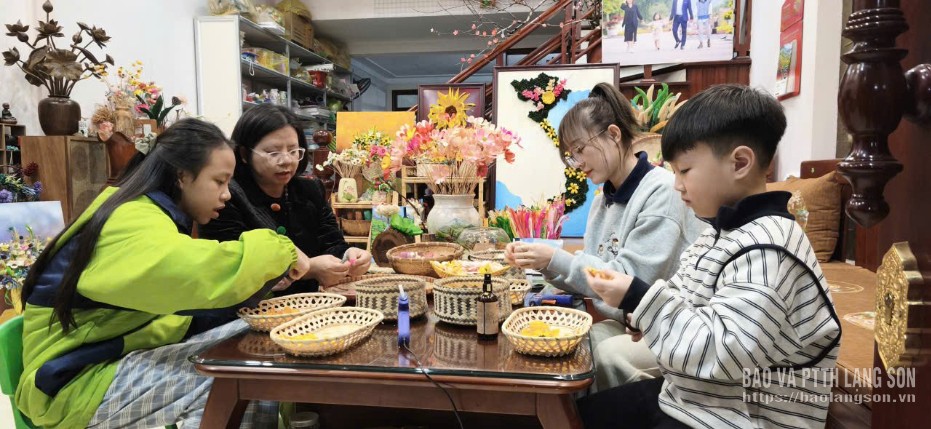
In the days leading up to the Lunar New Year of the Horse 2026, amidst the cold of the mountainous region of Lang Son, the small house of Ms. Truong Que Lan in area N20 (Ky Lua ward) remains warm. Every weekend, the "zero-cost" green learning class takes place regularly, with no tuition fees and no pre-purchased materials, only agricultural by-products such as corn husks, dried leaves, and branches that are usually discarded after each harvest season.
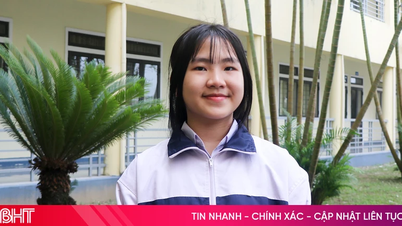
Dang Thao Nhi, a student in class 6A2 at Hoang Van Thu Secondary School, said: "After attending a few classes, I've learned how to make lotus and peach blossoms from corn husks. Before, I thought corn husks and dried leaves were just for throwing away. Now, every time I see them, I think about what I could make with them."
From a "zero-cost" green classroom, agricultural by-products that were once considered waste are now gradually making their way into the community space, linked to experiential education , tourism, and local livelihoods. |
Ms. Truong Que Lan is the initiator and maintainer of the "zero-cost" green learning class. Concerned about the many agricultural by-products left behind after each harvest season, she utilizes readily available materials to create handcrafted products, contributing to the formation of green living habits through everyday things.
Ms. Lan shared: "The biggest difficulty is the processing and preservation of raw materials. If not done properly, corn husks and dried leaves easily become moldy, broken, and spoiled. There were times when we gathered a lot of materials, but if we didn't process them well, we almost had to throw them all away. But if we stopped, everything would just go back to being wasted."
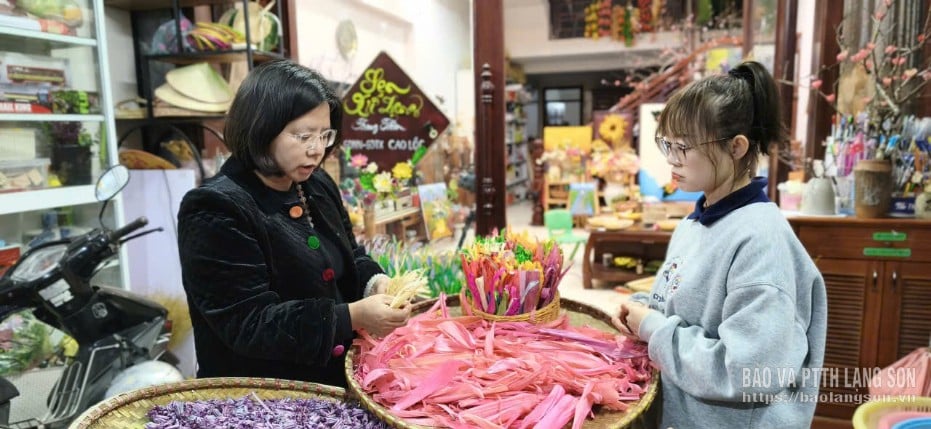
Despite initial difficulties, in early 2025, Ms. Lan proactively participated in courses on creative projects using natural materials and experiential education. After these courses, she opened free weekend workshops. From 2025 to the present, the classes have held three sessions with nearly 40 students, creating approximately 500 handcrafted products such as decorative flowers and wall hangings. Many products are used to decorate living spaces, while some are donated to spread the message of environmental protection.
Starting with the "free" classes in Ky Lua ward, maintained by Ms. Lan, the model gradually spread beyond the residential area. After directly participating in the classes, Ms. Nong Thi Ghi, a teacher at Ba Son High School (Ba Son commune), brought the spirit of free education back to her school. Together with her colleagues, she guided students in establishing an entrepreneurship club and implementing the project "Developing experiential tourism in Thach Khuyen stone village from community resources." Based on what they learned, she and her students guided local people in utilizing agricultural by-products to create handicrafts from corn husks, loofah fibers, and plants... used for decorating homestays, as souvenirs, and adding a unique touch to community tourism. The project won first prize in the provincial-level entrepreneurship idea competition and was among the top 20 in the National Entrepreneurship Project Development Program in 2025. Currently, many products are being used in traditional houses in Thach Khuyen stone village; nearly 30 products have been sold, generating funds to maintain the club's activities.
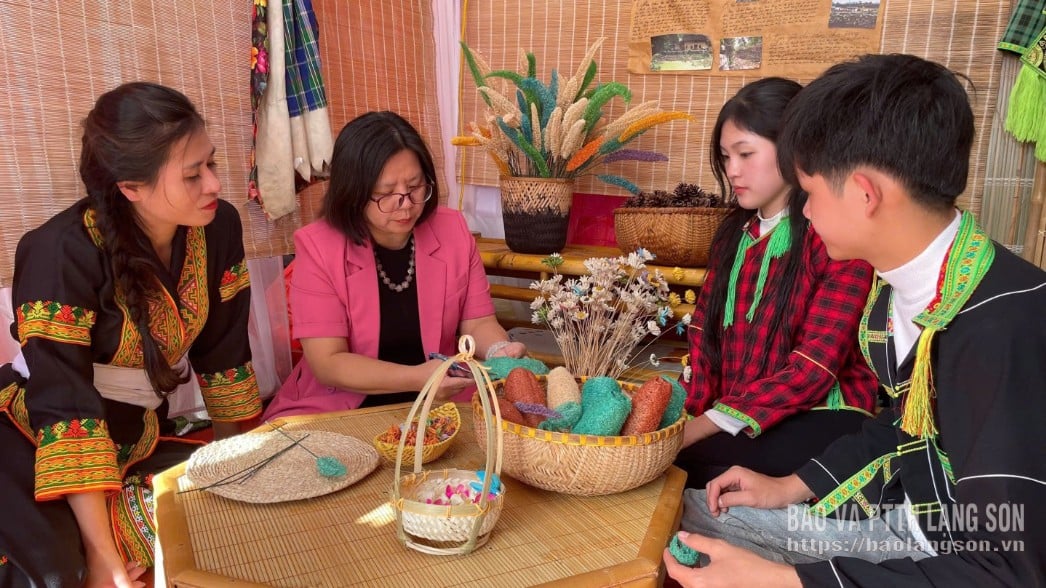
To date, the model continues to spread as it is connected with community tourism development activities in the locality. Ms. Nong Thi Ghi shared: "Recently, I went to Lan Nong residential area (Cai Kinh commune) to guide households in making homestay decorations from readily available materials around their houses. When I saw the decorative products made from corn husks, loofah fibers, basil, sesame seeds, etc., they were both beautiful and created a focal point for the guest reception area. The important thing is that the people realized that things they previously threw away can still be reused, both preserving the environment and generating additional income."
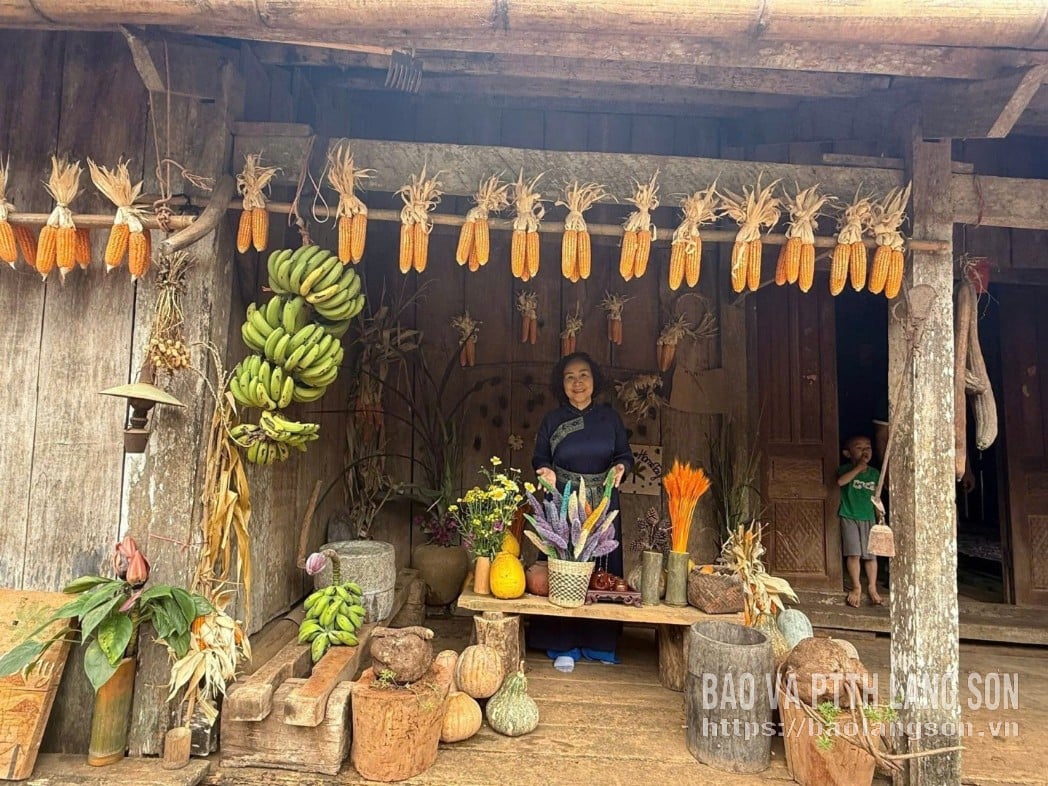
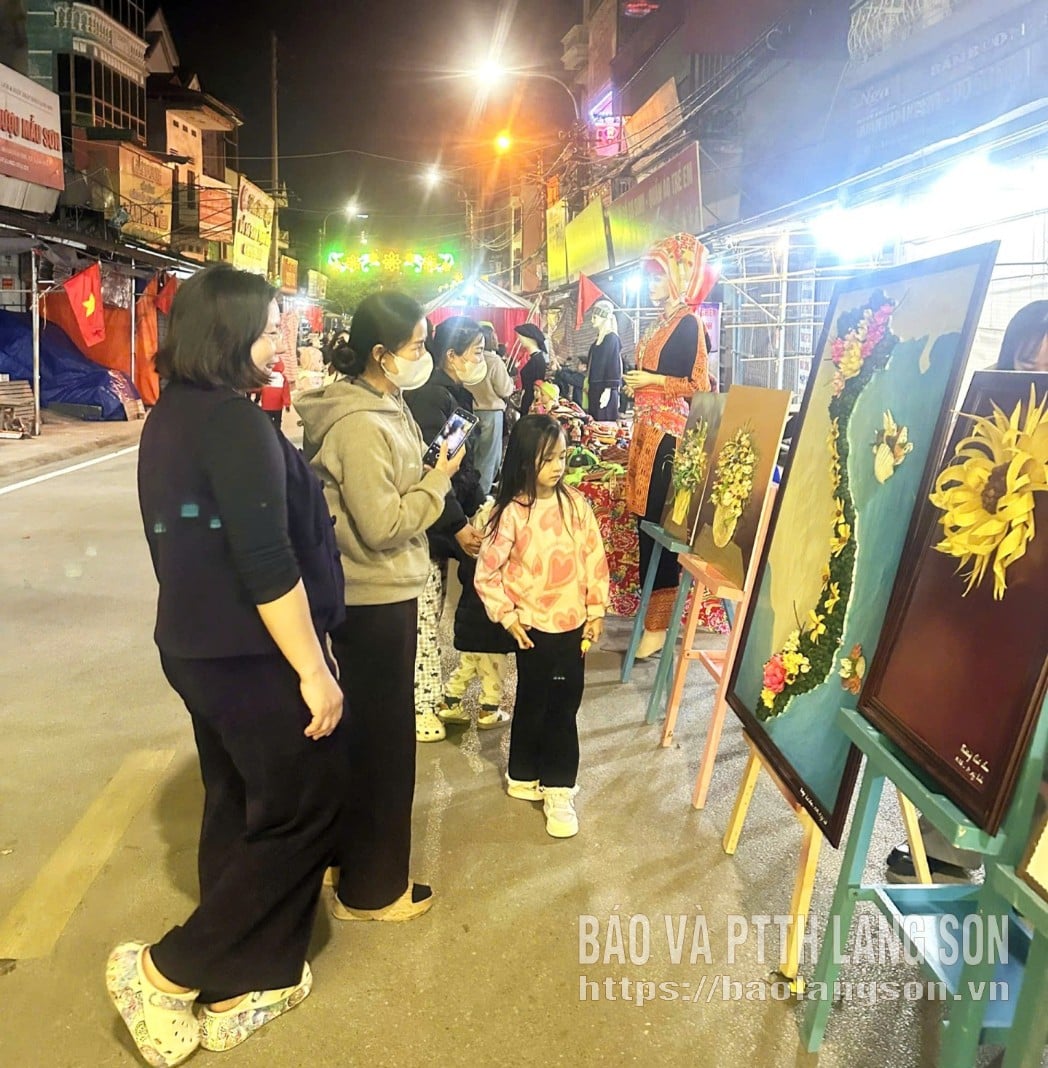
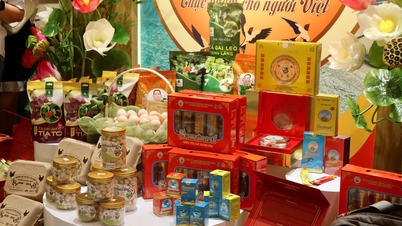
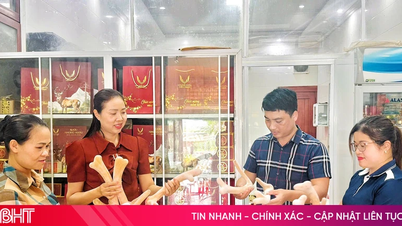
Beyond just community-based workshops, products from the "zero-cost" green craft classes also have the opportunity to reach locals and tourists in public spaces. In early February, some products made by Ms. Truong Que Lan and her students were displayed on Ky Lua pedestrian street. Many locals and tourists stopped to look, take photos, and inquire about purchasing them, demonstrating the potential application of handicrafts made from agricultural by-products in experiential tourism.
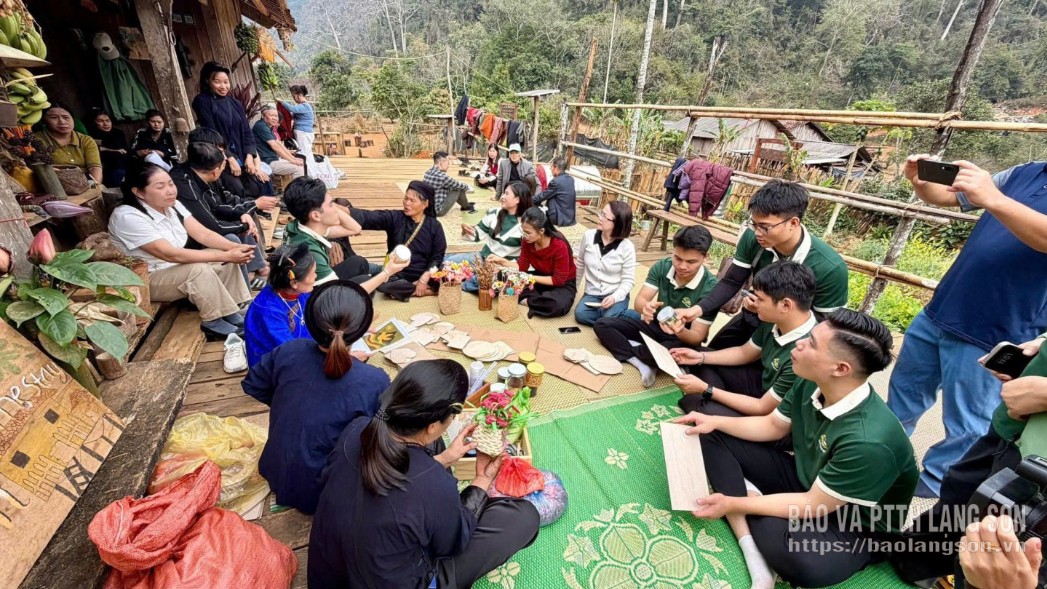
Ms. Pham Thi Huong, Head of the Lang Son Global Geopark Management Department, Center for Investment, Trade and Tourism Promotion, said: In January 2026, the unit organized training for 13 households in the Lan Nong residential area, inviting a group of trainees who had completed the "zero-cost" training course to directly guide them. This activity helps people quickly learn how to utilize agricultural by-products to make handicrafts, contributing to waste reduction, environmental protection, and aligning with the development orientation of experiential tourism and community tourism, gradually forming a chain of tourism products with a strong local character.
From a "zero-cost" green classroom, agricultural by-products, once considered waste, are now gradually making their way into the community, linked to experiential education, tourism, and local livelihoods. This approach demonstrates that when a community core is resilient and properly connected, small values can spread, creating positive changes in everyday life.
Source: https://baolangson.vn/lop-hoc-xanh-0-dong-5076377.html














































Comment (0)