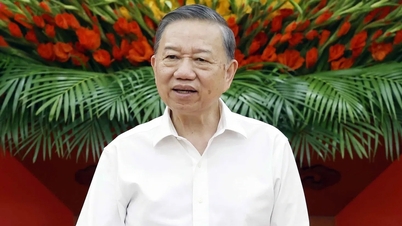
In Conclusion No. 126 issued on February 14th, the Politburo and the Secretariat assigned the Party Committee of the Government to preside over and coordinate with the Central Organization Committee, the Party Committee of the National Assembly, and relevant Party committees and organizations at all levels to study the orientation for merging some provincial-level administrative units.
Although still in the research phase, this issue is attracting significant public attention, especially regarding which provinces will merge and what the names of the new provinces will be. Nguoi Dua Tin (NDT) had an interview with National Assembly Deputy - Associate Professor Dr. Bui Hoai Son - Member of the National Assembly's Committee on Culture and Society, on this matter.
Criteria to consider when merging
Interviewer: Sir, recently, the Politburo and the Secretariat of the Central Committee requested a study on the direction of merging some provincial-level administrative units. Regarding this issue, what criteria, in your opinion, should we base our assessment on when merging provinces, especially considering the cultural, social, and demographic aspects?
Associate Professor Bui Hoai Son : I believe that the merger of provincial-level administrative units should be carried out on a scientific basis, cautiously, and in accordance with the country's development realities. This is not just a matter of administrative boundaries, but more fundamentally, it's about optimizing the administrative apparatus and creating stronger development momentum for each locality and the entire country.
For the merger to be effective, we need to base it on several important criteria, especially considering cultural, social, and demographic factors.
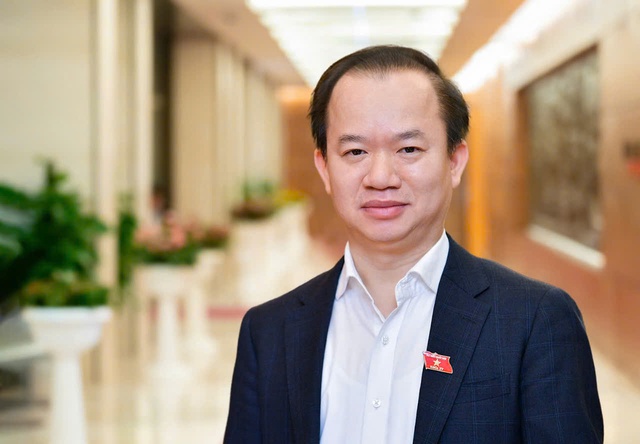
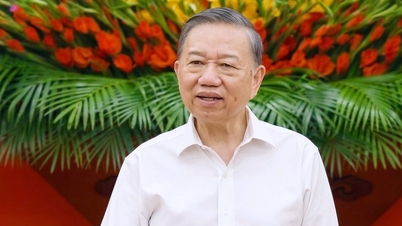
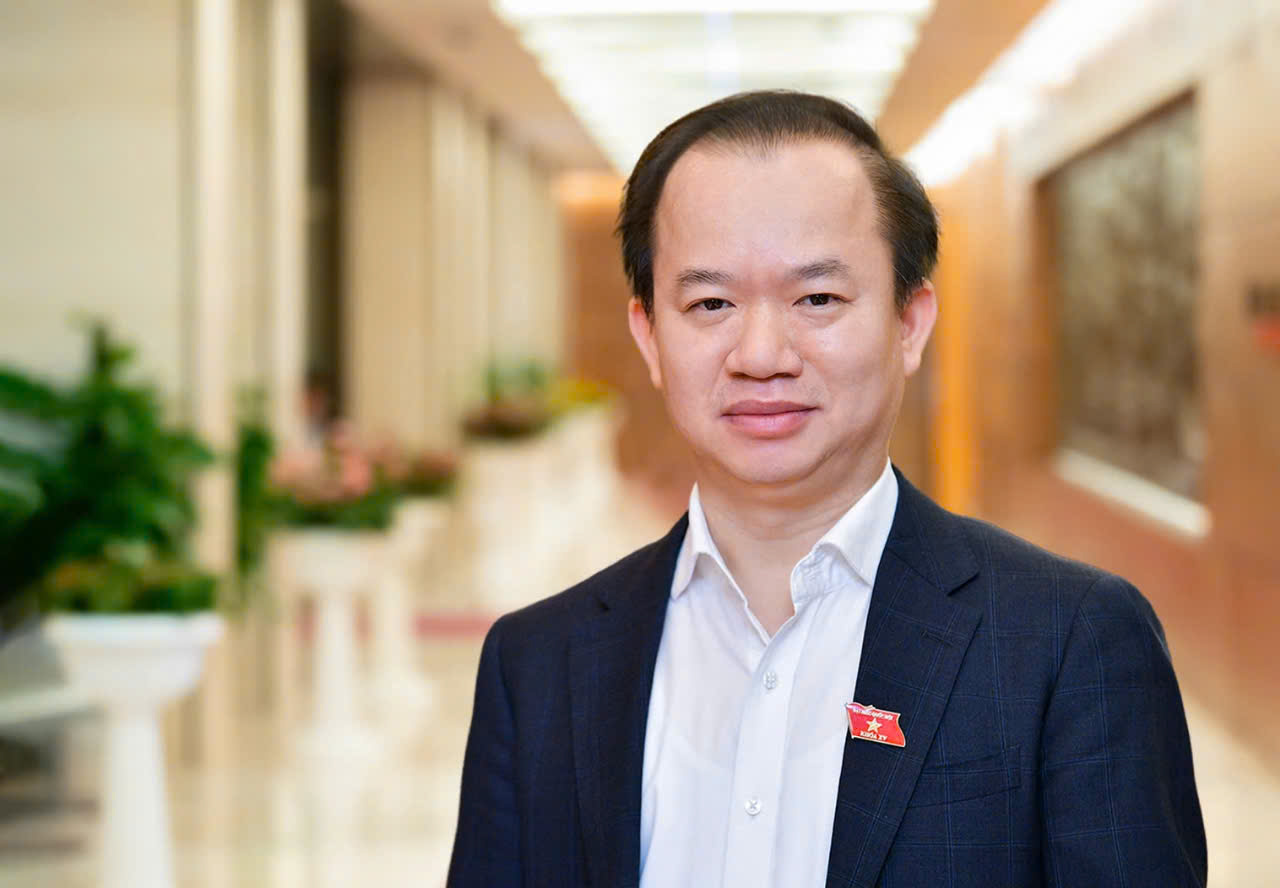
Assoc. Prof. Dr. Bui Hoai Son.
First, it is necessary to assess the cultural similarities between the provinces. Vietnam is a country with diverse cultural identities; each region has its own customs, traditions, and way of life. If the merger is not based on cultural similarities, it could lead to difficulties in management and administration and create a lack of cohesion within the community. Therefore, localities with similar cultural backgrounds and natural cultural exchange in social life would be more suitable choices for merger.
Localities with similar cultural backgrounds and natural intermingling in social life would be more suitable choices for mergers.
Demographic factors are also a crucial aspect. Population density, distribution, and living characteristics will significantly impact administrative organization and management after the merger. If the two provinces have significant differences in population size, living conditions, or development levels, coordinating resources can be challenging. Therefore, careful consideration is needed to ensure that after the merger, the government can operate effectively and meet the needs of the people.
Furthermore, the socio-economic development of the localities needs to be considered. Mergers must create synergy and promote overall development, not just be a matter of administrative reduction.
Provinces with similar economic structures, capable of supporting each other in long-term development strategies, will be better able to leverage their advantages after mergers. At the same time, it is necessary to consider the harmony in budget allocation and public investment to avoid creating imbalances between regions.
I believe that if mergers are carried out based on reasonable criteria, they will not only streamline the administrative apparatus and save budget resources but also open up new development opportunities for each locality. Most importantly, it is essential to ensure the consensus of the people, as they are the ones directly affected by these changes.
A sound and visionary merger strategy will help localities maximize their advantages, contributing to the country's strong rise in the new era – the era of national progress.
How do we choose a new name?
Interviewer: When merging provinces and cities, choosing a name for the new administrative unit will be a crucial issue. Should we revert to the old name of the former province or city, or create a new name? In your opinion, how can we choose a new name that ensures continuity and is appropriate for the new stage of development? How can we ensure that the new name does not erase the place names associated with the local history and culture?
Associate Professor Bui Hoai Son : Choosing a name for the new administrative unit after the merger of provinces and cities is not just a technical issue, but also carries profound cultural, historical, and local identity significance.
A name is not merely an administrative designation, but is also linked to collective memory, the pride of the people, and reflects the spirit of inheritance and development in the new era.
I think there are two main approaches to naming new administrative units. One is to restore the names of provinces and cities that have existed in history, as a way to honor and preserve local cultural and historical values. Many old place names carry stories and important milestones in the formation and development of the land; if reused, it will help people connect with the past, creating pride and cohesion within the community.
However, in many cases, creating a new name is also a reasonable option, especially when the merger involves combining several entities with different identities. A new name that is more broadly representative, not biased towards a specific locality, will help create consensus and avoid feelings of favoritism between regions. Importantly, the name must have a positive meaning, reflect the geographical, historical, and cultural characteristics of the entire merged area, and be in line with the development trends of the new era.
You may also like

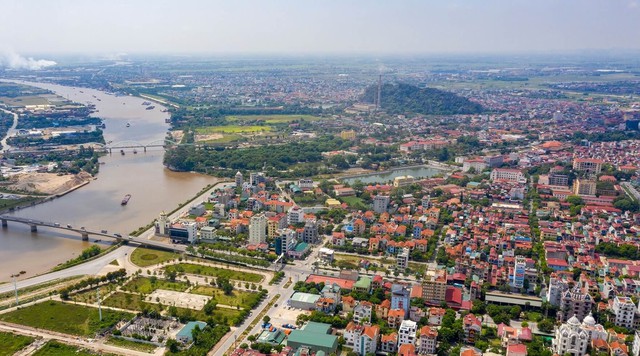
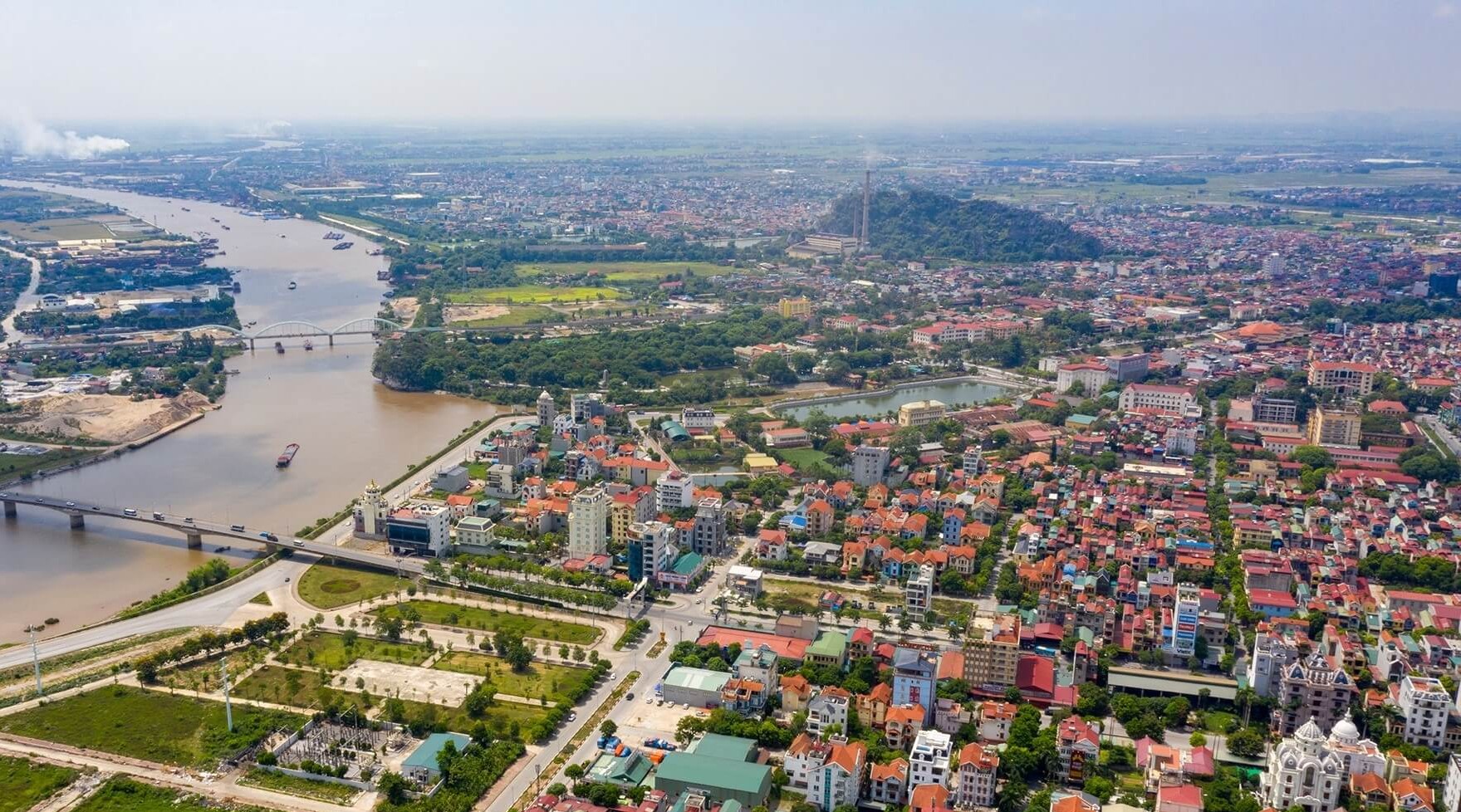
Tan Mai commune, located in the lake area, is boosting economic development.Following the administrative merger and the implementation of a two-tiered local government model, Tan Mai commune faces numerous challenges intertwined with opportunities. Through sound strategic direction and flexible approaches, the commune has gradually achieved significant progress in economic development, particularly in agriculture, forestry, and fisheries. An aerial view of Ninh Binh City (Ninh Binh province).
To ensure the preservation of heritage and avoid losing the distinctive character of old landmarks, we can apply many flexible solutions.
For example, if a new name is chosen, historical place names can be retained in administrative names at the district and commune levels, or become names associated with buildings, urban areas, tourist areas, schools, historical sites, etc. This will help maintain the connection between the past and the present, preventing the "disappearance" of important historical values.
Naming a new administrative unit requires not only careful consideration from the governing bodies, but also the participation and input of the local people themselves.
An iconic name, one that both inherits tradition and opens up a new vision for development, will be a strong bridge between tradition and the future, contributing to building a unique identity for each locality in the new development phase.
Interviewer: In public opinion, many people suggest using the old names of provinces and cities that once existed, such as Ha Nam Ninh, Hai Hung, Bac Thai, etc. What is your view on this opinion?
Associate Professor Bui Hoai Son : I believe that restoring the old names of provinces and cities that once existed, such as Ha Nam Ninh, Hai Hung, Bac Thai, Phu Khanh, etc., is a worthwhile idea, because these place names not only hold historical value but are also closely linked to the memories of many generations of people.
When these names are mentioned, people not only remember an administrative unit but also evoke cultural imprints and regional characteristics that once existed, creating community cohesion and local pride.
Reusing the old names could be a solution to make the merger process easier psychologically and socially. People from localities that were once part of the same administrative unit will have a certain level of familiarity, facilitating the consolidation and subsequent governance.
Furthermore, this also helps avoid unnecessary debates about the new name, as these are names that have been historically recognized and are highly accepted within the community.
However, this approach is not suitable or advisable in every case. Some provinces, after separation, have undergone significant changes in appearance, economy, society, and regional identity. Simply reusing the old name without considering the changes in reality may no longer be appropriate for the current development situation. In such cases, finding a new name that is comprehensive and accurately reflects the characteristics of the merged region would be a reasonable choice.
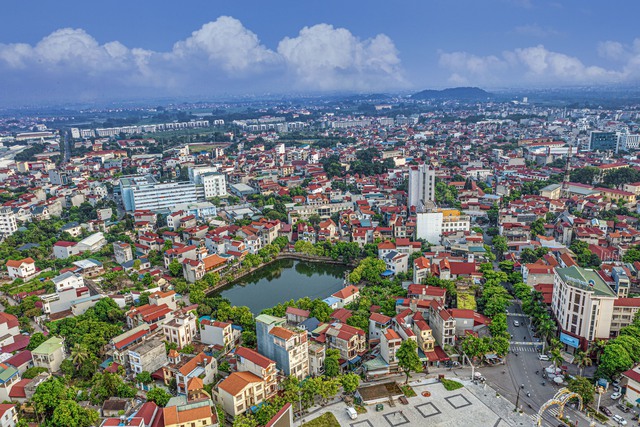
The merger was carried out based on reasonable criteria, not only streamlining the administrative apparatus and saving budget but also opening up new development opportunities for each locality.
Most importantly, we must listen to the opinions of the people and experts before deciding on a name for the new administrative unit.
If an old place name can evoke pride, a sense of belonging, and is relevant to the current context, then reusing it is a good approach. However, if a new name is needed to accurately reflect the identity and development of the area, careful consideration is required to ensure that the name both inherits the heritage and opens up a new vision for the future.
Interviewer: In reality, the merger of some communes, wards, or districts in recent times shows that because each administrative unit has its own unique characteristics, when naming the new administrative unit after the merger, everyone wants to retain their own name. This leads to the new name being formed by combining two words from the two old administrative units. In your opinion, is this approach optimal?
Associate Professor Bui Hoai Son : I think that combining the words of two old administrative units to create a new name is a compromise, but not necessarily the optimal approach. This is because each place name carries its own rich history, culture, and identity. By only taking a part of the name and combining it with another place name, one might inadvertently lose the complete meaning and dilute the unique character of each region.
However, this method of combining names often creates new place names that sound somewhat awkward, unnatural, and lack connection to the historical and cultural characteristics of the area.
Furthermore, some combined names can be lengthy, difficult to pronounce, hard to remember, and in some cases even controversial, as people feel that parts of their locality's name have been omitted or not fully represented. This can affect community morale and reduce consensus during the merger process.
Instead of applying a mechanical naming convention, we need to consider more important criteria, such as historical, geographical, or cultural factors, or a common symbol that represents the entire region.
If one of the two old place names has special significance or is deeply ingrained in the local consciousness, retaining that name might be a reasonable option. Alternatively, a new name could be researched that both reflects the characteristics of the merged area and ensures continuity, avoiding unnecessary disputes.
A name is not just an administrative designation, but also a symbol of the unity, pride, and developmental spirit of an entire community. Therefore, a more flexible and creative approach is needed, instead of simply combining letters from old place names.
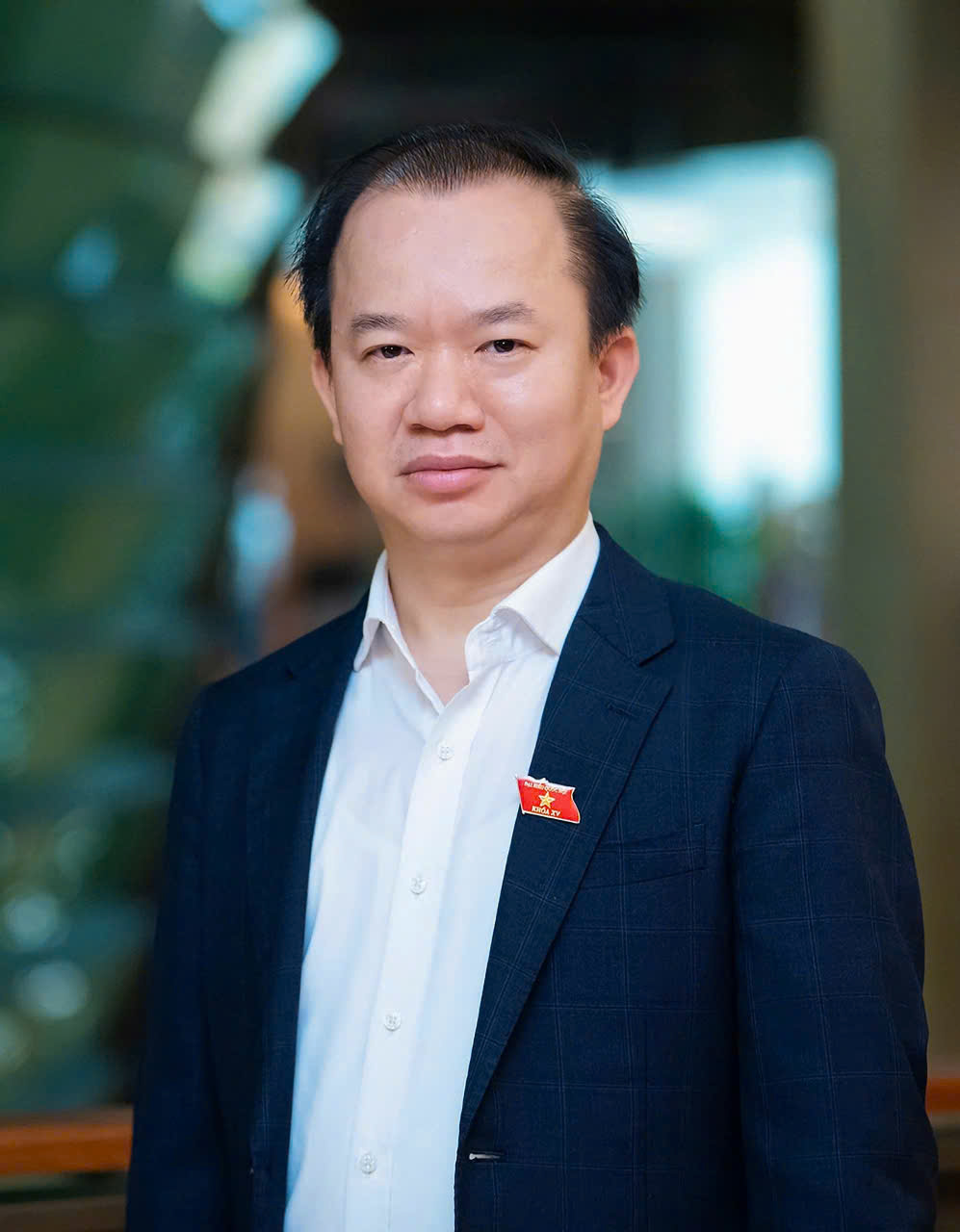
Assoc. Prof. Dr. Bui Hoai Son
A name is not just an administrative designation, but also a symbol of the unity, pride, and spirit of development of an entire community.
Community consensus is required.
Interviewer: How do you assess the necessity of consulting the community and stakeholders when proposing and deciding on a new name?
Associate Professor Bui Hoai Son : Consulting with the community and stakeholders when proposing and deciding on a new name is extremely necessary. As I said, a place name is not just a simple administrative designation, but is also linked to the history, culture, and identity of an entire region and its people.
Therefore, the decision on the new name cannot be a top-down process, but requires the participation of the local people, experts in history, culture, and language, as well as relevant management agencies.
When a new name is chosen based on broad consensus, it fosters community cohesion, instilling pride and a sense of responsibility in the people for their land. Conversely, if naming is based solely on administrative decisions without consultation with the people, it can easily lead to debates and even negative reactions, hindering the implementation of future policies.
There are many ways to conduct effective consultations. Authorities can organize surveys, solicit opinions through workshops and forums, or even through digital media channels. This not only helps gather diverse perspectives but also makes citizens feel respected and empowered in important decisions concerning their local area.
Therefore, I believe that a name is not just a designation, but also a symbol of unity, pride, and the spirit of local development. Thus, consulting with the community and stakeholders is not only a necessary step but also a crucial element in ensuring the rationality, sustainability, and long-term vitality of a new place name.
Investor: Thank you for your insightful sharing.
nguoiduatin.vn
Source: https://www.nguoiduatin.vn/lua-chon-ten-nao-cho-cac-tinh-sau-sap-nhap-204250223190642707.htm





![[Photo] General Secretary and President To Lam receives Palestinian Ambassador Saadi Salama](https://vphoto.vietnam.vn/thumb/1200x675/vietnam/resource/IMAGE/2026/06/25/1782365384740_a1-bnd-9423-8322-jpg.webp)


![[Image] Ho Chi Minh City: Ma Lang area, Chicken-Rice Market about to change its appearance](https://vphoto.vietnam.vn/thumb/1200x675/vietnam/resource/IMAGE/2026/06/25/1782377698627_ndo_br_m1-jpg.webp)

![[Image] Schools organize meetings and introduce teaching models to students admitted to grade 10.](https://vphoto.vietnam.vn/thumb/1200x675/vietnam/resource/IMAGE/2026/06/25/1782368077271_ndo_br_z7970052192242-1ec8daeb77a6eed1a4e9f58c564ddd3e-jpg.webp)