

The Party and State of Vietnam have identified sustainable poverty reduction as a major, important, consistent, and overarching policy throughout the process of implementing reforms, building, and developing the country towards socialism.
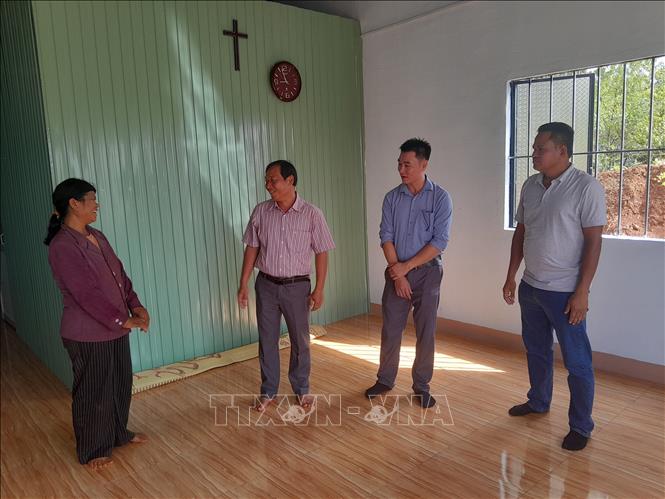
Mobilizing resources to achieve sustainable poverty reduction goals.
The Constitution of the Socialist Republic of Vietnam stipulates: Citizens have the right to social security; the State creates equal opportunities for citizens to enjoy social welfare, develops the social security system, and has policies to assist the elderly, people with disabilities, the poor, and other disadvantaged people...
Poverty reduction is a key component of Vietnam's social security system; therefore, effectively implementing poverty reduction efforts contributes to ensuring human rights. During the 2021-2025 period, significant achievements were made in poverty reduction: Poverty reduction results met and exceeded the targets set by the National Assembly and the Government. The poverty rate decreased from 5.2% (at the beginning of the period) to 1.93% in 2024, and is projected to decrease to approximately 0.9-1.1% by the end of 2025; the poverty rate among ethnic minorities is at 12.55% (a decrease of 4.45% per year).
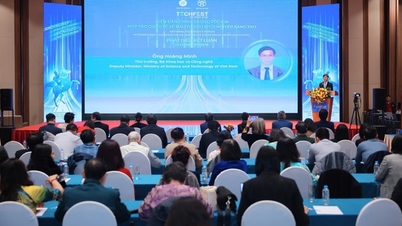
Mr. Pham Hong Dao, Deputy Head of the National Office for Poverty Reduction, stated that Vietnam has issued national poverty standards eight times, based on a poverty reduction pyramid model, meeting the needs of the poor from lowest to highest levels, in line with the socio -economic conditions of the country in each period. Vietnam is one of the first 30 countries in the world and one of the first countries in Asia to apply a multidimensional poverty standard, ensuring a minimum standard of living linked to sustainable development goals.
The material and spiritual lives of the people, especially those living in poor areas and areas with special difficulties, have been improved and enhanced. In particular, the National Target Program for Sustainable Poverty Reduction giai đoạn 2021-2025 has actively integrated gender perspectives into its activities, ensuring gender equality and supporting women and girls in poor areas, contributing to the achievement of the goals of the 2030 Agenda for Sustainable Development.
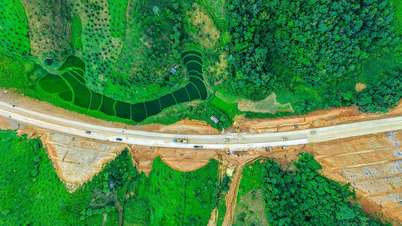
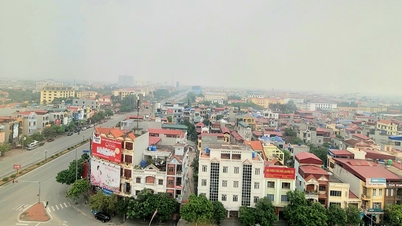
Essential socio-economic infrastructure and regional linkages have been prioritized for investment, transforming the face of poor and disadvantaged areas, contributing to narrowing the regional gap, promoting economic growth and economic restructuring; many localities have strived to escape poverty, especially in extremely difficult circumstances. The emulation movement: "For the poor - Leaving no one behind" for the period 2021-2025, launched by the Prime Minister , has been widely implemented.
The government has closely coordinated with the Central Committee of the Vietnam Fatherland Front to organize and implement emulation movements, fostering a spirit of self-reliance and self-improvement to overcome poverty, mobilizing resources to achieve sustainable poverty reduction goals; identifying and replicating effective poverty reduction models and initiatives, helping poor households rise out of poverty.
The National Assembly and the Government have allocated resources to implement a system of regular poverty reduction policies aimed at supporting all aspects of socio-economic life for poor households, such as: preferential credit policies; vocational training policies; support for laborers from poor households and ethnic minorities to work abroad for a limited period; policies supporting healthcare, education, housing, clean water, sanitation, and electricity subsidies; and legal aid policies.
Vietnam has issued a multidimensional poverty standard for the 2021-2025 period, with criteria defining poor households based on income and lack of access to basic social services being raised compared to the 2016-2020 period. Measurement indicators have been updated and supplemented to better identify the nature of poverty. Furthermore, the government is paying attention to and compensating for the lack of basic social services for the poor; the current poverty reduction and social security policy system is being improved and enhanced to suit practical conditions.
Alongside the ongoing poverty reduction policy system, in 2021, the National Assembly issued Resolution No. 24/2021/QH15 approving the investment plan for the National Target Program on Sustainable Poverty Reduction for the period 2021-2025, contributing to addressing key, urgent, and targeted poverty issues with timeframes and ensuring human rights.
Programs, movements, and campaigns "for the poor" (such as the "Nationwide Solidarity for the Poor - Leaving No One Behind" movement; the campaign to support the construction of schools in border communes; the nationwide campaign to eliminate temporary and dilapidated houses...) are regularly implemented, mobilizing resources, spreading the spirit of volunteerism, and calling on the masses to join hands in support. The goal is for Vietnam to achieve the complete elimination of temporary and dilapidated houses for poor households by the end of 2025.
Applying digital transformation and high technology in poverty reduction.
In the coming period, all levels and sectors will continue to strengthen propaganda and education to raise awareness in poverty reduction; strongly promote the tradition of solidarity and the spirit of "mutual support and compassion" of the Vietnamese people towards the poor. At the same time, they will encourage and guide the poor and poor households to acquire knowledge and experience in labor and production, proactively striving to escape poverty without relying on assistance from the State and society; and promptly introduce individuals, groups, models, and successful experiences in sustainable poverty reduction.
Localities and units should effectively build and implement the emulation movement "For the poor - Leaving no one behind" for the period 2026-2035, arousing the spirit of self-reliance and self-improvement, developing internal strengths to overcome poverty, building a prosperous life for people and communities, and striving "For a Vietnam free from hunger and poverty".
Sharing some key tasks in poverty reduction efforts in the coming period, Deputy Head of the National Office for Poverty Reduction Pham Hong Dao said:
The multidimensional poverty standard for the 2026-2030 period is developed using a multidimensional poverty measurement method that takes into account regional specificities, ensuring accurate measurement of poverty status in the direction of guaranteeing a minimum standard of living and access to basic social services. This serves as a basis for accurately and comprehensively identifying poor and near-poor households to implement poverty reduction and social security policies and programs nationwide, and as a basis for determining and achieving poverty reduction goals and targets of the Party, the National Assembly, and the Government, with some contents expected to change compared to the poverty standard for the 2021-2025 period.
In order to ensure that the number of poor and near-poor households does not increase significantly during the 2026-2030 period, and to ensure the state budget's capacity to implement policies for the poor during the 2026-2030 period, and to gradually implement the resolution of the Central Committee of the Party and the directives of the Secretariat, the proposed income criteria in the national multidimensional poverty standard for the 2026-2030 period are equivalent to the minimum living standard in 2028 as follows: 2.8 million VND/person/month in urban areas and 2.2 million VND/person/month in rural areas.
For some criteria related to access to basic social services, the indicator for means of accessing information is removed; the indicator for the use of telecommunications and digital services is adjusted as follows: Households with no members using the Internet and digital services such as digital banking and public services. Changes are made to the indicator measuring access to clean water and sanitary toilets (feces); an indicator measuring the lack of basic social services related to waste disposal is added; further research is being conducted on adding indicators such as the level of impact from natural disasters, storms, and floods.
The National Office for Poverty Reduction is submitting a report to the Government and the National Assembly for consideration and approval of the National Target Program for Building New Rural Areas and Sustainable Poverty Reduction for the period 2026-2035, based on continuing to build on the achievements, overcoming the shortcomings that the 2021-2025 Program did not thoroughly address, with some new orientation contents such as:
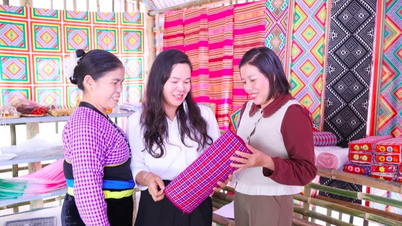
Integrating poverty reduction into comprehensive and sustainable rural development; incorporating poverty reduction into the framework of building new rural areas, linked to ecological and modern economic development, such as restructuring agriculture to reduce emissions, applying VietGAP/GlobalGAP, developing green OCOP products, community-based rural tourism, and sustainable value chains. Prioritizing the development of diverse livelihood models suitable to local ecology and culture, aiming for "together we can prosper" instead of just providing temporary support.
The program also sets out the following goals: applying digital transformation and high technology in poverty reduction; developing sustainable livelihoods and employment, expanding into urban areas; strengthening gender equality, protecting vulnerable groups and social security; decentralization, transparent monitoring and community role, specifically.
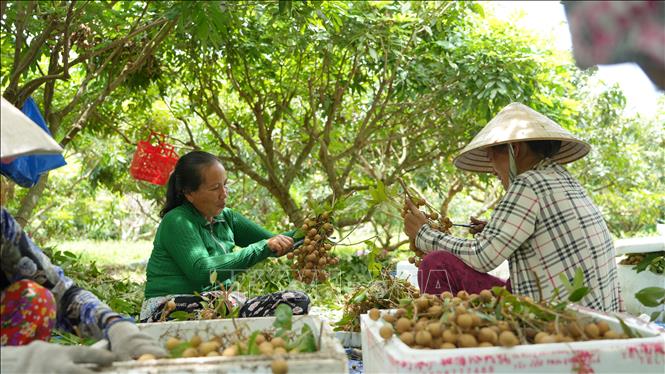
The State plays a leading role in ensuring resources while maximizing the mobilization of social resources to participate in sustainable poverty reduction; promoting the effective mobilization and use of domestic and international resources for poverty reduction; focusing on developing production and vocational education for the poor; investing in the development of socio-economic infrastructure in poor and particularly disadvantaged communes; and improving the efficiency of state management in the field of poverty reduction by focusing on a unified management authority.
Furthermore, it is necessary to implement digital transformation in the field of poverty reduction; strictly control and evaluate the effectiveness of investment resources; consolidate the organizational structure and improve the operational efficiency of state management agencies and poverty reduction coordination agencies at all levels; and build a professional staff to meet the requirements of the task. Mobilize and effectively utilize domestic and international resources for poverty reduction; and improve mechanisms to encourage and mobilize the participation of organizations and businesses in supporting the poor and impoverished areas to overcome difficulties and build a prosperous life.
Source: https://baotintuc.vn/xa-hoi/ngay-vi-nguoi-ngheo-viet-nam-khoi-day-y-chi-phat-huy-noi-luc-vuon-len-thoat-ngheo-20251017073644593.htm


![[Photo] Prime Minister Pham Minh Chinh attends the Conference summarizing and implementing tasks of the judicial sector.](/_next/image?url=https%3A%2F%2Fvphoto.vietnam.vn%2Fthumb%2F1200x675%2Fvietnam%2Fresource%2FIMAGE%2F2025%2F12%2F13%2F1765616082148_dsc-5565-jpg.webp&w=3840&q=75)












































































Comment (0)