

TRAFFIC CONGESTION
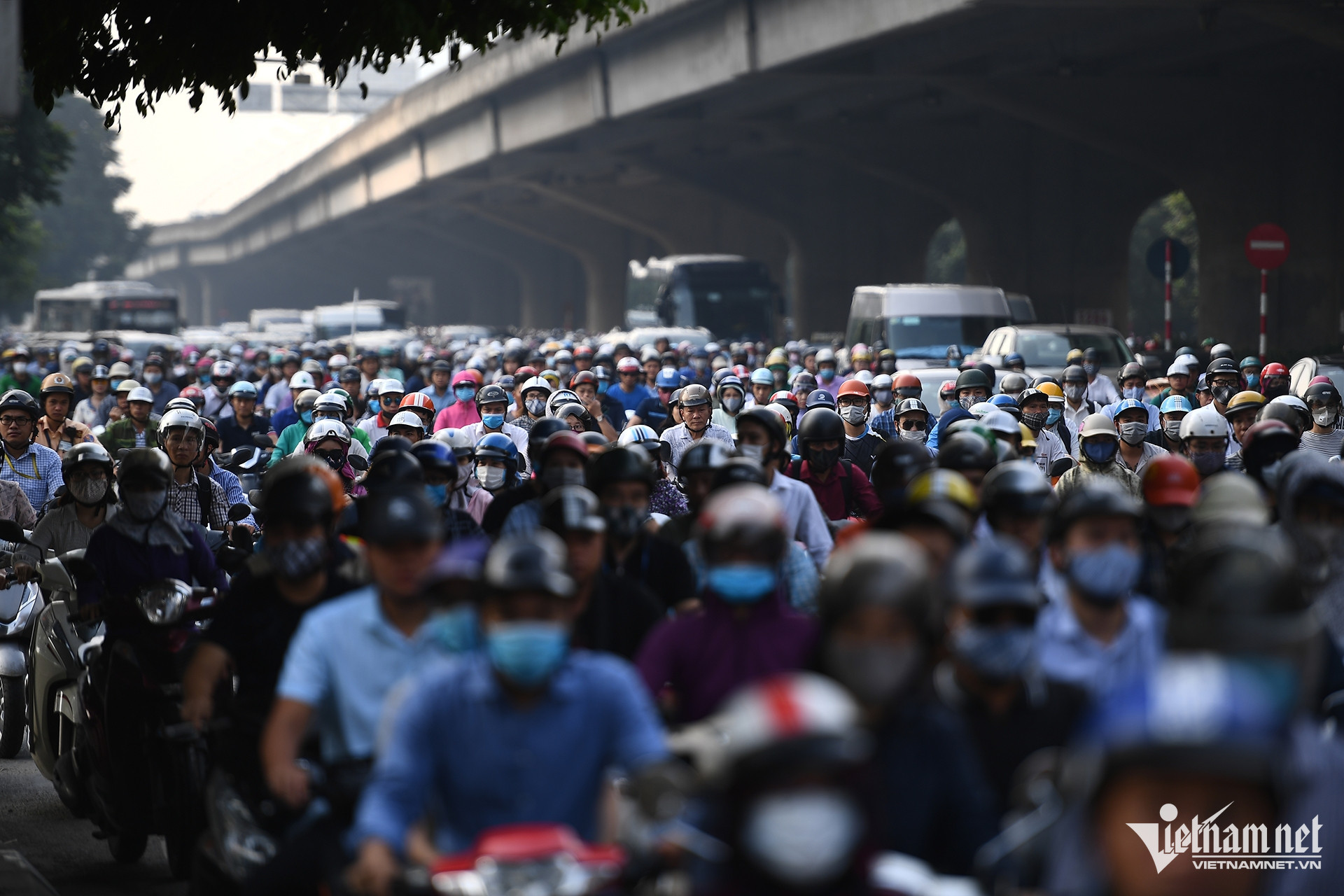
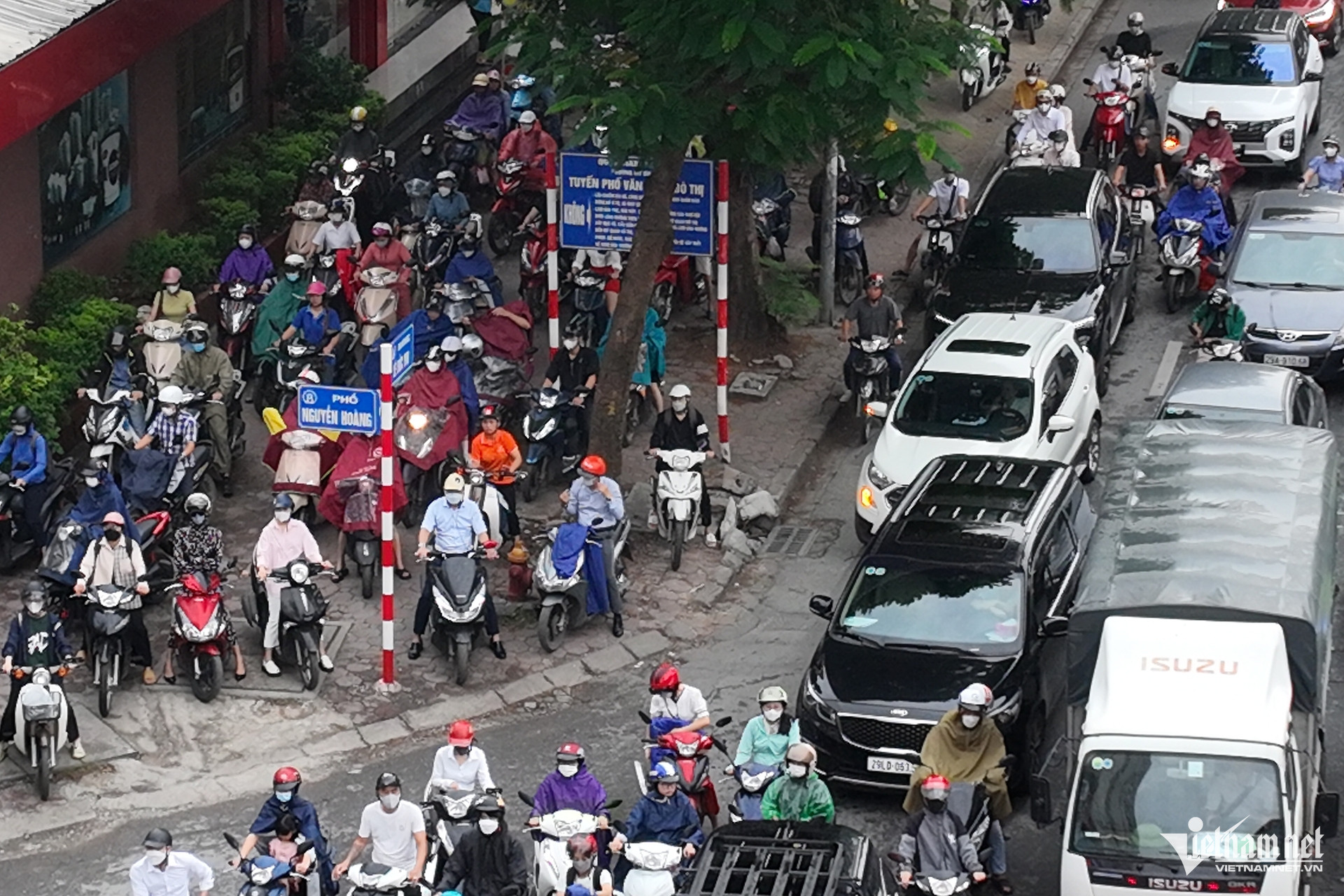
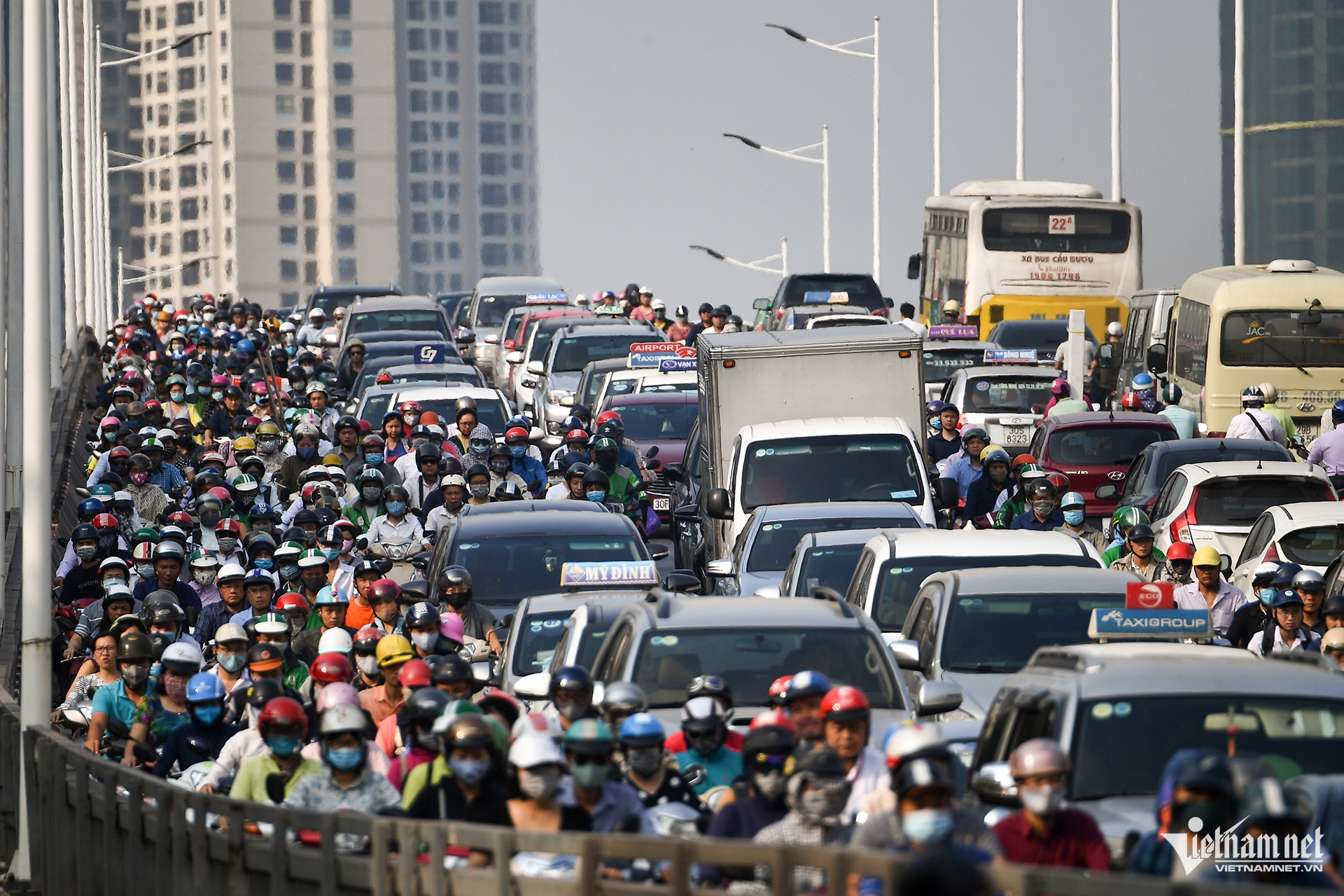
Traffic congestion and overloaded infrastructure have been a long-standing problem in the capital city. This stems from the rapid population growth, the increasing number of private vehicles, and limitations in planning and the lack of coordinated development of transportation infrastructure.
In recent years, the number of cars and motorbikes in Hanoi has continuously increased rapidly, far exceeding the capacity of the existing road system. While the number of vehicles continues to grow, the land area allocated for transportation has hardly expanded, making traffic congestion even more serious.
The ring roads (such as Ring Road 4 and Ring Road 3.5) are not yet complete. Some intersections, despite organizational adjustments, are still not operating at their maximum efficiency. The application of intelligent transportation technologies (ITS, AI) is being implemented but is not yet widespread. Traffic violations such as lane encroachment, running red lights, and entering prohibited areas are still common; even minor collisions can cause prolonged traffic jams.
---
OVERLOADED DRAINAGE SYSTEM
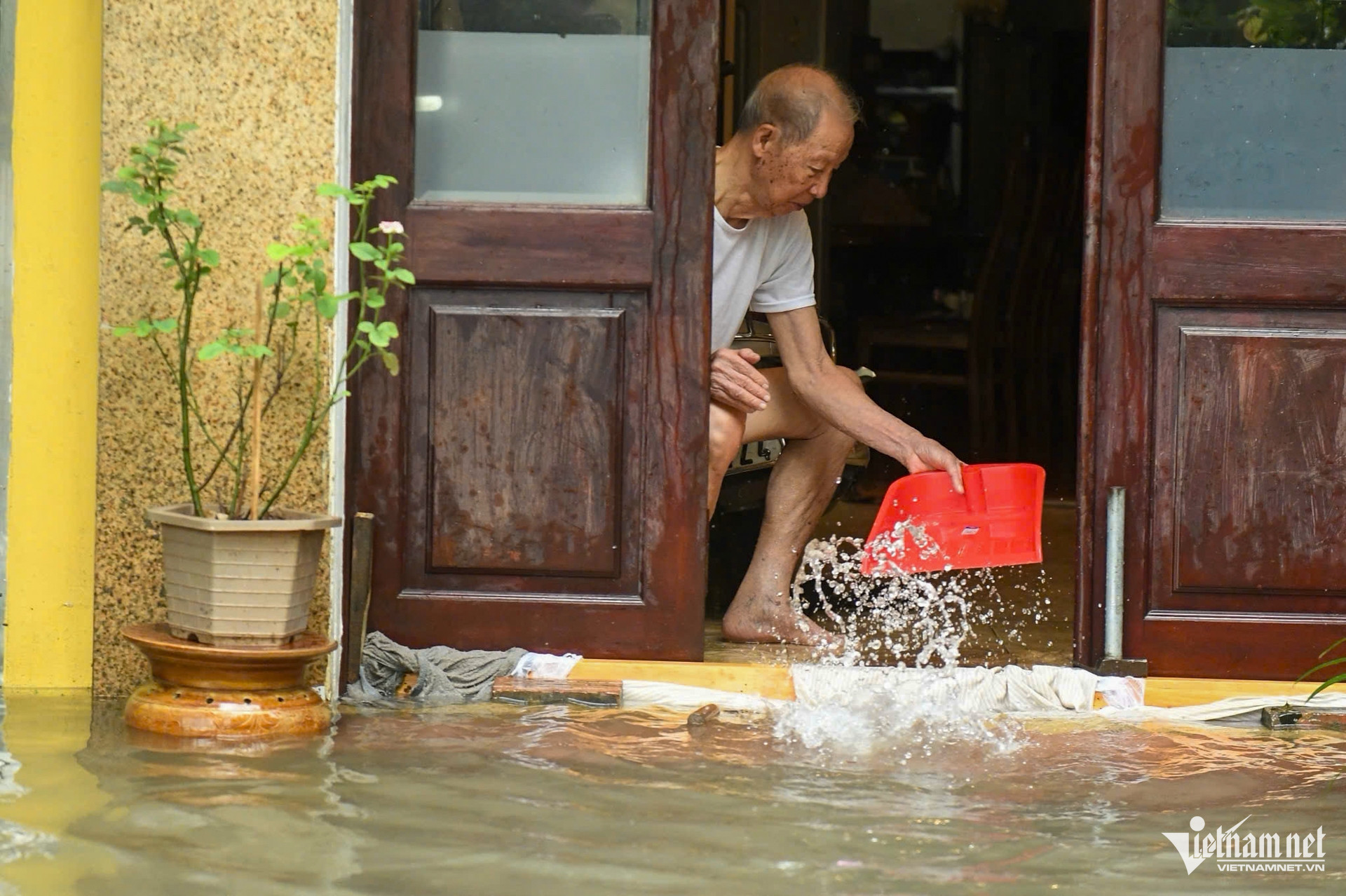


Photo: Thach Thao
The city's drainage infrastructure has not kept pace with the rapid rate of urbanization, and many newly built areas lack a comprehensive drainage system.
Furthermore, the increase in construction and roads has significantly reduced the area of open land and reservoirs capable of naturally infiltrating water into the ground. Rainwater has nowhere to drain quickly and accumulates on the surface, causing flooding.
Furthermore, due to the impact of climate change, extreme weather events, such as heavy rainfall concentrated in short periods with high intensity, are occurring more frequently, exceeding the design capacity of the current drainage system.
---
AIR POLLUTION
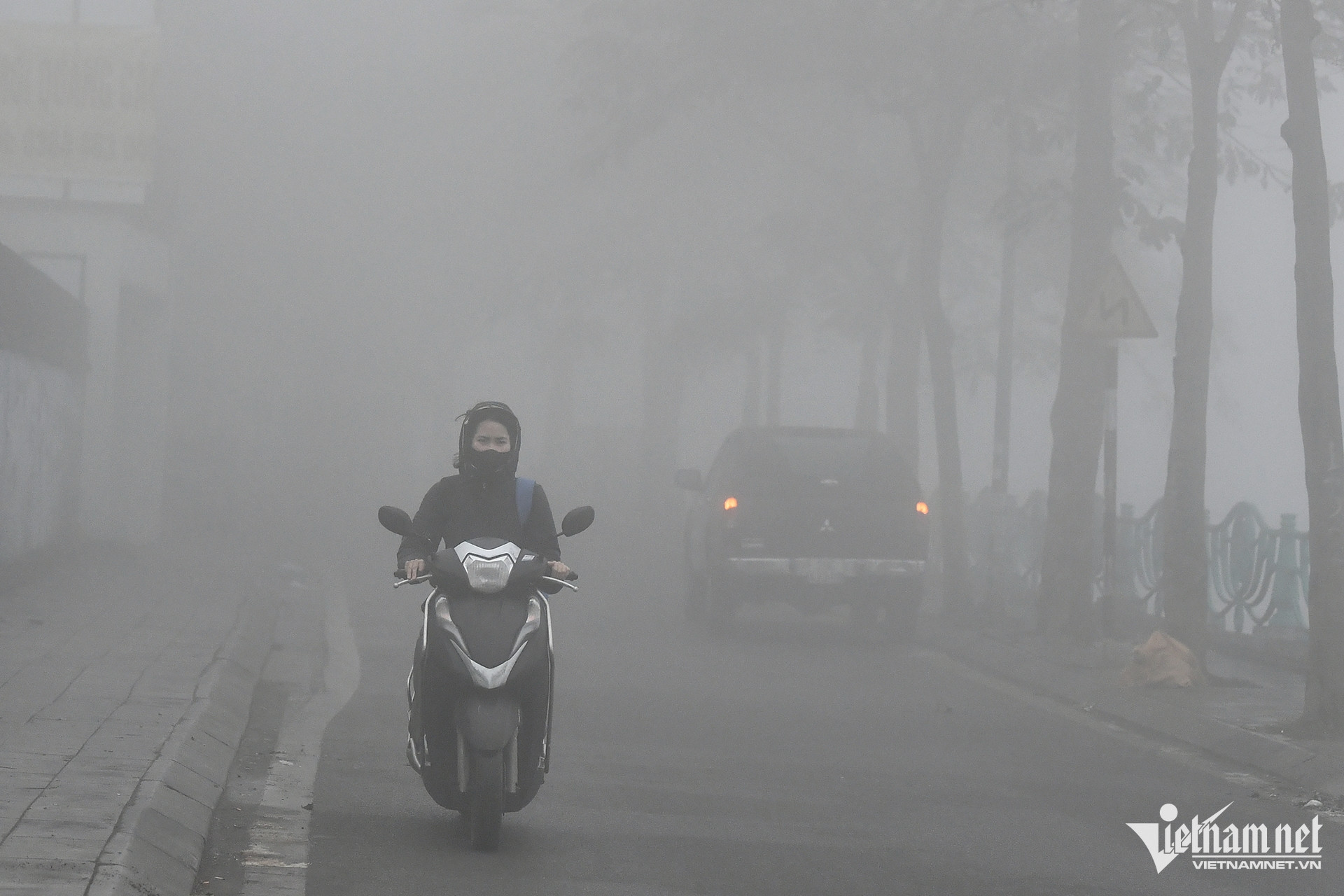
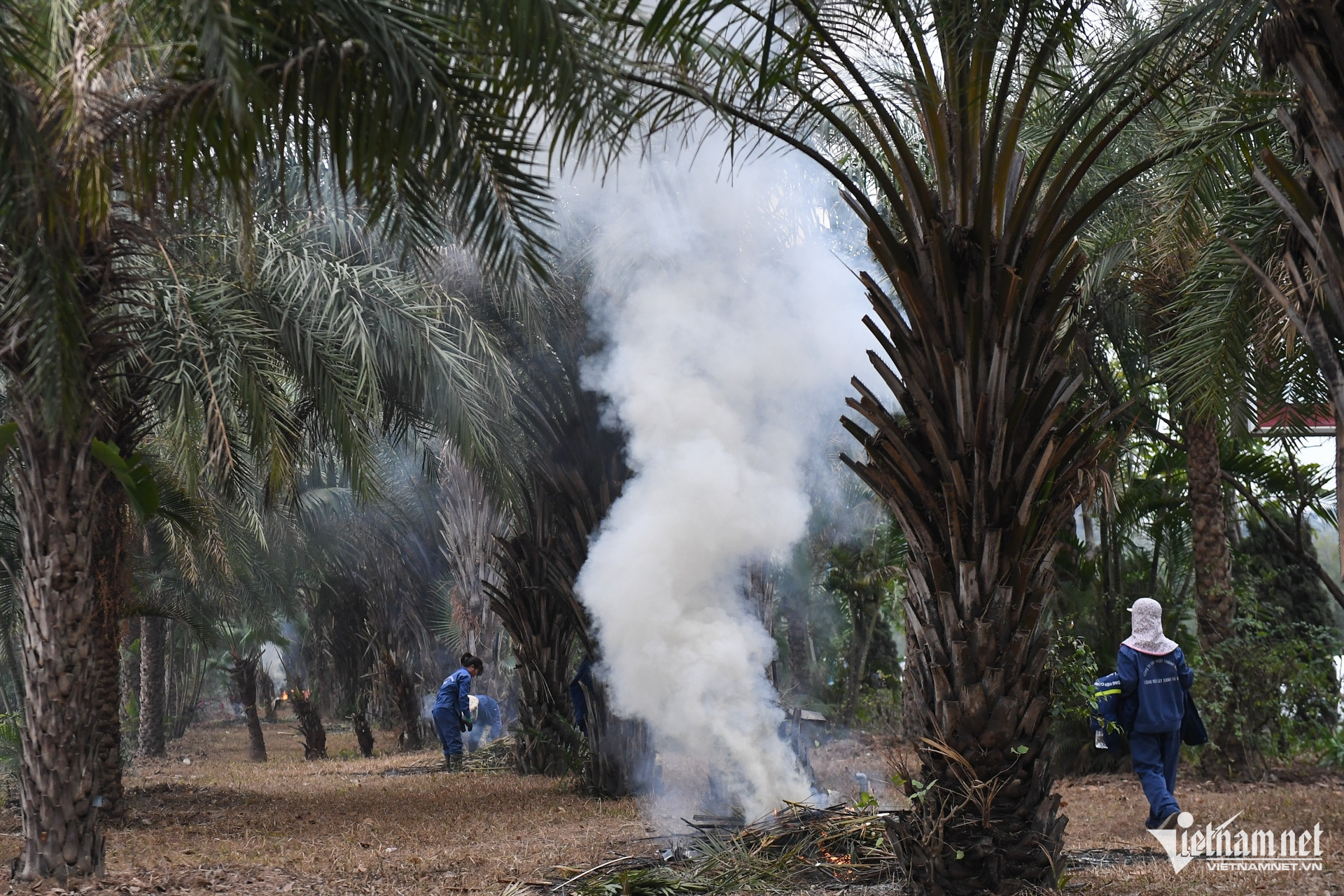
Photo: Thach Thao
Air pollution: Air quality is frequently at alarming levels, threatening public health, with the main causes identified as traffic, industrial zones, craft villages, and other emission sources.
According to IQAir (formerly IQAir AirVisual), a Swiss-based air quality technology company that operates an air quality information platform, Hanoi consistently ranks among the top 10 most air-polluted cities in the world , even reaching number 1 during peak pollution periods (typically from October to March of the following year).
---
WATER POLLUTION
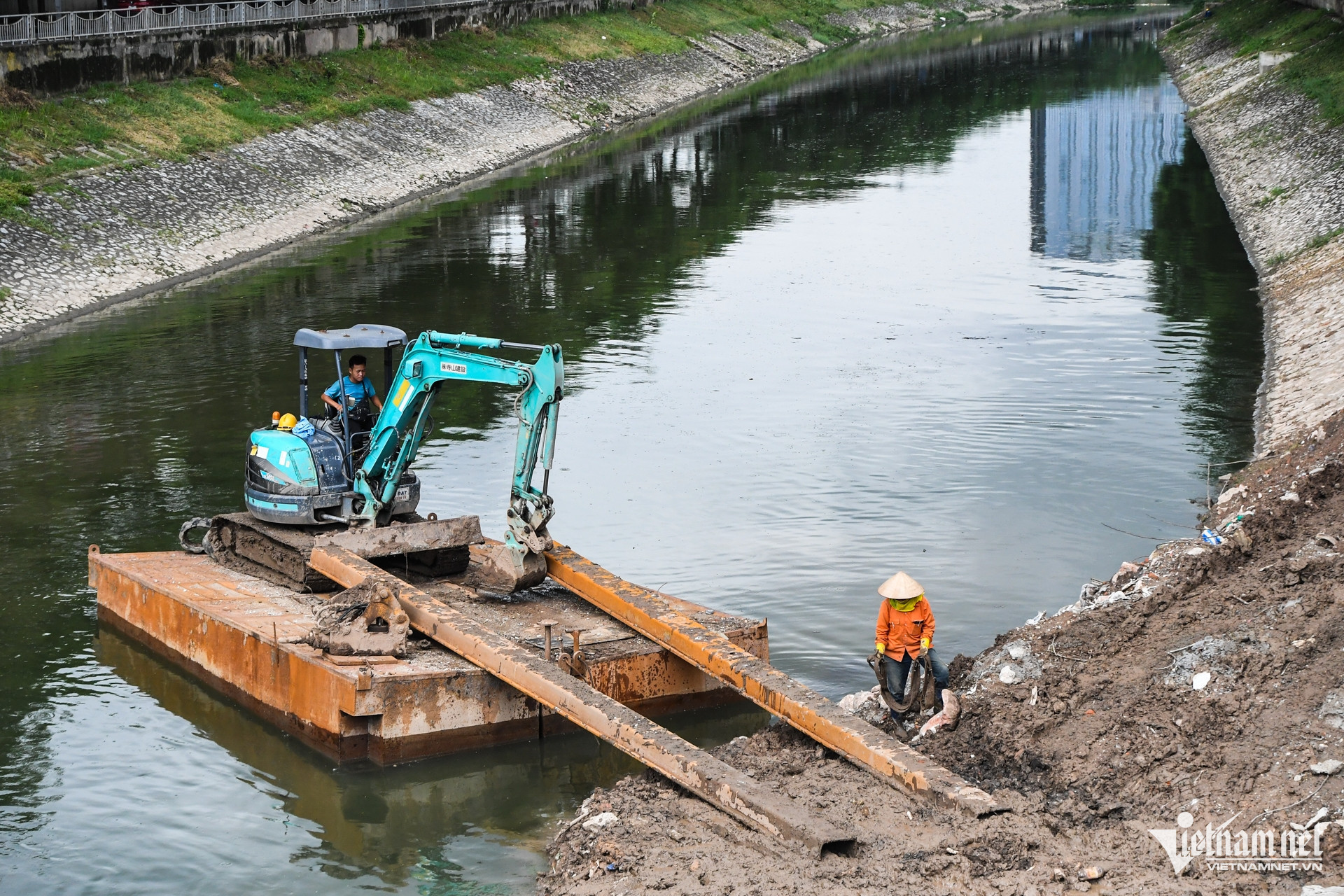

Photo: Thach Thao
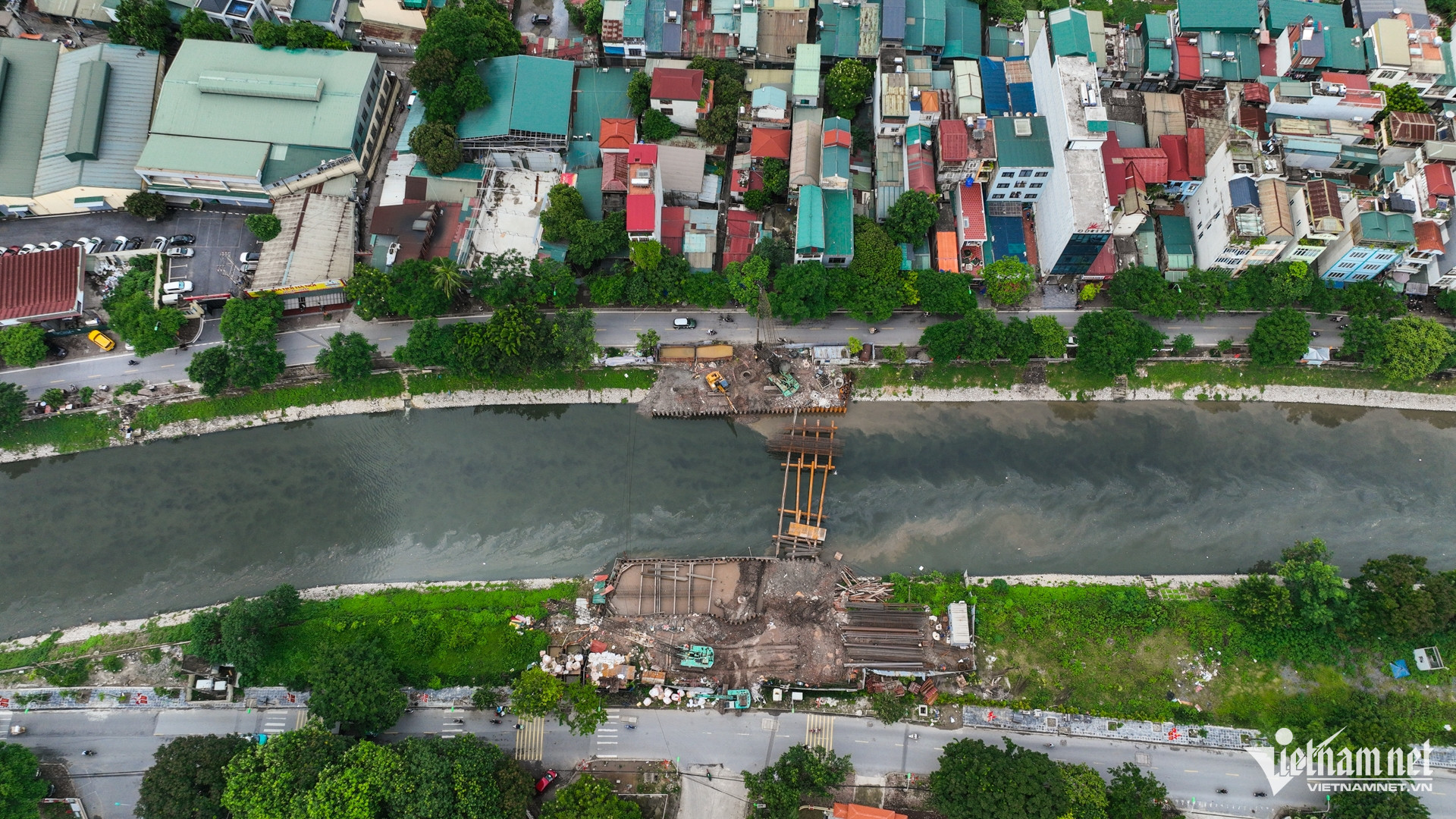
Water pollution: The problem of untreated urban wastewater, wastewater from residential areas, industrial zones, and craft villages is causing pollution of rivers, lakes, and groundwater sources.
A typical example is the pollution of the To Lich River, where hundreds of sewage pipes discharge untreated domestic wastewater from households and businesses along the riverbank directly into the river, which is the main cause of pollution.
To revitalize the To Lich River, before September 2nd, the city implemented an immediate solution: supplementing the river with water from West Lake. By early September, the city completed the replenishment of the To Lich River with treated wastewater from the Yen Xa Plant, with a capacity of approximately 230,000 cubic meters per day.
---
ISSUES OF URBAN MANAGEMENT AND ORDER
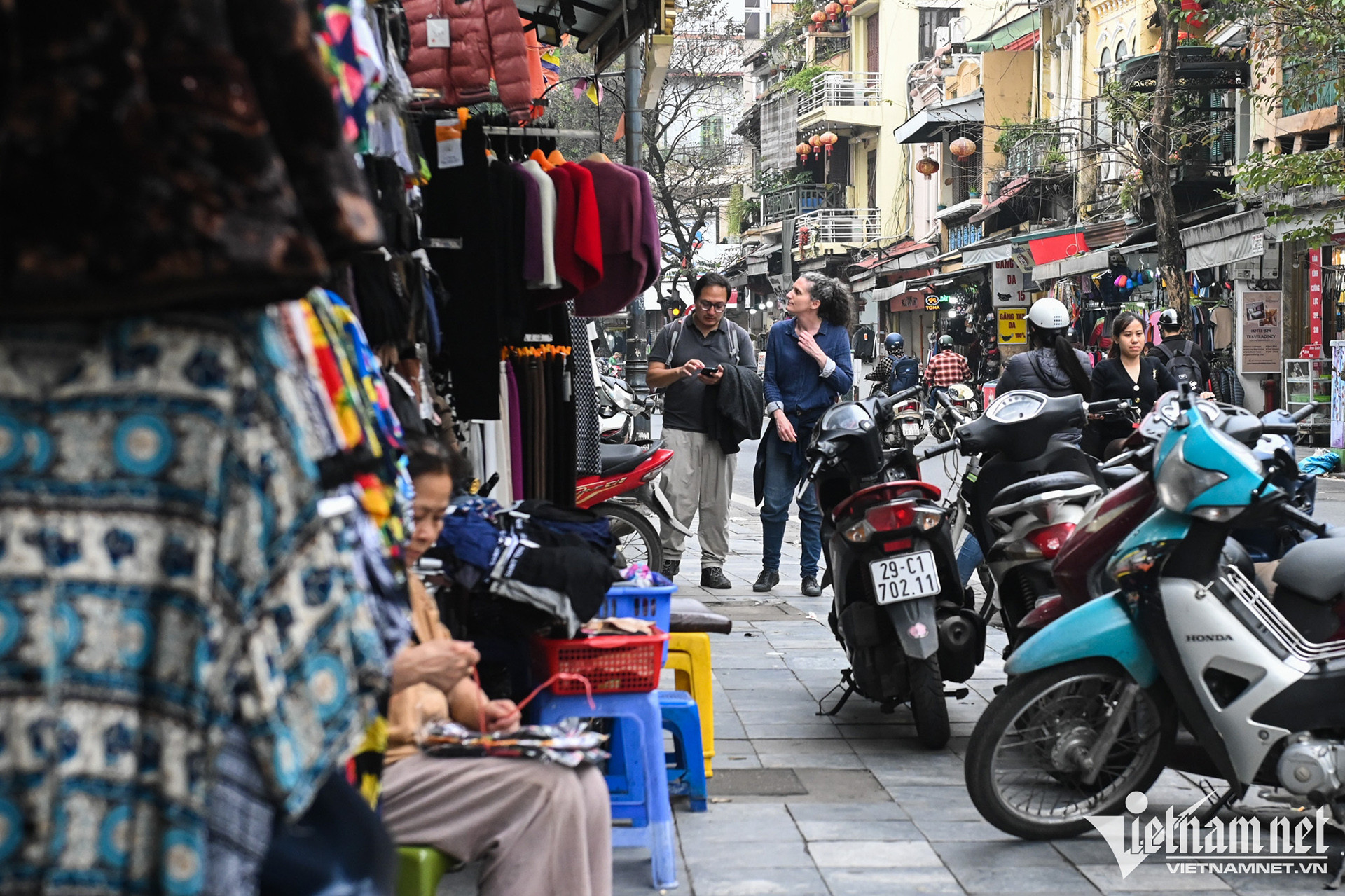
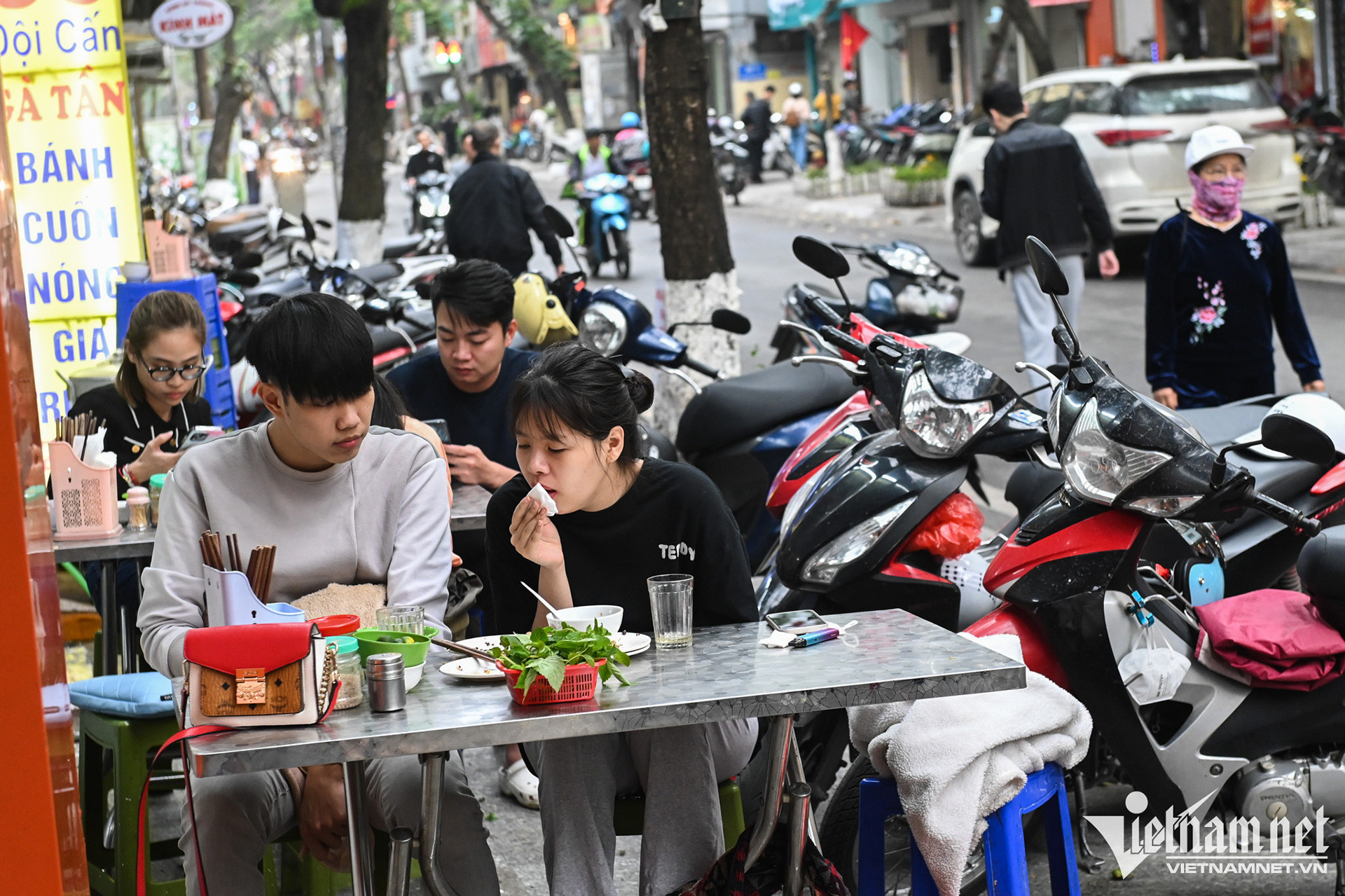
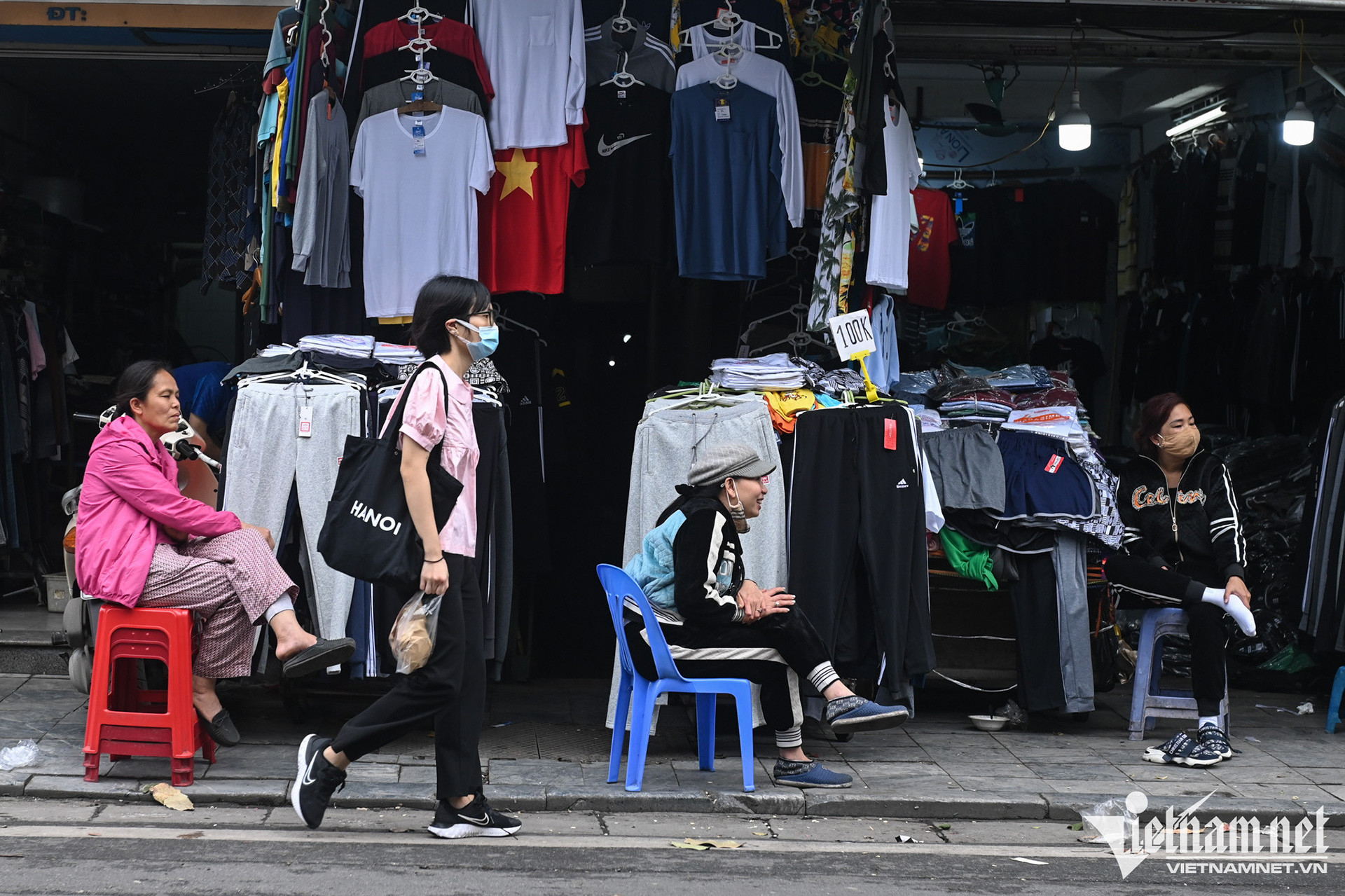
Photo: Thach Thao
Urban management: Many long-standing urban problems need to be resolved definitively, including managing construction order, sidewalk usage, and overcrowded urban areas.
Hanoi has organized numerous campaigns to crack down on sidewalk encroachment. The largest campaign took place in early 2017. This campaign yielded positive initial results, with many streets becoming more open and cleaner, and sidewalks being "reclaimed" for pedestrians. However, after these campaigns, re-encroachment continues to occur.
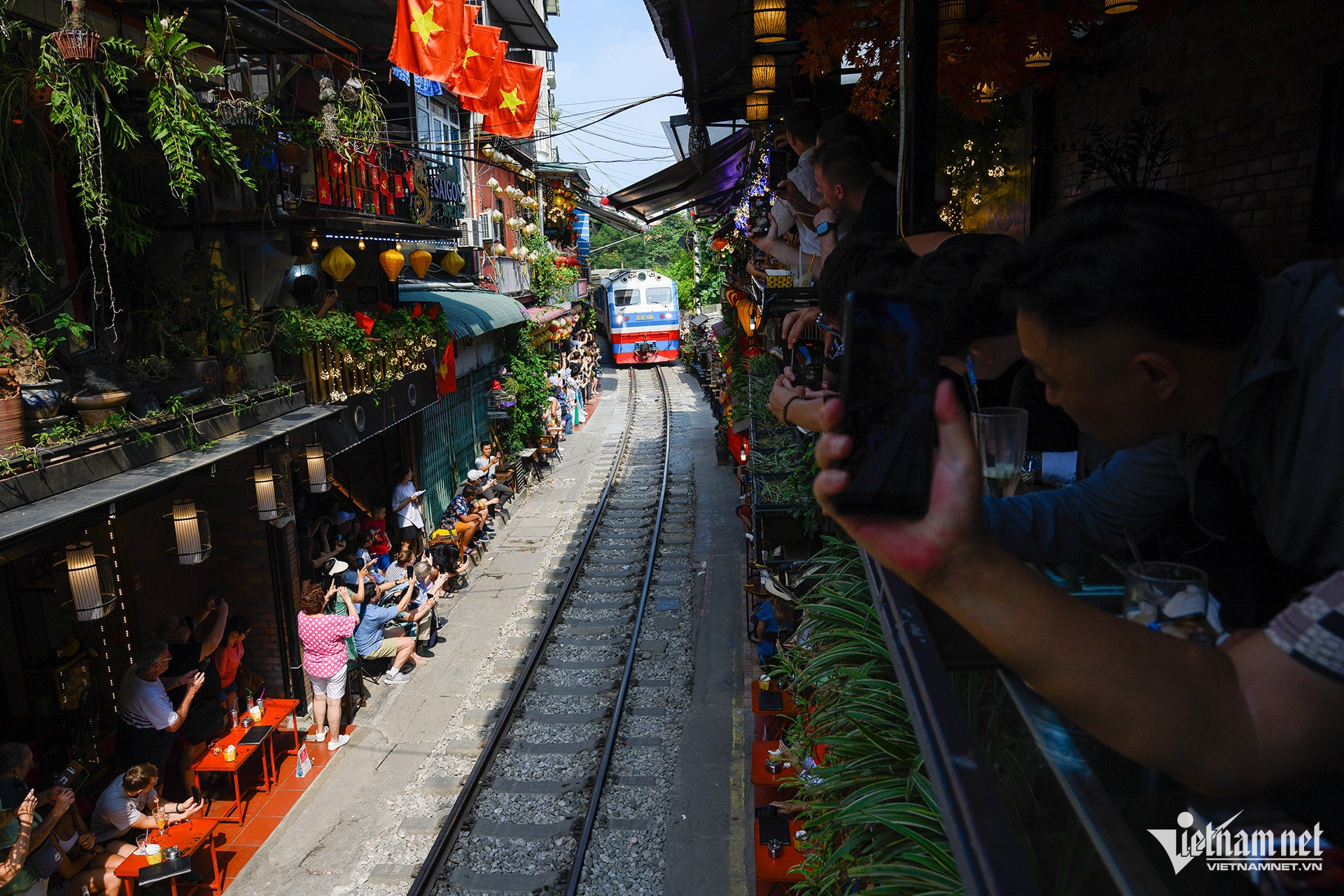
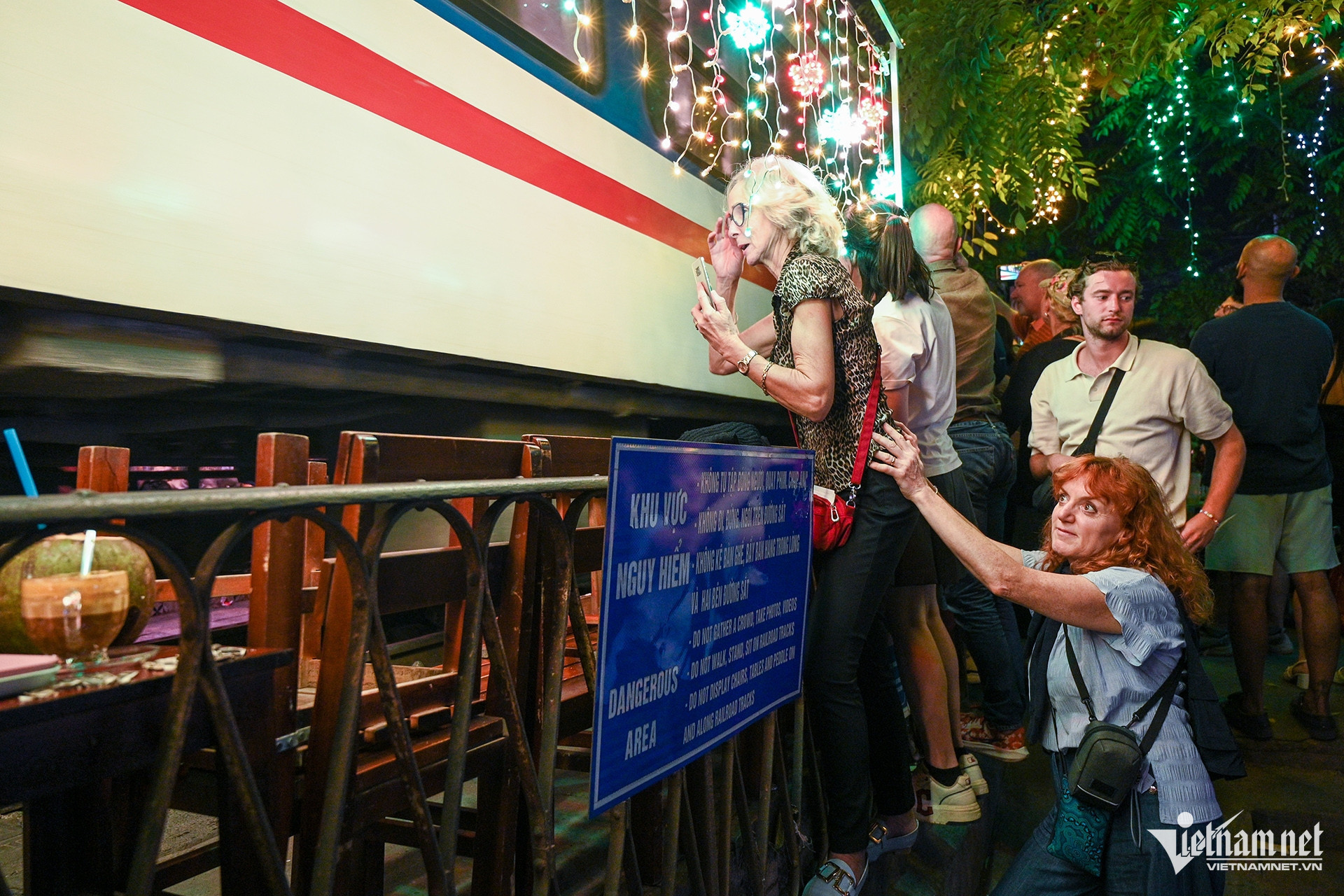
Photo: The Bang - Cong Huan
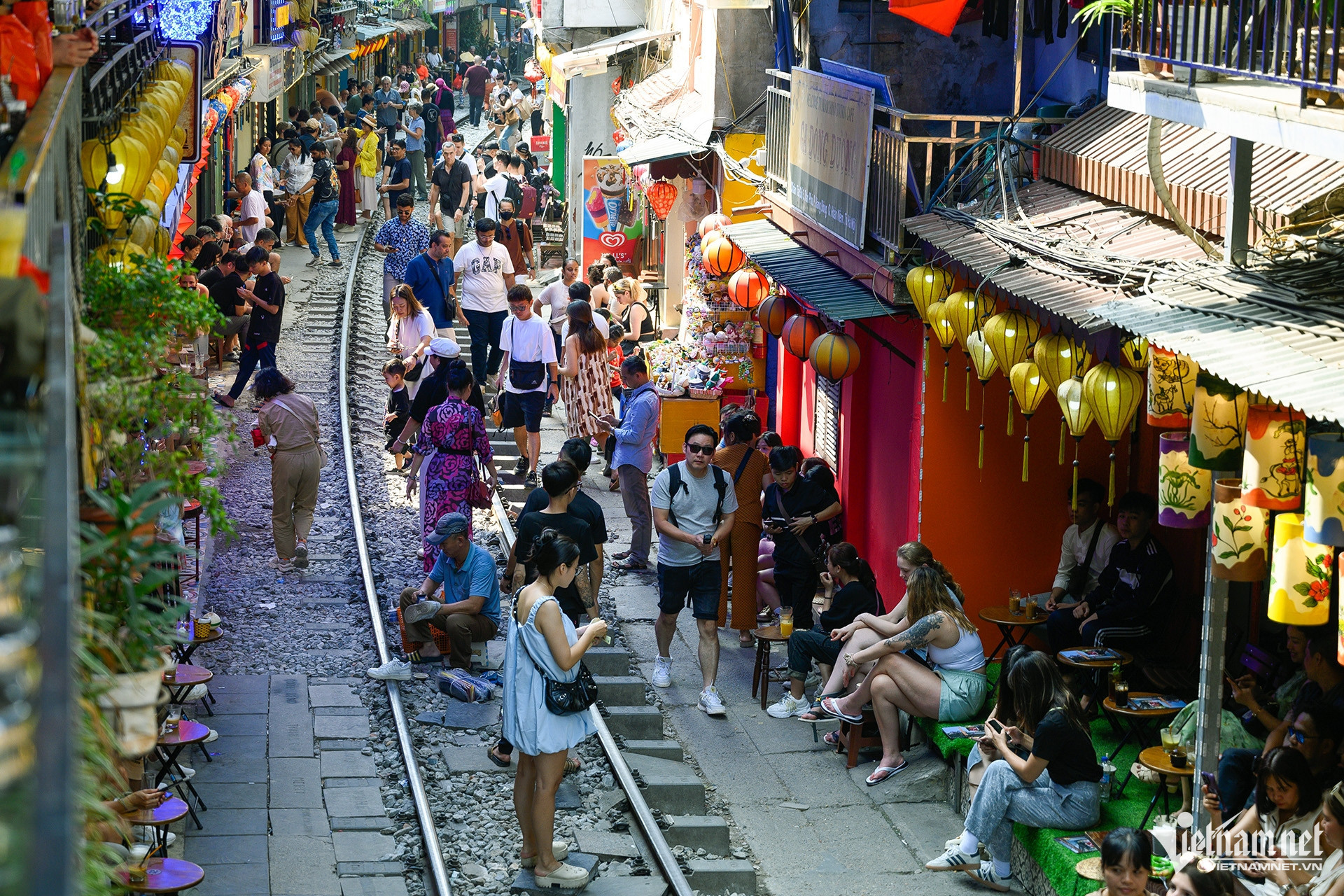
Photo: Cong Huan
A typical example is the daily influx of visitors to the railway-side coffee street. After media reports highlighted the serious railway safety risks, local authorities have repeatedly organized campaigns to address the issue, ordering the closure of coffee shops, erecting barriers, and prohibiting tourists from entering the area.
But after a short time, when the authorities were no longer regularly present, the cafes secretly resumed operations. Tourists, especially international visitors, still flocked to them, and the violations continued to recur.
Recently, in early October, a dangerous incident occurred in the railway-side cafe area when tables and chairs from a cafe were struck by a moving train, sending them flying and scattering belongings everywhere. Fortunately, there were no casualties in this incident.
Vietnamnet.vn
Source: https://vietnamnet.vn/nhung-nhuc-nhoi-kho-giai-cua-ha-noi-qua-anh-2461804.html

![[Photo] General Secretary and President visit the China-ASEAN AI Application Cooperation Center](https://vphoto.vietnam.vn/thumb/1200x675/vietnam/resource/IMAGE/2026/04/17/1776404277677_vna-potal-tong-bi-thu-chu-tich-nuoc-tham-trung-tam-hop-tac-ung-dung-ai-trung-quoc-asean-8706616-2286-jpg.webp)






![[Infographic] Details of the Hanoi-Quang Ninh High-Speed Railway Project](https://vphoto.vietnam.vn/thumb/402x226/vietnam/resource/IMAGE/2026/04/16/1776338188424_anh-man-hinh-2026-04-16-luc-18-16-10.png)
















![[Photo] National Assembly Chairman Tran Thanh Man attends the policy seminar to promote Vietnam-Türkiye cooperation.](https://vphoto.vietnam.vn/thumb/1200x675/vietnam/resource/IMAGE/2026/04/16/1776351415367_vna-potal-chu-tich-quoc-hoi-tran-thanh-man-du-toa-dam-chinh-sach-thuc-day-hop-tac-viet-nam-tho-nhi-ky-8705791-jpg.webp)






















































Comment (0)