

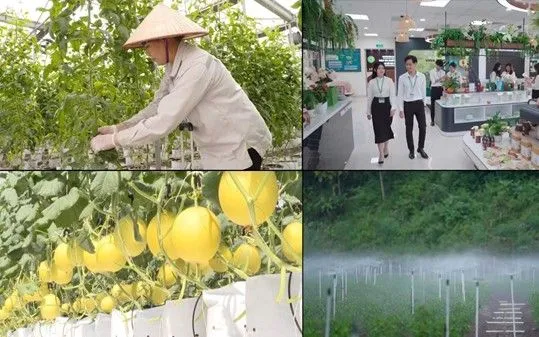
The application of digital technology in agriculture is opening up significant opportunities for improving farming techniques, monitoring the environment, and managing data. However, implementing digital transformation also presents numerous challenges, ranging from technological infrastructure issues to a shortage of training resources and a shift in mindset among farmers. Therefore, a thorough understanding of digital transformation trends and the accompanying challenges will be crucial for the agricultural sector to effectively apply technological solutions in the future.
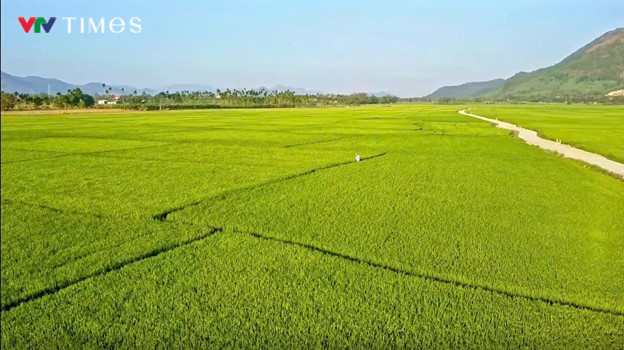
Agriculture plays a vital role in Vietnam's economy , accounting for a large proportion of GDP and providing employment for millions of workers.
The current state of digital transformation in agriculture.
Agriculture plays a pivotal role in Vietnam's economy, accounting for a large proportion of GDP and providing employment for millions of workers. However, the sector is facing numerous challenges such as climate change, international competition, and increasing pressure for productivity. In this context, digital transformation not only helps solve difficult problems but also offers significant opportunities for the sustainable development of Vietnamese agriculture.
Mr. Nguyen Lan Hung, Secretary General of the Vietnam Association of Biological Sciences: At this stage, the country is changing very rapidly. I have visited many provinces and seen many rural areas that are no different from cities, with houses springing up, but this is not the whole picture. General Secretary To Lam suggested that at this stage, the people must definitely become wealthy. How can we make the people wealthy, and this is what truly defines rural areas? How can we transform rural areas, especially mountainous regions? Now, these difficult areas must rise up, and the country must become wealthy. That idea is the number one thought of the General Secretary, and we must implement it. Currently, there are many ways of thinking, doing, and approaches, many models in various localities, but it is not yet comprehensive. We still have areas, and we still face difficulties.
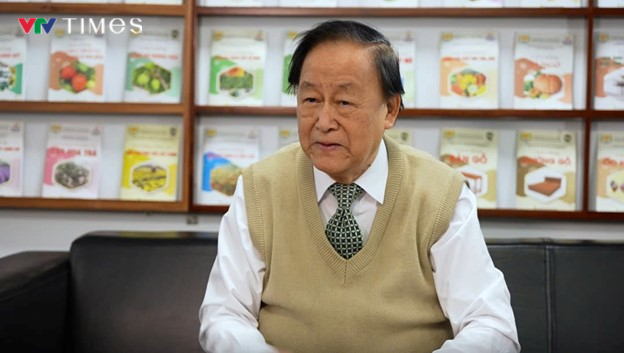
Mr. Nguyen Lan Hung - General Secretary of the Vietnam Association of Biological Sciences.
Digital transformation in agriculture goes beyond simply applying modern technologies such as the Internet of Things (IoT), artificial intelligence (AI), and big data; it also aims to build a comprehensive digital ecosystem. This ecosystem connects farmers, businesses, management agencies, and stakeholders to optimize production, distribution, and consumption processes.
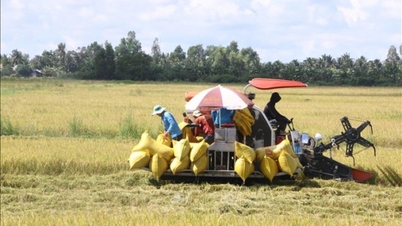
In recent years, digital transformation in Vietnam's agricultural sector has seen many positive advancements. Overall, digital transformation in agriculture has begun to spread, not only in large-scale enterprises but also gradually penetrating cooperatives and individual farmers, albeit at an uneven level.
In fact, many large enterprises, such as VinEco (part of Vingroup), TH True Milk, Dabaco, Hoang Anh Gia Lai, Nafood Group, etc., have proactively implemented digital technology throughout the entire agricultural production value chain, from raw material area management, cultivation monitoring, quality control to traceability and distribution. High-tech agricultural models applying IoT, AI, and big data have shown clear effectiveness: reducing input costs, decreasing labor, increasing crop and livestock productivity; and simultaneously enhancing competitiveness and product exports.
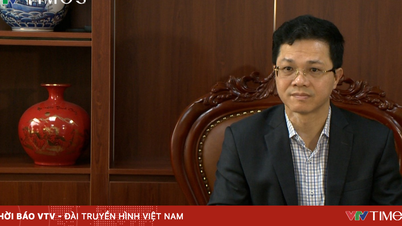
Dr. Nguyen Van Long - Director of the Science and Technology Department, Ministry of Agriculture and Environment:
Currently, the Party and the State, specifically the Central Steering Committee for the implementation of Resolution 57, have requested that the Ministry of Agriculture and Environment prioritize the construction of a database for the sector. This is the first element we need for digital transformation: data.
Secondly, we must have the infrastructure to ensure that each unit, from producers to businesses, starts from the needs and interests of the people and businesses in the digital transformation process, in transparent information management from production, processing, and consumption of products, with traceability. This must stem from the needs and interests of the people and businesses.
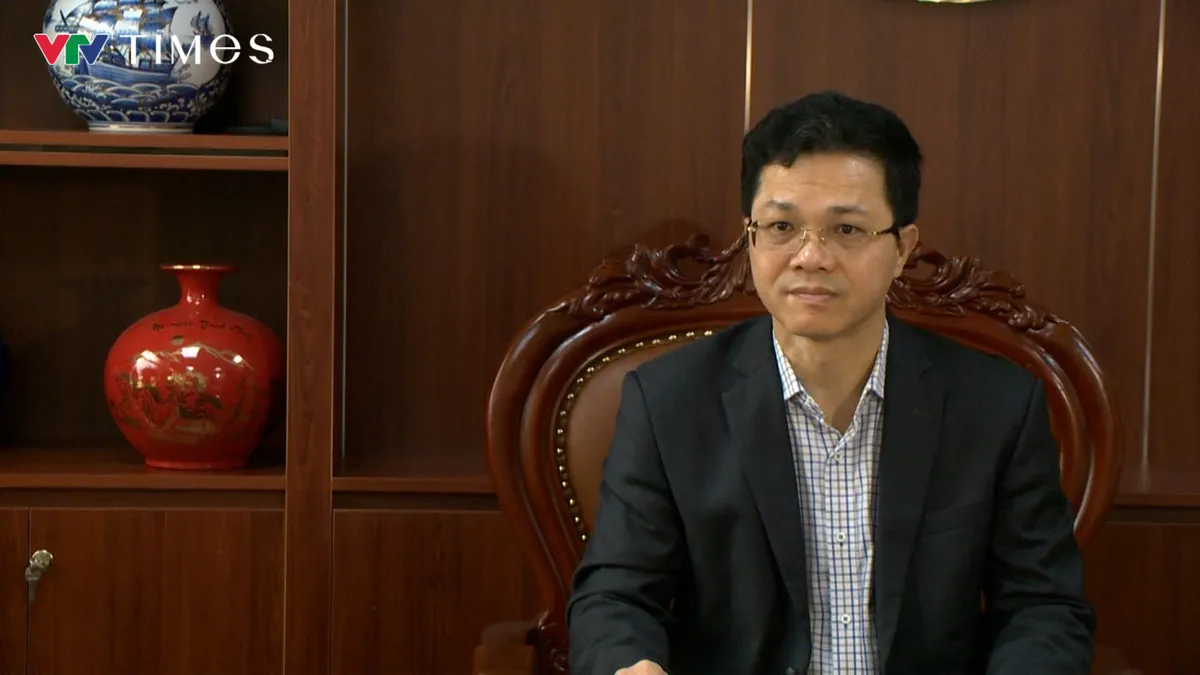
Dr. Nguyen Van Long - Director of the Science and Technology Department, Ministry of Agriculture and Environment.
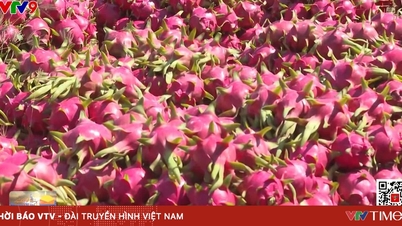
One notable highlight is the increased application of digital technology in agricultural product consumption, especially during the Covid-19 pandemic. Localities such as Bac Giang and Hai Duong (formerly) successfully organized online conferences connecting supply and demand, and simultaneously brought local agricultural products to major e-commerce platforms such as Postmart, Voso, Tiki, and Lazada… to effectively sell lychees, onions, garlic, dragon fruit, oranges, and pomelos… This not only helped solve the problem of market access amidst supply chain disruptions but also opened up a more sustainable distribution channel for Vietnamese agricultural products. To date, nearly 50,000 agricultural products have been listed on e-commerce platforms with millions of visits and stable consumption, contributing to affirming the essential role of digital technology in promoting modern commercial agriculture.
Mr. Bui Quang Phat - Deputy Director of the Department of Agriculture and Environment of Bac Ninh province: It must be affirmed that digital transformation and the application of science and technology are key factors in the development of agriculture in Bac Ninh province. Especially in today's fiercely competitive market economy, land and labor resources are limited. Therefore, the application of science and technology and digital transformation in agriculture is truly essential. Over the past time, the agricultural sector of Bac Ninh province has implemented many activities, applied science and technology, undergone digital transformation, and especially developed many OCOP products. For example, our 5-star OCOP products have been developed and exported to over 30 countries worldwide, especially demanding markets like the US and Europe. Currently, we have 1,520 high-tech production models.
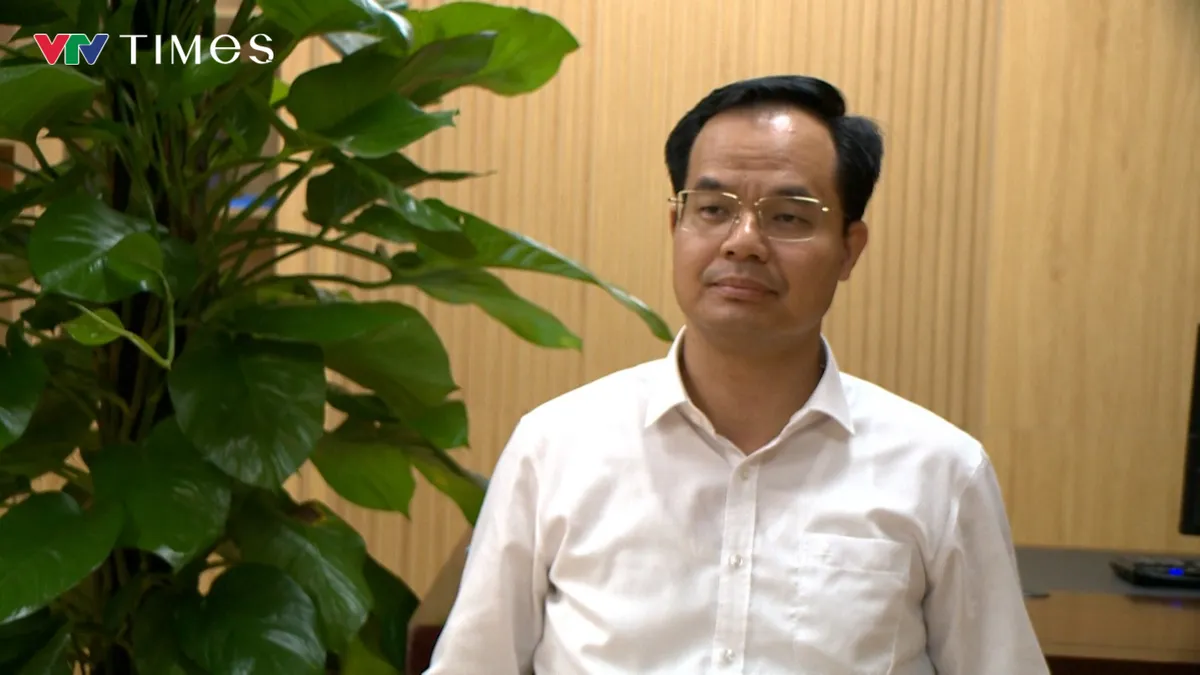
Mr. Bui Quang Phat - Deputy Director of the Department of Agriculture and Environment of Bac Ninh province.
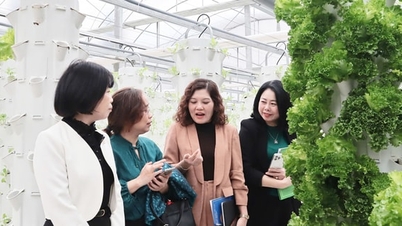
In the manufacturing sector, applications of IoT, AI, and biotechnology are becoming increasingly common. Firstly, the adoption of technologies such as the Internet of Things (IoT), artificial intelligence (AI), and big data has brought about significant changes in production processes. In many localities, numerous vegetable and flower farms have installed smart sensors to accurately measure indicators such as soil moisture, temperature, light, nutrient levels, and irrigation systems. This allows farmers to monitor and adjust environmental factors in a timely manner, helping crops grow optimally.
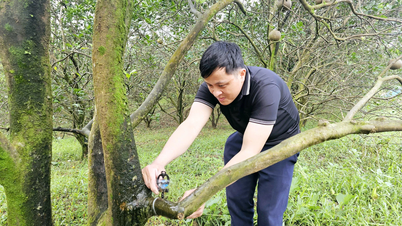
Mr. Tran Xuan Dang - Tan An Ward, Bac Ninh Province: It must be said that applying science and technology to agricultural production, especially high technology, brings very clear results. It creates the best conditions for agricultural production, improves productivity and quality, and generates better selling prices compared to conventional production. In my high-tech agricultural production model, I have applied many technologies, the first of which is production in greenhouse and net house systems. Secondly, there is the semi-automatic irrigation system. Thirdly, there is the technology of fertilizing, irrigating, and applying organic and high-quality fertilizers to produce safe products.
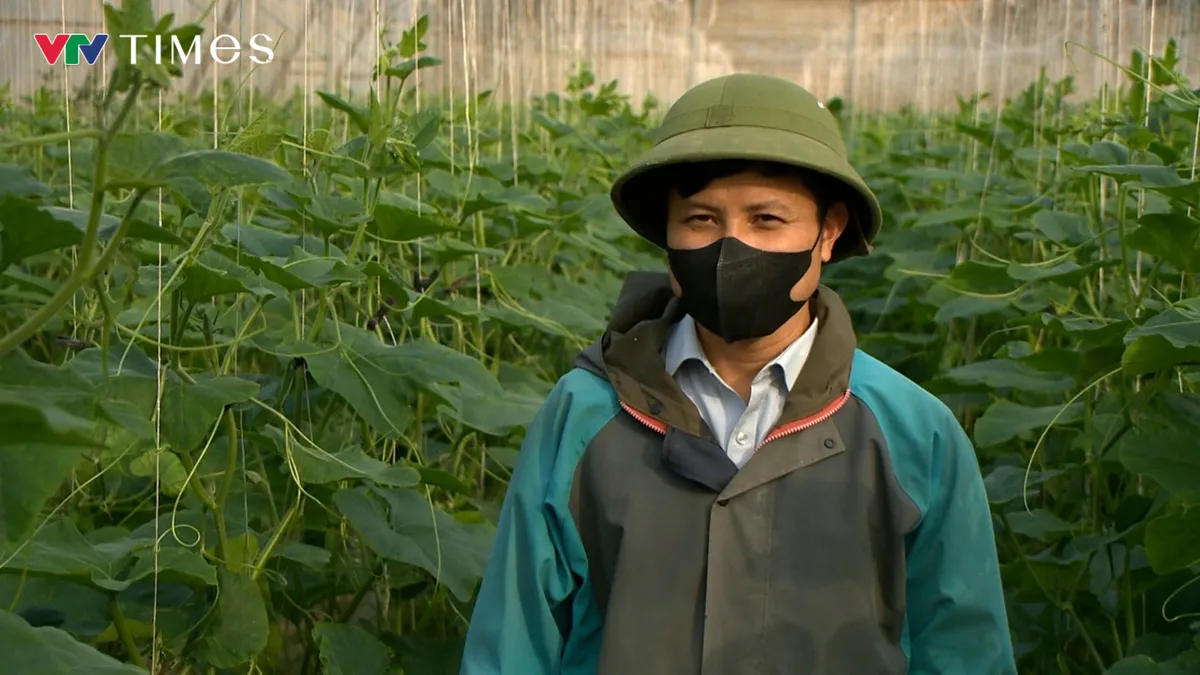
Mr. Tran Xuan Dang - Tan An Ward, Bac Ninh Province.
Blockchain technology is also being applied to the traceability of agricultural products. For example, Truong Hai Company Limited (THACO) has implemented a traceability system for its exported fruit products in the Central Highlands. Each harvested product is assigned a QR code containing complete information from production to distribution. This not only helps consumers easily check the origin and quality of the product but also builds trust in both domestic and international markets.
Furthermore, digital platforms and mobile applications have helped farmers quickly access information about markets, prices, weather, and farming techniques. Specifically, the "Agriculture 4.0" application has helped farmers in the southwestern provinces monitor pest and weather conditions, as well as exchange experiences with other growers. Some applications even connect farmers directly with buyers, reducing reliance on intermediaries and increasing income for producers.
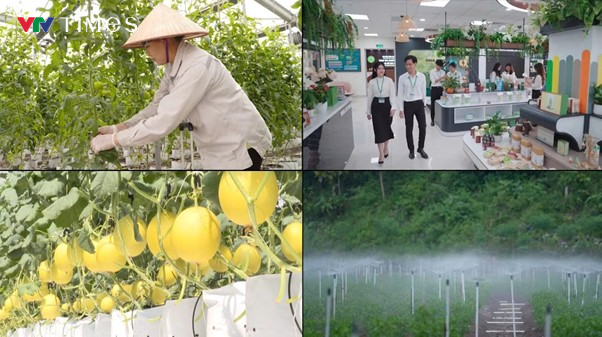
Digital platforms and mobile applications have helped farmers access information about markets, prices, weather, and farming techniques quickly.
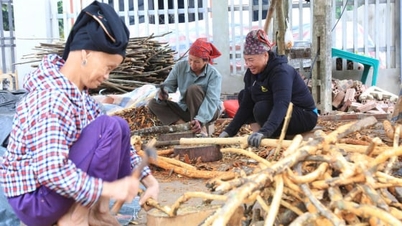
One of the biggest challenges is the small-scale, fragmented nature of production. This makes it difficult to uniformly implement technological solutions and build large-scale production processes. Investing in automation systems or the Internet of Things (IoT) requires high costs, while profits from small-scale models are insufficient for reinvestment.
Furthermore, the information technology infrastructure in many rural areas is not yet synchronized. The lack of technological infrastructure not only slows down farmers' access to information but also makes remote monitoring and control difficult.
Current policies supporting digital transformation are fragmented, lacking sufficiently strong financial mechanisms to encourage businesses and farmers to invest in technology. The absence of a specific legal framework for digital production models such as smart contract agriculture, blockchain transactions, or digital logistics is also slowing down their adoption and scaling up.
Strategic moves for the coming period
In line with the Party and State's guidelines, most recently Resolution No. 57-NQ/TW on breakthroughs in science and technology development, innovation, and national digital transformation, the Ministry of Agriculture and Environment has identified digital transformation as an inevitable path to achieving green growth, a circular economy, and sustainable development.
The strategy for the period 2025-2035 is built on clear and groundbreaking objectives. Accordingly, by 2030, the sector aims for 100% of public services to be online, serving farmers and businesses effectively; all management and operational processes to take place in a digital environment; and agricultural data to be digitized, connected, and shared with the national database. In particular, 80% of monitoring, forecasting, and warning activities related to weather, environment, natural disasters, and pests will be operated using big data and artificial intelligence technologies.
Mr. Nguyen Xuan Viet - Chairman of the Board and Director of Vicopo Import-Export Joint Stock Company: We also need to enhance our responsibility towards consumers and the export market. Therefore, we always reach out to departments, institutes, and especially ministries to access the highest level of science and technology. In the process of implementing super-varieties production, we have applied technical knowledge from the cultivation stage, disseminating it with farmers to promote efficiency. When applied, the yield and quality of raw materials are higher, the recovery rates are greater, and it brings the first high value in raw materials to farmers.
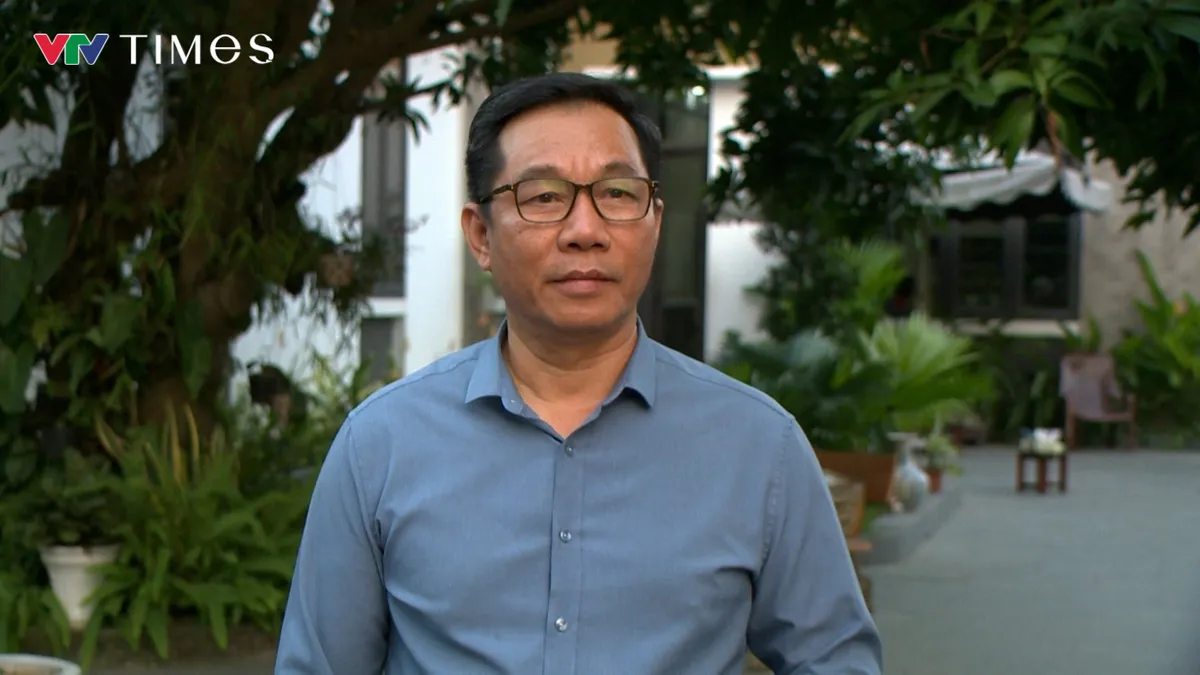
Mr. Nguyen Xuan Viet - Chairman of the Board of Directors, Director of Vicopo Import-Export Joint Stock Company.
The sector also aims to form a digital agricultural economic ecosystem, in which 10% of the sector's GDP comes from digital economic activities: digital trade, smart agriculture, blockchain traceability, e-commerce, digital supply chain services, etc. At the same time, it strives for 80% of farmers to effectively use digital platforms, helping to narrow the digital divide and improve production levels.
Assoc. Prof. Dr. Dang Van Dong - Deputy Director of the Institute of Vegetable and Fruit Research, Vietnam Academy of Agricultural Sciences:
As we know, agriculture has developed remarkably in recent years, especially our fruit and vegetable sector, which has also grown very strongly. Exports in 2024 were $7.2 billion, but this year it is projected to reach $8 billion. A significant part of this achievement is undoubtedly due to the contributions of science and technology. Science and technology have changed the landscape of our agricultural development. This change is evident in the introduction of new varieties. A series of new fruit and vegetable varieties have been introduced into production. A range of technologies have been applied in production throughout the country. Take the field of flowers and plants, for example. These are Phalaenopsis orchid varieties that have been both selected from foreign countries and created by domestic scientists to suit local conditions. In addition to suitable varieties, we have researched a series of technological processes. For example, this is a technological process, applying high technology in the production of phalaenopsis orchids.
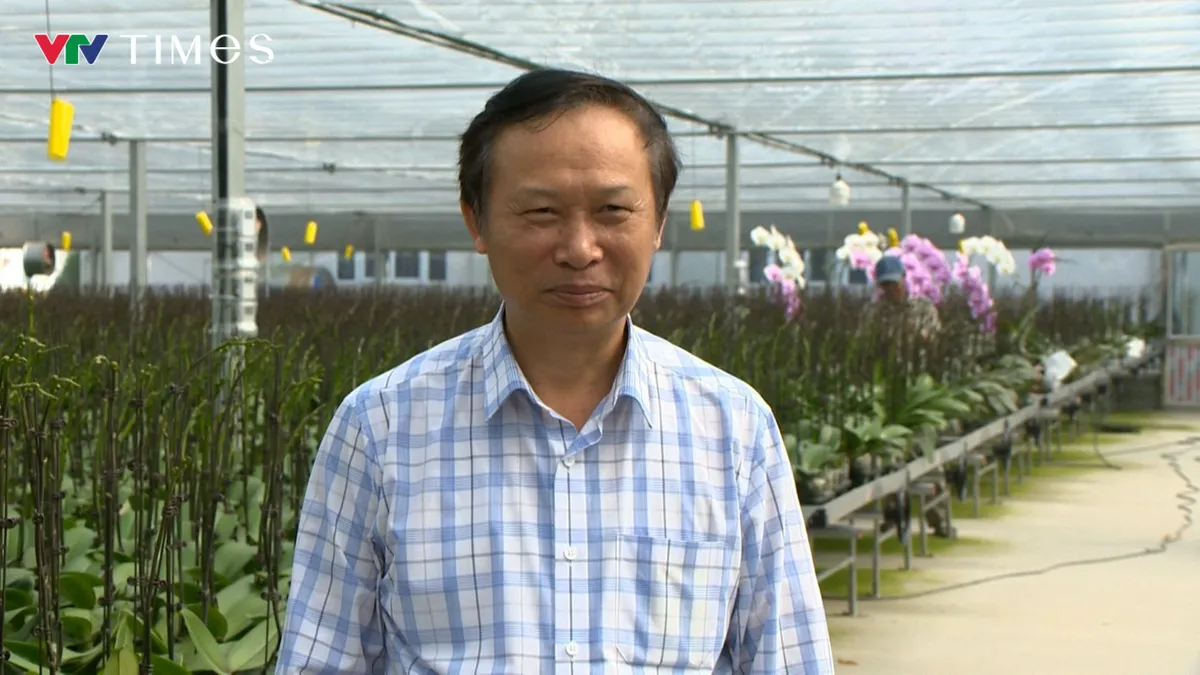
Assoc. Prof. Dr. Dang Van Dong - Deputy Director of the Institute of Vegetable and Fruit Research, Vietnam Academy of Agricultural Sciences.
The vision for 2035 clearly demonstrates a shift towards smart governance based on real-time data. Agriculture will strongly adopt technologies such as artificial intelligence (AI), Blockchain, IoT, and Digital Twin to simulate, predict, and optimize production, processing, and consumption. By then, the digital economy's share in agriculture will reach at least 20%, and 90% of farmers will master digital technologies in production.
To realize the above objectives, the Ministry of Agriculture and Environment has set forth key solutions. Information security and cybersecurity will be at the forefront. The Ministry is fully implementing a four-layer information security model, operating a sophisticated monitoring system, connecting with the National Cybersecurity Center, and ensuring that agricultural data is always protected against cyberattacks.
Mr. Tran Cong Thang - Director of the Institute for Agricultural and Environmental Policy Strategy:
For Vietnamese agriculture, science and technology have been extremely important over the years. Thanks to science and technology, we have innovated everything from seed varieties to cultivation technologies, preservation technologies, and processing technologies. And thanks to science and technology, despite our country's limited land and declining labor force, our productivity, and that of agricultural businesses, has been very good, and output has increased.

Mr. Tran Cong Thang - Director of the Institute of Agricultural and Environmental Policy and Strategy.
Currently, compared to other countries around the world, the productivity of some of our main crops such as rice, coffee, pepper, and cashew nuts is trending very high. Besides that, our productivity is also very high for products like seafood, especially catfish, almost the highest in the world. For other crops, we have also benefited from significant contributions of science and technology over the years, resulting in research and high yields and quality. Furthermore, the application of advanced technologies, including digital technology and Industry 4.0, has helped improve efficiency, increase productivity, and reduce waste.
In addition, it is necessary to promote the improvement of institutions and legal frameworks; create conditions for secure data sharing, allow new technologies such as AI or blockchain to be tested under a sandbox mechanism, and comprehensively restructure administrative procedures.
Focus on developing open and shared data. A unified agricultural database system will be built from the central to local levels, ensuring clean, interconnected, and real-time updated data. This will be the foundation for digital public services, digital markets, and smart production.
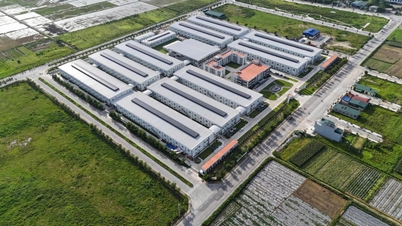
The sector will also focus on investing in modern digital infrastructure, including: internationally standardized green data centers, IoT systems, sensors, smart devices, cloud computing infrastructure, and AI platforms for big data analysis. To develop digital human resources, the sector will train management and technical staff in digital skills, data science, information security, and AI. It will also train farmers to use digital platforms in production, business, farm management, and traceability.
Regarding finance, there is a need for policies supporting preferential loans and reducing administrative procedures to make it easier for farmers to access them. Cooperative models and production organizations based on value chains should also be encouraged to share investment costs and enhance competitiveness in the market.
According to Dr. Nguyen Van Long, Director of the Science and Technology Department, Ministry of Agriculture and Environment: Currently, the Party and the State have directed the completion of the legal framework towards eliminating and minimizing all administrative procedures because businesses are very concerned about this. Secondly, the State has issued decrees and established very clear public-private partnerships, from laws to decrees, regarding the application of science and technology in production. Now that this mechanism is in place, we must create all conditions to support businesses so that they feel ready. The documents, laws, and regulations are clear, but the main thing is the organization and implementation, which requires the involvement of state management agencies.
Finally, establishing mechanisms to encourage technology companies to participate in agriculture is essential. These companies can provide affordable technology solutions tailored to different production scales. Furthermore, public-private partnerships to develop pilot models, which can then be scaled up nationwide, will contribute to creating a sustainable smart agricultural ecosystem.
With synchronized solutions and cooperation between the government, businesses, and people, the transformation process will open up great opportunities, helping to build a modern and sustainable agriculture that meets the needs of domestic and international markets. This will create a solid foundation for Vietnamese agriculture to develop faster, greener, and more sustainably.
Source: https://vtv.vn/nong-nghiep-so-khong-the-thieu-trong-ky-nguyen-cong-nghe-40-100251216231634947.htm

![[Photo] Prime Minister Pham Minh Chinh receives the Governor of Tochigi Province (Japan)](/_next/image?url=https%3A%2F%2Fvphoto.vietnam.vn%2Fthumb%2F1200x675%2Fvietnam%2Fresource%2FIMAGE%2F2025%2F12%2F16%2F1765892133176_dsc-8082-6425-jpg.webp&w=3840&q=75)
![[Photo] Prime Minister Pham Minh Chinh receives Lao Minister of Education and Sports Thongsalith Mangnormek](/_next/image?url=https%3A%2F%2Fvphoto.vietnam.vn%2Fthumb%2F1200x675%2Fvietnam%2Fresource%2FIMAGE%2F2025%2F12%2F16%2F1765876834721_dsc-7519-jpg.webp&w=3840&q=75)
![[Live] 2025 Community Action Awards Gala](/_next/image?url=https%3A%2F%2Fvphoto.vietnam.vn%2Fthumb%2F1200x675%2Fvietnam%2Fresource%2FIMAGE%2F2025%2F12%2F16%2F1765899631650_ndo_tr_z7334013144784-9f9fe10a6d63584c85aff40f2957c250-jpg.webp&w=3840&q=75)

![[Image] Leaked images ahead of the 2025 Community Action Awards gala.](/_next/image?url=https%3A%2F%2Fvphoto.vietnam.vn%2Fthumb%2F1200x675%2Fvietnam%2Fresource%2FIMAGE%2F2025%2F12%2F16%2F1765882828720_ndo_br_thiet-ke-chua-co-ten-45-png.webp&w=3840&q=75)
























































Comment (0)