

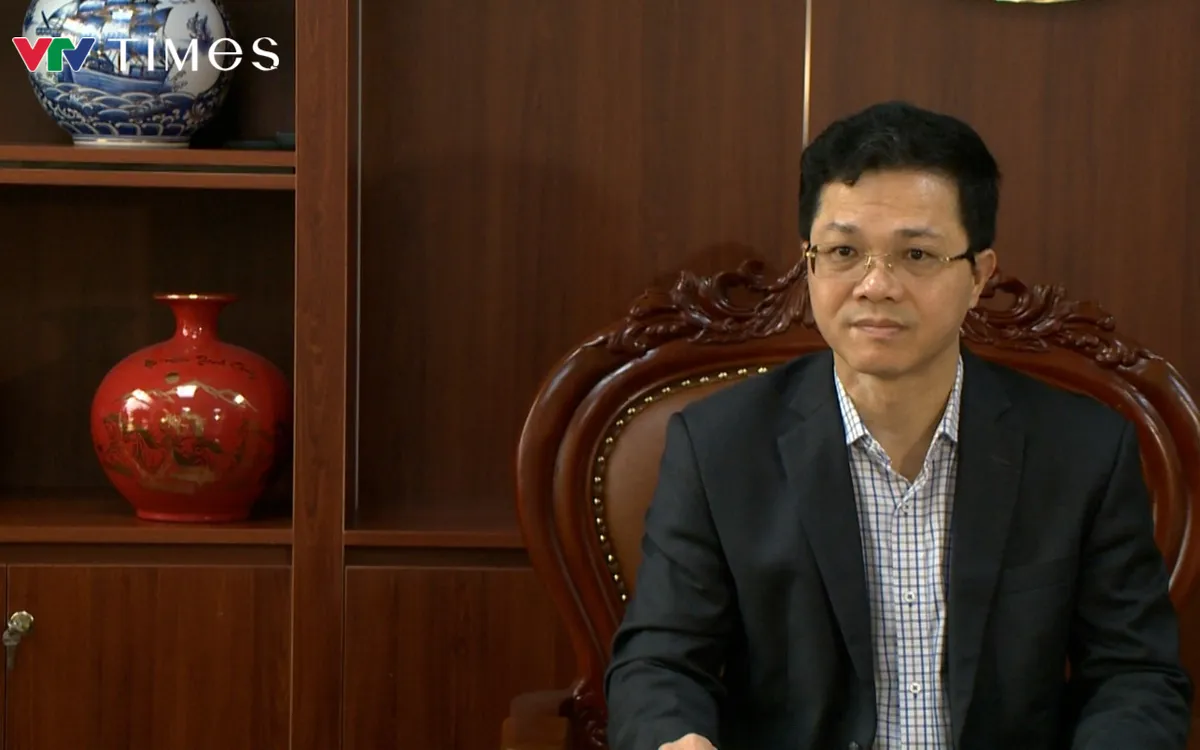
In this context, digital transformation and the development of high-tech agriculture, along with investment in R&D (Research and Development) in agriculture, not only help solve difficult problems but also bring great opportunities for the sustainable development of Vietnamese agriculture. Our reporter had a discussion with Dr. Nguyen Van Long, Director of the Science and Technology Department, Ministry of Agriculture and Environment, on this issue.
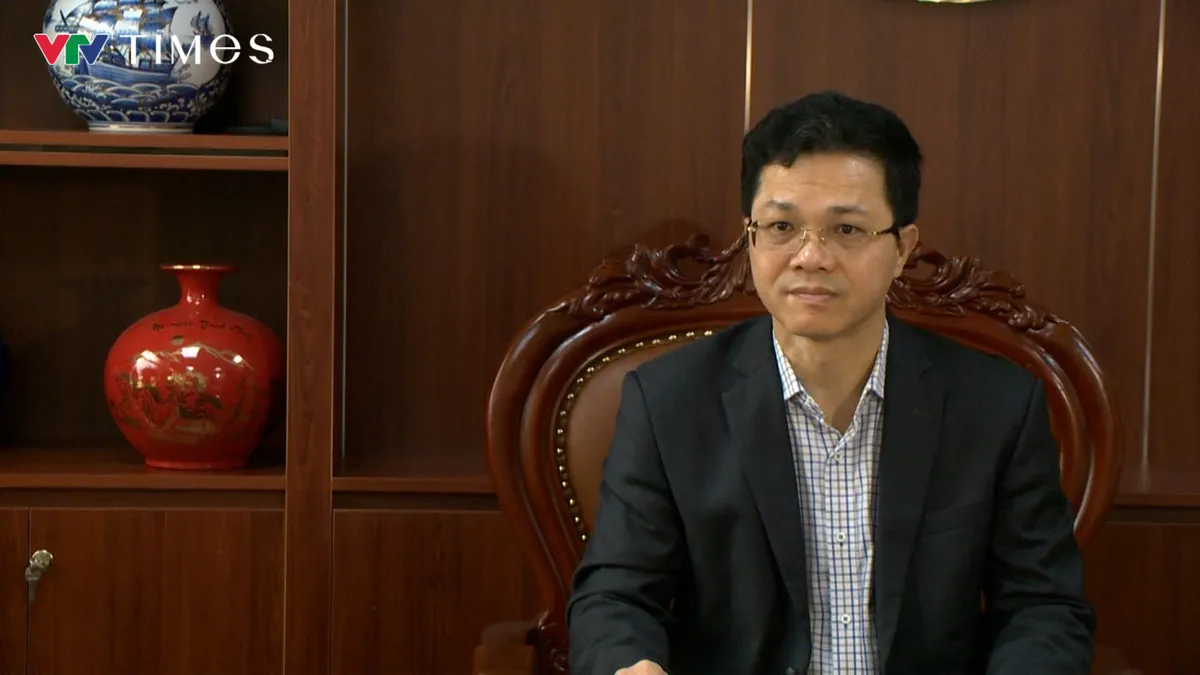
Dr. Nguyen Van Long - Director of the Science and Technology Department, Ministry of Agriculture and Environment.
Reporter: Thank you, Dr. Nguyen Van Long, for agreeing to this interview. Dr. Nguyen Van Long, could you please tell us about the role of science and technology in Vietnam's current agricultural development strategy?
Dr. Nguyen Van Long: The strategy for developing agriculture and the environment has been expressed in many documents of the Party and the State, such as Resolution No. 19 of the Central Committee dated June 16, 2022, or Conclusion 129 dated November 26, 2025, of the Politburo, and before that, Decision 150 of the Prime Minister, which identifies science and technology as a key driving force and a crucial factor in promoting the growth of the agriculture and environment sector.
Reporter: Sir. What are the goals of the Ministry of Agriculture and Environment in transforming Vietnamese agriculture from "traditional production" to "digital agriculture, smart agriculture"?
Dr. Nguyen Van Long: First, to transition from digital agriculture to smart agriculture, from traditional agriculture to smart agriculture, the first and most important thing the Ministry has been doing is perfecting the legal framework. Currently, it is complete: one law amending all existing laws; two, all standards must meet the requirements of smart and digital production; and three, infrastructure, from building industry databases – currently, over a dozen databases are under construction and we aim to complete them by 2025. Once we have all of that, we can begin transferring technologies to serve production. In addition, research results that serve both research and smart production need to be applied in practical production and commercialized .
Reporter: Can you tell us? What are the key policies that the Ministry will promote in the 2025–2030 period to develop high-tech agriculture?
Dr. Nguyen Van Long: Firstly, the key policy that the Standing Committee of the Party Committee of the Ministry has decided upon and is currently directing the implementation of is: firstly, perfecting the specialized legal framework, along with standards and regulations, so that we can orient ourselves from traditional agricultural production to a commodity-oriented agricultural economy. Therefore, all legal standards and regulations must be complete. Secondly, we cannot continue with the previous management method, which mainly relies on paperwork; we must undergo a comprehensive digital transformation in smart agricultural production. To achieve this, we must build the infrastructure and specialized databases.
Thirdly, we must immediately apply advanced technologies, technologies developed in Vietnam and around the world, to each type of production model, such as crop cultivation, plant protection, animal husbandry and veterinary medicine, as well as those suitable for each region of our country.
Reporter: In our country, investing in research and development (R&D), digital transformation for deep processing, creating high-quality products, and elevating the position of Vietnamese agricultural products in the international market are key to solving the problem of making a breakthrough leap forward in the agricultural sector. So, in your opinion, who is playing a crucial role in leading this endeavor?
Dr. Nguyen Van Long: The State plays a leading and guiding role, focusing on core and strategic technologies. However, the decisive factor in achieving success, bringing them into production, and commercialization must be the enterprise. Therefore, enterprises must always be the core and focus of the development strategy; only then can all technologies, through the development of enterprises, successfully promote production and commercialization.
Resolution No. 57-NQ/TW dated December 22, 2024, of the Politburo clearly states that breakthrough development in science, technology, innovation, and digital transformation is a prerequisite and a golden opportunity for our country to rise strongly and realize the aspiration for national strength and prosperity in the new era.
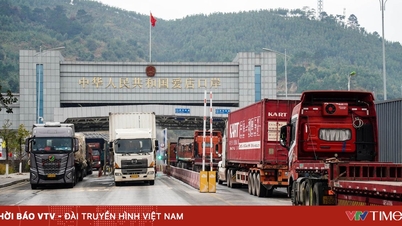
Agriculture is not only one of Vietnam's key export sectors but also plays a crucial role in national food security. To achieve breakthrough development in this sector, generating high added value, investing in R&D, digital transformation for deep processing, and creating new, superior products for both domestic use and export are key to solving this problem.
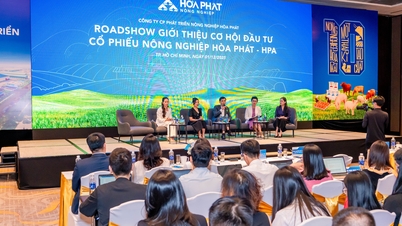
Speaking at the seminar "R&D & Digital Transformation in Agriculture: Creating High Added Value," part of the program series "Innovation – A Lever for a New Era," organized by the Finance and Investment Newspaper, Assoc. Prof. Dr. Dang Van Dong, Deputy Director of the Fruit and Vegetable Research Institute - Vietnam Academy of Agricultural Sciences, Ministry of Agriculture and Environment, assessed that the revolution in digital transformation and innovation is a challenge set forth in Resolution 57, which the entire agricultural sector has embraced and is actively participating in.
Over the past period, research institutes and schools have focused on implementing many key issues, creating positive changes and noticeable results. These include concentrating investment in research and development, digital transformation, applying biotechnology to create new plant varieties, and researching smart and advanced farming techniques. Data connectivity is crucial in developing plant genetic resources, managing production efficiently, and building digital transformation infrastructure within institutes and schools. Simultaneously, the development of digital data and software facilitates research through digital transformation. Research institutes also collaborate with businesses, cooperatives, and farms to develop integrated digital transformation software programs.
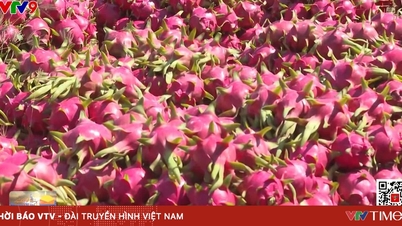
"I believe that in just the next 10 years, all Vietnamese farmers will be applying digital transformation to their agricultural production, with 80-90% of products being produced using technology and artificial intelligence. Specifically in the fruit sector, exports currently reach $6-7 billion, but in a short time, reaching $10 billion is within reach. Vietnam will be one of the leading fruit and vegetable exporting countries in the region and the world," Associate Professor Dang Van Dong stated.
Source: https://vtv.vn/dau-tu-rd-va-chuyen-doi-so-se-tao-buoc-nhay-vot-cho-nong-nghiep-viet-nam-10025121706255549.htm

![[Photo] Prime Minister Pham Minh Chinh receives Lao Minister of Education and Sports Thongsalith Mangnormek](/_next/image?url=https%3A%2F%2Fvphoto.vietnam.vn%2Fthumb%2F1200x675%2Fvietnam%2Fresource%2FIMAGE%2F2025%2F12%2F16%2F1765876834721_dsc-7519-jpg.webp&w=3840&q=75)

![[Photo] Prime Minister Pham Minh Chinh receives the Governor of Tochigi Province (Japan)](/_next/image?url=https%3A%2F%2Fvphoto.vietnam.vn%2Fthumb%2F1200x675%2Fvietnam%2Fresource%2FIMAGE%2F2025%2F12%2F16%2F1765892133176_dsc-8082-6425-jpg.webp&w=3840&q=75)
![[Live] 2025 Community Action Awards Gala](/_next/image?url=https%3A%2F%2Fvphoto.vietnam.vn%2Fthumb%2F1200x675%2Fvietnam%2Fresource%2FIMAGE%2F2025%2F12%2F16%2F1765899631650_ndo_tr_z7334013144784-9f9fe10a6d63584c85aff40f2957c250-jpg.webp&w=3840&q=75)
![[Image] Leaked images ahead of the 2025 Community Action Awards gala.](/_next/image?url=https%3A%2F%2Fvphoto.vietnam.vn%2Fthumb%2F1200x675%2Fvietnam%2Fresource%2FIMAGE%2F2025%2F12%2F16%2F1765882828720_ndo_br_thiet-ke-chua-co-ten-45-png.webp&w=3840&q=75)


























































Comment (0)