

Vietnam is the world's second-largest producer of Robusta coffee, exporting approximately 1.5 million tons annually, accounting for about 18% of total world coffee exports and 43% of total global Robusta coffee exports.
At the same time, the quality and flavor of Vietnamese Robusta coffee are considered distinctive, diverse, and delicious… but they are still not widely known to consumers.
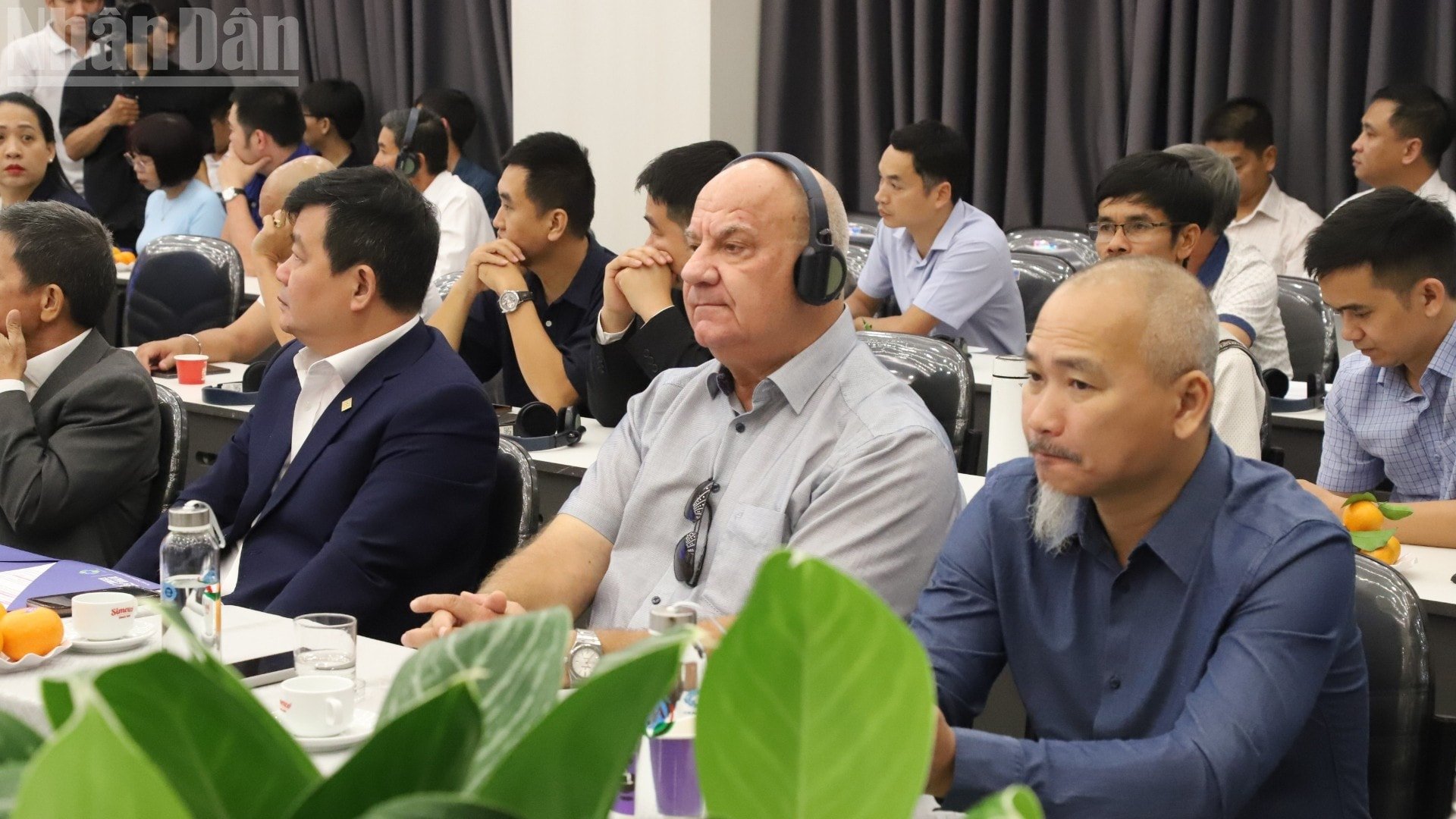
Therefore, to make Vietnamese coffee increasingly known to consumers worldwide, on November 15th, in Buon Ma Thuot ward, the Vietnam Coffee and Cocoa Association (VICOFA), in collaboration with Trans-Pacific Partnership (TPP), the Specialty Coffee Association (SCA), and Simexco Daklak (2/9 Dak Lak Import-Export Company Limited), organized a seminar entitled "Solutions for promoting and developing the brand of Vietnamese Robusta coffee and the development orientation of Vietnamese specialty coffee".
This is one of the agreements signed between Trans- Pacific Partnership Company and VICOFA regarding the global promotion of Robusta coffee, a Vietnamese specialty coffee.
Despite being a leading exporter of Robusta coffee, it is little known to consumers.
According to Nguyen Nam Hai, Chairman of the Vietnam Coffee and Cocoa Association: To date, Vietnam has a total coffee growing area of approximately 730,000 hectares, with 95% of that area planted with Robusta coffee. Dak Lak province has the largest coffee growing area in the country with about 213,000 hectares.

Most coffee grown in suitable soil and climate conditions at an altitude of 400-800m above sea level differs in quality compared to other Robusta-growing countries such as Brazil, Indonesia, and India.
Annually, Vietnam exports approximately 1.5 million tons of coffee, accounting for about 85% of its total domestic production; domestic consumption is only around 300,000 tons, representing about 15% of total production. With this export level, Vietnamese coffee accounts for approximately 18% of the world's total coffee exports and 43% of the global Robusta coffee exports. Europe remains the largest market, accounting for nearly 50% of Vietnam's total coffee exports, with the 27 EU countries accounting for nearly 40%, followed by Japan, the US, and others.
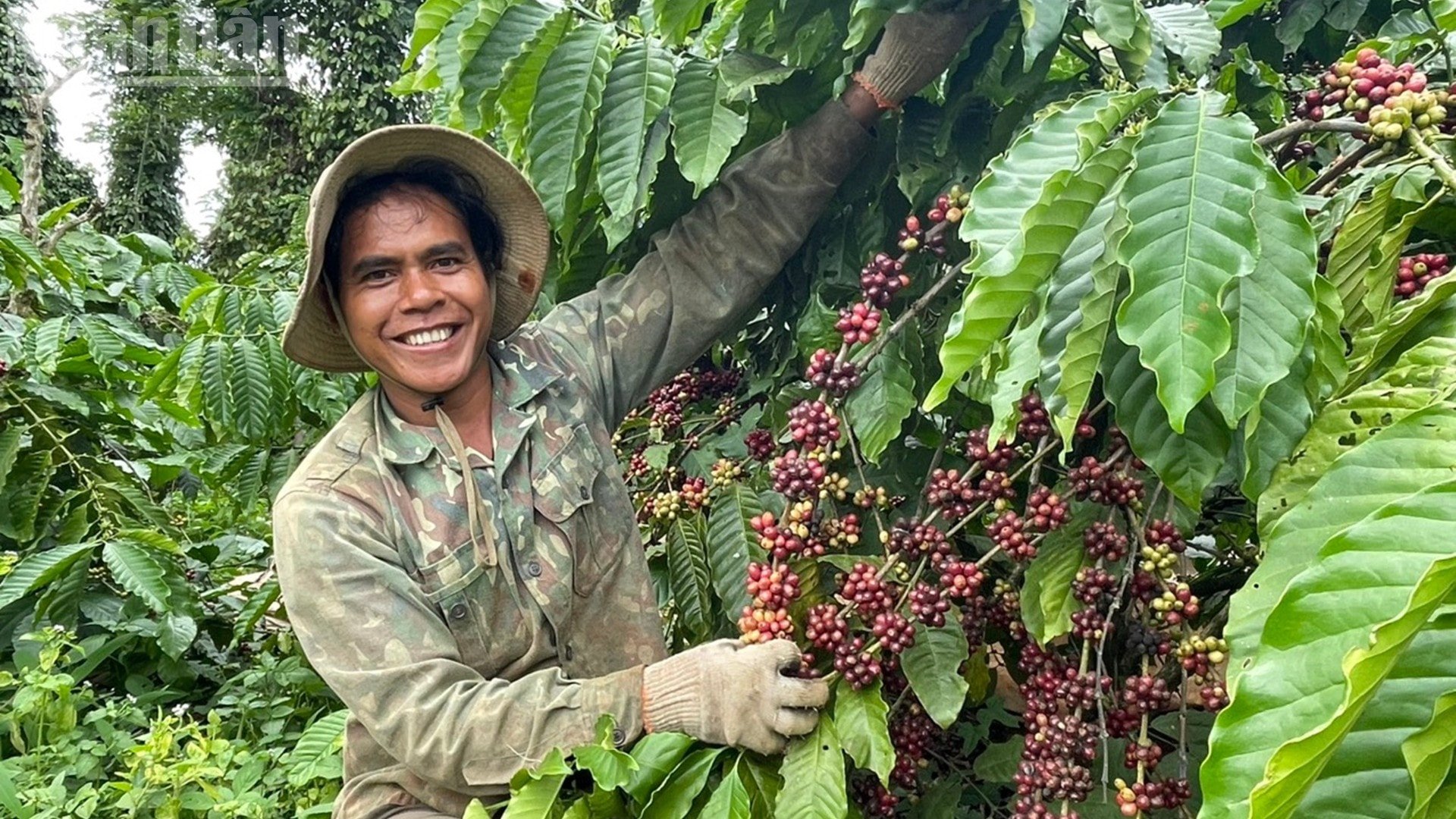
According to Mr. Nguyen Nam Hai, over 91% of Vietnam's total annual coffee exports are green coffee beans. The remaining nearly 9% is used for processing into instant coffee and roasted and ground coffee. This is the main reason why Vietnam ranks second in terms of coffee production and export volume, and first in Robusta coffee exports, yet Vietnamese coffee is largely unknown to consumers in the US and around the world.
On the other hand, in the instant and roasted coffee export sector, over 81% are FDI enterprises. Apart from Trung Nguyen, L'amant, and Intimex, very few Vietnamese businesses have their own brands of roasted and instant coffee for export. Despite having many advantages, the added value and brand image of Vietnamese Robusta coffee are not yet commensurate with its existing potential.
Therefore, during the recent business trip of the Vietnamese business delegation to the United States, VICOFA proposed to its partner company, Trans-Pacific Partnership, a project to promote Vietnamese coffee brands globally, similar to what Trans-Pacific Partnership had done for Guatemala.
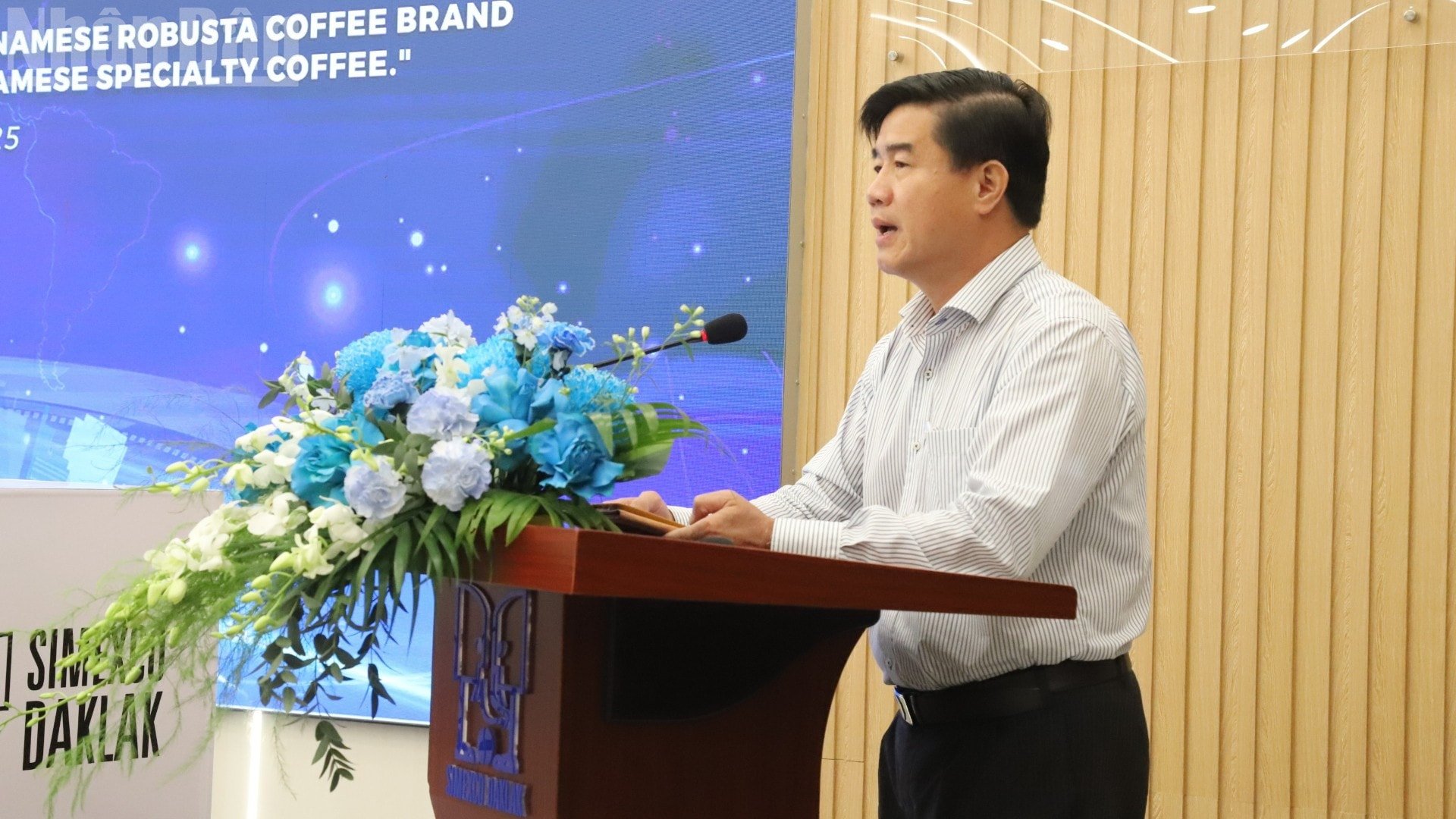
According to Nguyen Thien Van, Vice Chairman of the People's Committee of Dak Lak province, Dak Lak is the "coffee capital" of the country with an area of approximately 213,000 hectares and an annual production of around 545,000 tons.
Over the years, the People's Committee of Dak Lak province has consistently been at the forefront of implementing programs to develop high-quality coffee, promote sustainable replanting, and enhance the value of the supply chain.
From 2008 to the present, the province has implemented many important projects; in particular, Dak Lak's coffee growing area has achieved the world's first 4C-EUDR certification for non-deforestation products from the European Union, and currently 35% of the province's coffee growing area has been digitized.
In addition to focusing on raw material sources, Dak Lak is also at the forefront of promoting Vietnamese coffee to the world.
Since 2005, the province has organized the national-level Buon Ma Thuot Coffee Festival every two years, attracting hundreds of thousands of domestic and international visitors; at the same time, it announced the geographical indication for Buon Ma Thuot coffee , which has now been protected in 32 countries and territories worldwide.

To develop the brand and value of coffee, Dak Lak province has issued a plan to build Buon Ma Thuot into a "World Coffee City," while also offering many preferential policies on taxes and land use fees to attract investors in the coffee sector to Dak Lak. Notably, within the framework of the 2019 Buon Ma Thuot Coffee Festival, Dak Lak organized Vietnam's first specialty coffee competition – the Vietnam Amazing Cup.
To date, the competition has gone through 7 seasons, achieving very successful results; many winning products have gone on to participate and achieve high results in international competitions, and many samples have been rated Fine Robusta by the International Coffee Quality Institute with scores above 87 points, contributing to positioning Vietnamese coffee in the world market.
Developing a green and circular economy - elevating the brand of Vietnamese coffee.
According to Nguyen Nam Hai, Chairman of the Vietnam Coffee and Cocoa Association, the increasingly stringent regulations of importing countries, especially the European Union's Regulation on Deforestation and Forest Degradation (EUDR), and the growing demands of consumers worldwide, pose many challenges to Vietnam's coffee exports.
Therefore, VICOFA's development orientation for the Vietnamese coffee industry in the coming years is to develop production in the direction of ecological agriculture, green economy, and circular economy. This includes establishing green standards and elevating the brand of Vietnamese coffee through traceability, geographical indications, and carbon credits.
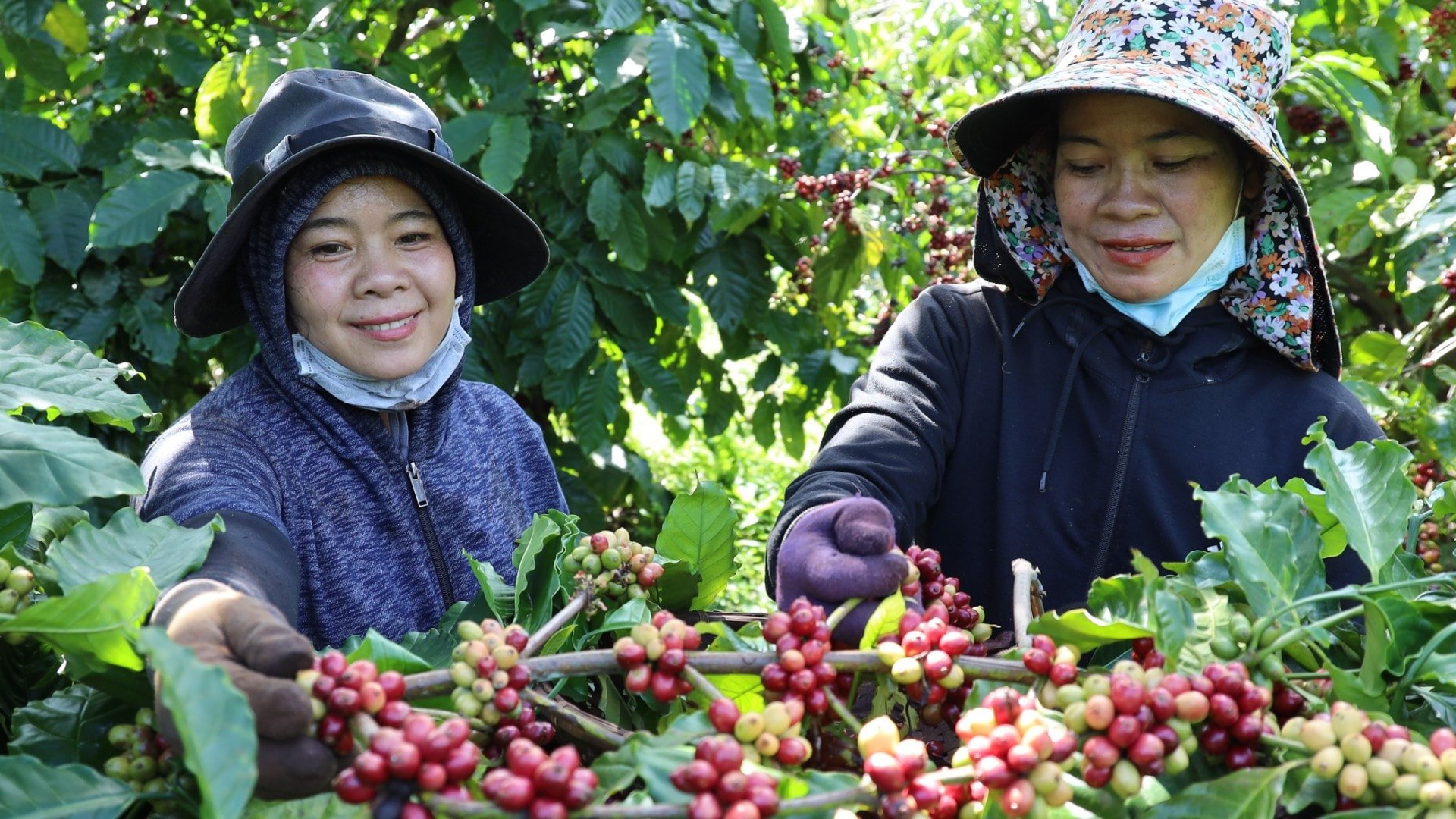
Regarding specialty coffee, the Ministry of Agriculture and Environment has approved a project to develop Vietnamese specialty coffee, aiming to increase the area and production of specialty coffee, support and build brands, expand markets, and improve product quality.
During the 2021-2025 period, the project aims for 11,500 hectares of specialty coffee plantations, accounting for approximately 2% of the total coffee area nationwide, with a production of 5,000 tons. By 2030, the target is 19,000 hectares, accounting for approximately 3% of the total coffee area nationwide, with a production of 11,000 tons.
However, there are currently no official figures on the total area and production of specialty coffee in Vietnam. Overall, Vietnam's specialty coffee potential is enormous, and there is a growing interest among young people and young businesses. Dak Lak, in particular, is a leading province in establishing the geographical indication for Buon Ma Thuot coffee and is gradually developing specialty coffee.

Chairman of the Buon Ma Thuot Coffee Association, Trinh Duc Minh, stated: During the period 2019-2025, the Association, along with its members, has made concerted efforts to implement various adaptation solutions, including: transforming farming models towards smart and sustainable practices; increasing the application of technology in production and processing; developing specialty coffee and high-quality coffee; participating deeply in value chains; and expanding export markets…
Simultaneously, it promotes linkages between farmers, businesses, scientists, and the government to enhance the competitiveness of the local coffee industry…
In the coming period, the Buon Ma Thuot Coffee Association will continue to strengthen the management, development, and protection of the Buon Ma Thuot geographical indication, maintaining its role as a bridge between its members and domestic and international agencies, businesses, and organizations.
Based on the development orientation of the coffee industry for the period 2025-2030, the Association will proactively propose and contribute to improving mechanisms and policies on regenerative agriculture, emission reduction, and compliance with EUDR regulations; promote the production and business of coffee with Buôn Ma Thuột geographical indication certification, sustainable coffee, specialty coffee, and deeply processed coffee.
At the same time, the Association will apply Industry 4.0 technology, enhance traceability and quality monitoring from farm to cup; encourage members to adopt circular economy models, contributing to the realization of Dak Lak province's Sustainable Coffee Development Plan with a vision to 2030 and the Vietnam Specialty Coffee Development Plan for the period 2021-2030.
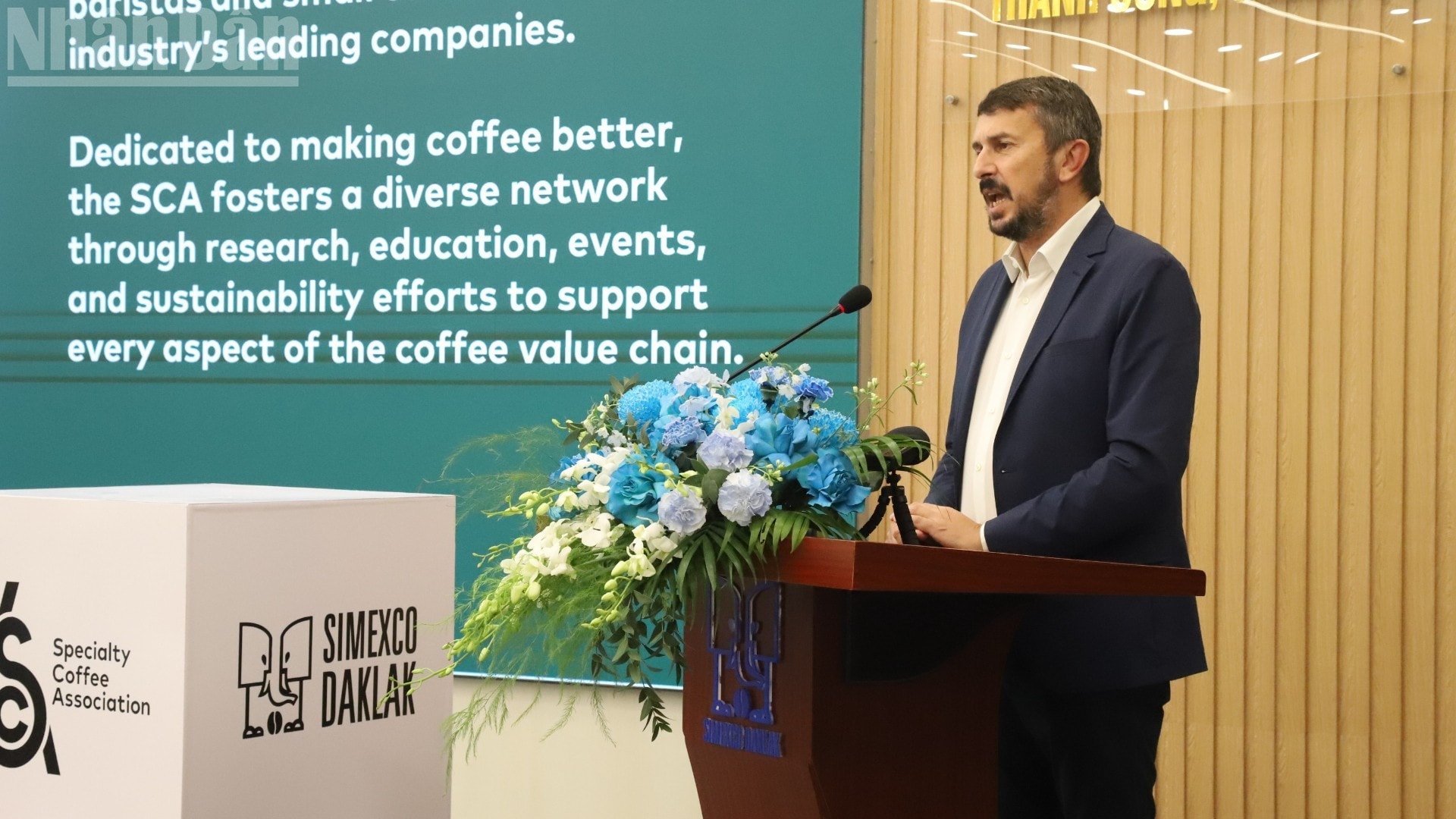
Vice Chairman of the People's Committee of Dak Lak province, Nguyen Thien Van, emphasized: "To continue strongly promoting the development of quality, brand, and value of Vietnam's coffee industry on the world map, Dak Lak province is committed to accompanying all parties in developing the specialty coffee value chain, from seeds, cultivation, processing to roasting and brewing."
With the global knowledge connection from the Specialty Coffee Organization and the leading role of VICOFA, we believe that Vietnam will become a destination for Robusta lovers worldwide, and the Buon Ma Thuot coffee brand will become a national brand for Vietnamese specialty coffee.”

At the seminar, representatives from the Specialty Coffee Organization, Trans-Pacific Partnership, Simexco Daklak, and other businesses offered practical solutions for building, promoting, and developing Vietnamese coffee brands in the US and globally, as well as introducing the potential of the specialty coffee market worldwide and in Vietnam…
Through this, we aim to continuously affirm our position and promote and develop our brand, elevating the status of Vietnamese coffee on the international stage.
Source: https://baolamdong.vn/quang-ba-phat-trien-thuong-hieu-ca-phe-robusta-va-ca-phe-dac-san-viet-nam-ra-toan-cau-402991.html




































































Comment (0)