

Large amount of capital, low disbursement rate.
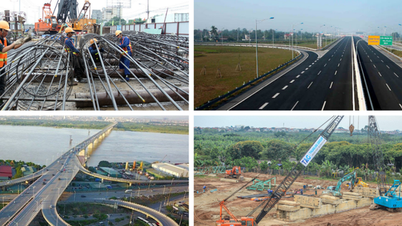
In 2024, Quang Nam province received a significant amount of public investment, especially for the three national target programs on new rural development, sustainable poverty reduction, and socio -economic development in ethnic minority and mountainous areas. However, in recent times, many units and localities have had very low disbursement rates, or even requested to return the allocated funds.
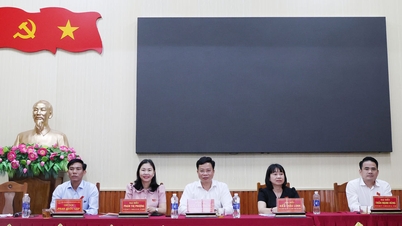
Recently, at the Conference on Public Investment Disbursement in 2024 and National Target Programs, Chairman of the Provincial People's Committee Le Van Dung stated that disbursing public investment capital is a crucial and urgent task for the province's development. Public investment drives private investment, and a low disbursement rate of public investment capital will lead to the province's economy lagging behind.
Low disbursement rate
According to Mr. Nguyen Phuoc Son, Chairman of the People's Committee of Que Son district, the total planned public investment capital in the district for 2024 is over 326.7 billion VND, of which over 56.2 billion VND is from 2023 funds carried over to 2024.
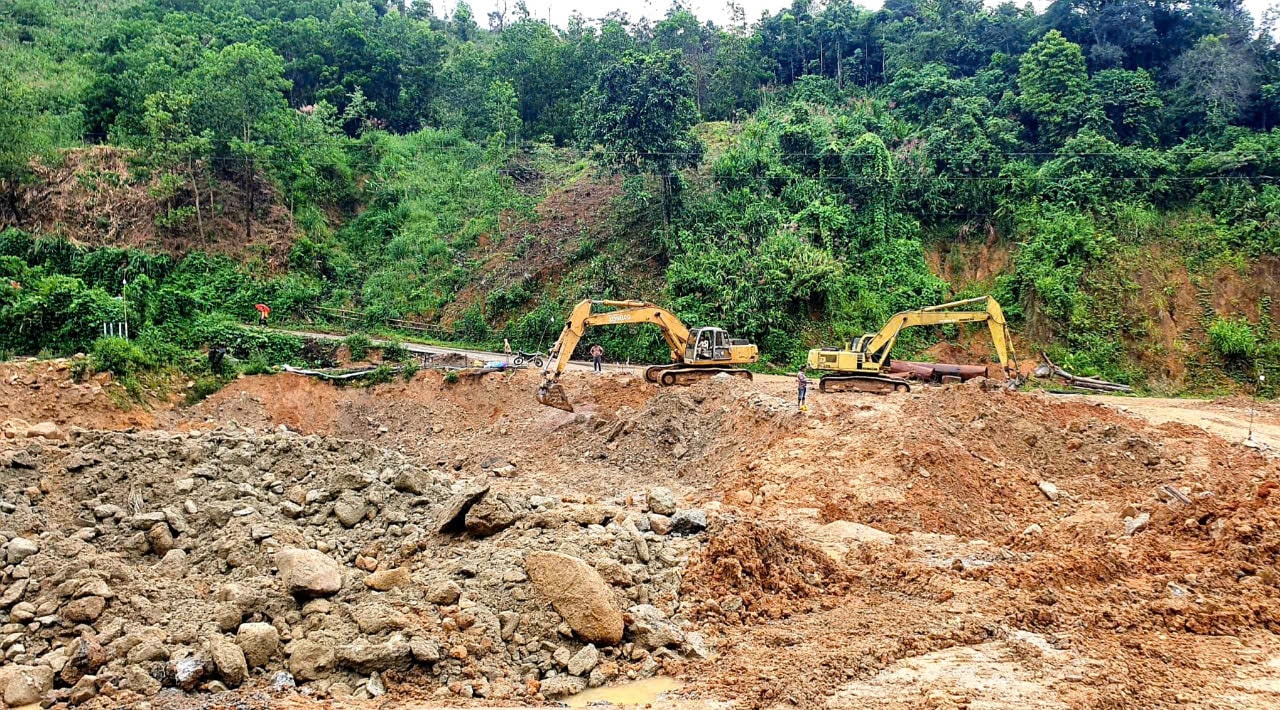
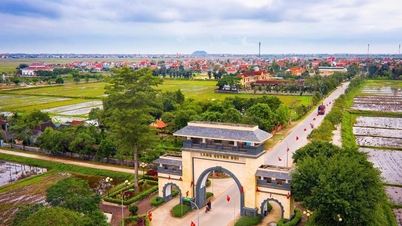
To date, detailed allocations have been made to projects totaling over 259.8 billion VND, reaching 79.69%. The remaining capital has not been allocated because the investors have not yet completed investment procedures and project codes, such as the police headquarters in the communes, revolutionary historical monuments, and solid waste treatment support projects in Dong Phu town...
According to Mr. Son, as of mid-October, Que Son had only disbursed over 78.8 billion VND of public investment capital, reaching 31.29%. Of this, over 26 billion VND from the 2023 budget carried over to 2024 was disbursed out of a total of over 56.2 billion VND, reaching 46.5%.
“The disbursement results in the district so far are low. Some key projects with large capital plans, such as the DH21 road, Chau Son reservoir, multi-purpose sports arena, and the centralized wastewater treatment system of Dong Phu 1 Industrial Cluster… still lack the volume of work to disburse funds,” Mr. Son said.
Provincial-level units have a very low disbursement rate.
According to a report by the Department of Planning and Investment, in 2024, the total capital for implementing the three programs on new rural development, sustainable poverty reduction, and socio-economic development in ethnic minority and mountainous areas by departments, agencies, associations, and units under the provincial administration of Quang Nam province is 206 billion VND (accounting for 5.7% of the national target program capital for the entire province), including: 91.2 billion VND in investment capital and 114.7 billion VND in recurrent expenditure capital. Of the total capital mentioned above, the capital plan for 2022 and 2023 (extended) is 94.3 billion VND, and the capital plan for 2024 is 111.3 billion VND.
To date, the Provincial People's Committee has allocated 195 out of 206 billion VND in detail, reaching 95%. As of October 22, 2024, departments, agencies, associations, and units under the provincial administration have only disbursed 37.5 billion VND, reaching 18% (lower than the current provincial average of 30%).
According to the Department of Planning and Investment, the total public investment capital for 2024 is VND 8,884.283 billion, including: VND 7,056.868 billion planned for 2024; and VND 1,827.415 billion carried over from 2023 to 2024. To date, VND 6,614.403 billion of the 2024 plan has been allocated in detail to sectors and localities, reaching 94%; the remaining capital of VND 442.465 billion has not yet been allocated in detail. Specifically, the capital for implementing the National Target Program on Sustainable Poverty Reduction in 2024 (excluding district-level counterpart funding) is over VND 1,272 billion.
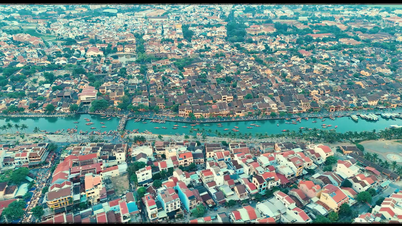
Over the past 10 months, the province's public investment disbursement rate has only reached 46.8%, lower than the national average. Several localities and departments have low disbursement rates, including Hoi An; Que Son, Bac Tra My, and Nui Thanh districts; the Department of Agriculture and Rural Development; and the Provincial Investment and Construction Project Management Board.
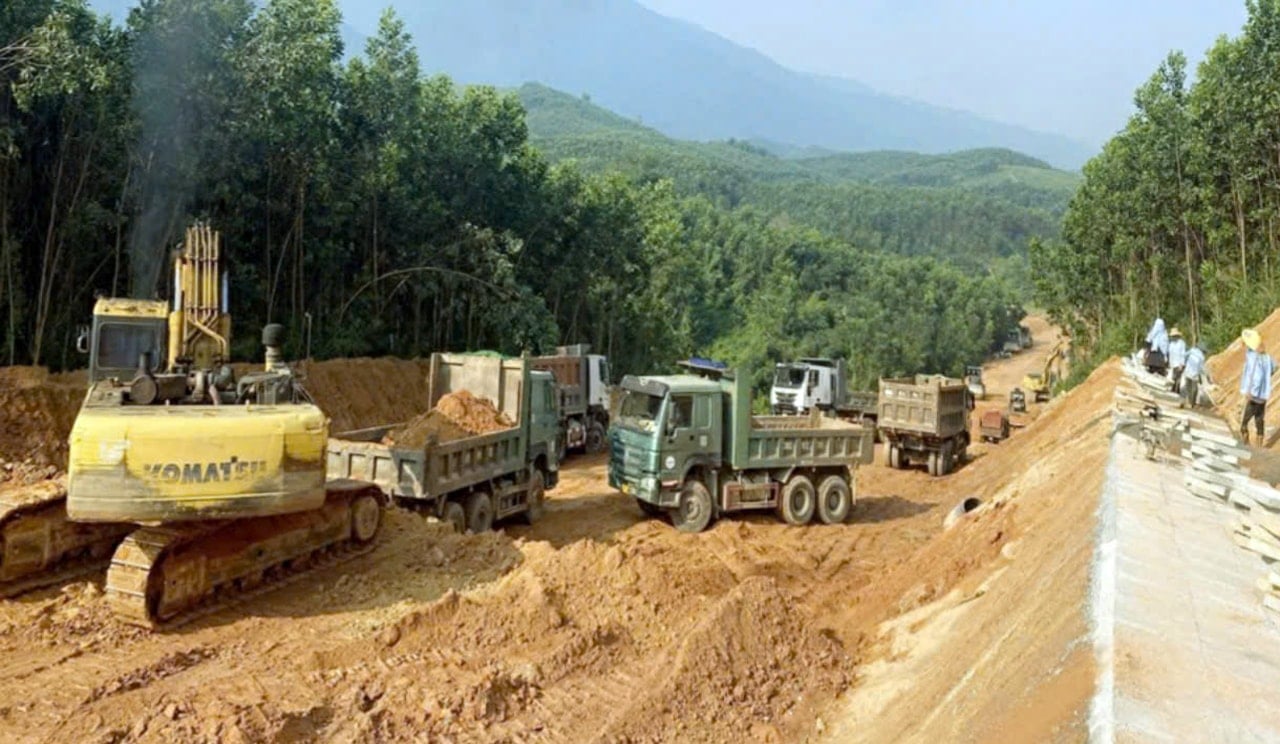
Mr. Nguyen Quang Thu, Director of the Department of Planning and Investment, stated that in recent times, the implementation of the three national target programs in many localities has been slow. In the first months of 2024, localities mainly focused on approving investment lists, with investors completing investment procedures to advise on approval and capital allocation; many units are still slow in completing investment procedures for projects such as investment project approval, budget estimates, and bidding… therefore, mountainous districts have not yet fully allocated the assigned capital plan.
Not spending all the capital
According to Mr. Nguyen Minh Chau, Vice Chairman of the People's Committee of Que Son district, the total planned capital for implementing the National Target Program on Sustainable Poverty Reduction in 2024 is nearly 20.7 billion VND, of which over 10.6 billion VND is carried over from 2022-2023 and over 10 billion VND is allocated for 2024.
However, in the past period, Que Son district was unable to fully utilize the aforementioned funds, and the District People's Committee has submitted a document requesting the competent authorities of the province to return over 9.5 billion VND, including over 8.7 billion VND from the central government budget and over 773 million VND from the provincial budget.
“The reason for not fully utilizing the national target program's sustainable poverty reduction funds is that in 2023, localities in Que Son implemented poverty reduction models under Project 2 and Sub-project 1 of Project 3, with a relatively large number of poor, near-poor, and newly-escaped-poverty households participating. Therefore, the remaining households were unable to participate in the poverty reduction project models anymore. Consequently, the funds for Project 2 and Sub-project 1 of Project 3 could not be used and had to be returned,” Mr. Chau said.
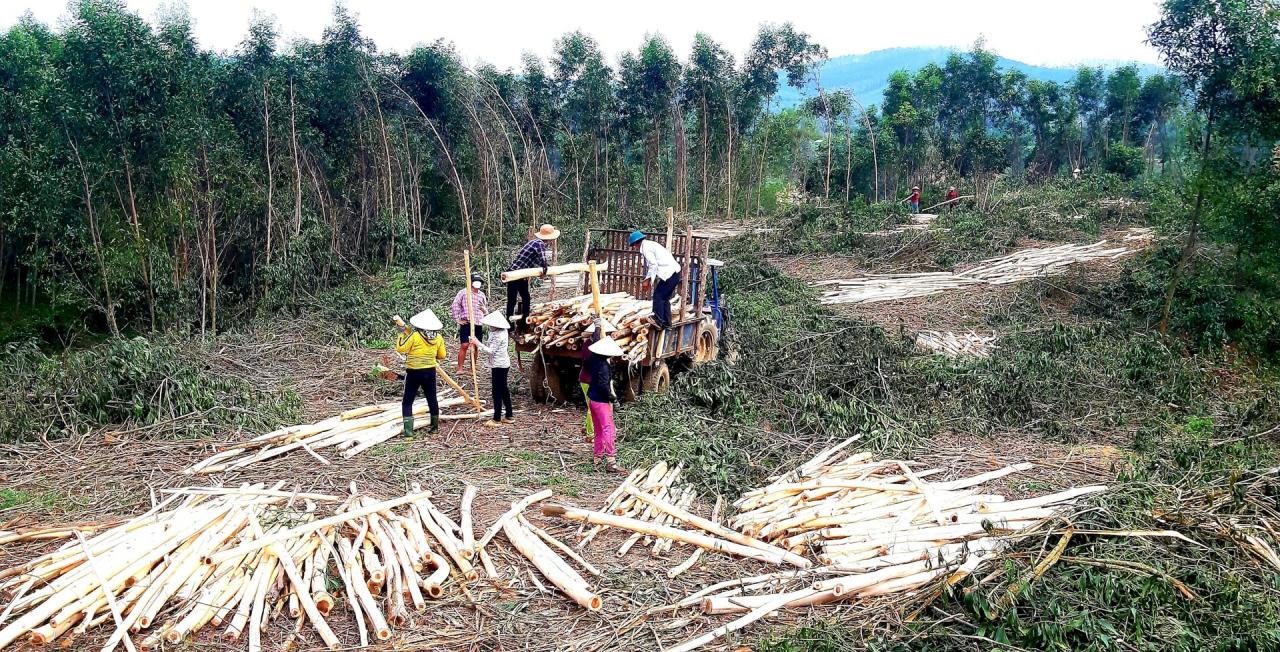
Meanwhile, Mr. Nguyen Van Nam, Chairman of the People's Committee of Hiep Duc District, stated that the total budget for the National Target Program on Sustainable Poverty Reduction in 2024 in the locality is over 8.5 billion VND. As of October 15, 2024, only 624.1 million VND had been disbursed, reaching 7.3%. After inspection and review, it is estimated that by the end of 2024, nearly 7.3% of the total 8.5 billion VND will have been disbursed, reaching 85%; the district is unlikely to disburse over 1.277 billion VND by the end of this year.
Notably, for the National Target Program on socio-economic development in ethnic minority and mountainous areas, Hiep Duc district was allocated over 43.6 billion VND from recurrent expenditure funds in 2024. However, as of October 15, 2024, the district had only disbursed nearly 821 million VND, reaching 1.9%. After inspection and review, it is estimated that by the end of 2024, Hiep Duc will have disbursed over 12.5 billion VND out of a total of over 43.6 billion VND, reaching 28.8%. Currently, the district has determined that over 31 billion VND is unlikely to be disbursed by the end of 2024.
Not only Que Son and Hiep Duc, but also many localities and units at the provincial level have submitted reports to competent authorities requesting to return a considerable amount of capital from the three national target programs in 2024, anticipating that they cannot fully utilize the allocated funds.
Surrounded by difficulties
Limited human resources, obstacles in land clearance, scarcity of construction materials, and overlapping implementation of support mechanisms are considered the main reasons why the disbursement rate of public investment capital, especially for the three national target programs in Quang Nam, is low.
From the human factor…
Following the establishment of five working groups to monitor disbursement progress under Decision No. 1904 of the Provincial People's Committee, the main factors contributing to the low disbursement rate have been identified.
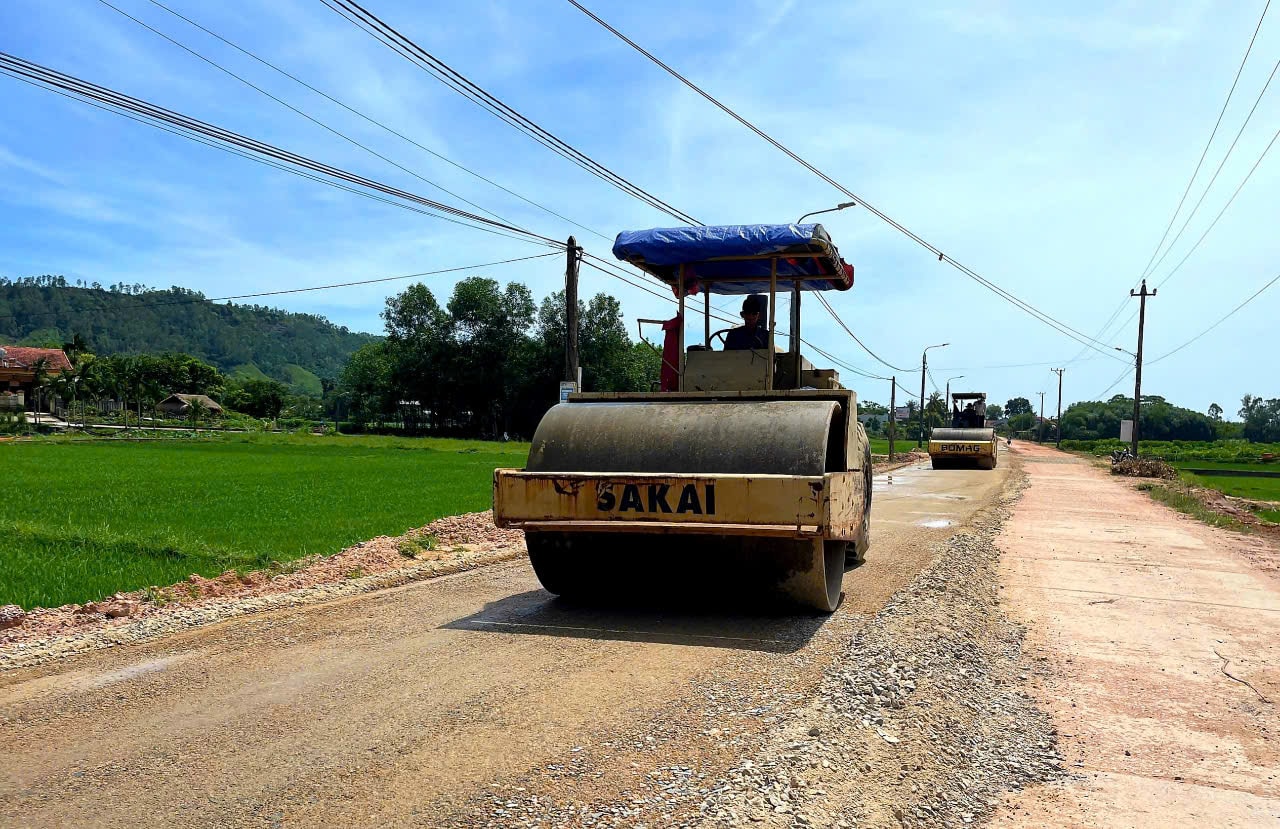
According to a representative from the Department of Planning and Investment, over the past two months, provincial task forces have conducted on-site inspections at 17 units and localities. The main reason for the low disbursement rate remains the implementation process.
Many district-level localities have assigned Standing Committee members to oversee key projects, but the leadership has not been consistent, decisive, or thorough. Despite having the same legal framework, some units and localities that focus on leadership have good disbursement rates, while those that lack focus and decisiveness in leadership have low disbursement rates.
Many opinions suggest that a major concern is the inadequate capacity of many consulting firms; the limited professional competence of some project owners (especially at the commune level); and the lack of strict inspection and supervision during the preparation and acceptance of project documents, leading to very slow settlement and payment processes for projects in many localities. This has consequently affected the investment capital disbursement plan for the first months of 2024.
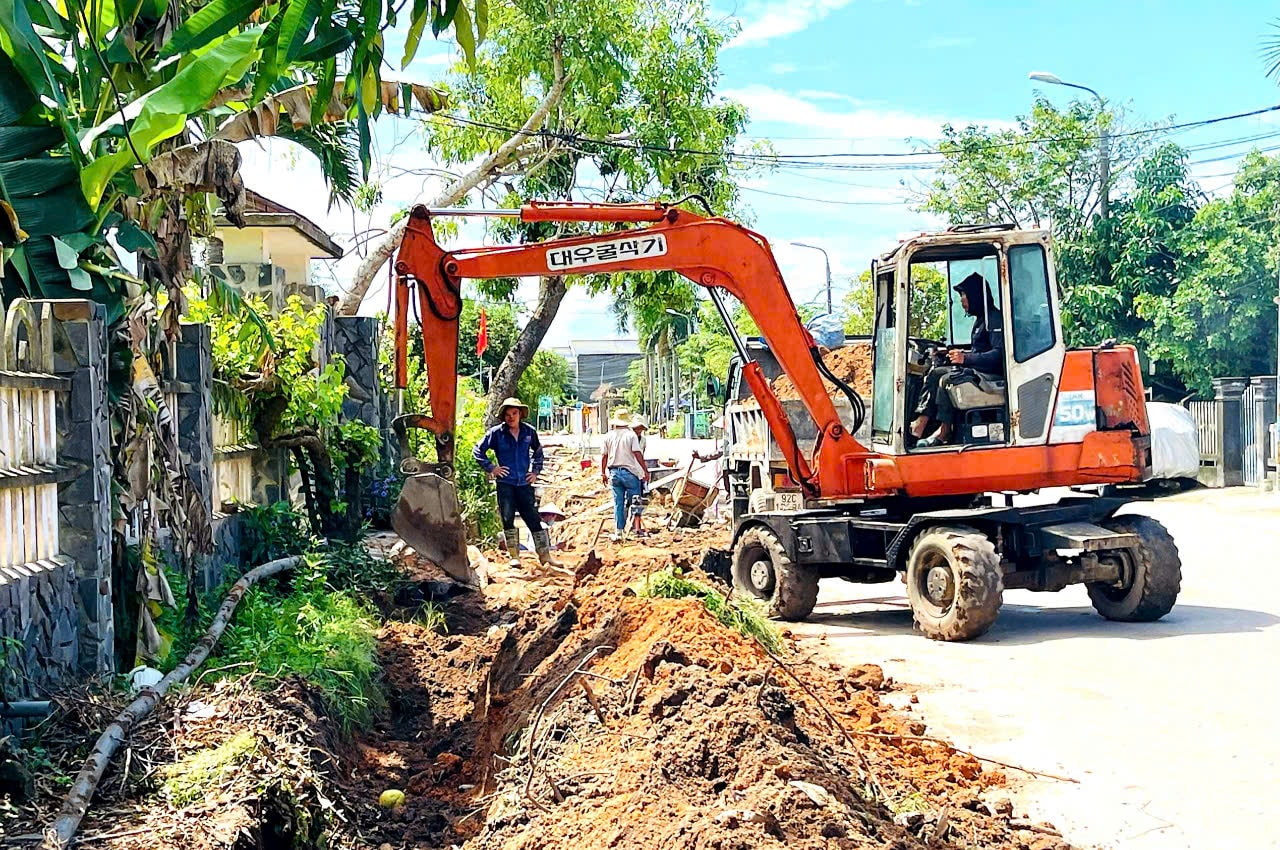
Mr. Nguyen Van Hoa, Chairman of the People's Committee of Nong Son District, said that the locality is facing difficulties in the compensation and land clearance process. This includes verifying land ownership, surveying land plots, and determining specific land prices; obstacles related to compensation for residential land, 5% public land, forest land under the KFW6 project, and protective forests; and some households disagreeing and demanding compensation at rates excessively high compared to regulations, thus requiring coercive procedures that take a long time.
“In Nong Son, there is a significant shortage of technical staff for project appraisal and management, as well as staff responsible for compensation and land clearance, and some are hesitant to take responsibility. At the same time, the merger of the districts has also somewhat affected the mindset of officials and civil servants,” Mr. Hoa added.
...leading to difficulties and obstacles arising
Representatives from the Department of Labor, War Invalids and Social Affairs acknowledged that there are many reasons leading to the low disbursement rate of funds for the national target program on sustainable poverty reduction in 2024.
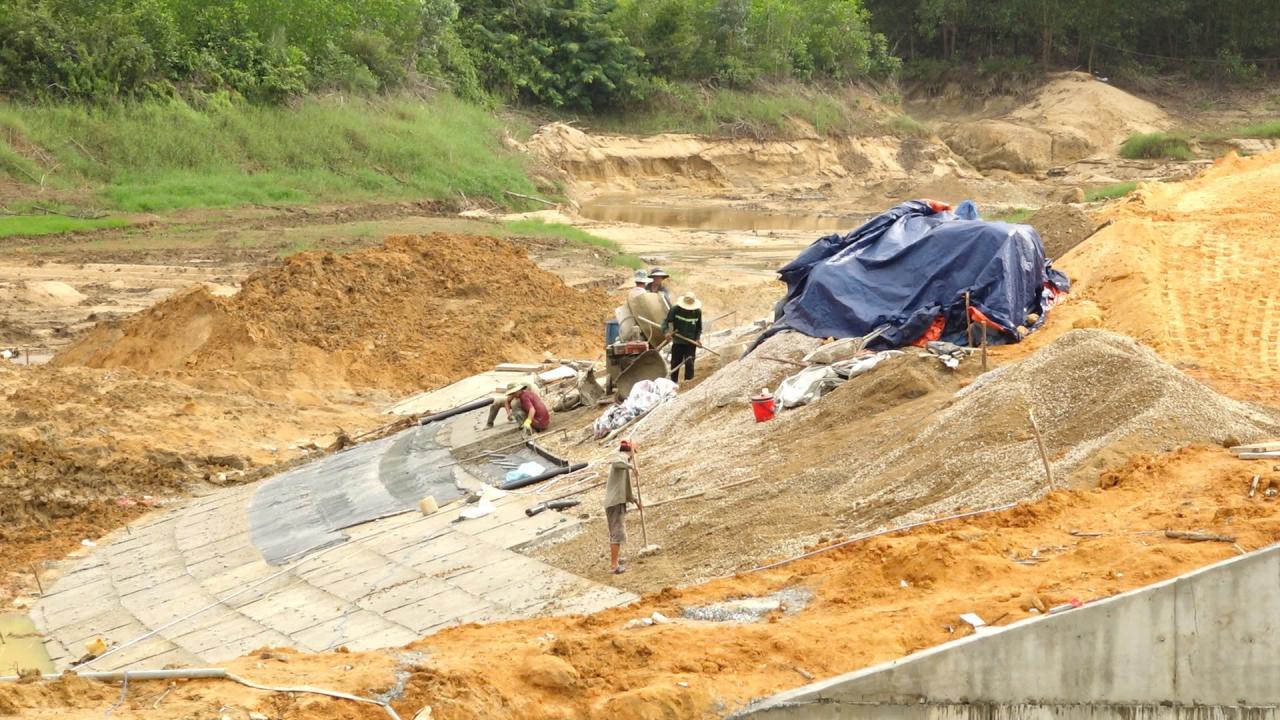
Accordingly, the capital from 2022-2023 carried over into 2024, and the total capital plan for 2024 is very large. This also creates pressure on the procedures for capital allocation, distribution, investment, implementation, and disbursement by provincial departments, agencies, and local authorities.
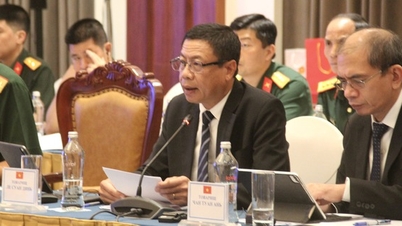
Mr. Nguyen Tan Van, Deputy Director of the Department of Planning and Investment, said that the current disbursement rate of operational funds is too low, mainly due to the confusion of units and localities in implementing the 2023 Bidding Law. Notably, the requirement to bid for funds exceeding 100 million VND, the difficulties in hiring bidding consultants, and the low cost of bidding consultants make it hard to find suitable contractors...
Many believe that open bidding through the national online bidding system has contributed to improving the efficiency of the bidding process; creating a competitive, fair, transparent environment; saving time and costs; minimizing administrative procedures; resulting in a high bid reduction rate; and contributing to budget savings. However, some contractors participating in the bidding process did not thoroughly understand and properly assess the current state of the terrain, natural conditions, weather, transportation conditions, etc. Therefore, when they win the bid and begin construction, they encounter many difficulties due to inadequate preparation of materials, machinery, equipment, and personnel. This leads to slow construction progress and failure to meet the committed schedule with the investor.
Furthermore, the guidelines for implementing the poverty reduction program contain some provisions that are not yet regulated or guided, or the stipulated support levels are too low and too long-term, no longer relevant to reality. Some regulations on bidding are inadequate and not suitable for the practical implementation of the program's activities and tasks.
Notably, the implementation of the poverty reduction program faces unfavorable conditions, with allocated funds primarily concentrated in poor districts, mountainous areas, and ethnic minority regions – where the number of poor households is large and the poverty rate is high. The large number of investment projects and programs, mostly implemented in mountainous and forested areas, are hampered by planning issues and forest land conflicts, significantly impacting implementation in these localities.
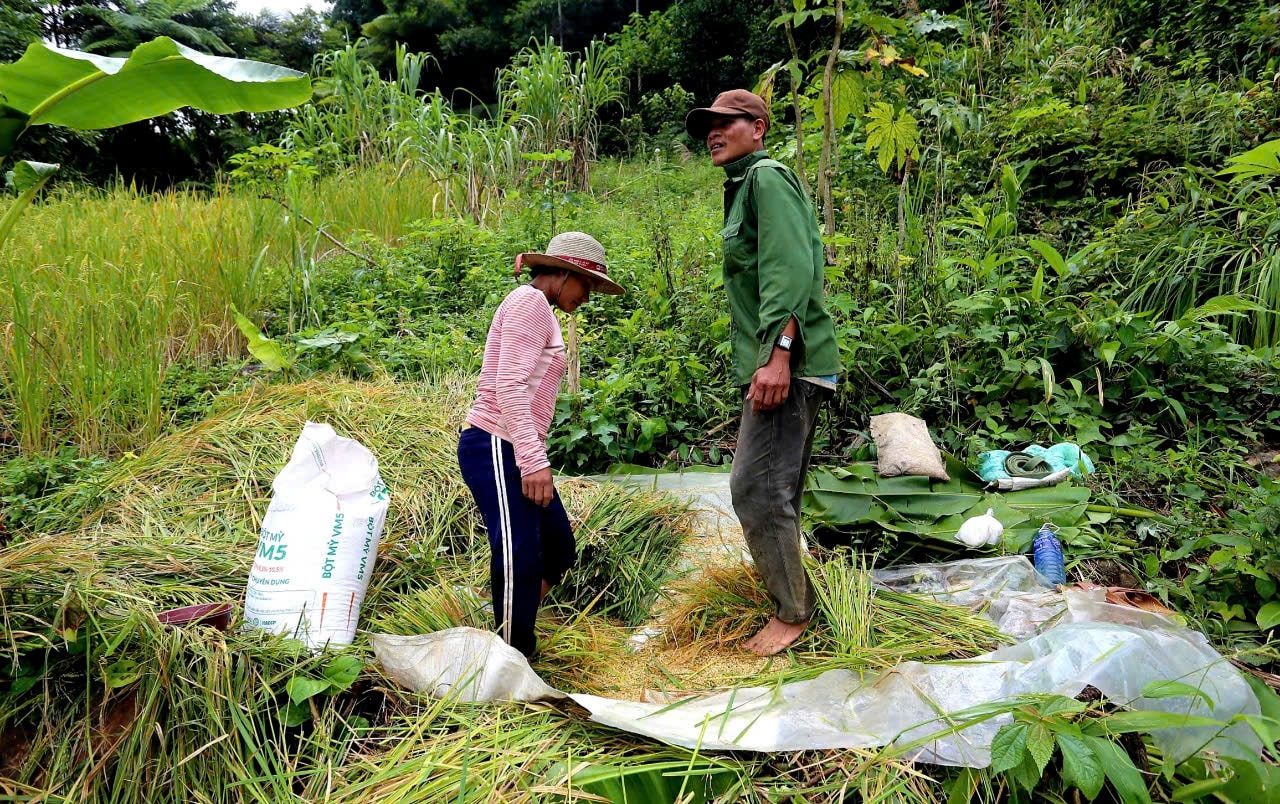
Some component projects of the poverty reduction program have too few beneficiaries, or beneficiaries who do not need support because they have already received support from businesses, leading to limited implementation results and low disbursement. Projects supporting production development under the three national target programs are implemented simultaneously in the same area (district, commune), leading to a shortage of livestock; capital allocated to many agencies and units leads to a lack of uniformity in the support rates for livestock and plant seedlings, especially livestock...
Flexible power source switching
Flexibly reallocating funds, closely monitoring each project to provide timely solutions and support to localities when needed… are urgent tasks that departments and agencies are implementing to ensure that disbursement meets the targets set by the Prime Minister .
Public service units accelerate
According to the Department of Labor, War Invalids and Social Affairs, the department has worked with the People's Committees of Tien Phuoc, Nam Tra My, Bac Tra My, Nam Giang, and Dong Giang districts to review and determine needs and propose the allocation and reallocation of funds that are difficult to disburse in order to ensure the planned disbursement schedule. Currently, the remaining unallocated funds for the national target program on sustainable poverty reduction in the provincial budget is over 1 billion VND.
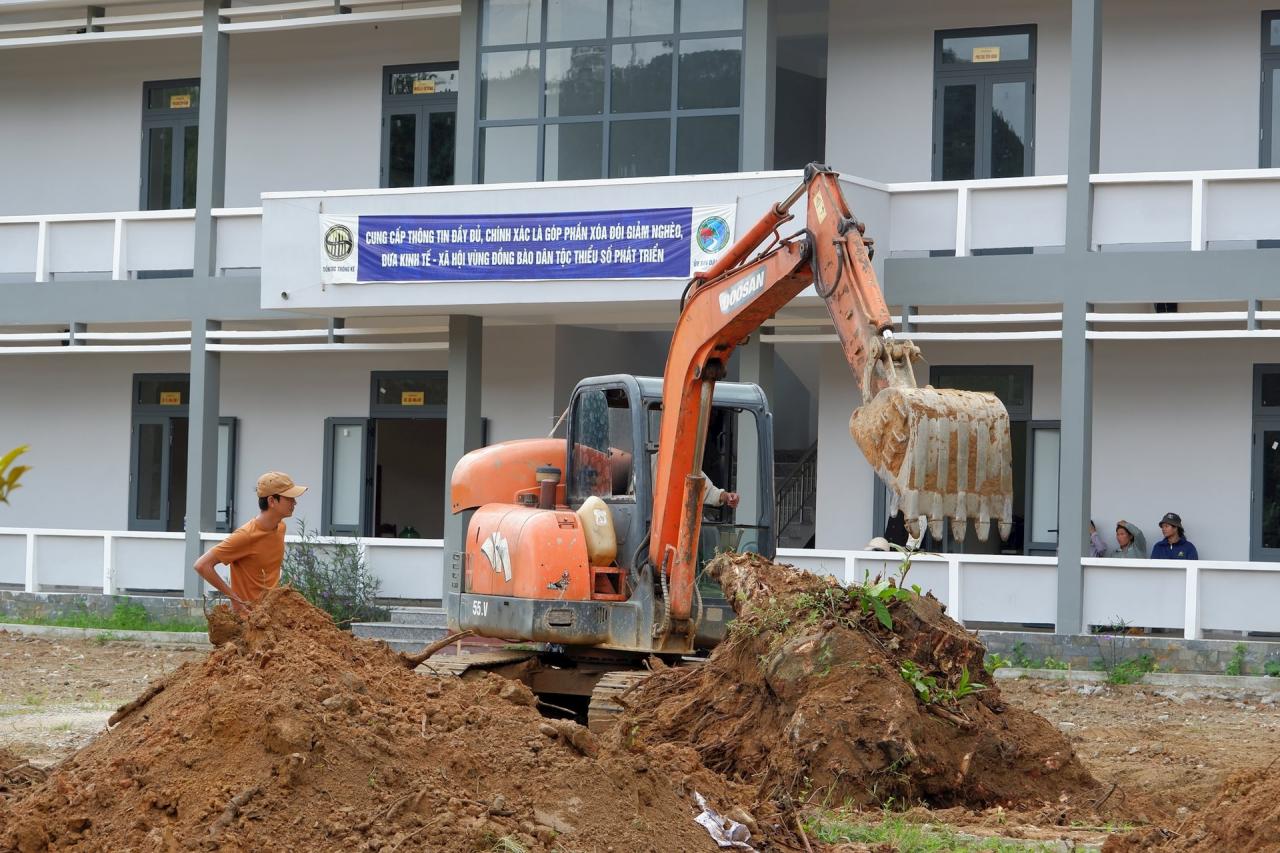
To date, the department has received proposals from the aforementioned localities to adjust and supplement funding, as well as a proposal from the Department of Information and Communications to reduce the budget estimate.
“Based on reports and proposals from units and localities, the Department of Labor, War Invalids and Social Affairs compiles data to adjust the budget estimates and sends it to the Department of Finance for coordination and overall review before advising the Provincial People's Committee to submit the third adjustment plan to the Provincial People's Council for consideration at the 27th session, as directed by the Provincial People's Committee,” said Ms. Truong Thi Loc, Director of the Department of Labor, War Invalids and Social Affairs.
Specifically, for the Department of Information and Communications, the total estimated budget for recurrent expenditures from the central and provincial budgets for 2024 is 4.1 billion VND, including 3.7 billion VND from the central budget and over 406 million VND from the provincial budget. The Department of Information and Communications proposed a reduction of over 3.5 billion VND for the implementation of Sub-project 1 - Project 6. The Department of Labor, War Invalids and Social Affairs proposed a reduction of 2.9 billion VND for the implementation of Sub-project 1, Sub-project 3 - Project 4, Sub-project 2 - Project 6, and Project 7. An adjustment and reallocation of the estimated budget for recurrent expenditures from the central and provincial budgets for Project 2 increased by nearly 1.4 billion VND…
Mr. Nguyen Tan Van, Deputy Director of the Department of Planning and Investment, stated that units need to urgently complete investment procedures and accelerate disbursement to ensure the set plan is met, striving to disburse 100% of allocated capital by the end of 2024. Units assigned to lead projects and sub-projects under national target programs must carefully study the documents from relevant ministries and agencies guiding and responding to local requests regarding program implementation. From there, they should develop solutions to promote capital disbursement and prevent losses and waste during implementation.
Closely monitor each project.
According to Nguyen Quang Thu, Director of the Department of Planning and Investment, in order to disburse over 95% of the public investment capital allocated by the Prime Minister in 2024, leaders of Party committees and governments at all levels and localities need to directly oversee and periodically (every two weeks) assess the disbursement rate of key projects with large capital plans to promptly address and resolve difficulties and obstacles arising in each specific project.
Furthermore, due to a shortfall in land use revenue, for projects that have been allocated capital in the 2024 plan from land use revenue but have a disbursement rate below 40%, the remaining undisbursed capital will be recovered to balance the shortfall. For projects facing prolonged compensation and land clearance issues, the Director of the Department of Planning and Investment requests that project owners actively propose solutions to resolve the problems. If continued implementation is not possible, they should propose halting the project or reducing its scale to finalize the completed portion of the project.
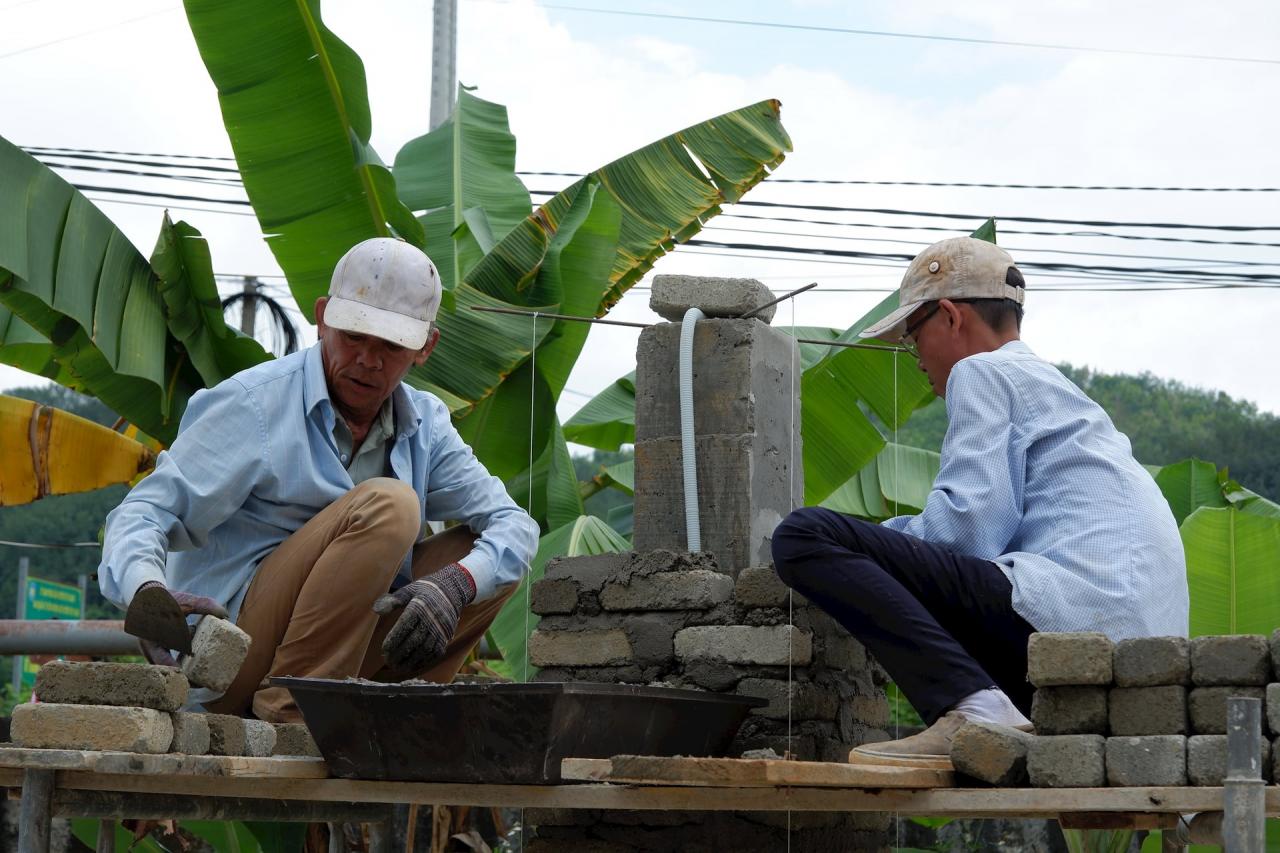
“Project owners need to proactively check and review the disbursement capacity of each specific project with a low disbursement rate to propose to the competent authority to adjust the capital plan to projects that ensure the volume of work completed. Disbursement can be made immediately upon receiving additional capital from within each unit, or a request can be made to the competent authority to adjust and reduce the annual capital plan to reallocate funds to units and localities in need of additional capital during the upcoming Provincial People's Council meeting,” said Mr. Nguyen Quang Thu.
Vice Chairman of the Provincial People's Committee Tran Anh Tuan - Head of the Steering Committee for National Target Programs in Quang Nam province - requested the Department of Finance, based on proposals from departments and agencies, to urgently complete the relevant documents and procedures to advise the Provincial People's Committee to submit to the Provincial People's Council for adjustment of the operational budget for the implementation of the Program in the province, in accordance with Resolution No. 111, at the upcoming session.
“The Department of Finance advises the Provincial People's Committee to issue a directive to rectify the situation, requiring units and localities to follow the prescribed procedures when returning funds to the provincial budget. Funds will not be accepted into the provincial budget from units and localities that do not comply with the correct procedures. The Department of Planning and Investment is urged to promptly inspect and advise the Provincial People's Committee on the allocation of the remaining unallocated central government budget investment reserve for 2024 in the National Target Program for New Rural Development. For funds already allocated to localities but unable to complete the disbursement process, the Department will advise the competent authority to reallocate the funds…” – Vice Chairman of the Provincial People's Committee Tran Anh Tuan stated.
Follow each project closely, resolve each obstacle.
Many localities are striving to closely monitor each project and support investors to accelerate implementation progress, thereby contributing to an increased disbursement rate.
Closely monitor each project.
According to Mr. Tran Van Man, Vice Chairman of the People's Committee of Nam Tra My district, compared to the disbursement results on August 14th, the total disbursement of funds from the three national target programs in Nam Tra My district increased by more than 9.5 billion VND, or 3.37%, one month later. Of this, public investment disbursement increased by more than 6.5 billion VND and recurrent expenditure disbursement increased by nearly 3 billion VND.
The local authorities have closely monitored and supported the units in overcoming difficulties to accelerate the progress of the projects.
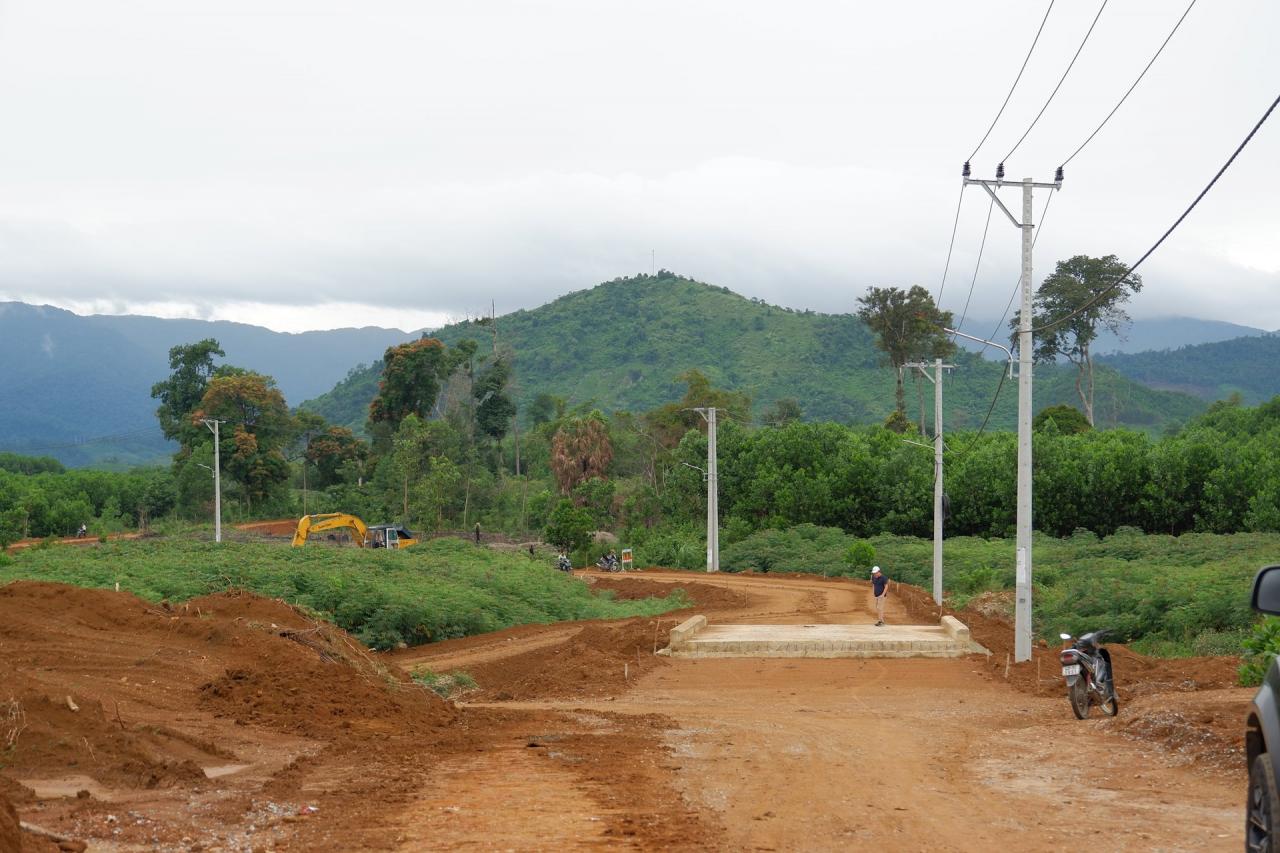
“Based on the detailed allocation of operational funds for the implementation of the three National Target Programs after the budget adjustment by the Provincial People's Council, the District People's Committee will review and allocate 100% of the adjusted capital plan and require project owners to overcome obstacles and promptly complete the dossiers. At the same time, we will expedite the appraisal, approval, and implementation process. We are committed to ensuring the disbursement rate of funds according to the plan and the directives of the Provincial People's Committee,” said Mr. Tran Van Man.
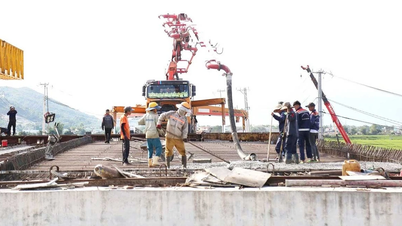
In Phuoc Son district, difficulties include slow investment preparation by some investors, some projects still lacking allocated capital, prolonged land clearance delays, shortages of construction materials, and fluctuating material prices. Additionally, some projects did not anticipate all the issues that arose during the planning and design phases, leading to adjustments and additions.
According to Le Quang Trung, Chairman of the People's Committee of Phuoc Son district, the locality has focused on directing investors to urgently complete procedures and documents for approval and final allocation of planned capital for 2024. By September 30, 2024, Phuoc Son had allocated 100% of the planned capital.
"We are reviewing the disbursement process of each specific project with a low disbursement rate and the inability to disburse the entire allocated capital plan for 2024, in order to reallocate the capital plan to projects that ensure sufficient volume and are capable of immediate disbursement upon receiving the funds," Mr. Le Quang Trung emphasized.
Phuoc Son also proactively reviewed the list of projects to ensure they align with the objectives of each program and adjusted funding. “We are urgently reviewing and finalizing the accounts for completed investment projects using state budget funds that have been put into use but have not yet been settled, especially those projects with delayed settlements exceeding 24 months. For project owners, the Phuoc Son District People's Committee requires them to provide regular information and reports to relevant agencies to ensure timely and practical guidance, and to promptly address difficulties and obstacles during implementation,” said Le Quang Trung, Chairman of the Phuoc Son District People's Committee.
Addressing policy obstacles
Despite being the mountainous locality with the best disbursement rate in the province, Nam Giang still faces many difficulties. The rapid changes in some policies mean that local officials have limited capacity and are unable to keep up. Furthermore, due to the unique characteristics of the population, land clearance and resettlement work has not been as successful as desired.
In particular, National Highway 14D from Ben Giang to the highland communes is severely damaged, leading to traffic diversion, circulation, and transportation of construction materials that are not smooth, causing delays and affecting the progress of construction projects in the district...
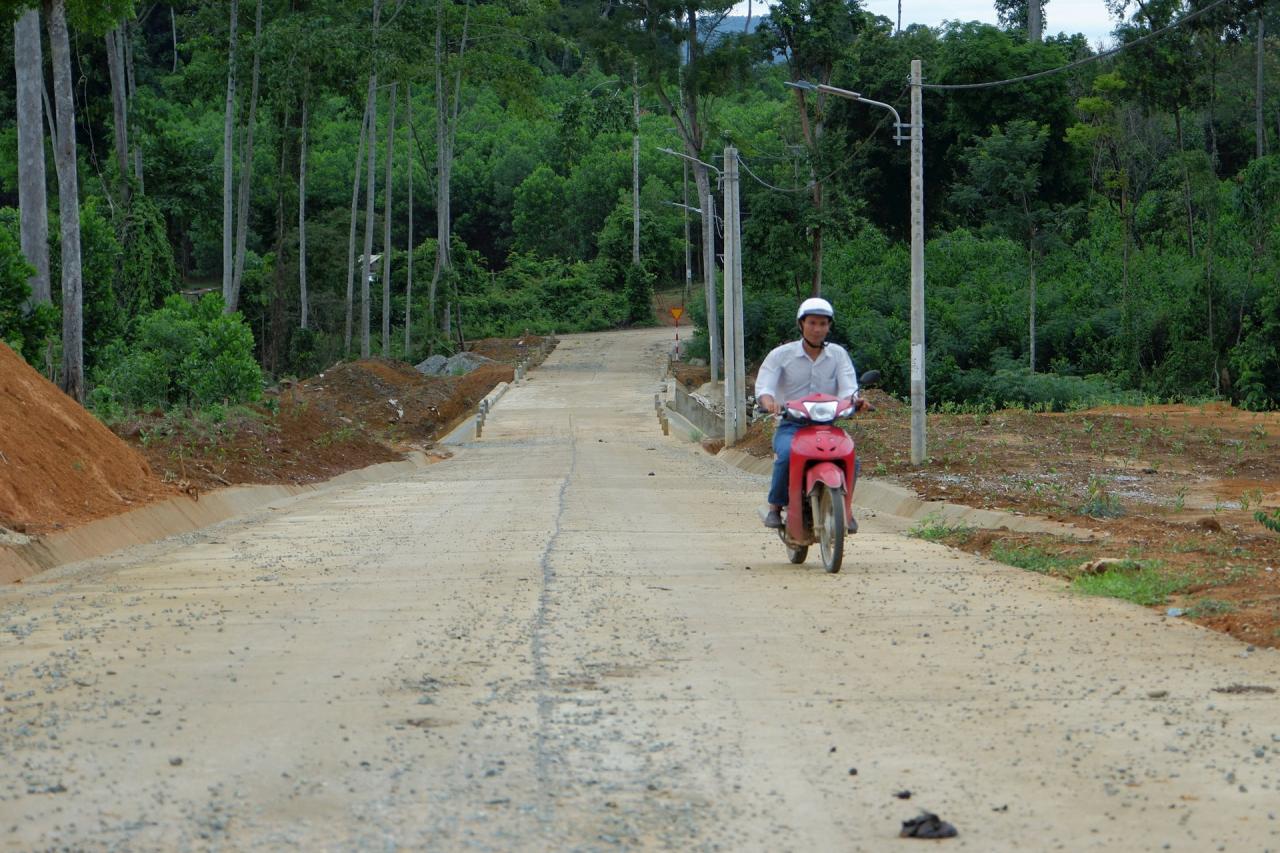
Mr. A Viet Son, Chairman of the People's Committee of Nam Giang district, shared that the locality will complete the disbursement plan on schedule. Accordingly, by the end of the third quarter of 2024, more than 70% of the investment and operational capital plan will be disbursed, and it is expected that 100% of the capital plan will be disbursed by the end of January 2025. To achieve this progress, Nam Giang will have to resolve some obstacles in the sub-projects of the three national target programs.
Regarding Sub-project 1, Project 5 of the National Target Program for socio-economic development in ethnic minority and mountainous areas focusing on literacy eradication, this locality requests detailed guidance on preparing payment documents for several items such as allowances for teachers, procedures for distributing materials, and expenses for training and professional development for managers, teachers, and participants in literacy eradication work... in order to ensure consistent archiving, documentation, and payment receipts.
“We hope the Provincial People's Committee and provincial departments will specify the support regime for people participating in literacy programs to encourage and motivate learners to actively participate in learning, thereby achieving better results in literacy programs. Consider expanding the task to the district level to effectively implement Sub-project 2 of Project 10 of the National Target Program for socio-economic development in ethnic minority and mountainous areas, focusing on the application of information technology to support socio-economic development and ensure security and order in ethnic minority and mountainous areas. And promptly issue regulations and guidelines for localities to organize the payment of costs for forest management and protection under Project 3 - Sub-project 1, as stipulated in Government Decree 58/2024/ND-CP dated May 24, 2024. This will help Nam Giang best fulfill its disbursement nhiệm vụ,” Mr. Son suggested.
Content: MAI NHI - NHÃ PHƯƠNG - H.ĐẠO - V.SỰ - ĐÔNG YÊN
Source: https://baoquangnam.vn/tang-toc-giai-ngan-3143689.html


![[Photo] General Secretary and President To Lam presides over a working session with the Central Policy and Strategy Committee on the development of the materials industry.](https://vphoto.vietnam.vn/thumb/1200x675/vietnam/resource/IMAGE/2026/05/21/1779359935432_a3-bnd-3129-1412-jpg.webp)


![[Photo] National Assembly Chairman Tran Thanh Man working with the Standing Committee of the Law and Justice Committee](https://vphoto.vietnam.vn/thumb/1200x675/vietnam/resource/IMAGE/2026/05/21/1779378929214_ndo_br_1-4610-jpg.webp)







































































Comment (0)