

Promoting blue ocean economy and sustainable development
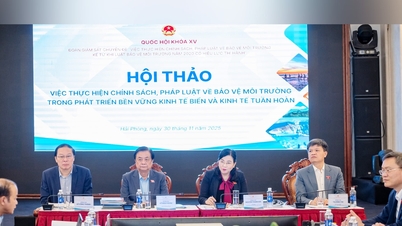
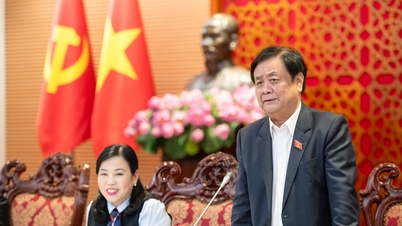
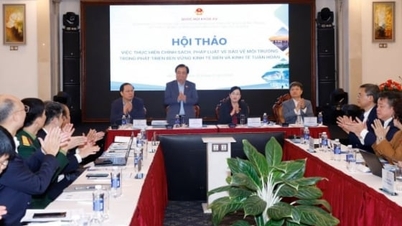
On the morning of November 30, the National Assembly's Supervisory Delegation coordinated with the Ministry of Agriculture and Environment and the People's Committee of Hai Phong City to organize a workshop on "Implementing policies and laws on environmental protection in sustainable development of marine economy and circular economy".
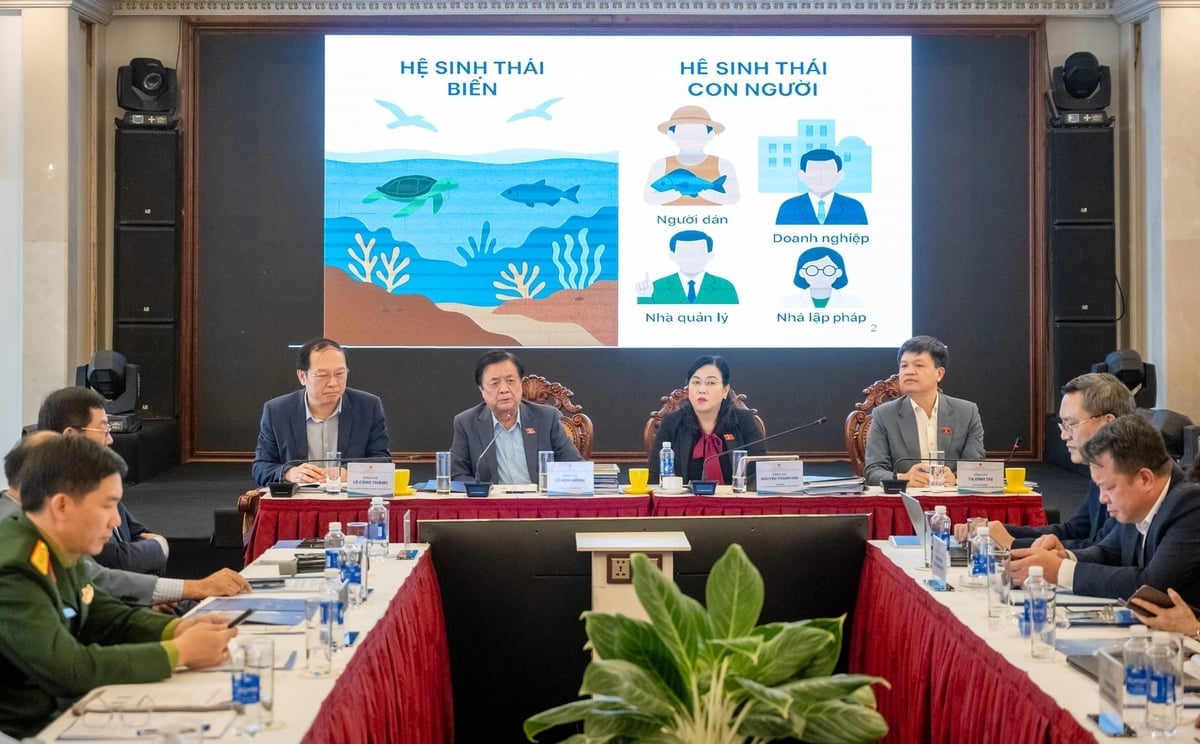
Workshop on “Implementing policies and laws on environmental protection in sustainable development of marine economy and circular economy”. Photo: Pham Thang.
The workshop was chaired by Vice Chairman of the National Assembly Le Minh Hoan, with the participation of leaders of ministries, sectors, coastal localities and representatives of major corporations and research institutes.
At the workshop on policies and laws in sustainable development of the marine economy, experts, managers and businesses analyzed the results, limitations and strategic directions to make a breakthrough in the green and sustainable direction of Vietnam's marine economy. In particular, the basic investigation of marine resources and environment continued to be affirmed as an important foundation, determining the quality of all planning, strategies and implementation actions.
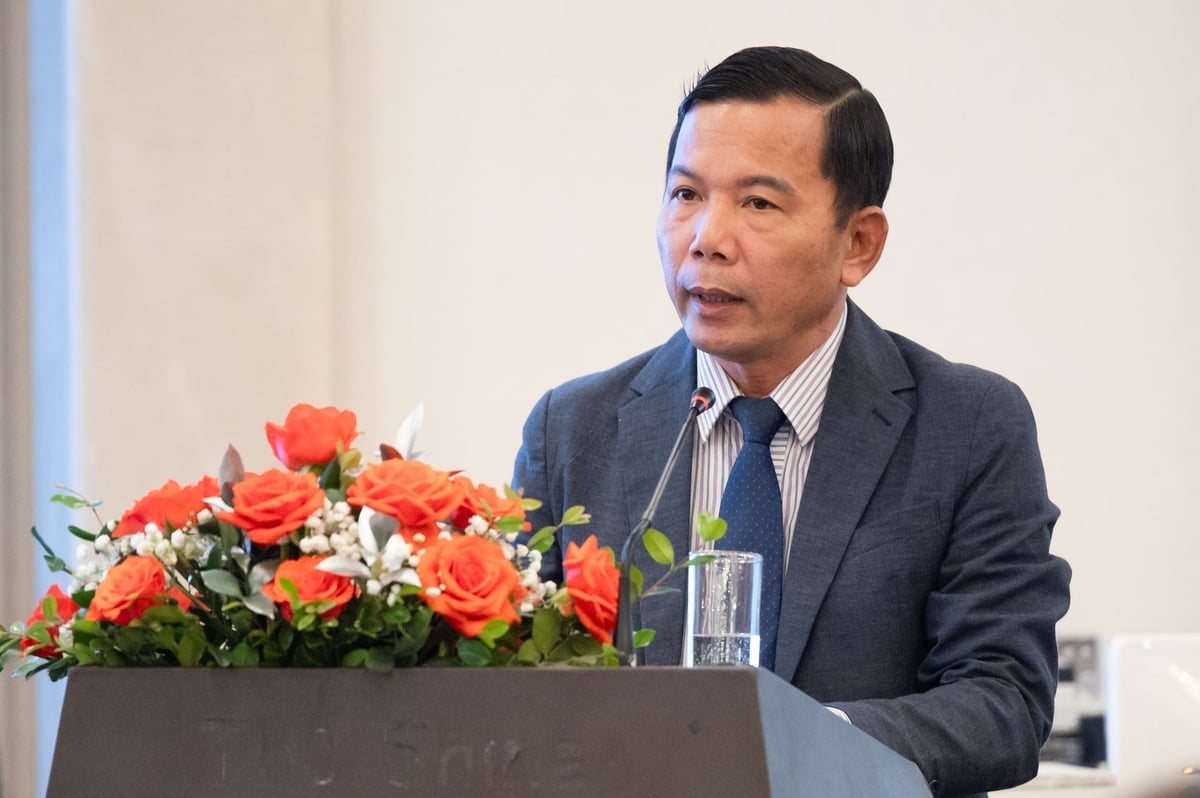
Mr. Truong Duc Tri, Deputy Director of the Vietnam Administration of Seas and Islands, spoke at the workshop. Photo: Pham Thang.
Mr. Truong Duc Tri, Deputy Director of the Vietnam Administration of Seas and Islands, emphasized: basic investigation is a key task to realize Resolution 36 of the Central Committee and the Key Program for Basic Investigation of Marine Resources and Environment by 2030 according to Decision 28/2020 of the Prime Minister. With a sea area of more than 1 million km², three times the land area, and a coastline of 3,260 km, Vietnam possesses particularly large natural advantages for developing the marine economy.
In recent times, many investigation results have been deployed, effectively serving the comprehensive planning of coastal areas, functional zoning and assessment of marine ecosystems. Specialized agencies have built seabed topography maps for 182,000 km² at a scale of 1/50,000 and 12,500 km² at a scale of 1/25,000. Geological and mineral investigation work has reached 37.8% at a scale of 1/500,000; 7.5% at a scale of 1/100,000 and 0.3% at a scale of 1/50,000. The reserve of construction materials from sea sand is forecast to be about 500 billion m³; 62 metal placer areas with a total reserve of 164 million tons have been identified; at the same time, 14 gas hydrate areas and 6 areas with prospects for iron and manganese ore have been discovered.
Vietnam is currently among the 16 countries with the highest marine biodiversity in the world, with a widespread system of mangrove forests, seagrass beds and coral reefs, playing an important role in protecting the coast and creating sustainable livelihoods for coastal people. The results of the renewable energy assessment also show that the offshore wind power potential is huge in the Gulf of Tonkin, South Central and Southern regions.
However, basic investigation work still faces many difficulties such as lack of financial resources, limited technical standards, unsynchronized investigation technology, and international cooperation not commensurate with practical requirements. In the coming time, Vietnam aims to prioritize deep-sea investigation, build a unified national database, and promote the application of modern technology such as remote sensing, AI, modeling, and digitalization.

Leaders of the Department of Fisheries and Fisheries Surveillance spoke at the workshop. Photo: Pham Thang.
In the field of fisheries, representatives of the Department of Fisheries and Fisheries Surveillance said that the industry is synchronously implementing policies for aquaculture development, especially the Marine Aquaculture Development Project under Decision 1664. The target by 2030 is to reach 7 million tons of aquaculture output, of which 1.45 million tons will be marine aquaculture. Vietnam currently has more than 2,800 seafood processing facilities, but by-products are still abundant and have not been effectively utilized. Some countries have applied the integrated farming model to reduce pollution, in which seaweed has the ability to absorb large amounts of nitrogen and phosphorus. The Department of Fisheries proposed to prioritize the IMTA farming model, promote by-product processing technology and enhance research on biological compounds from seaweed.
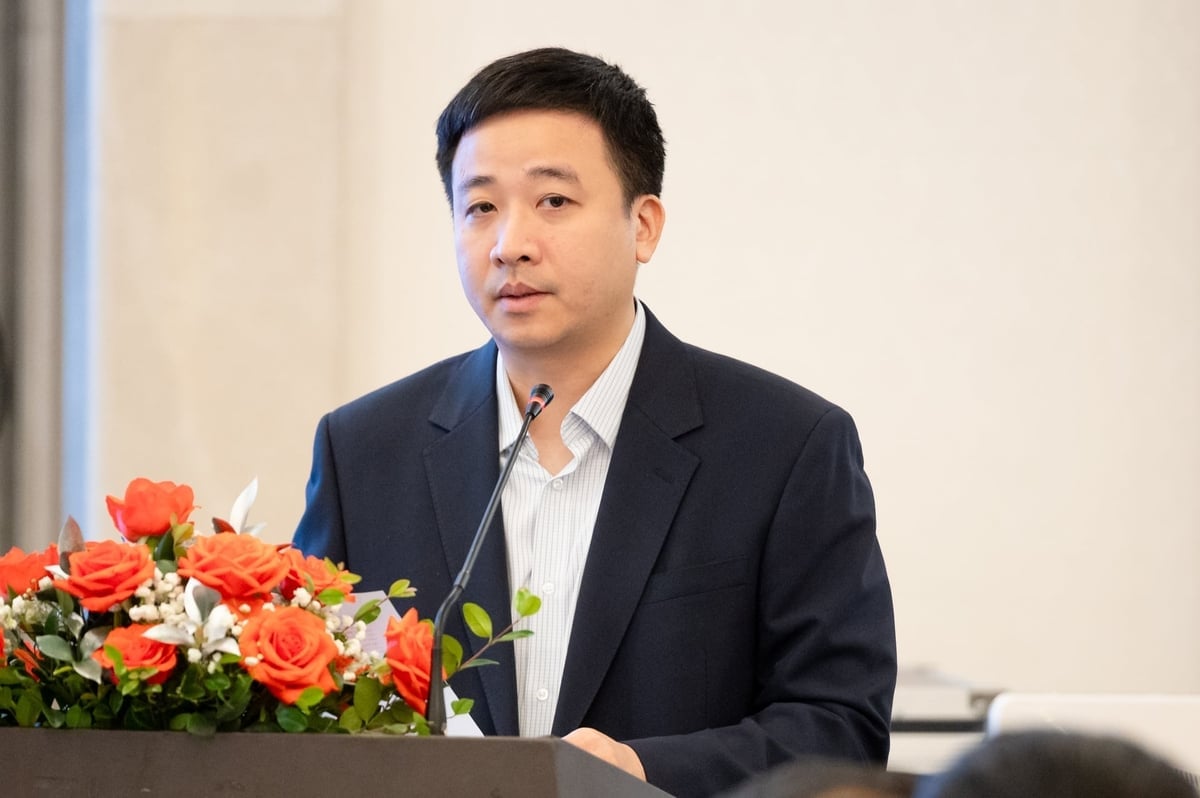
Mr. Nguyen Nhu Hanh, Deputy Director of the Department of Agriculture and Environment of Quang Ninh province, spoke at the workshop. Photo: Pham Thang.
At the local level, Quang Ninh is recognized for having many effective models in protecting the marine and island environment. Mr. Nguyen Nhu Hanh, Deputy Director of the Department of Agriculture and Environment of Quang Ninh province, said that the locality has replaced 6.85 million foam buoys with environmentally friendly materials, planted and restored 1,290 hectares of mangrove forests, and implemented coral reef regeneration models with a recovery rate of over 83%. The province aims to reduce at least 75% of plastic waste at sea by 2030, complete the planning of marine and island spaces, and promote livelihoods associated with ecotourism.
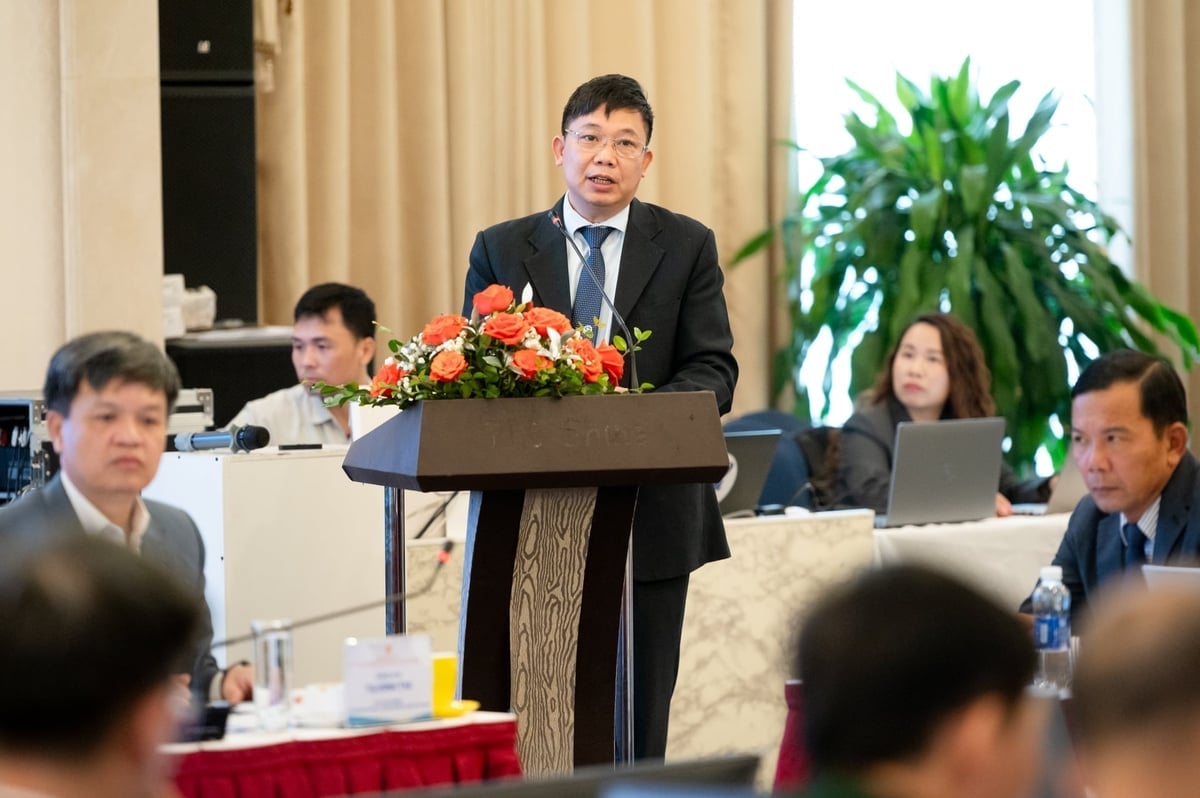
Associate Professor, Dr. Nguyen Van Quan, Deputy Director of the Institute of Science, Technology, Energy and Environment, spoke at the workshop. Photo: Pham Thang.
From a science and technology perspective, Associate Professor Dr. Nguyen Van Quan, Deputy Director of the Institute of Energy and Environmental Science and Technology, said that Hai Phong has the opportunity to make a strong breakthrough thanks to modern marine technologies such as diving robots, remote sensing, AI, underwater sensors and offshore wind power. He proposed establishing a marine data and monitoring center, developing green ports and smart ports, enhancing the application of marine biotechnology and forming an Ocean Decade coordination office in Hai Phong.
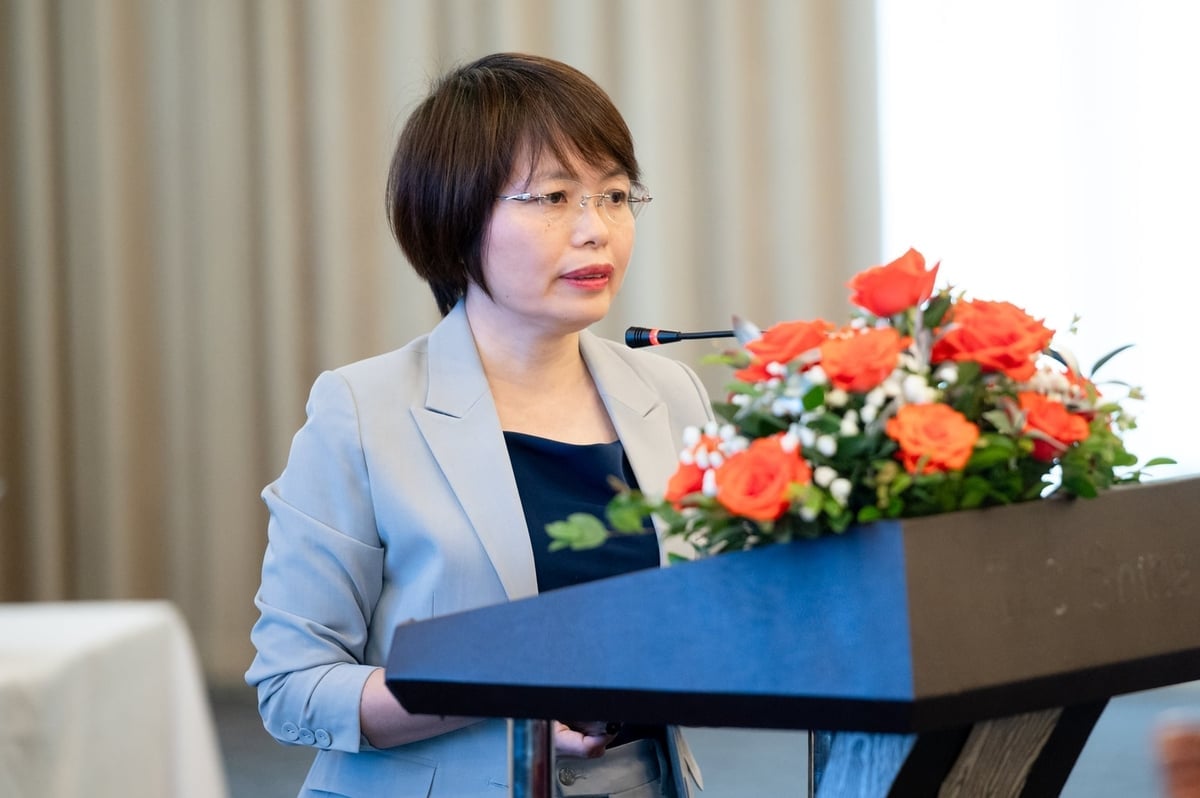
Ms. Do Thi Thu Phuong, Vietnam National Energy Industry Group, spoke at the workshop. Photo: Pham Thang.
From a business perspective, Ms. Do Thi Thu Phuong, Deputy Head of the Department of Environmental Safety and Sustainable Development (Vietnam National Energy Industry Group), proposed that the National Assembly consider adding specific environmental regulations for offshore oil and gas activities. At the same time, she emphasized the need to perfect the legal framework for renewable energy and new energy projects, the areas that the Group plans to develop in the coming time.
A damaged ocean is unacceptable.
At the workshop, Deputy Minister of Agriculture and Environment Le Cong Thanh emphasized the message of “an ocean that is not acceptable”. Deputy Minister Le Cong Thanh affirmed that protecting the marine environment is not only a legal responsibility but also a “national discipline”, a commitment of Vietnam to the people and the international community in the process of building a strong maritime nation.
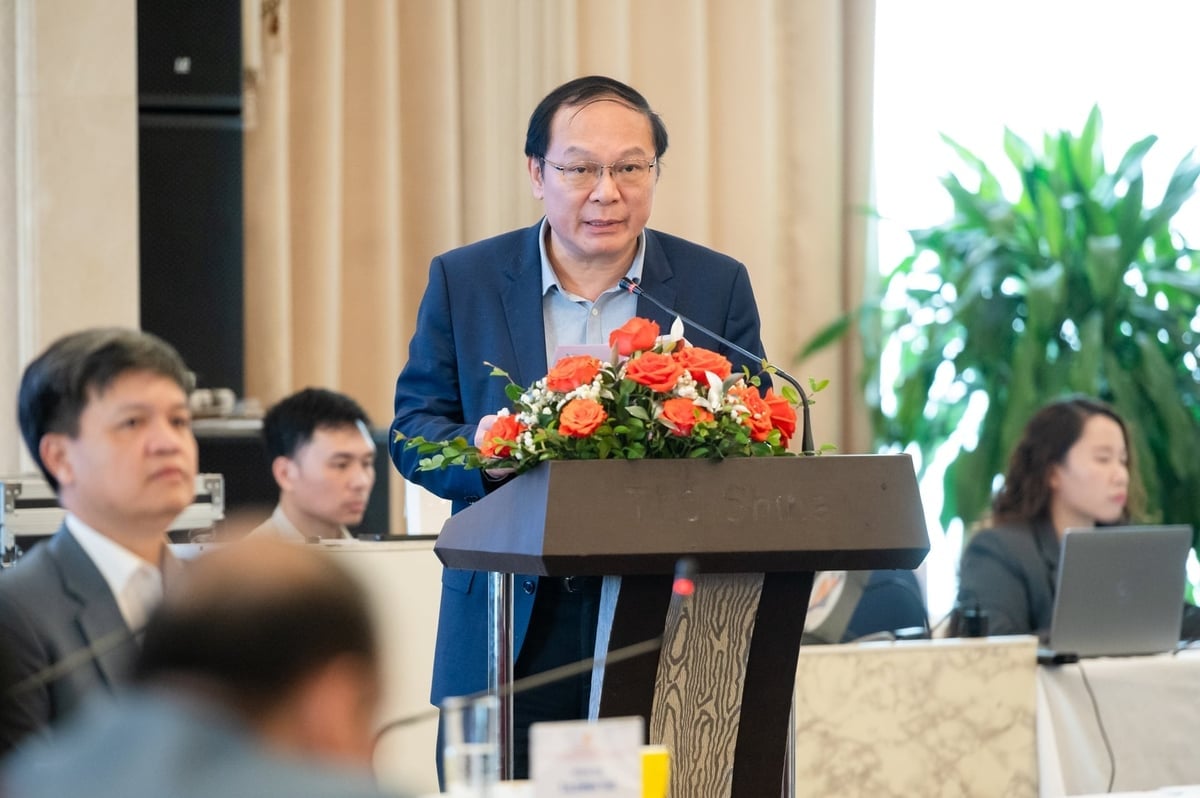
Deputy Minister of Agriculture and Environment Le Cong Thanh speaks at the workshop. Photo: Pham Thang.
According to the Deputy Minister, this workshop pointed out many major challenges, from ocean plastic waste to environmental protection requirements in 6 marine economic sectors. The presentations provided important suggestions for a sustainable marine economic development strategy. The Deputy Minister also emphasized that Vietnam is one of the pioneering countries in ASEAN to incorporate circular economy into socio-economic development strategy. However, "a correct policy will be difficult to put into practice without strict inspection, supervision and handling of violations".
Based on practice, the Ministry of Agriculture and Environment proposes three key tasks. First, protecting the marine environment must be a key factor in developing the marine economy; the circular economy must be considered a new growth model. The Ministry recommends building a separate chapter on the circular economy in the revised Law on Environmental Protection. Second, the circular economy must be quantified by specific results, not just slogans. Localities and businesses need to clearly report the amount of plastic waste reduced, recycled materials, converted production models, etc. Third, basic investigation, monitoring and surveillance of the sea must become the foundation for modern governance, in which a unified data system updated in real time is a mandatory requirement.
The Ministry hopes that the supervision and support of the National Assembly will create momentum for protecting the marine environment and developing a circular economy to make new progress.
Fishermen, businesses and scientists have a common “frequency” to protect the sea
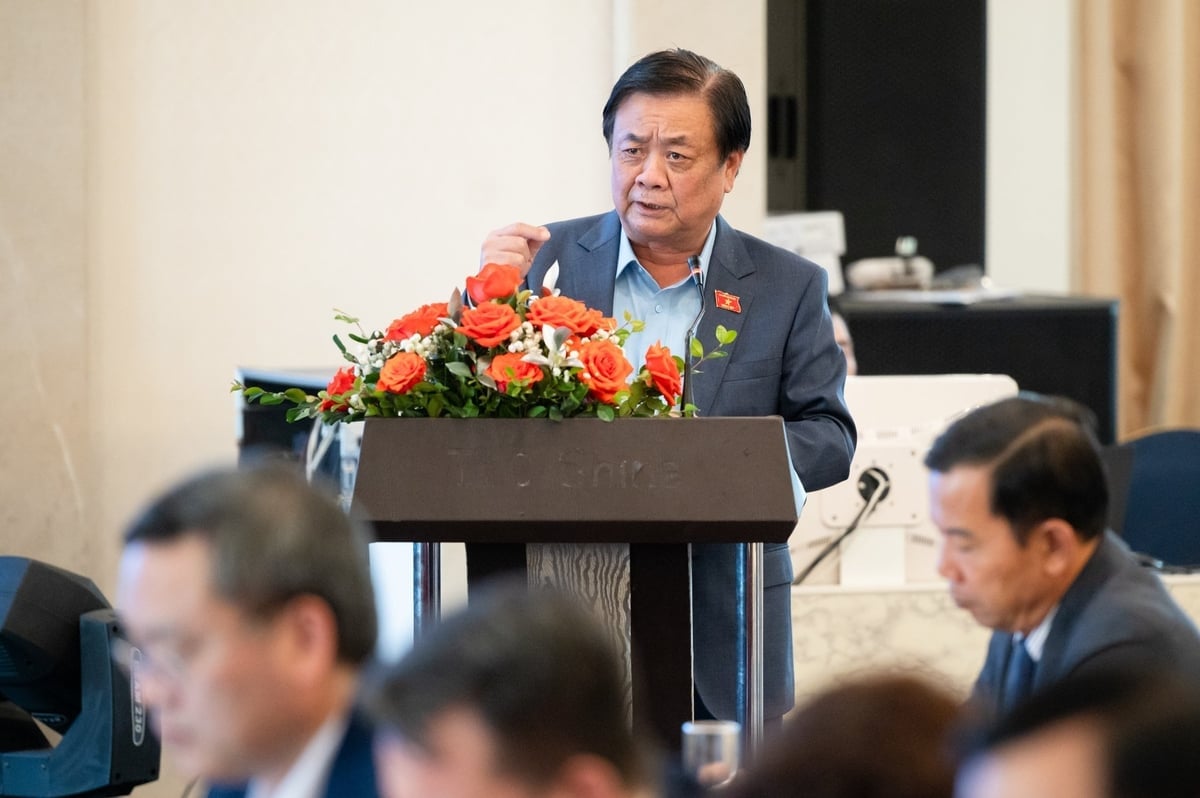
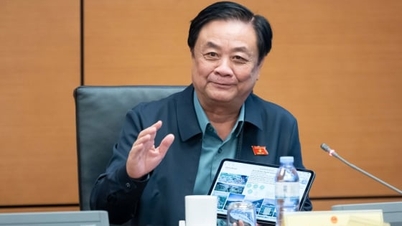
Vice Chairman of the National Assembly Le Minh Hoan concluded the workshop. Photo: Pham Thang.
Concluding the workshop, Vice Chairman of the National Assembly Le Minh Hoan emphasized that the discussion contents need to be implemented into actions, not stopping at reports. Issues related to ocean plastic waste management, circular economy in fisheries, marine spatial planning and marine data investigation still have many gaps that need to be filled.
He pointed out a series of limitations such as industrial marine aquaculture activities do not have a mandatory mechanism for waste classification, collection and reuse; national marine spatial planning lacks specificity; basic survey data does not meet management needs; there is a lack of strong incentives and sanctions for controlling plastic waste; there is no circular economic model in aquaculture; the traceability system does not meet international requirements.
The Vice Chairman of the National Assembly emphasized that if the environment is not well controlled from production to traceability, even if output increases, it will not ensure added value and may even lose export markets. He proposed promoting the application of science and technology, testing the sandbox mechanism to form a blue ocean economic model, promoting the recycling of waste from fisheries and aquatic by-products, and strengthening basic investigation and regional linkages.
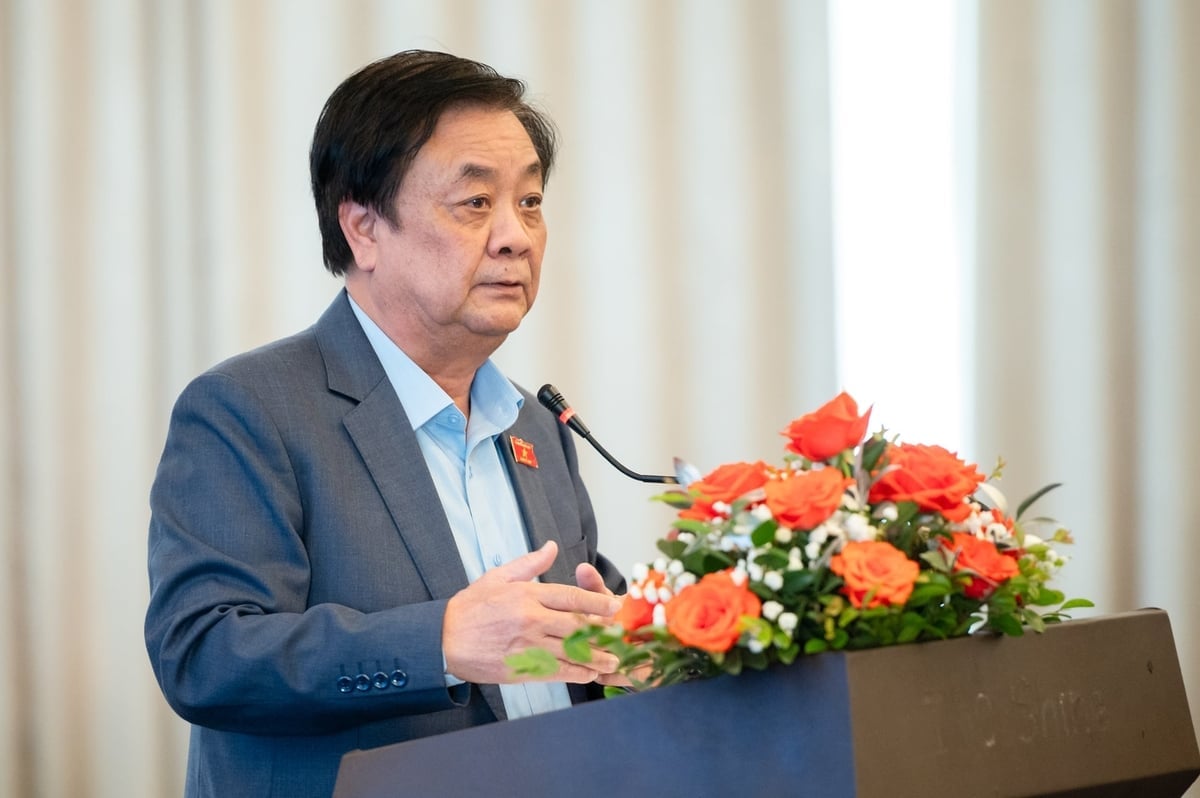
Vice Chairman of the National Assembly Le Minh Hoan affirmed that protecting the marine environment is the responsibility of all entities: fishermen, businesses, scientists, authorities and legislators. Photo: Pham Thang.
In particular, he affirmed that protecting the marine environment is the responsibility of all subjects: fishermen, businesses, scientists, governments and legislators. Fishermen, who “understand the sea intuitively and through generational experience”, need to be placed at the center of sustainable marine governance. When they have better livelihoods, destructive fishing and littering behaviors will change. “The law must be strict but humane,” he said.
He emphasized the resonance between the subjects: fishermen-businesses-government-scientists-legislators. When they are on the same frequency, the capacity to implement policies will be enhanced, creating momentum to build a modern and sustainable marine economy, contributing to the successful implementation of the goals of Resolution 36 on the Strategy for sustainable development of Vietnam's marine economy to 2030, vision 2045.
Source: https://nongnghiepmoitruong.vn/thuc-day-kinh-te-bien-xanh-phat-trien-ben-vung-tu-du-lieu-den-hanh-dong-d787348.html

























































Comment (0)