

Among them, the issue that delegates are particularly concerned about is the regulations on the mechanism for exploiting minerals in groups 3 and 4 (soil, filling stone, construction sand and gravel), when demand is high but facing the risk of resource loss and legal gaps that are easily abused.
The delegate pointed out: Vietnam is seriously lacking in construction materials, but the huge amount of sand and gravel deposited in hydroelectric reservoirs cannot be exploited. However, the biggest problem in recovering minerals in hydroelectric reservoirs is that there is no clear mechanism for independent enterprises to participate in dredging and recovering minerals in hydroelectric reservoirs.
According to the delegates, the draft law has not yet answered questions such as: Can investors other than the dam owner participate? Are they authorized to carry out dredging and mineral recovery procedures? Is the mechanism for selecting investors to carry out dredging by bidding, appointment or agreement?
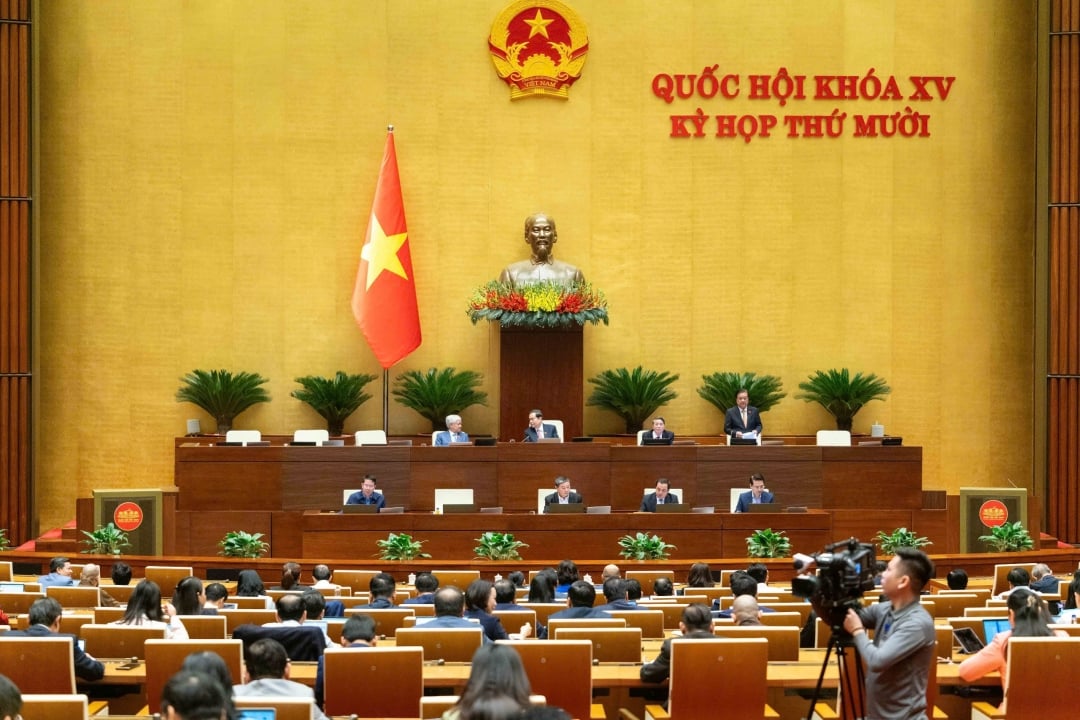 |
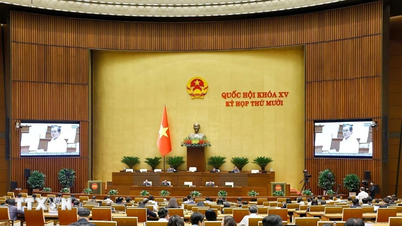
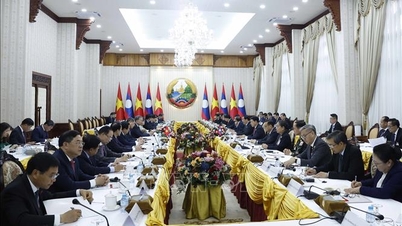
| The Presidium at the meeting. Photo: quochoi.vn |
It is these gaps that have caused dredging projects to stagnate, while many key projects are at risk of lacking fill materials. Therefore, delegates proposed adding a "legal framework" for the Government to specify in detail, especially regulations such as: Mechanism for selecting entities to carry out dredging and mineral recovery; Procedures for project establishment, appraisal and approval; Authorization mechanism between dam owners and dredging units.
The delegate emphasized that this will both exploit large material resources, serve economic development, and ensure safe operation of hydroelectric projects.
Regarding the proposal to allow the exploitation of group 3-4 minerals in emergency situations without the need for regular licensing, delegates agreed with the principle of flexibility but warned about the risk of this regulation being abused.
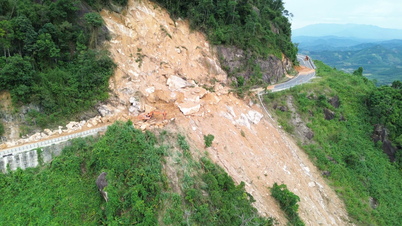
According to delegates, if illegal exploitation or indiscriminate exploitation is allowed in the name of "emergency", the risk of landslides, environmental degradation... is very high.
The delegate also pointed out that the draft law has not yet clarified two core issues, which are the authority to declare an emergency and the volume control mechanism. The delegate raised the question: Who has the authority to declare a state of emergency to apply the special exploitation mechanism? How to control businesses from over-exploiting (for example, exploiting 2,000 - 3,000 m³ instead of 1,000 m³) for commercial sale?
Delegates requested to clearly define the criteria for emergency situations and add a post-inspection mechanism on output, purpose, and mining area to avoid profiteering.
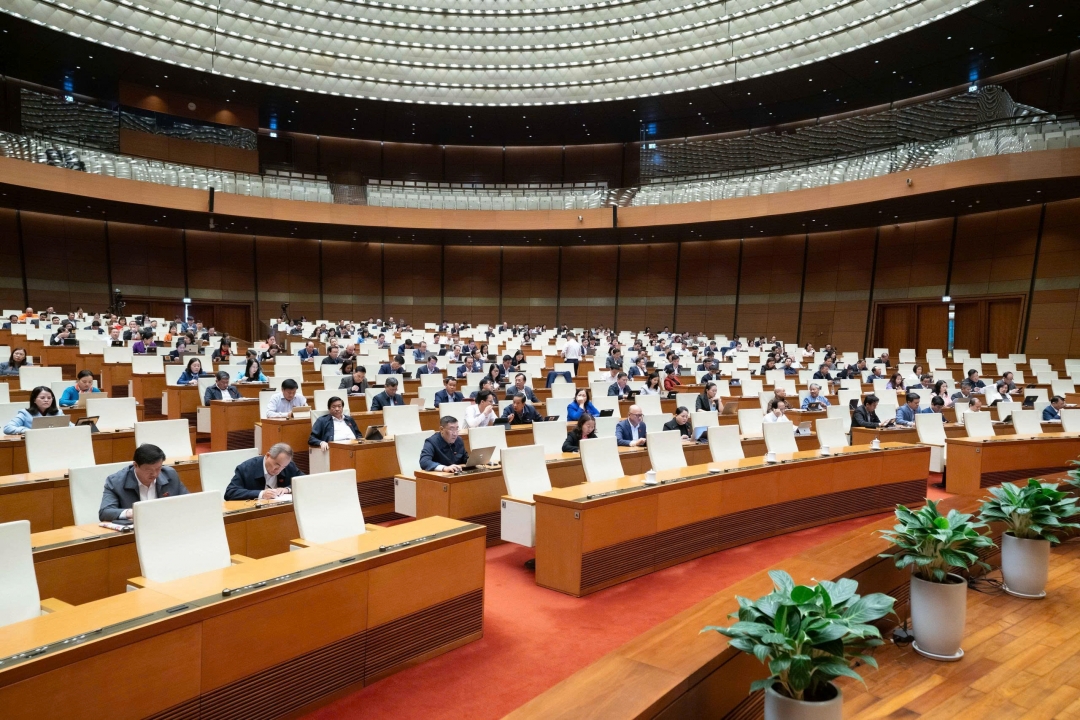 |
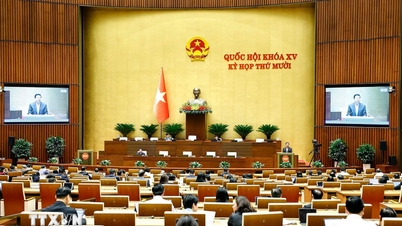
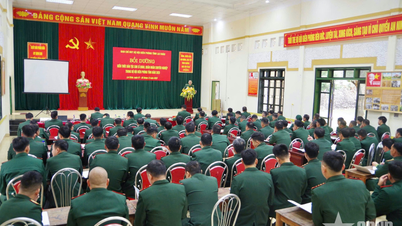
| Delegates attending the meeting. Photo: quochoi.vn |
Many delegates were also interested in the draft law's content on exempting some licensing, investment and environmental procedures for exploiting group 3 and 4 minerals for public works.
Delegates commented that this is an "overly broad" regulation and creates high risks for management. According to delegates, Group 3 minerals are very susceptible to exploitation beyond the scope and volume. Without a system to monitor output, businesses can take advantage of projects for commercial exploitation, causing loss of resources, or skipping the impact assessment step can cause loopholes in the approval process, not having enough basis to comprehensively assess potential risks, causing loopholes in the environmental risk assessment stage, easily leading to negativity and possibly causing many risks of impact and damage to people living near or in the mining area and the environment if an incident occurs.
Delegates suggested that it is necessary to supplement regulations on environmental impact assessment and landslide and erosion risk assessment in case of natural disasters to ensure legal tools for monitoring, safety and sustainable development.
At the same time, to increase the legal responsibility of mining organizations, prevent negativity in ignoring impact assessment and violating planning, protect the rights of people in the mining project area, and limit damage caused by mining, the drafting agency needs to study and supplement regulations that require investors or mining organizations to commit to compensation for damages if mining causes negative impacts on the environment, affects the lives, and causes economic damage to people and communities caused by the mining project.
The delegate also proposed that, in order to strengthen the responsibility of State management for leaders, it is necessary to review and study additional strict regulations on responsibilities if there is loss of resources, illegal licensing, over-cutting of areas or prolonged over-exploitation...
(synthetic)
Source: https://baodaklak.vn/chinh-tri/202512/ky-hop-thu-10-quoc-hoi-khoa-xv-tranh-de-lo-hong-trong-quy-trinh-phe-duet-khai-thac-khoang-san-b311188/


![[Photo] Prime Minister Pham Minh Chinh receives President of Cuba's Latin American News Agency](/_next/image?url=https%3A%2F%2Fvphoto.vietnam.vn%2Fthumb%2F1200x675%2Fvietnam%2Fresource%2FIMAGE%2F2025%2F12%2F01%2F1764569497815_dsc-2890-jpg.webp&w=3840&q=75)







































































Comment (0)