

In recent times, Binh Thuan has intensified its trade promotion efforts, expanded its markets, and exported its key products to nearly 80 countries and territories…
Integrating into the global "playing field".
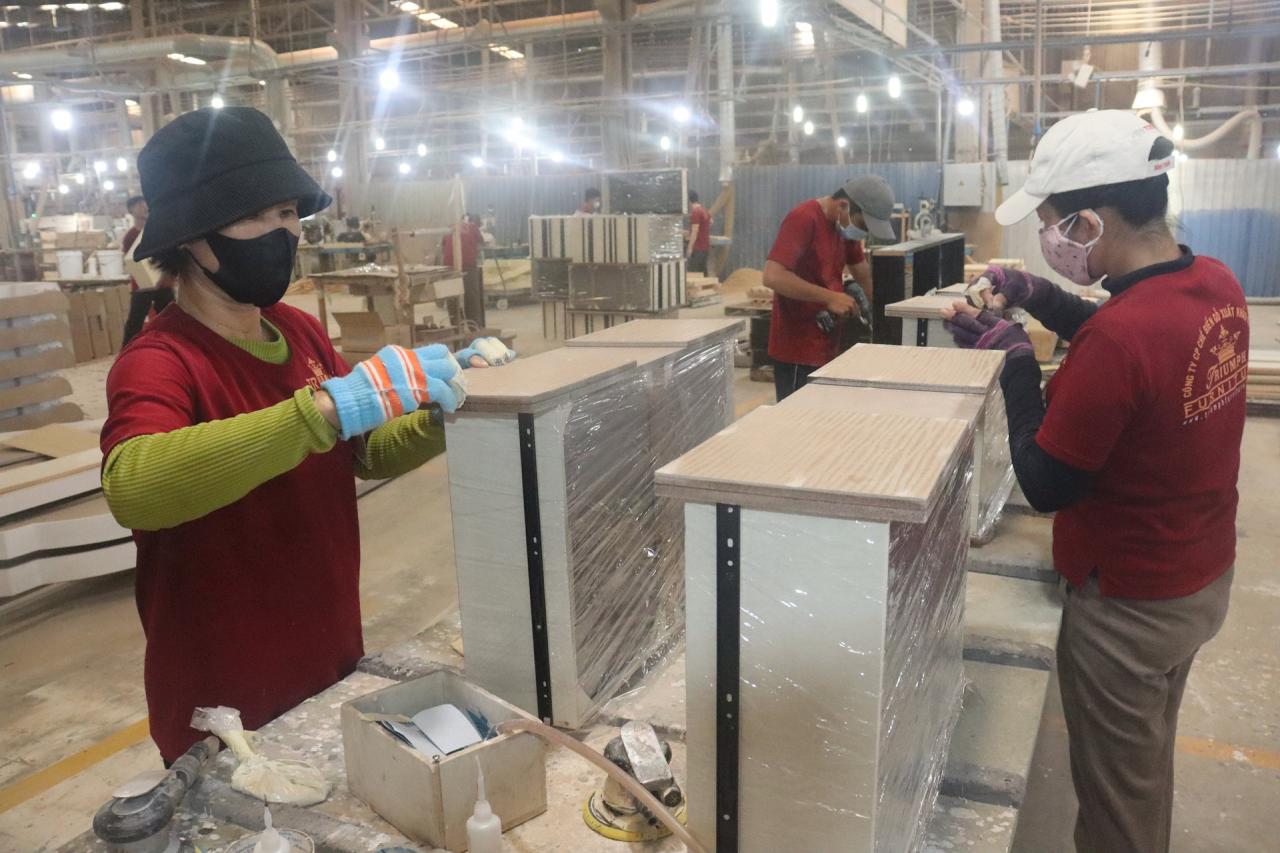
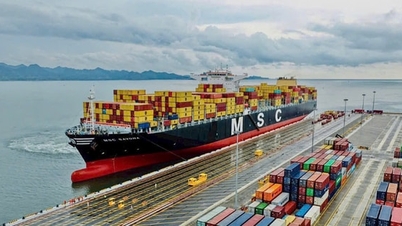
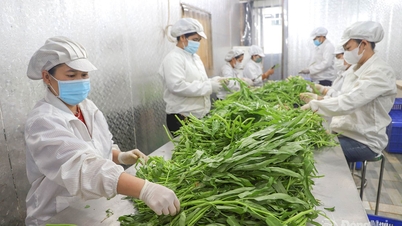
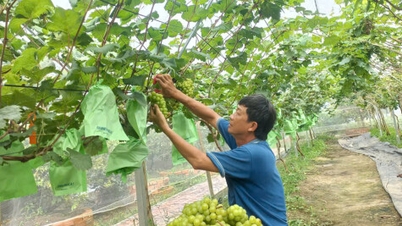
The above results are highly commendable given Vietnam's participation in numerous Free Trade Agreements (FTAs), opening up opportunities for businesses nationwide, including local businesses, to proactively integrate into the global arena. Currently, the province's main export goods include: garments (exported to Japan, Taiwan), various types of shoes and sandals (USA, Canada, Netherlands, Italy, etc.), various types of seafood (UK, France, Germany, USA, Taiwan, Japan, China, South Korea, Israel, etc.), dragon fruit (China, Thailand, India, Canada, Hong Kong, etc.), rubber (USA, Taiwan), and cashew nuts (USA, China). In addition, some other goods such as wooden furniture, various types of paper, and fish sauce are exported by Binh Thuan businesses to Japan, the USA, Australia, Belgium, and Hong Kong.
According to Mr. Bien Tan Tai, Deputy Director of the Department of Industry and Trade, Vietnam has so far participated in 17 free trade agreements, including new generation FTAs that have come into effect in recent years. These include: the Comprehensive and Progressive Trans- Pacific Partnership Agreement (CPTPP), the Vietnam-European Union Free Trade Agreement (EVFTA), the Regional Comprehensive Economic Partnership Agreement (RCEP)... Therefore, this is opening up many opportunities for goods exports and has great significance for the integration process as well as the economic development of Vietnam in general, and Binh Thuan in particular. However, besides the preferential tax reductions, Vietnam's partners in these FTAs are all countries that use trade defense tools in the world. Therefore, our country's export goods, including those from Binh Thuan, may face the risk of being investigated and having trade defense measures applied by partner countries in the FTAs…
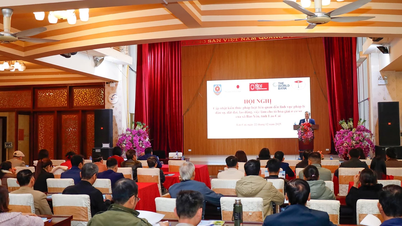
At a recent seminar on trade defense measures held in Phan Thiet City, representatives from the Trade Defense Department ( Ministry of Industry and Trade ) provided information on this issue. They stated that in recent years, the number of trade defense cases by foreign countries against Vietnamese exports has been rapidly increasing. The main reason for this increase is the rapid growth in exports – thanks to the positive impact of international economic integration and participation in Free Trade Agreements (FTAs). Many of our products have created significant competitive pressure in importing countries' markets, leading manufacturers in those countries to request their governments to investigate and apply trade defense measures.
Continue to boost exports.
In reality, trade defense tools have appeared very early and have been frequently used in international trade, linked to the process of international trade liberalization. Trade defense has multifaceted and long-term impacts, not just immediate benefits, and can affect both exports and imports. Therefore, it is not surprising that this issue has received great attention from associations, industries, and exporters in recent times.
For Vietnam, although trade defense is a relatively new concept, the country has recently begun proactively using this tool to establish a fair competitive environment and protect the legitimate interests of domestic production sectors. Therefore, the Workshop on Introducing Trade Defense Measures, jointly organized at the local level, will contribute to helping businesses grasp the latest information on trade defense, how to handle and respond to trade defense investigations. Through this, businesses, associations, and production and export sectors will be more proactive in handling, responding to, and using legally permitted trade defense tools to protect their legitimate interests. This will guide strategic development of production and business, promote market expansion, and further boost exports, bringing effectiveness to integration into the global arena.
In early 2024, the Provincial People's Committee also issued an Action Plan to implement the restructuring project of the Industry and Trade sector in Binh Thuan province until 2030. Regarding the import-export sector, strategies, plans, and projects will be implemented to develop import-export for several export sectors with potential and advantages in the province in the coming period. Accordingly, the focus will be on boosting exports of Binh Thuan's key products: seafood, agricultural products (primarily dragon fruit), and processed and manufactured industrial products (textiles, footwear, wood and wood products, packaging, etc.). At the same time, favorable conditions will be created for businesses to deeply process mineral products for export, and support will be provided for trade promotion of handicraft products, unique traditional products rich in cultural identity, and some 4-5 star OCOP products of the province to participate in exports.
Looking ahead, Binh Thuan also plans to boost exports, expand markets, consolidate and effectively utilize both traditional and key export markets to ensure a good market for its products. It will proactively diversify export markets by effectively applying signed free trade agreements to promote exports to traditional markets as well as target markets (ASEAN, Japan, South Korea, Europe, America, etc.). Along with this, it will focus on developing and expanding export markets as Vietnam continues to sign free trade agreements in the future…
According to statistics, Binh Thuan's merchandise export turnover in the first quarter of 2024 is estimated at US$158.3 million, an increase of 1.9% compared to the same period last year. Of this, seafood exports are estimated at US$46.4 million (up 0.5%), agricultural exports at US$1.9 million (down 44.6%), and other goods contributing approximately US$110 million (up 4.1%). Conversely, import turnover in the first quarter of this year is estimated at US$300.5 million (up 5% compared to the same period), mainly consisting of animal feed, textile raw materials, leather goods, paper, etc.
Source






















































































Comment (0)