

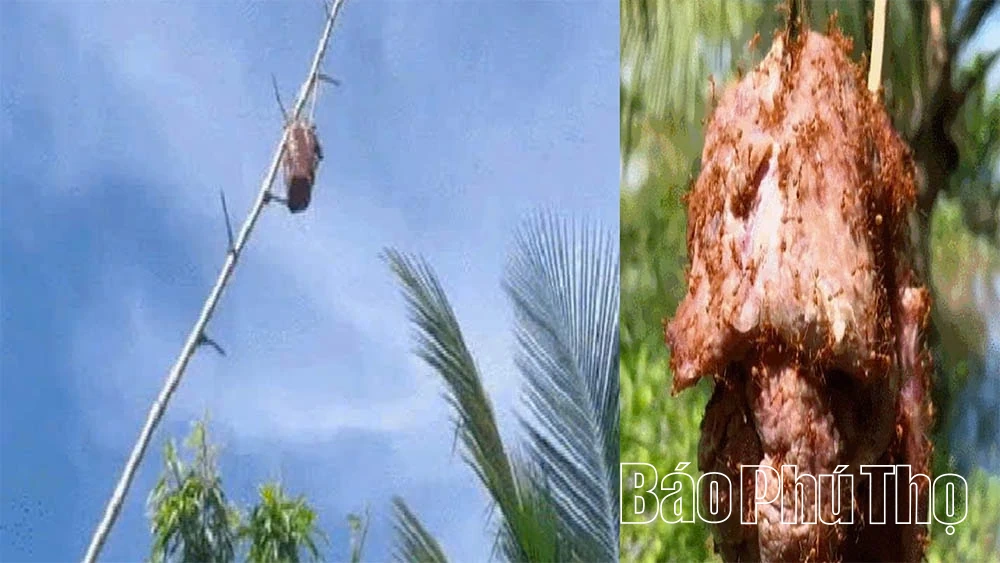
Beef marinated in ant nests, prepared in the traditional way, involves cutting freshly slaughtered, hot beef into slices about 1-2cm thick, then hanging them right next to forest ant nests on trees.
Meticulous preparation: Flavor derived from forest ant venom.
Beef marinated in ant nests, a traditional specialty of the San Diu ethnic group in Tam Dao commune, Phu Tho province, makes a strong impression right from its preparation method. According to the original recipe, fresh, hot beef, freshly slaughtered, is cut into pieces about 1-2cm thick and then hung next to forest ant nests on trees.
People use sticks to poke the ants, causing them to scatter and swarm around the meat, biting it. Interestingly, each type of ant brings a different flavor profile: red weaver ants have a distinctive sour aroma; black weaver ants have a pungent smell; gnats have a sweet and spicy taste; and giant water beetles have an aroma similar to that of the giant water bug.
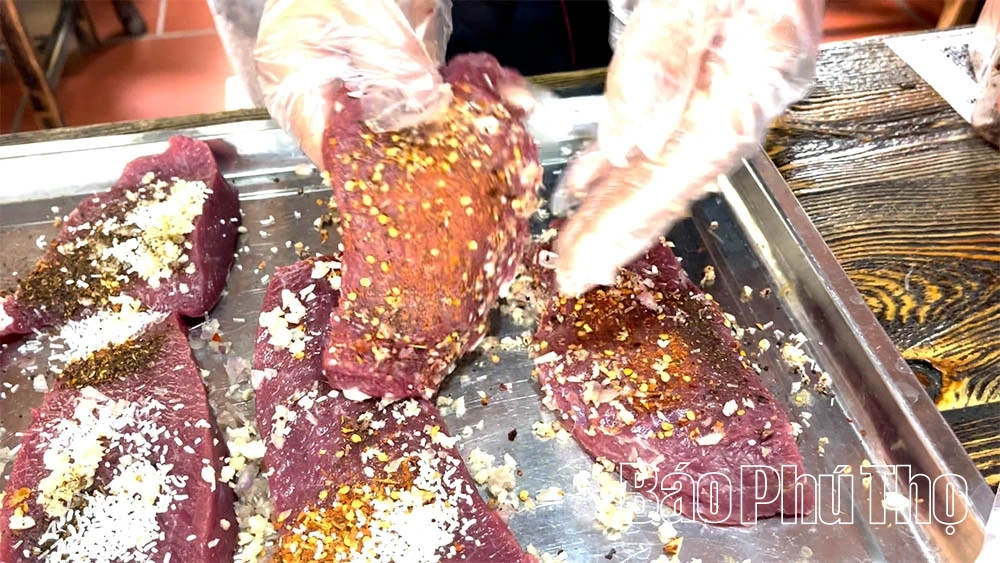
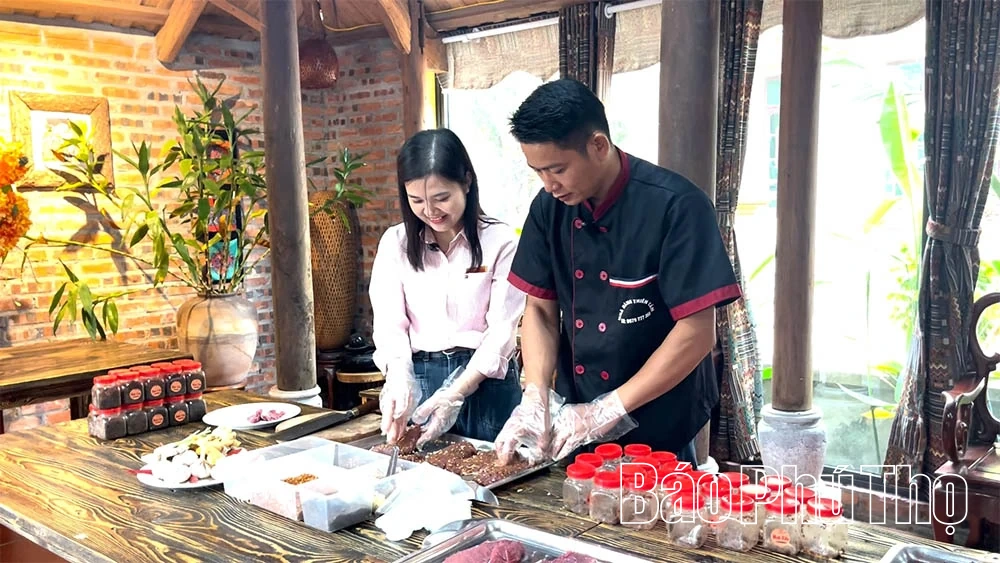
Fresh beef is marinated with mountain spices such as mắc khén, hạtổi, ginger, lemongrass, and chili.
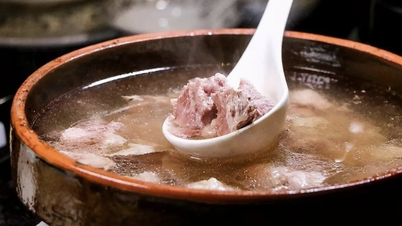
After being thoroughly marinated in ants, the meat is brought back, rinsed in diluted salt water to clean it, and then grilled over hot charcoal until medium rare. The meat becomes firm, sizzling and releasing a fragrant aroma. Flipping the meat requires quick movements to ensure it cooks to a perfect medium-rare, rosy hue, tender and juicy inside, with a slightly charred outer layer. The ideal piece of meat is then thinly sliced and served with fresh vegetables, sour starfruit, and unripe bananas.
Local specialties revived thanks to curious tourists.
Beef marinated in ant venom is gradually disappearing from the daily meals of local people. However, the curiosity and demand from tourists have prompted restaurants to resolutely revive this dish and make it a specialty.
Ms. Tran Thi Quynh Anh, owner of Thien Cam restaurant in Tam Dao commune, Phu Tho province, shared: "Many tourists from other provinces ask about the beef marinated in ant venom, even though I've sometimes never heard of it. This motivated me to research and learn how to make it from the women and mothers of the San Diu ethnic group to create a local specialty with historical significance and identity, in addition to the traditional chayote shoots."
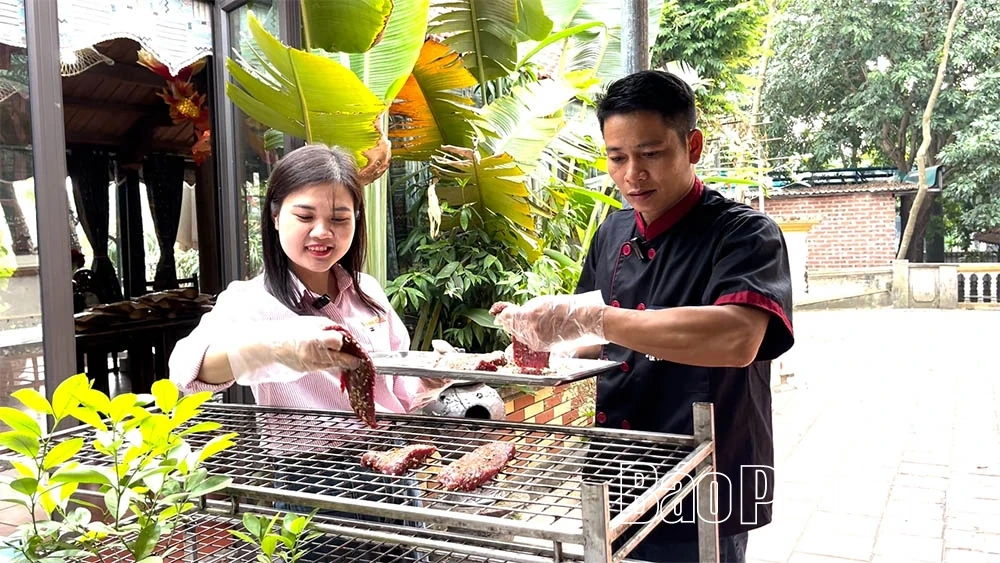
The meat is then sun-dried for about 2-3 hours to firm up the surface, preserving its tenderness and freshness inside.
To ensure food safety and preserve flavor, restaurants have now adjusted their cooking methods. Chef Nga Van Duy (Thien Cam Restaurant) revealed: “Fresh beef is marinated with mountain spices such as mac khen, doi seeds, ginger, lemongrass, and chili. Then, the meat is sun-dried for about 2-3 hours (depending on the weather) to firm up the surface, retain its tenderness, and keep the inside fresh. The meat is grilled over charcoal (for the best aroma) or air-fried for only 5-10 minutes, quickly flipping it to ensure it's cooked rare, with the inside still bright red and slightly bloody.”
The soul of the dish: Ant salt "awakens" the senses.
The soul of the ant-infested beef dish lies in its dipping sauce. Besides the traditional soy sauce (made from corn and soybeans), the main highlight is ant salt – a creation based on traditional principles: original ant salt retains the rich sourness of forest ant venom; spiced ant salt, ground with ginger, lemongrass, and chili, reduces sourness but increases spiciness and pungent aroma.
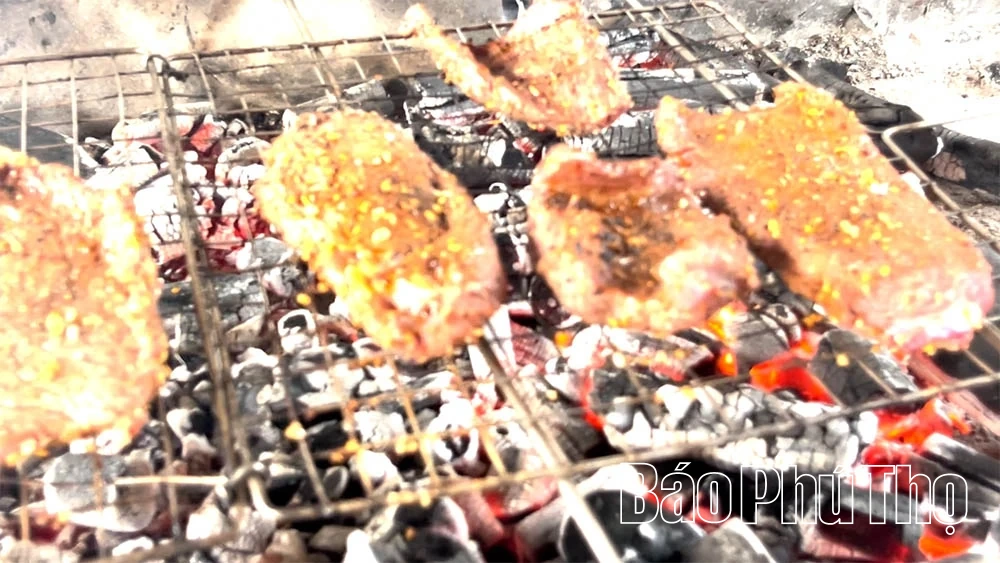
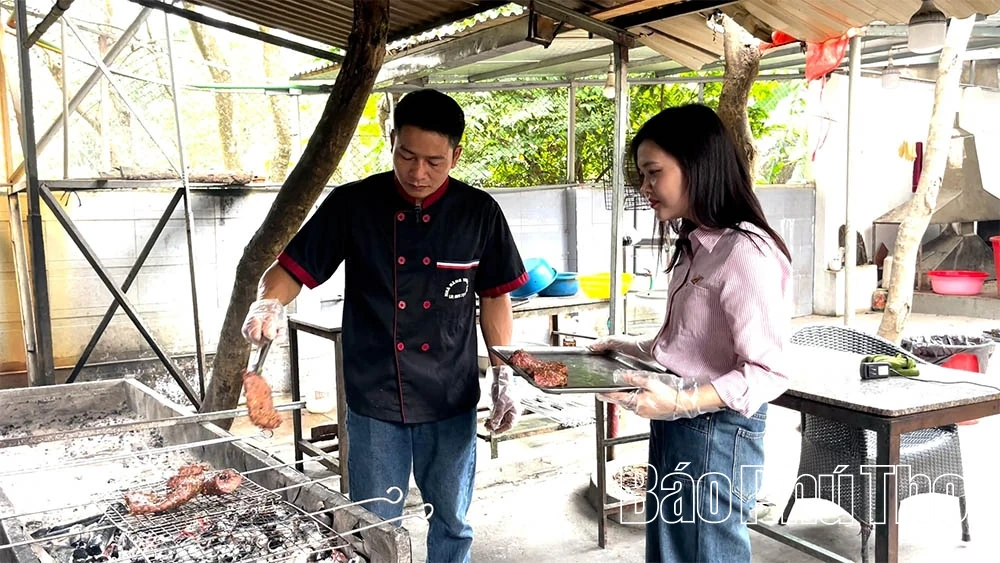
The meat is grilled over charcoal or air-fried in just 5-10 minutes.
Ms. Phung Thi Tho, from Vinh Phuc ward, Phu Tho province, excitedly shared: "I thought local beef would be tough, but this dish is very tender. When dipped in ant salt, it's like a sensory 'battle'. The distinctive sour taste of ant venom, combined with the pungent spiciness of dổi and mắc khén seeds, creates a completely different flavor."
Diners will wrap a tender, juicy piece of beef in a fresh leaf of lettuce, add a slice of unripe banana and sour starfruit, then dip it into a bowl of rich dipping sauce. The unique aroma of the meat, combined with the sour, sweet, and astringent flavors of the accompanying spices, creates an unforgettable impression.
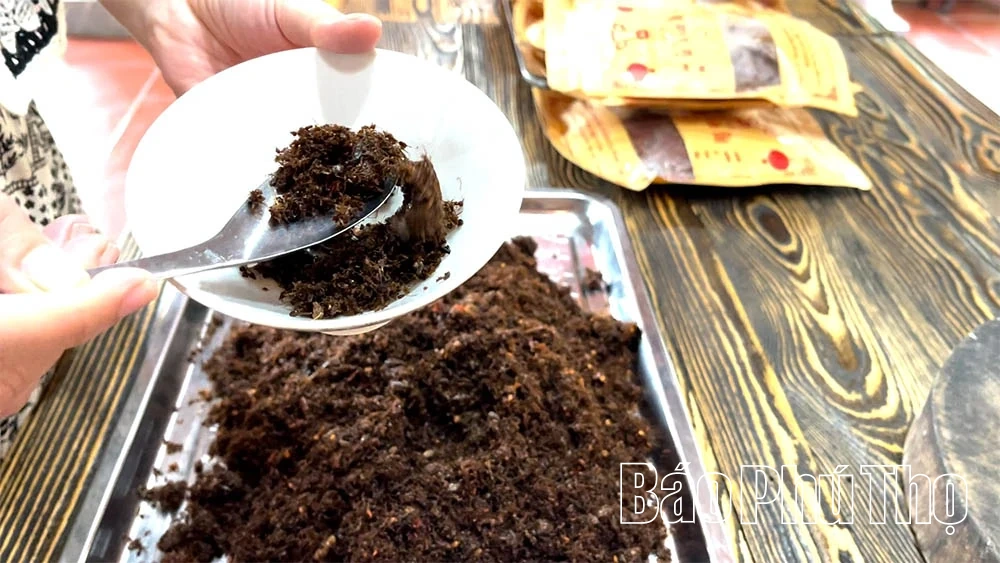
When eaten with ant salt, the distinctive sour taste of ant venom, combined with the spicy flavor of dổi seeds and mắc khén, creates a unique taste.
Notably, this dish is also considered a folk remedy by the locals, aiding digestion and treating neurological or rheumatic diseases, thanks to the venom of forest ants, which is considered a valuable medicinal ingredient in traditional Eastern medicine.
Visitors can enjoy beef marinated in ant larvae sauce at several specialty restaurants in Tam Dao, priced at around 150,000 – 200,000 VND per plate (enough for 2 people). This is definitely a unique culinary experience, rich in mountain flavors, that shouldn't be missed when visiting Tam Dao.
Ngoc Thang
Source: https://baophutho.vn/bo-tai-kien-dot-dac-san-la-lung-cua-nui-rung-tam-dao-241831.htm
![[Image] Leaked images ahead of the 2025 Community Action Awards gala.](/_next/image?url=https%3A%2F%2Fvphoto.vietnam.vn%2Fthumb%2F1200x675%2Fvietnam%2Fresource%2FIMAGE%2F2025%2F12%2F16%2F1765882828720_ndo_br_thiet-ke-chua-co-ten-45-png.webp&w=3840&q=75)
![[Live] 2025 Community Action Awards Gala](/_next/image?url=https%3A%2F%2Fvphoto.vietnam.vn%2Fthumb%2F1200x675%2Fvietnam%2Fresource%2FIMAGE%2F2025%2F12%2F16%2F1765899631650_ndo_tr_z7334013144784-9f9fe10a6d63584c85aff40f2957c250-jpg.webp&w=3840&q=75)

![[Photo] Prime Minister Pham Minh Chinh receives Lao Minister of Education and Sports Thongsalith Mangnormek](/_next/image?url=https%3A%2F%2Fvphoto.vietnam.vn%2Fthumb%2F1200x675%2Fvietnam%2Fresource%2FIMAGE%2F2025%2F12%2F16%2F1765876834721_dsc-7519-jpg.webp&w=3840&q=75)
![[Photo] Prime Minister Pham Minh Chinh receives the Governor of Tochigi Province (Japan)](/_next/image?url=https%3A%2F%2Fvphoto.vietnam.vn%2Fthumb%2F1200x675%2Fvietnam%2Fresource%2FIMAGE%2F2025%2F12%2F16%2F1765892133176_dsc-8082-6425-jpg.webp&w=3840&q=75)











































![[Video] Independence and self-reliance linked with international integration through 40 years of reform](https://vphoto.vietnam.vn/thumb/402x226/vietnam/resource/IMAGE/2025/12/16/1765899635777_1-1-8054-png.webp)































Comment (0)