

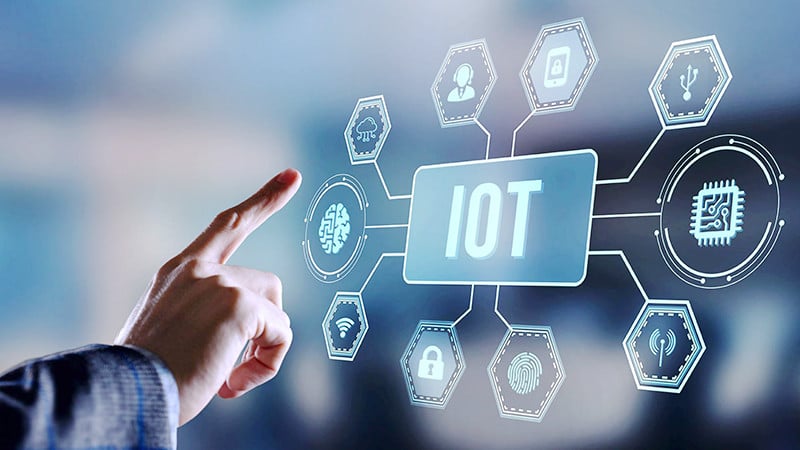
The value of IoT
IoT (Internet of Things), also known as the Network of Connected Things, is a concept that describes a network of devices and products—which can be any electronic device—connected to each other via the internet and capable of collecting and exchanging data without human intervention.
The Internet of Things (IoT) truly brings immense value and convenience, permeating every aspect of life. For consumers of products and services, various applications on phones and computers allow users to conveniently manage tasks remotely, such as monitoring home cameras, communicating with family members (elderly, children, etc.) through a speaker system (integrated into the camera) at the workplace; controlling smart home devices (opening and closing doors, turning lights on and off, vacuum cleaners, etc.); controlling and activating internet access to protect children; working, holding meetings, monitoring progress, and collaborating with colleagues from home or while traveling...
For businesses, centralizing data—consumer behavior, experiences, and preferences; updated information on product, equipment, and service status; and human resource and organizational resource management—through internet-connected devices (especially smartphones has never been easier. Accordingly, businesses can optimize speed and save on labor costs for surveying, compiling statistics, and gathering feedback from external consumer communities as well as from internal sources.
According to Mr. Nguyen Anh Vu, an IT expert in the fields of Finance, Banking, and AI-generated IoT, a prime example of using IoT devices to optimize operational processes and provide services to customers is e-commerce platforms such as Amazon, Alibaba, Walmart, and JD.com. These platforms use IoT devices to control their massive delivery and distribution systems that cannot be handled by human personnel. They implement automated systems, streamlining the entire delivery process from central warehouses to the end user through address recognition, sorting, packaging, distribution, and even using self-driving vehicles with sensors that directly monitor the environment. These are the enormous benefits of IoT in optimizing processes, improving operational efficiency, and enhancing services through collected data.
Potential risks
However, as with any new technology, along with its immense benefits, the Internet of Things (IoT) also brings security risks, including data breaches, device hijacking, malware spread, system instability, and non-compliance with regulations due to security vulnerabilities. In Vietnam, hacking of home security camera systems and the uploading of sensitive images to websites are no longer uncommon, due to lax implementation of basic security policies. Furthermore, IoT systems with end-user devices deployed in public areas increase the risk of hijacking attacks, which can then lead to attacks on larger management and control systems, resulting in widespread service disruptions.
According to Dr. Ho Trong Viet, CEO of Deily Opt and former CTO of TCGroup, several risks currently exist when applying IoT. Firstly, there are security concerns regarding information safety, as IoT devices are so diverse and most are purchased by businesses themselves, making it difficult to control information leaks and breaches to third parties. This isn't just happening in Vietnam; recently, authorities in Europe have expressed serious concerns about their solar power systems being hacked and compromised.
The second risk relates to the investment costs for IoT devices and the organization of an IT team, as not all devices and data are necessary for managing business operations. Simply chasing trendy technologies risks businesses being unable to recoup the significant investment costs for IoT. Furthermore, the costs of monitoring, maintaining, and servicing the equipment to ensure uninterrupted business operations also need to be considered.
Risks for businesses can also arise from legal issues when collecting information from users, products, or real estate. For businesses that frequently use drones to film factories, construction sites, or even for production purposes (watering, fertilizing), it is crucial to pay close attention to obtaining flight permits for these devices.
The most obvious risk for individual consumers is the security of sensitive personal information, ranging from home and family data to identity cards and bank accounts. Focusing many personal and work needs on smartphones poses numerous risks, including theft and fraud. Beyond smartphones, smart devices such as cameras, smart home systems, cars, and computers are also vulnerable to being compromised for surveillance and control by malicious actors.
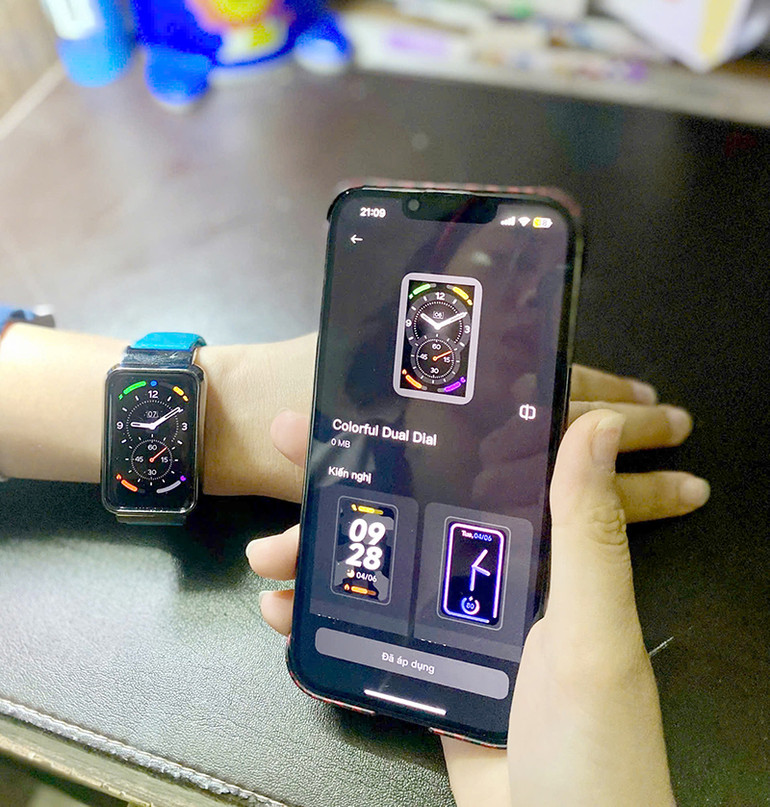 |
The security risks of IoT lie with both users and devices. (Photo: Trung Anh) |
Raising awareness to minimize and prevent risks.
Experts believe that to minimize the risks of IoT applications, the most important factor is the awareness of both consumers and businesses, followed by action from regulatory agencies.
From the consumer's perspective, Mr. Nguyen Anh Vu stated: "When using IoT devices in daily life, we are both beneficiaries of convenience and potential victims. Therefore, raising awareness in the use and operation of these devices is the first thing to do, before considering the benefits they bring. Using genuine, reputable products with verifiable origins and data security commitments... are top priorities before considering price."
According to Dr. Ho Trong Viet, users need to improve their technological knowledge regarding ensuring information security for all important accounts (social media, email, banking, work or entertainment applications, etc.). Currently, information about scams and property theft via the internet and phone is constantly being updated by authorities on various media channels. Therefore, users need to raise their awareness to cope with the constantly changing tactics of these cyber criminals.
From the business perspective, both experts emphasized the need to prioritize investment in IT organizations and human resources, ensuring they have the capacity to balance the digital transformation process with the development of security mechanisms for data systems and IoT. Furthermore, the selection of reputable suppliers for IoT equipment, technology, and services also requires careful consideration.
As for regulatory agencies, risks to information security and privacy have been recognized and incorporated into cybersecurity laws, with continuous adjustments and applications to ensure suitability to the actual situation (such as Law on Network Information Security No. 86/2015/QH13, Law on Cybersecurity No. 24/2018/QH14, Decree 13/2023/ND-CP on Personal Data Protection, and Decree 72/2013/ND-CP).
However, we need to refer to and develop many foreign data protection policies such as GDPR or CCPA to build and enforce stricter regulations on security and privacy, encourage higher security standards, and have specific regulations applicable to IoT devices.
Finally, there is a need for specific guidelines on verifying the origin of IoT products and warning users about products of unclear origin, as well as regulations on safety, security, and user data protection standards, especially for IoT devices used in large-scale social welfare systems.
Source: https://nhandan.vn/can-trong-voi-iot-post866738.html


![[Photo] General Secretary and President To Lam presides over a working session with the Central Policy and Strategy Committee on the development of the materials industry.](https://vphoto.vietnam.vn/thumb/1200x675/vietnam/resource/IMAGE/2026/05/21/1779359935432_a3-bnd-3129-1412-jpg.webp)
















![[Video] Weather forecast for tonight and tomorrow, May 22, 2026: Hot weather returns to Northern and Central Vietnam.](https://vphoto.vietnam.vn/thumb/402x226/vietnam/resource/IMAGE/2026/05/21/1779368639596_thum-tt-toi-2105-png.webp)


























































Comment (0)