

(Dan Tri Newspaper) - Taking advantage of banks requiring users to verify biometric data on their apps to transfer large sums of money, scammers have employed various schemes to steal people's assets.
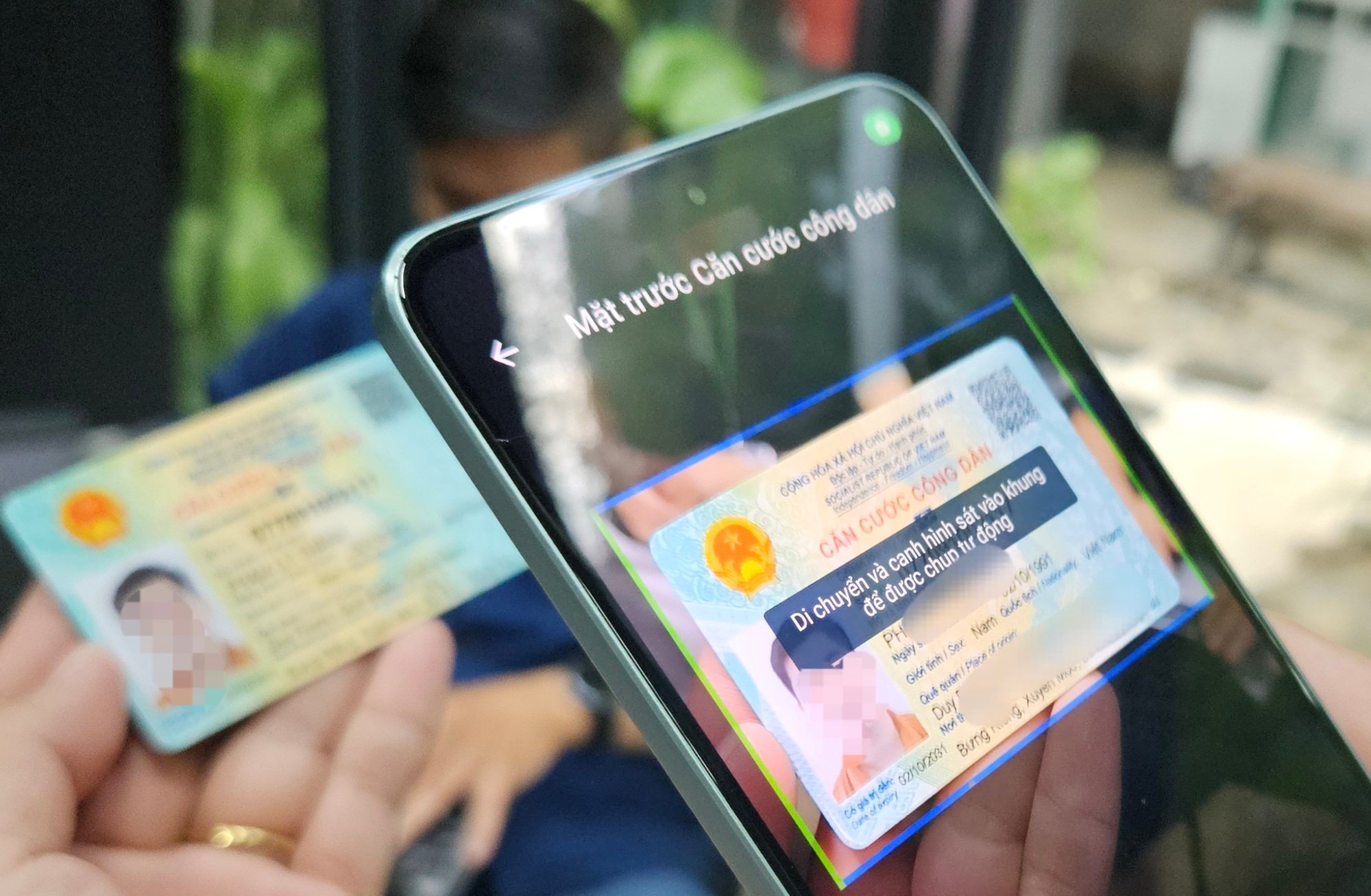
Scammers make phone calls instructing you to complete biometric verification for your banking app.
According to Decision 2345 of the State Bank of Vietnam , from July 1st, online money transfer transactions through banking applications, with amounts exceeding 10 million VND per transaction or cumulatively exceeding 20 million VND per day, will require facial recognition. This verification process will be compared against a centralized population database. This aims to ensure safety and security in online payments and bank card payments.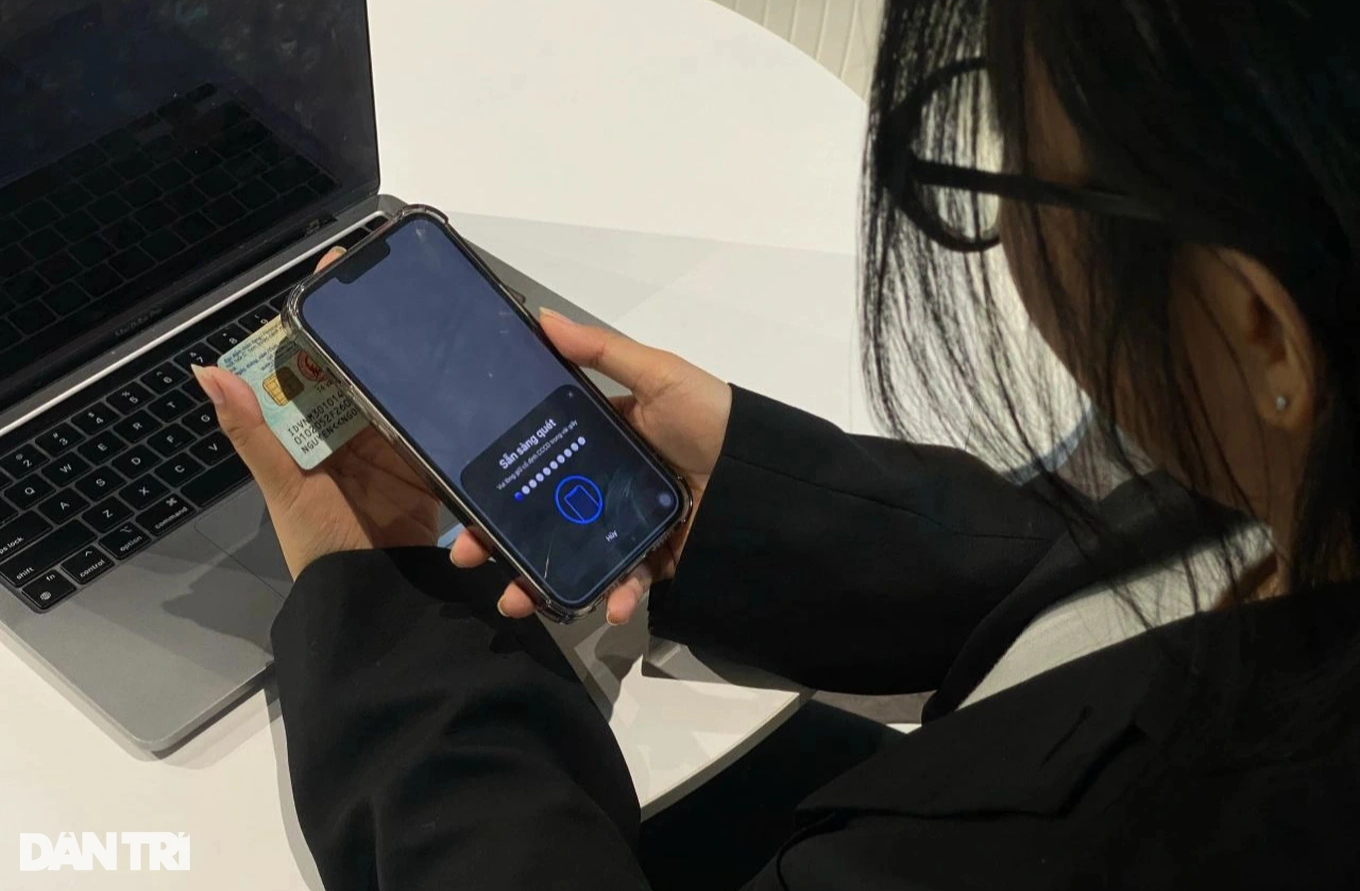
Biometric authentication helps to better protect people's safety, preventing the risk of being scammed and having all the money in their assets stolen (Photo: My Anh).
To do this, users need to perform biometric authentication through their smartphone's banking app. The biometric authentication process involves taking a portrait photo of the user and using the smartphone's NFC feature to scan the chip embedded in their Citizen Identity Card (CCCD). Performing biometric authentication through the banking app enhances security, reduces the risk of bank account login information being leaked, and prevents malicious actors from transferring all the money from their bank accounts after accessing their smartphones. However, many users encounter difficulties when performing biometric authentication on their smartphones because many devices do not support NFC connectivity for authentication, or users do not know how to properly position their CCCD so that the smartphone can read the NFC chip.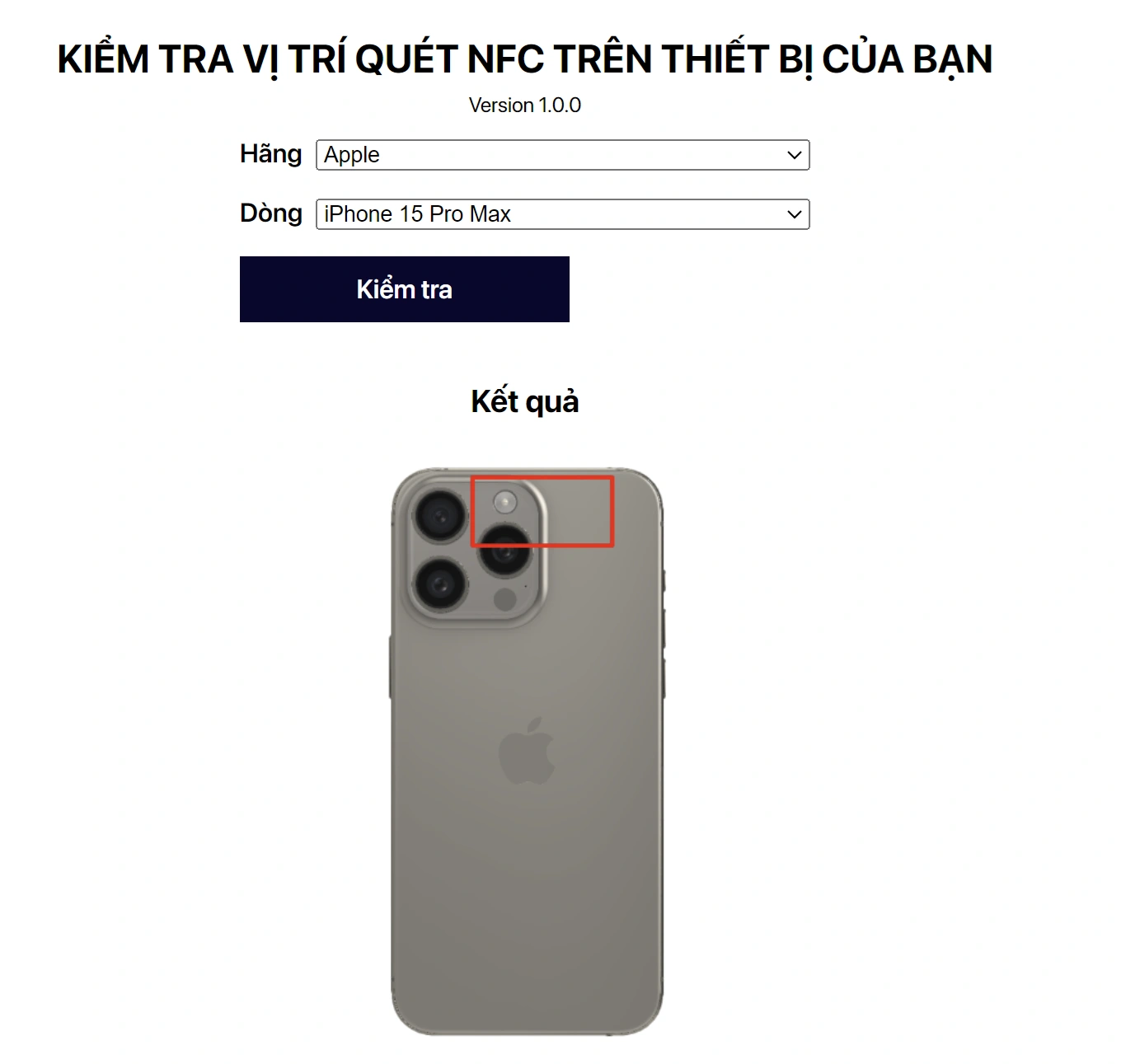
Many people encounter difficulties during biometric authentication because they don't know the location of the NFC chip on their smartphone (Screenshot).
Taking advantage of this, scammers have employed various fraudulent schemes. The most common involves impersonating bank employees, calling people to offer advice and assistance with biometric authentication on their smartphones. Using this method, the scammers steal personal information or trick users into installing malicious applications to gain control of their devices, thereby stealing money from their banking apps. Many people are highly vigilant and familiar with these tactics, so they don't comply with the scammers' requests. Nevertheless, they remain frustrated by receiving dozens of calls daily from scammers impersonating bank employees to advise them on biometric authentication. "Banks have warned people about scams involving impersonating bank employees, so I'm very vigilant. But the scammers keep calling me under the pretext of assisting with biometric authentication on my smartphone, which is very annoying," shared Mr. HS, a resident of Cau Giay district, Hanoi .Common scams that exploit biometric authentication.
The goal of these scammers is to steal users' personal information, trick them into installing malware on their smartphones to gain control, and steal money through banking applications on their smartphones. Below are the most common tricks that malicious actors use to exploit biometric authentication on smartphones to commit fraud; people need to be aware of them to avoid becoming victims: - Impersonating bank employees to make friends on social media: With this type of scam, malicious actors create fake social media accounts on Facebook, Zalo, etc., impersonating bank employees or even creating fake social media accounts of major banks.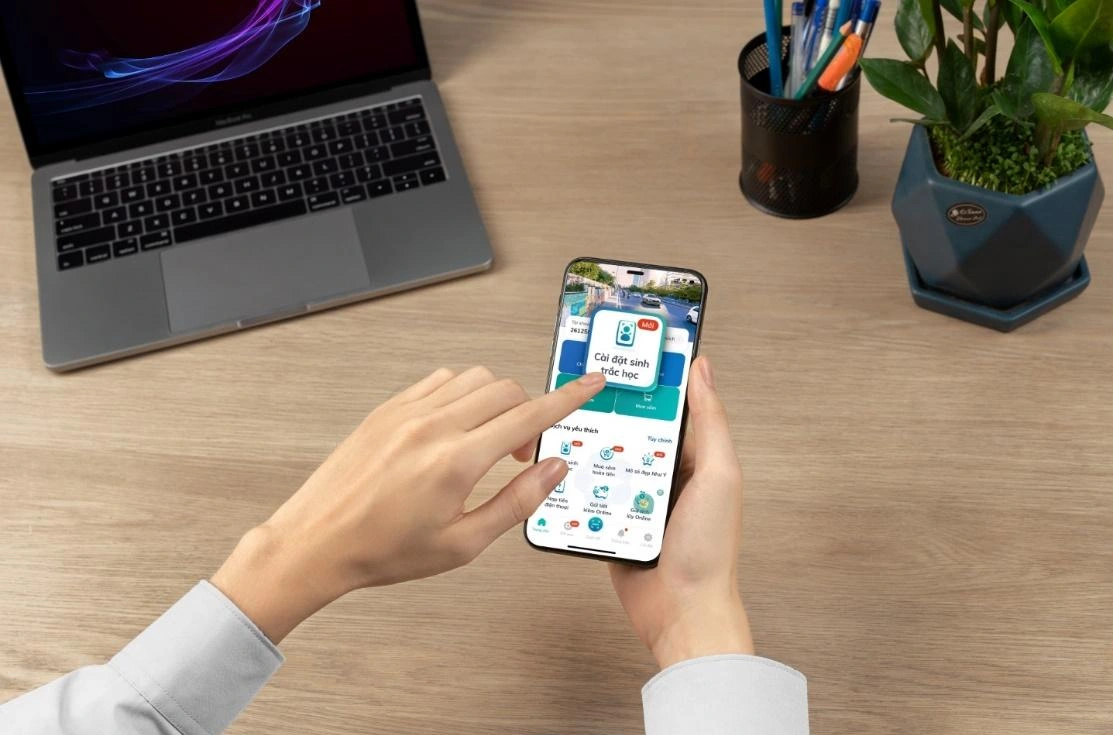
Malicious actors will impersonate bank employees, calling or befriending users to scam them into gaining access to and control of their smartphones (Illustrative image: IT).
Then, through posts and comments on Facebook or Zalo, they will intentionally contact and befriend people who are having difficulty with biometric authentication on their smartphones, requesting assistance, but in reality, with the intention of scamming them. - Requesting people to provide personal information and photos of their citizen ID cards : Scammers will call people, impersonating bank employees wanting to help them with biometric authentication on their smartphones, and simultaneously requesting users to provide personal information, photos of their citizen ID cards, portraits, voice recordings, etc. Many gullible people will comply with the scammers' requests. They will use this personal information for fraudulent activities, borrowing money through financial applications, etc., causing people to incur debts without knowing it. - Using Zalo and Facebook to trick people into installing malware: Similar to the method above, scammers impersonate bank employees, befriending people via Facebook or Zalo to guide them on how to perform biometric authentication on their smartphones. After gaining the user's trust, the perpetrators will entice them to install applications containing malware, disguised as banking applications, claiming that it makes the biometric authentication process faster and easier. However, after installing these malware programs, the user's smartphone will be compromised, control will be lost, and the perpetrators can steal all the money through the banking application on the infected smartphone. - Tricking users into accessing fake bank websites: Besides tricking people into installing applications containing malware, the perpetrators will also build websites with interfaces that copy and impersonate bank websites, with dialog boxes for entering bank account login information. The scammers then impersonate bank employees, sending victims links to this fake website, tricking them into logging into their bank accounts to steal login information. Sometimes, these phishing websites will also automatically download files containing malware to the victim's smartphone to gain control without their knowledge.What can people do to avoid becoming victims?
By understanding the aforementioned types of scams, users can increase their vigilance to avoid becoming victims of malicious individuals. Absolutely do not provide personal information, photos of your ID card, portrait photos, or bank account information to strangers or people you have just met on social media. If you see a stranger sending you a friend request on Facebook, Zalo, etc., and you don't know who they are, decline the offer.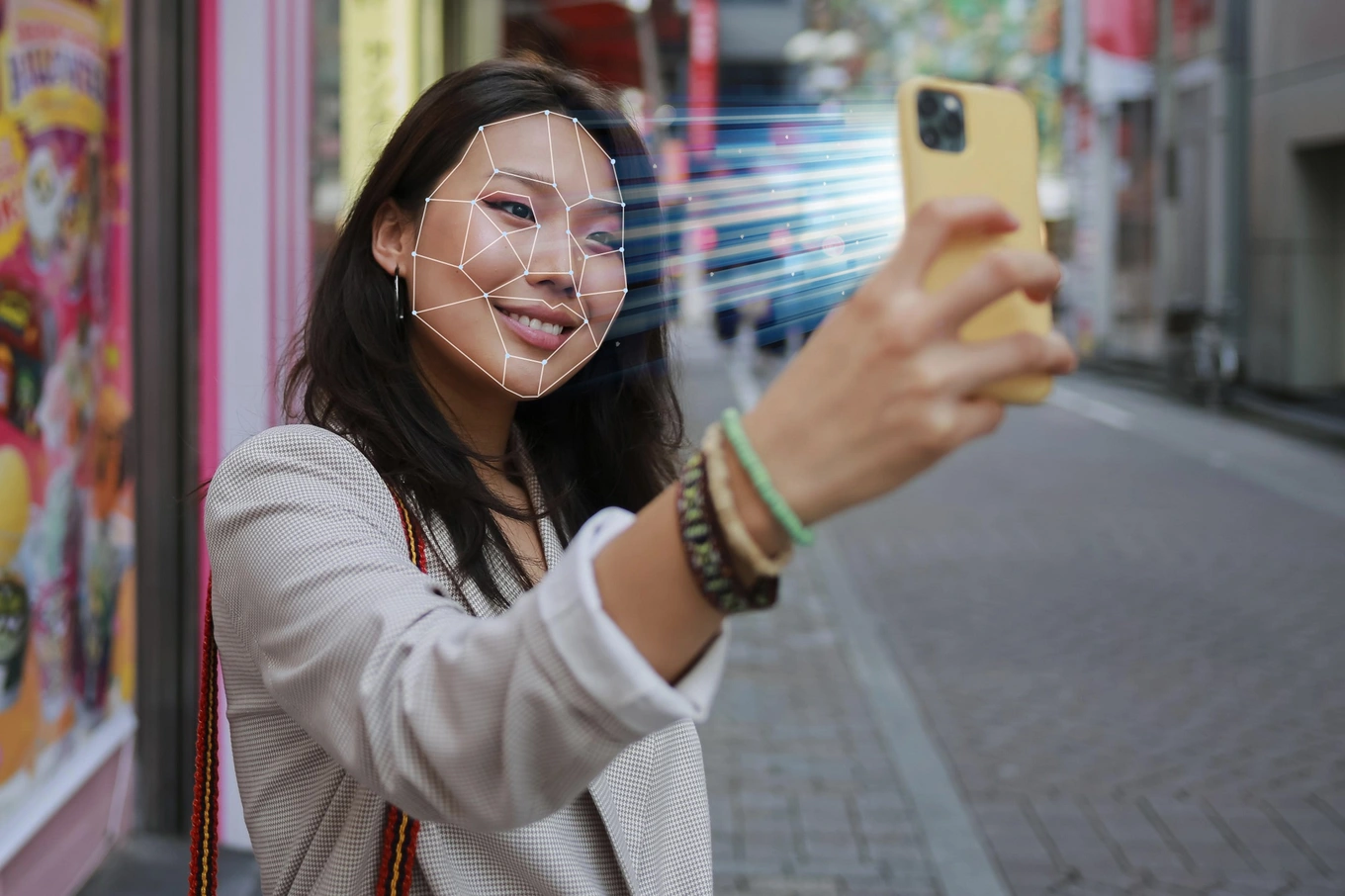
After biometric verification, users will have to use their faces to authenticate transactions worth more than 10 million VND, enhancing security and preventing fraud (Photo: Getty).
Through their official websites and apps, banks have also issued warnings to users about scams exploiting biometric authentication on smartphones. If you encounter difficulties during the biometric authentication process on your smartphone, you should bring your device directly to the bank for assistance, instead of following advice from strangers online.Dantri.com.vn
Source: https://dantri.com.vn/suc-manh-so/chieu-tro-lua-dao-ho-tro-xac-thuc-sinh-trac-hoc-ung-dung-ngan-hang-20240729110950017.htm
![[Photo] Prime Minister Pham Minh Chinh receives the Governor of Tochigi Province (Japan)](/_next/image?url=https%3A%2F%2Fvphoto.vietnam.vn%2Fthumb%2F1200x675%2Fvietnam%2Fresource%2FIMAGE%2F2025%2F12%2F16%2F1765892133176_dsc-8082-6425-jpg.webp&w=3840&q=75)
![[Live] 2025 Community Action Awards Gala](/_next/image?url=https%3A%2F%2Fvphoto.vietnam.vn%2Fthumb%2F1200x675%2Fvietnam%2Fresource%2FIMAGE%2F2025%2F12%2F16%2F1765899631650_ndo_tr_z7334013144784-9f9fe10a6d63584c85aff40f2957c250-jpg.webp&w=3840&q=75)
![[Image] Leaked images ahead of the 2025 Community Action Awards gala.](/_next/image?url=https%3A%2F%2Fvphoto.vietnam.vn%2Fthumb%2F1200x675%2Fvietnam%2Fresource%2FIMAGE%2F2025%2F12%2F16%2F1765882828720_ndo_br_thiet-ke-chua-co-ten-45-png.webp&w=3840&q=75)
![[Photo] Prime Minister Pham Minh Chinh receives Lao Minister of Education and Sports Thongsalith Mangnormek](/_next/image?url=https%3A%2F%2Fvphoto.vietnam.vn%2Fthumb%2F1200x675%2Fvietnam%2Fresource%2FIMAGE%2F2025%2F12%2F16%2F1765876834721_dsc-7519-jpg.webp&w=3840&q=75)




























































































Comment (0)