

The U.S. Federal Communications Commission (FTC) has just agreed to open up the spectrum for certain wearable devices, a move welcomed by manufacturers of virtual reality (VR) and augmented reality (AR) wearables.
Accordingly, the 6 GHz band has been agreed to be reserved for “certain new types of very low-power devices,” such as technology in wearable devices.
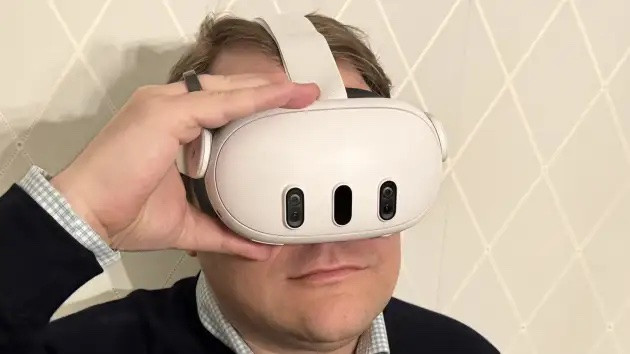
The FCC hopes this move will “enhance an ecosystem of cutting-edge applications, including VR and AR technologies, to support businesses, enhance learning and healthcare opportunities, and deliver new entertainment experiences.”
Kevin Martin, vice president of North American policy at Meta, said the FCC vote was "a prime example of how the government can quickly finalize the legal framework for building the future."
The social media giant views opening up the 6 GHz band as a crucial step in its vision for smart glasses. This result means future wearable devices can still function well even when users are not at home or in places with strong Wi-Fi connections.
Meanwhile, Google's Pixel hardware team asserted that "the 6 GHz band is essential to the future of wireless connectivity" and that the vote was "a victory for American consumers" as the band would enable high-speed peer-to-peer Wi-Fi connectivity.
According to Google, peer-to-peer connectivity is a form of "direct connection between devices via Wi-Fi without the need for an intermediate access point." This feature is said to be useful for games or applications with multiple users sharing the same connection.
Apple, another player in the VR wearable device market, also stated that the FCC's move "is a positive step forward."
In 2020, US technology companies such as Apple, Broadcom, Meta, and Google supported the proposal to license the 6 GHz band, arguing that it “will unlock significant application potential as part of the next 5G ecosystem.”
Specifically, tech experts say that very low-power devices (VLPs), including VR/AR devices, headsets, and game controllers, with access to the 6 GHz frequency band, will become more useful and versatile with the ability to operate wirelessly outdoors.
(According to CNBC)
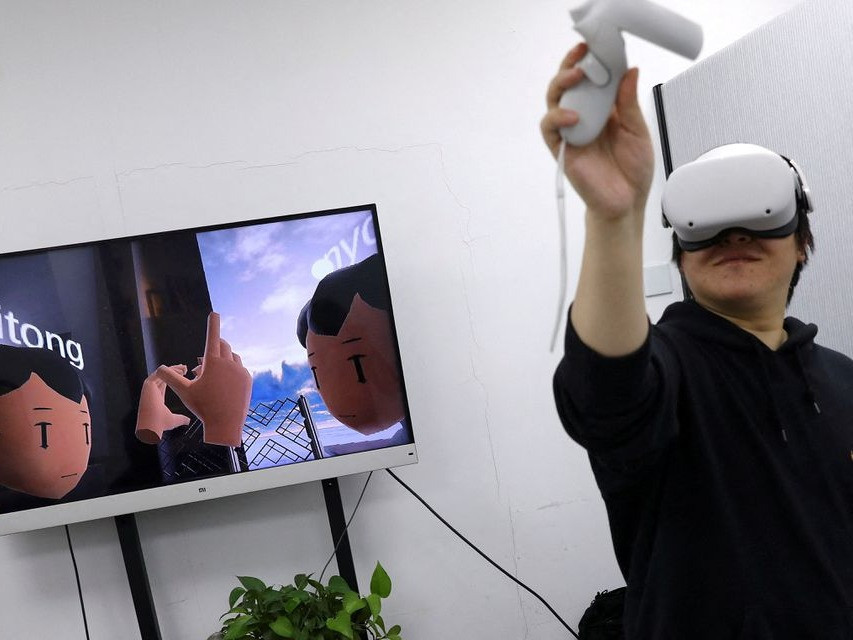
From the current half million, China aims to sell 25 million VR and AR devices by 2026.
China announced its first action plan for virtual reality (VR) on November 1st, aiming to sell more than 25 million devices worth approximately 350 billion yuan (US$48.2 billion) by 2026.
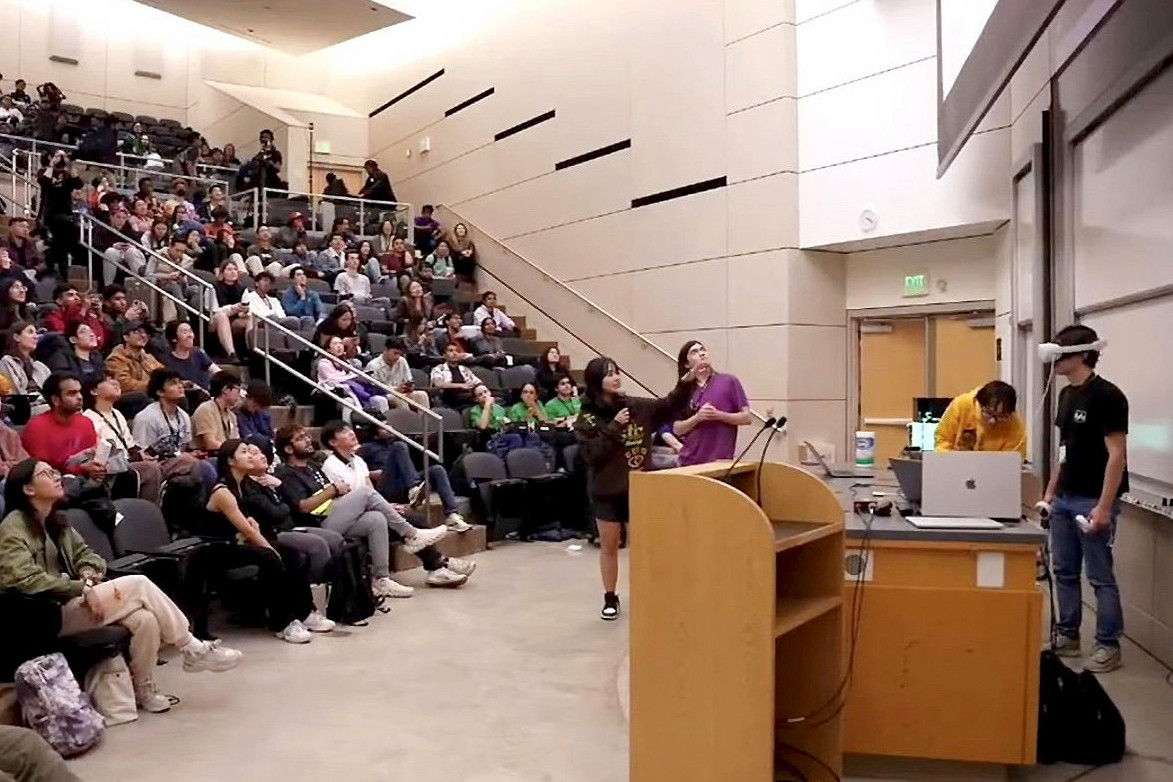
Integrating ChatGPT into VR glasses, Vietnamese students win Stanford University award.
Two freshmen from Vietnam recently won TreeHacks (a technology competition for students held at the end of February) at Stanford University for developing a VR headset designed to improve public speaking skills.
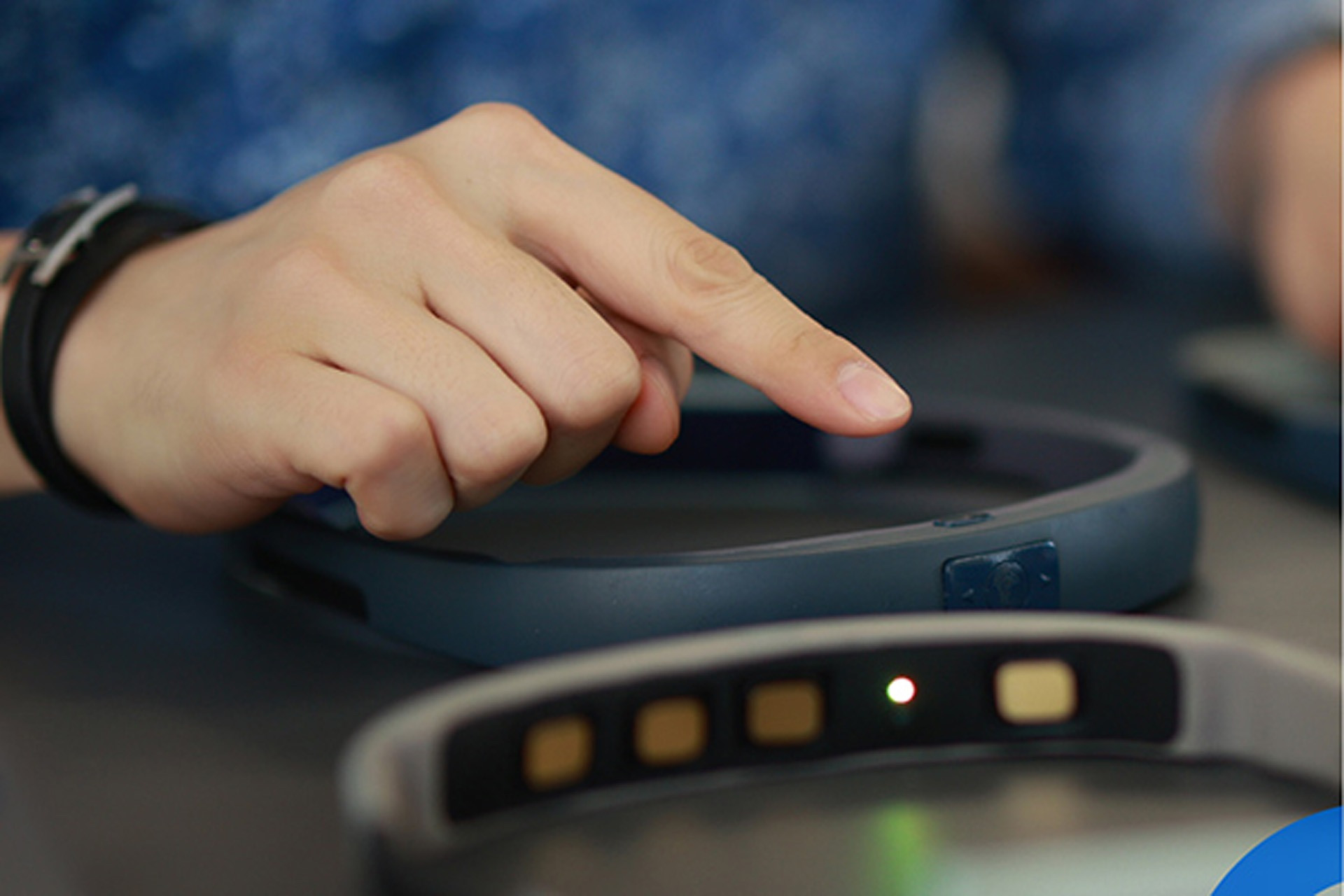
Smart wearable devices made in Vietnam that help improve sleep will receive support for development.
FRENZ Brainband is the first Vietnamese product to win the CES 2023 Innovation Award in the Wearable Devices category, recognizing it as a breakthrough device for the global sleep technology and neurotechnology industry.
Source
![[Photo] Prime Minister Pham Minh Chinh receives Lao Minister of Education and Sports Thongsalith Mangnormek](/_next/image?url=https%3A%2F%2Fvphoto.vietnam.vn%2Fthumb%2F1200x675%2Fvietnam%2Fresource%2FIMAGE%2F2025%2F12%2F16%2F1765876834721_dsc-7519-jpg.webp&w=3840&q=75)
![[Photo] Prime Minister Pham Minh Chinh receives the Governor of Tochigi Province (Japan)](/_next/image?url=https%3A%2F%2Fvphoto.vietnam.vn%2Fthumb%2F1200x675%2Fvietnam%2Fresource%2FIMAGE%2F2025%2F12%2F16%2F1765892133176_dsc-8082-6425-jpg.webp&w=3840&q=75)
![[Live] 2025 Community Action Awards Gala](/_next/image?url=https%3A%2F%2Fvphoto.vietnam.vn%2Fthumb%2F1200x675%2Fvietnam%2Fresource%2FIMAGE%2F2025%2F12%2F16%2F1765899631650_ndo_tr_z7334013144784-9f9fe10a6d63584c85aff40f2957c250-jpg.webp&w=3840&q=75)
![[Image] Leaked images ahead of the 2025 Community Action Awards gala.](/_next/image?url=https%3A%2F%2Fvphoto.vietnam.vn%2Fthumb%2F1200x675%2Fvietnam%2Fresource%2FIMAGE%2F2025%2F12%2F16%2F1765882828720_ndo_br_thiet-ke-chua-co-ten-45-png.webp&w=3840&q=75)
![[Image] The tenacious fighting spirit of Vietnamese women's football](/_next/image?url=https%3A%2F%2Fvphoto.vietnam.vn%2Fthumb%2F1200x675%2Fvietnam%2Fresource%2FIMAGE%2F2025%2F12%2F17%2F1765990260956_ndo_br_4224760955870434771-copy-jpg.webp&w=3840&q=75)





















































![[Live] Closing Ceremony and Award Presentation for the "Impressive Vietnam Tourism" Video/Clip Creation Contest 2025](https://vphoto.vietnam.vn/thumb/402x226/vietnam/resource/IMAGE/2025/12/17/1765974650260_z7273498850699-00d2fd6b0972cb39494cfa2559bf85ac-1765959338756946072104-627-0-1338-1138-crop-1765959347256801551121.jpeg)



















Comment (0)