

The 126th Brigade, established in 1966, achieved glorious victories during the resistance war against the US, sinking hundreds of enemy ships. More than half a century has passed, and generations of soldiers today are still proud of that tradition. But they do not rest on the laurels of the past.
To commemorate the 80th anniversary of the August Revolution and National Day on September 2nd, the Brigade is stepping up emulation movements, from improving training quality and mastering modern equipment to paying tribute to heroic martyrs and showing gratitude. This is their way of honoring history, but also a way of "reinventing themselves" and adapting to the demands of the times.
It's not just a mission, but also the identity of the 126th Naval Special Forces Brigade – a unit with a tradition of sinking hundreds of enemy ships during wartime. In peacetime, these "Yết Kiêu" (heroes) continue their combat mission. They fight against death, against natural disasters and enemy threats to save lives and property for the people.
A race against death
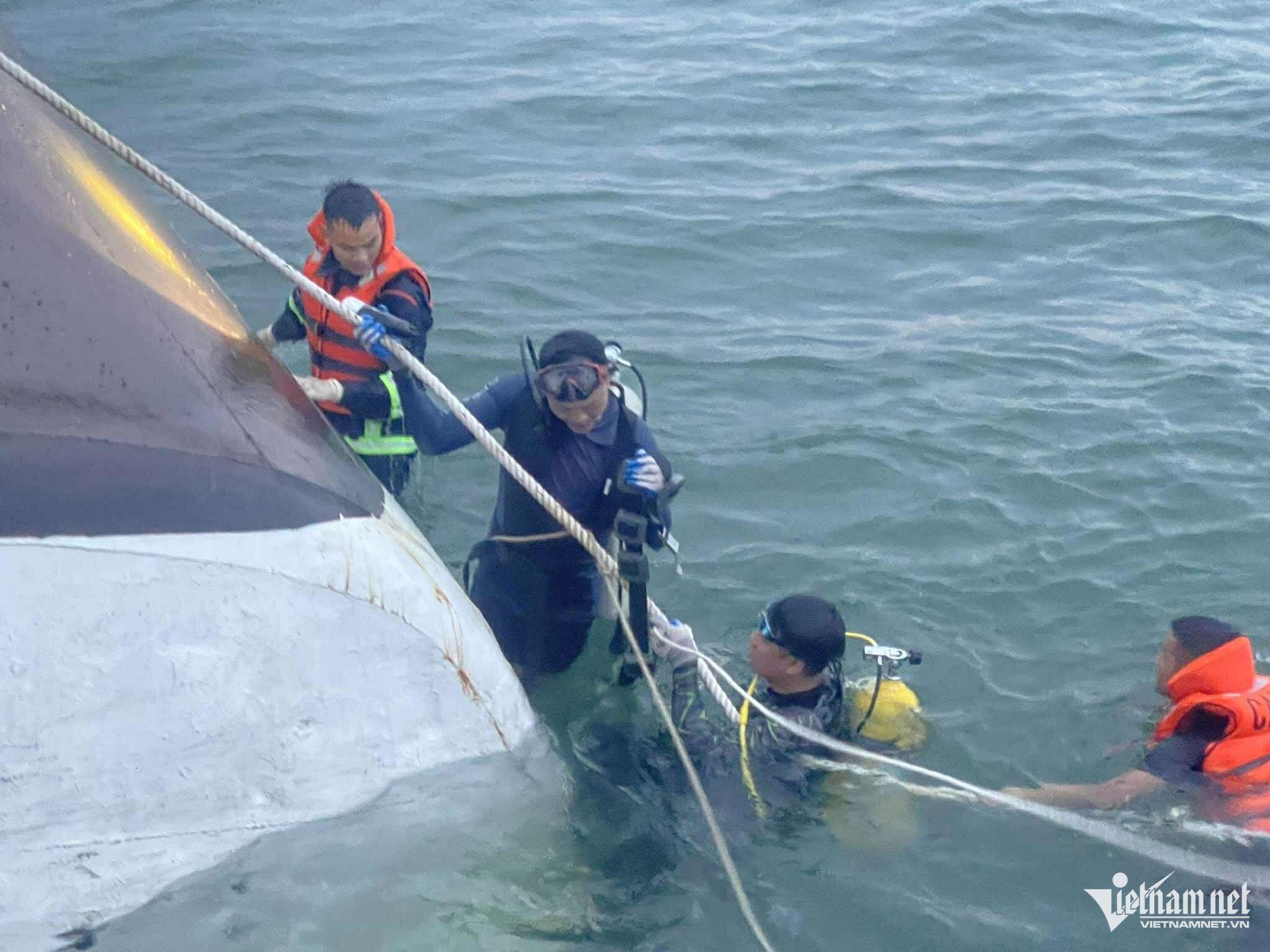
In mid-July, the entire country was shaken by the capsizing of a tourist boat in Ha Long Bay (Quang Ninh). As night fell, frogmen from Brigade 126 plunged into the sea, diving and searching in the saltwater for the bodies of the victims. They worked continuously, silently tapping on the steel walls of the ship to signal their comrades whenever a body was pulled up.
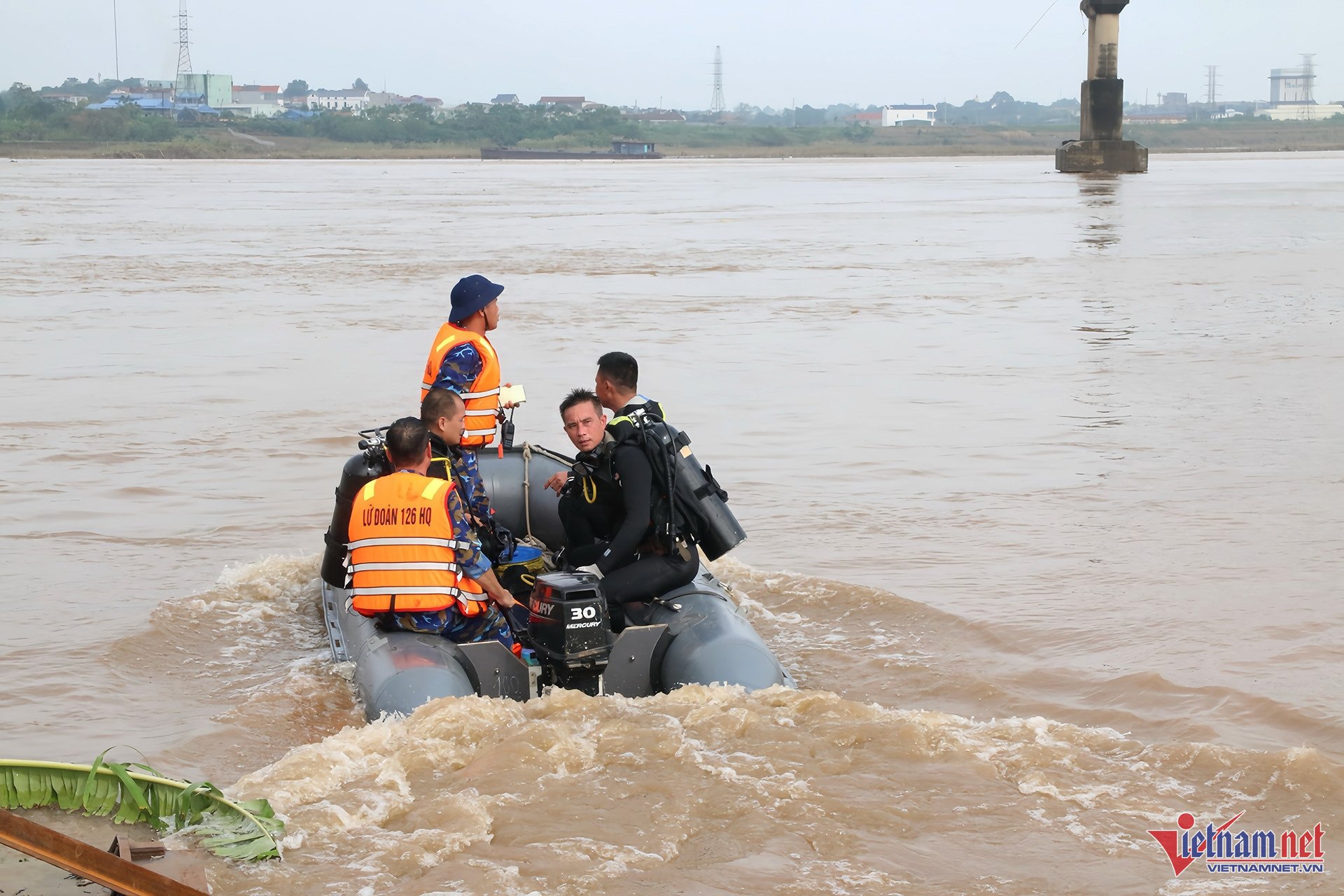 |  |
Shortly before that, in the Phong Chau bridge collapse ( Phu Tho province ), naval commandos expanded their search area for victims to a radius of 10km. The river current was strong, the mud and sand were thick, and visibility underwater was almost zero, forcing them to search meter by meter.
One soldier recounted: "There were times when my hand brushed against a piece of wood, and I was startled, thinking I'd found someone. Only when I lifted it up did I realize it was just a log. But no one gave up."
These peacetime battles are no less fierce than battlefields. Rescue operations take place in silence, where every moment of delay means a shorter chance of survival for the victims.
Colonel Mai Xuan Huong, Political Commissar of Brigade 126, called rescue and relief missions "a form of combat in peacetime."
"Helping people in times of natural disasters and fires is a command from the heart. When you jump into the water to save people, everyone feels like they are saving their own loved ones," Colonel Mai Xuan Huong shared.
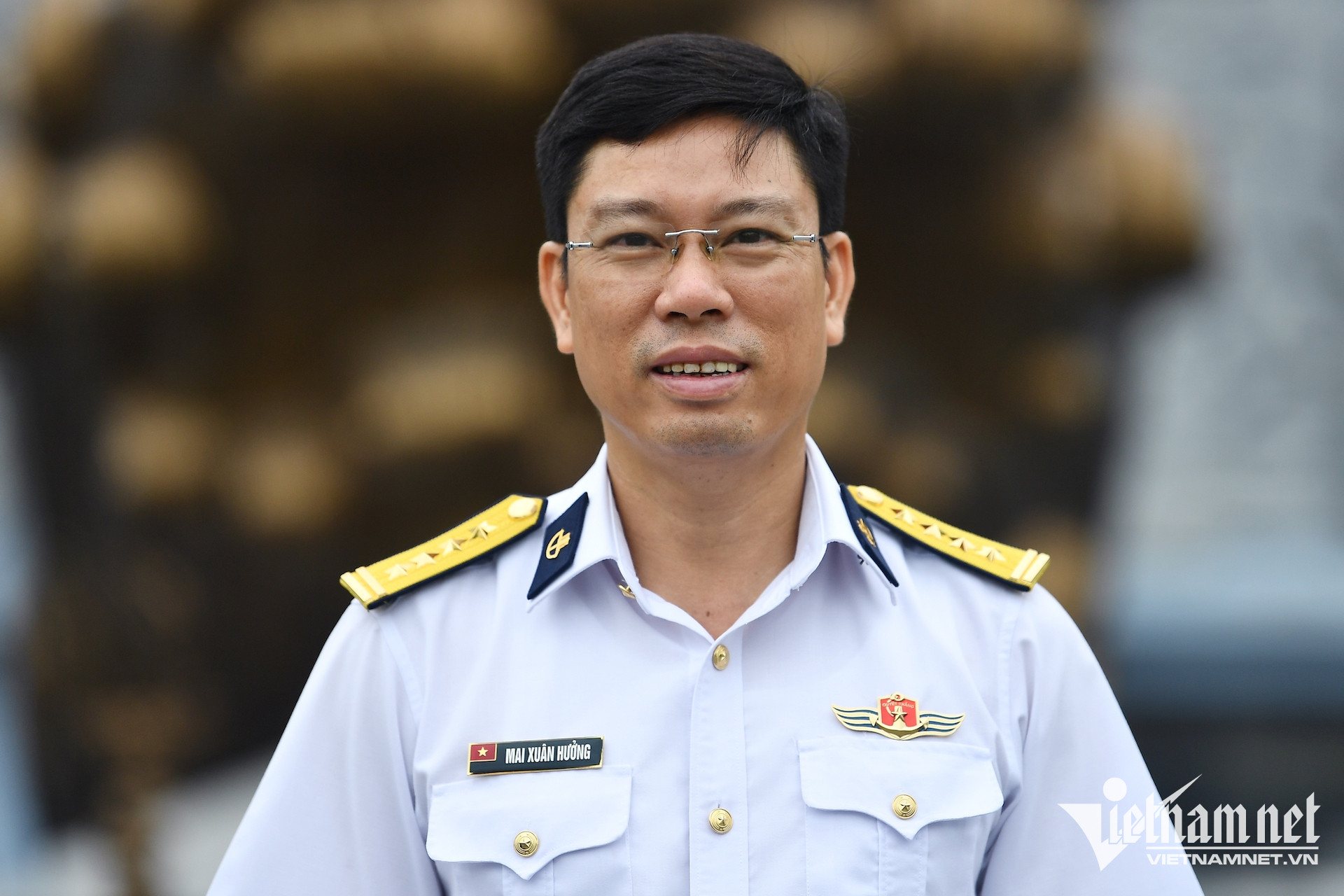
The political commissar of Brigade 126 stated that the most difficult aspect of the aquatic environment is the uncertainty. Currents, depth, impurities... render visibility zero. Soldiers are left to grope their way through every square meter of water. Therefore, the biggest lesson the Brigade learned is to always have forces and equipment ready; to always have multiple response plans; and, most importantly, to possess the steely resolve of soldiers in emergency situations.
For naval commandos, search and rescue is not just an "additional task" but a responsibility that goes hand in hand with combat. The image of soldiers wading through swirling waters symbolizes the spirit of "selfless service to the people."
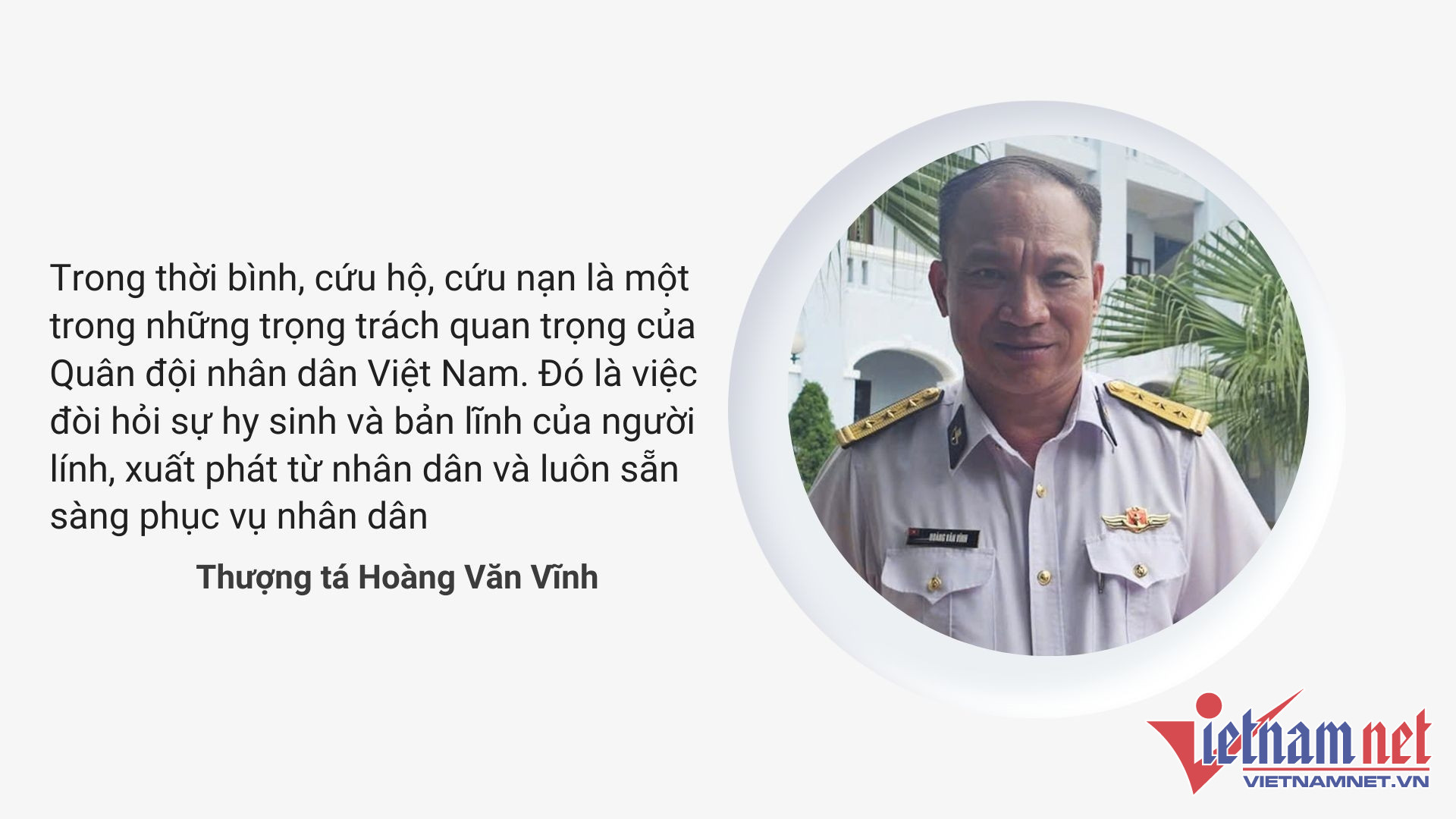
Lieutenant Colonel Hoang Van Vinh, Deputy Brigade Commander and Chief of Staff of Brigade 126, observed: “In peacetime, search and rescue is one of the important responsibilities of the Vietnam People's Army. It demands sacrifice and courage from the soldiers, who originate from the people and are always ready to serve the people.”
Lieutenant Colonel Vinh emphasized that the army has three functions: combat, work, and production. Rescue and relief missions fall under the work function, demonstrating a close, inseparable bond with the people. After rescue operations, the soldiers remain with the people to stabilize their lives, rebuild roads and bridges, and restore daily life.
"Rescue operations require thorough preparation and a constant readiness to fight. Emergency situations such as floods, shipwrecks, or unexpected incidents like the 2023 plane crash often unfold rapidly and are unpredictable."
"As soon as a storm is forecast, the military must maintain its forces and equipment in a state of high readiness," Lieutenant Colonel Hoang Van Vinh said.
At Brigade 126, the "four on-the-spot" principle (on-the-spot command, on-the-spot forces, on-the-spot equipment, on-the-spot logistics) is always thoroughly applied. When natural disasters or unexpected incidents strike, they can mobilize immediately. That is also why, in recent incidents from Phu Tho to Quang Ninh, the Brigade has been present on the front lines.
Developing modern human resources is a core element of a modern army.
Besides factors like weapons, equipment, and tactics, "people" are the key element that makes up the strength of an army.
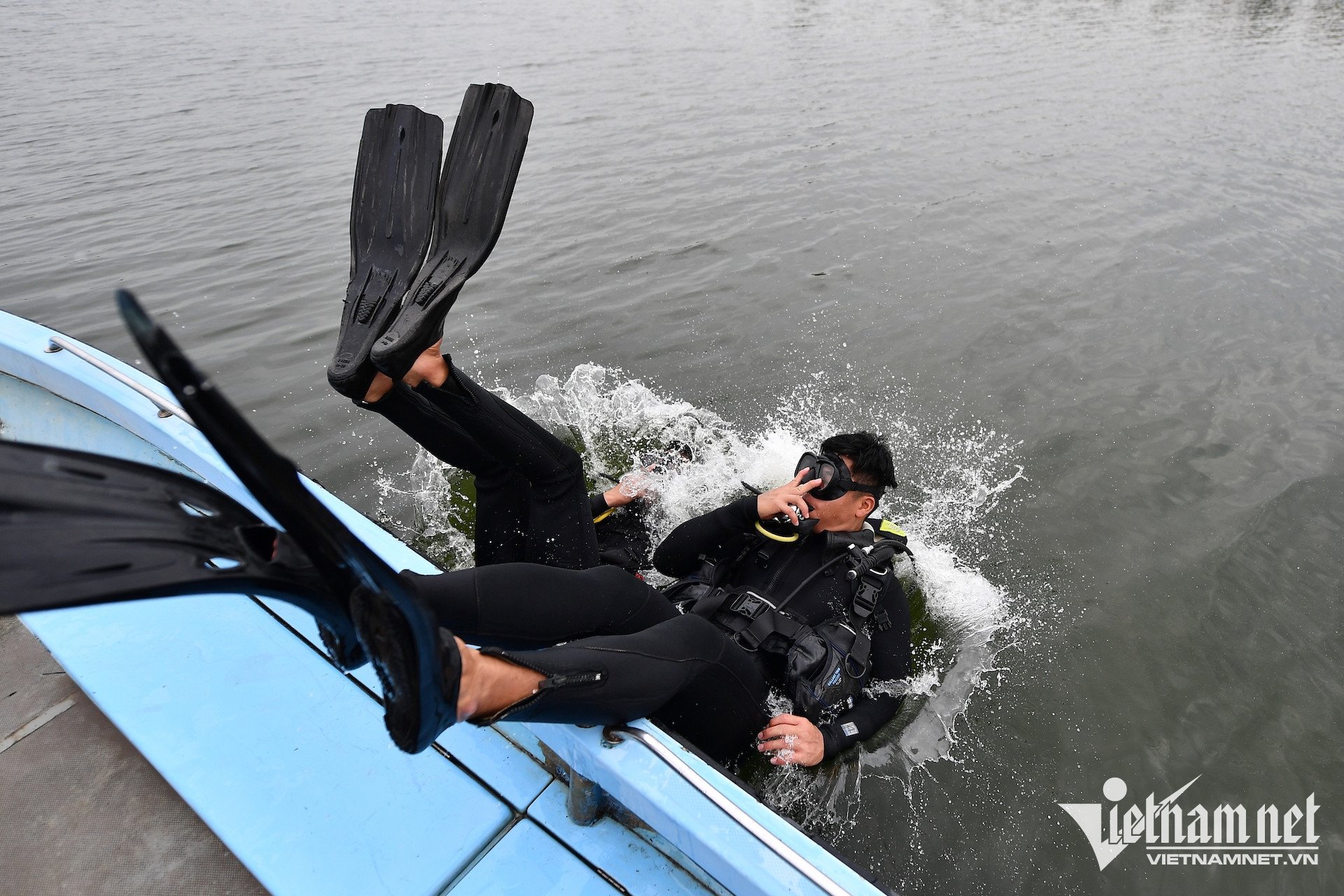
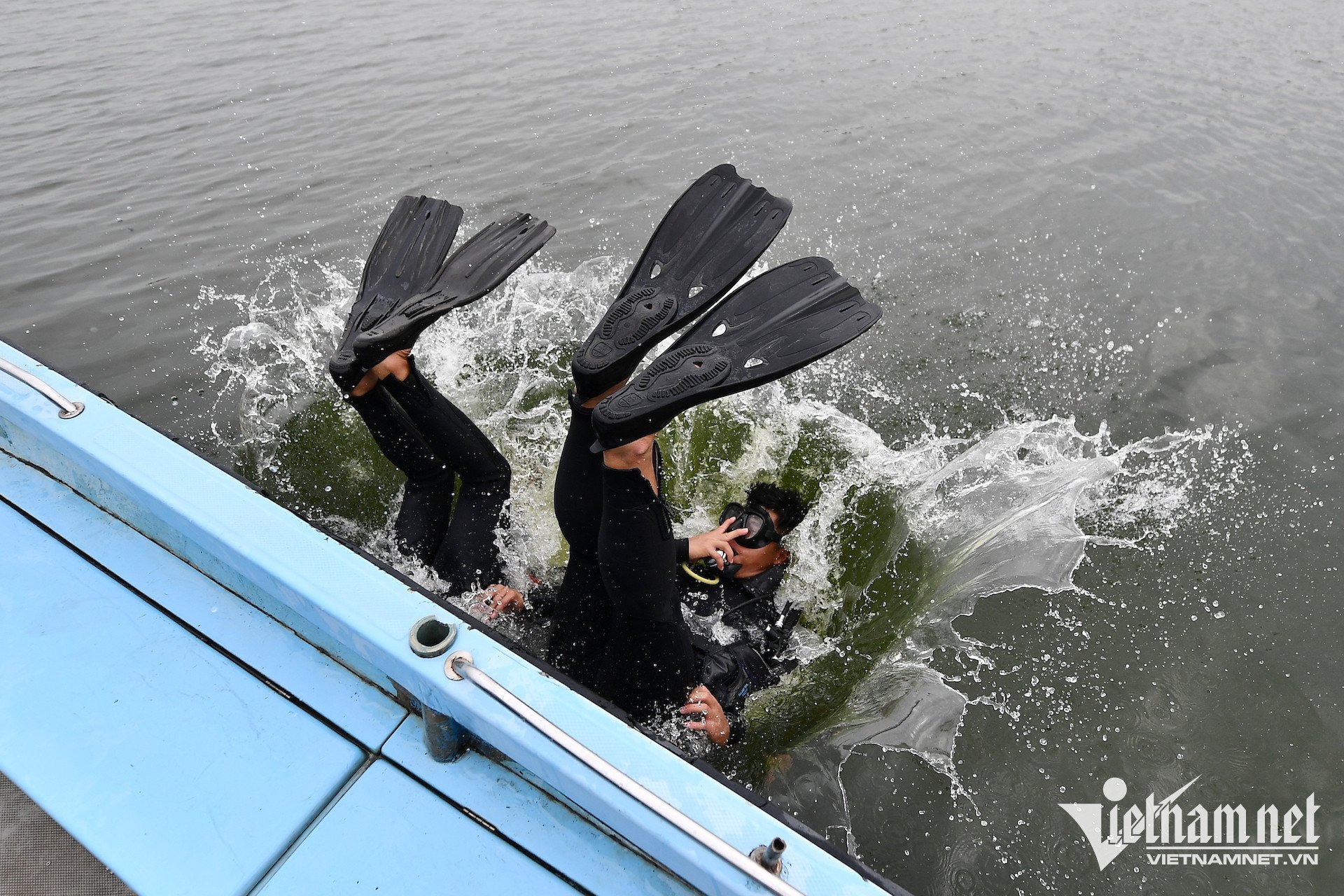
According to Lieutenant Colonel Hoang Van Vinh, the selection process for naval commando soldiers is rigorous. The first thing considered is moral character and political acumen, followed by exceptional physical fitness, swimming and diving skills, and knowledge.
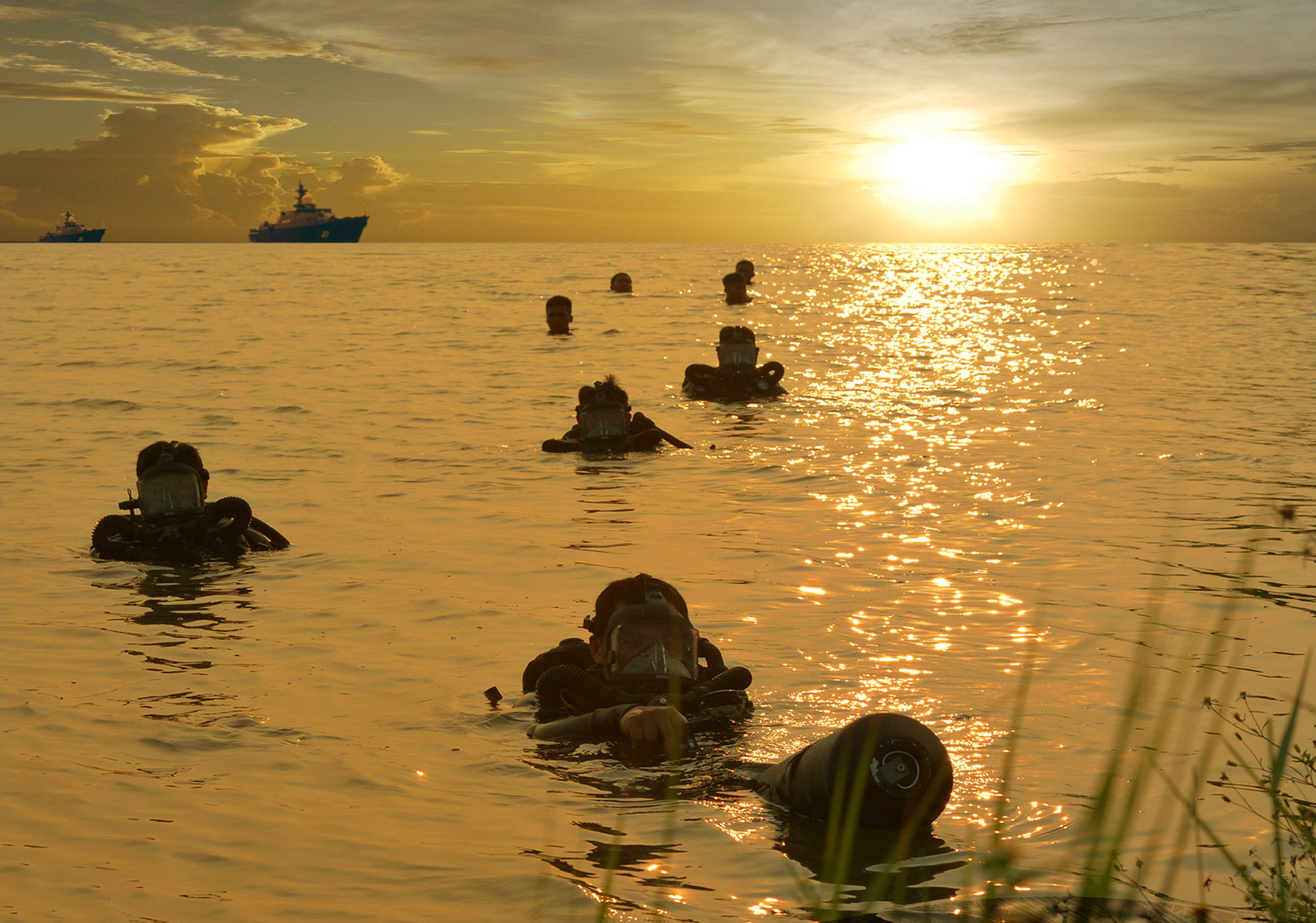
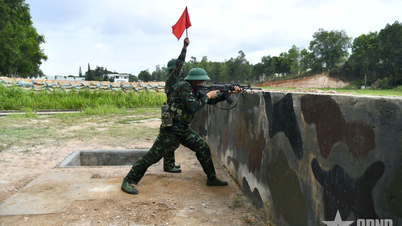
After being selected, the soldiers embark on a rigorous training journey, from theory to practice. On the training ground, they must spend many days at sea, treating it as a future battlefield. All of this is aimed at forging an iron will, unwavering courage, and flexible adaptability to unpredictable situations.
 |  |
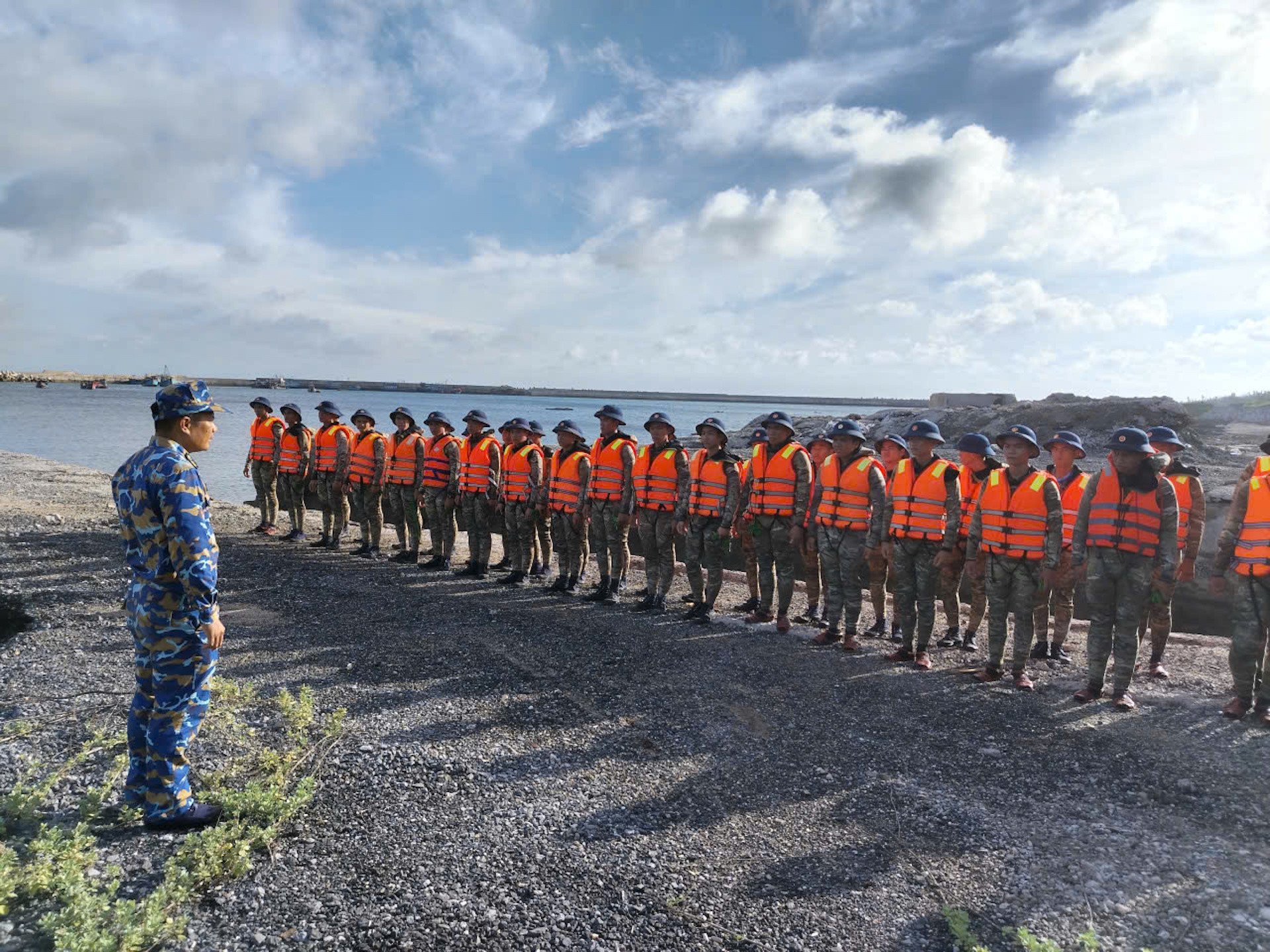
Colonel Mai Xuan Huong further stated that building human resources is the main political and ideological focus set by the Brigade Party Committee. The soldiers' character is forged from the unit's tradition of being three times awarded the title of Hero of the People's Armed Forces, and from the examples of previous generations. Commanders set a good example, and subordinates actively follow suit. That is how to keep the flame of character burning.
 | 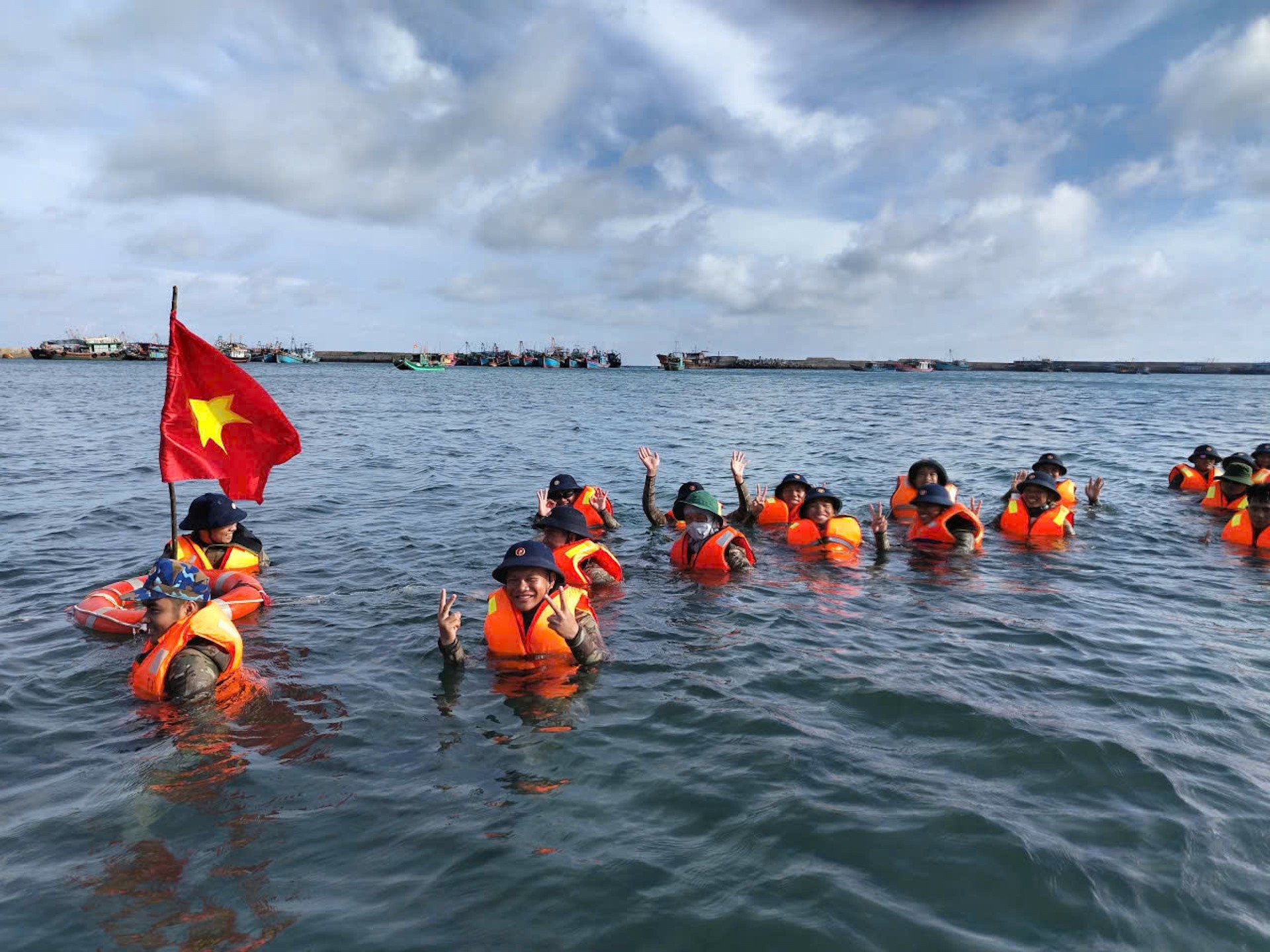 |
In the new context, the military must not only rely on past experience but also apply it creatively to practice. Lieutenant Colonel Vinh stated: “Past combat situations may no longer be the same as today, but practical experience helps soldiers adapt and find effective solutions. The learning process, combining theoretical knowledge and practice, is crucial for soldiers to develop modern thinking.”
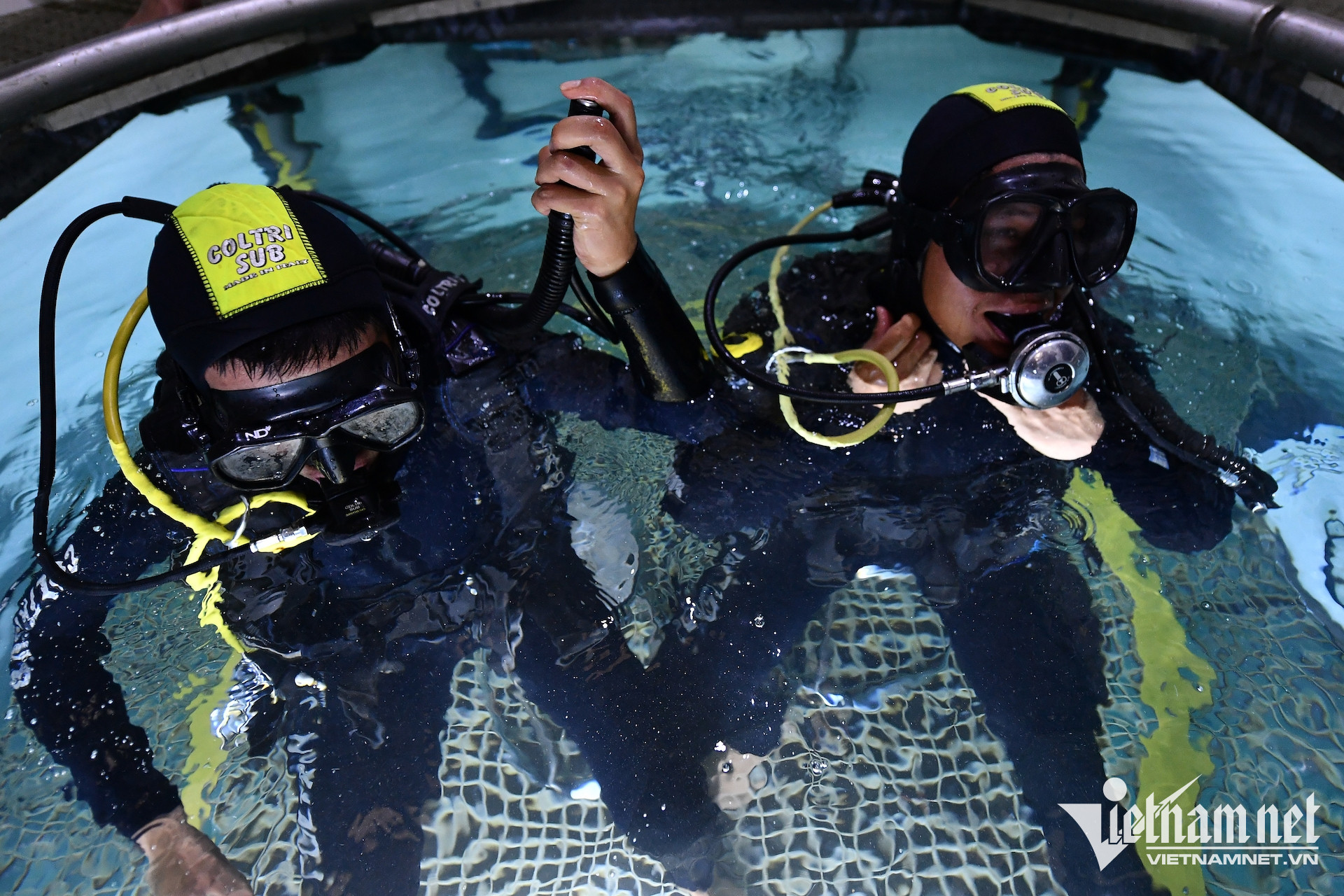
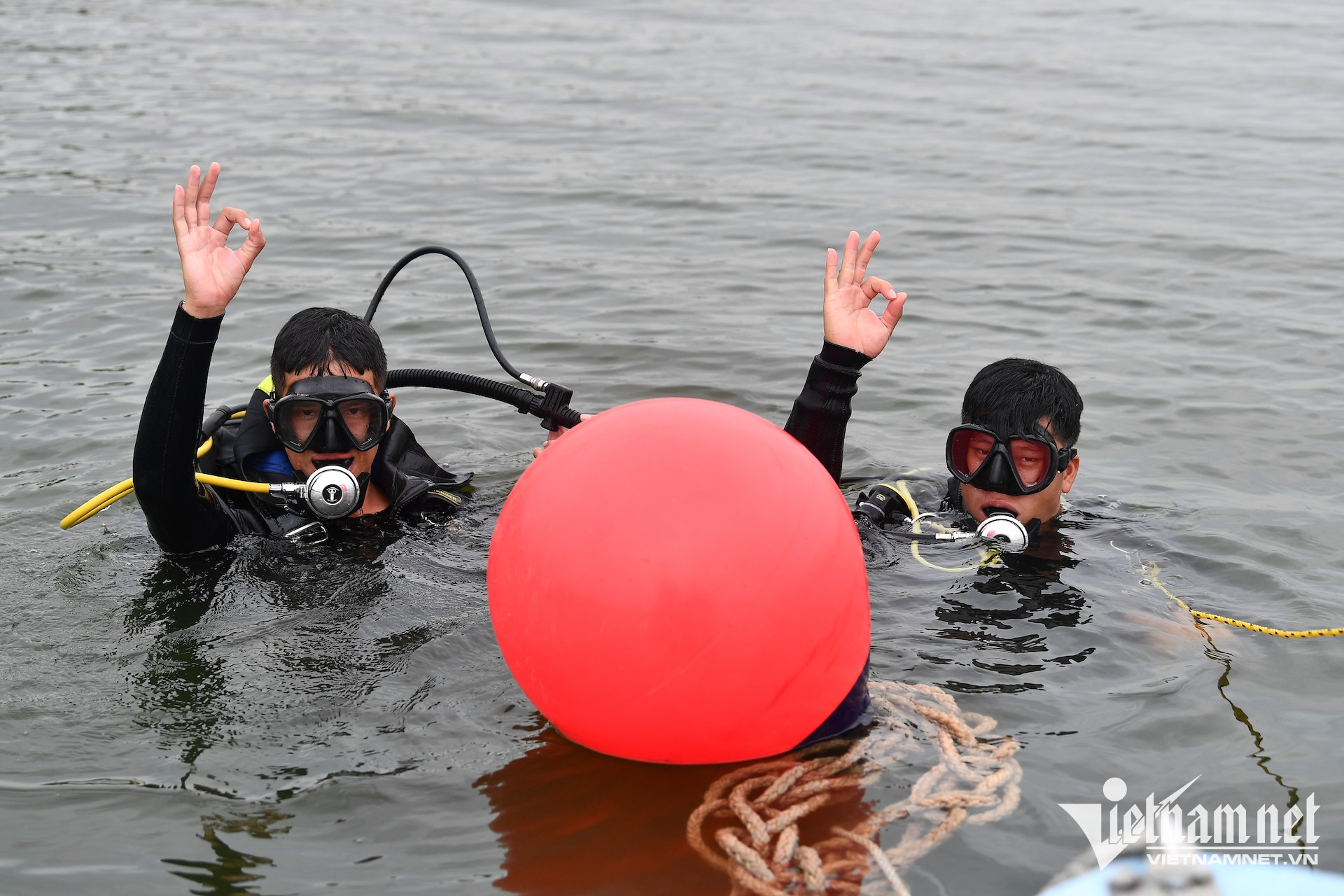
Lieutenant Colonel Nguyen Nhu Tuyen, Deputy Political Commissar of Brigade 126, emphasized: "During the performance of their duties, officers and soldiers of the Brigade always face dangerous and harsh situations. Therefore, cultivating willpower, a spirit of overcoming difficulties, and a willingness to sacrifice for the mission is a constant requirement."
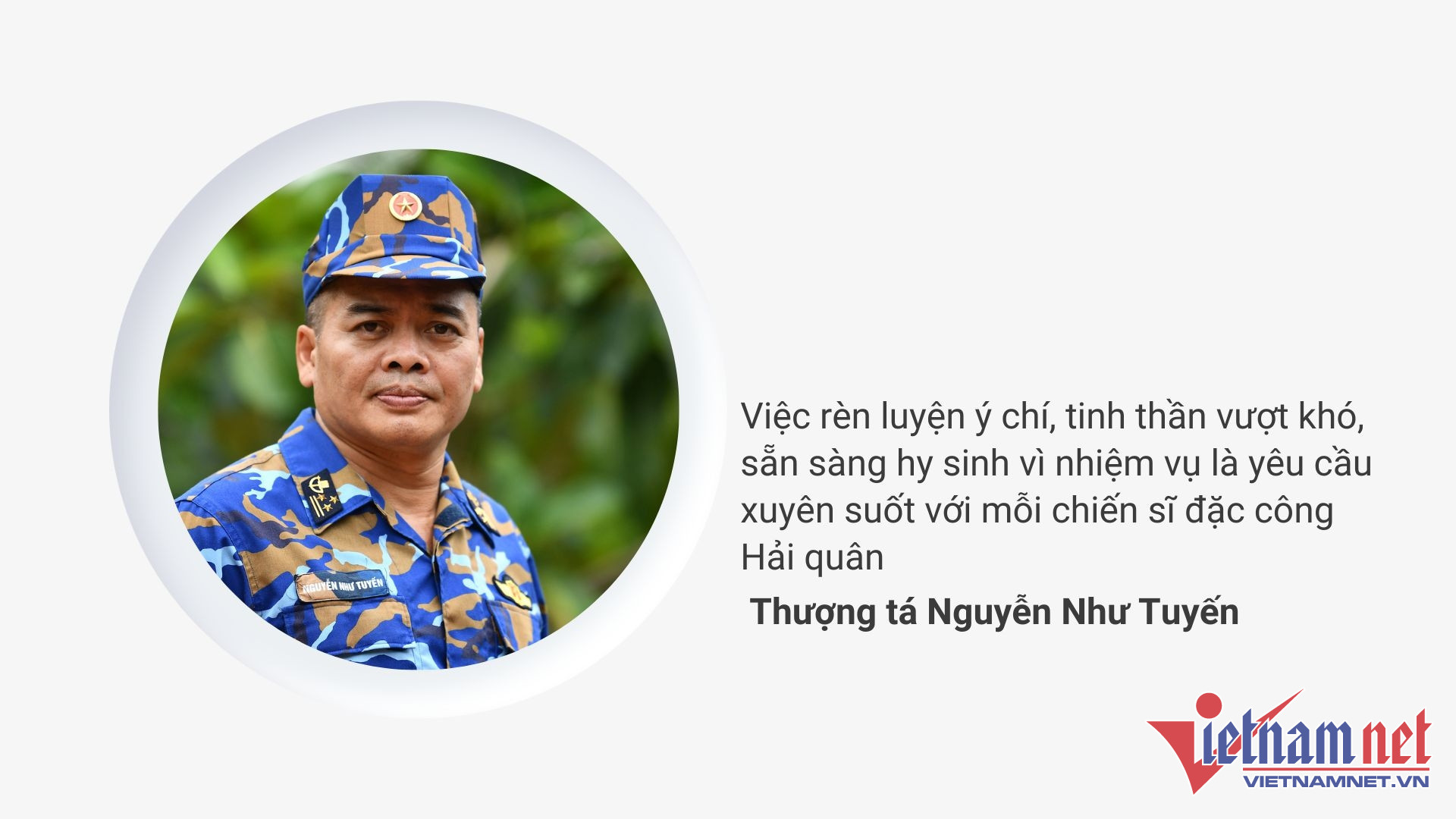
Lieutenant Colonel Tuyen believes that transforming an ordinary soldier into a "superhuman" special forces operative is not just about skill training. It's a process that combines traditional education, exceptional physical fitness, and honed tactical skills. Above all, it's about nurturing pride and the belief that they are continuing the extraordinary achievements of their forefathers.
Source: https://vietnamnet.vn/cuoc-chien-dau-voi-tu-than-cua-lu-doan-dac-cong-hai-quan-2434671.html

![[Photo] General Secretary and President To Lam and the President of the Philippines hold talks.](https://vphoto.vietnam.vn/thumb/1200x675/vietnam/resource/IMAGE/2026/06/01/1780286997787_anh-man-hinh-2026-06-01-luc-11-09-43.png)



























































Comment (0)