

Over the years, the practice of thrift and the fight against waste have received attention from the Party and the State, clearly demonstrated in the Resolutions, Conclusions, and Directives of the Central Party Committee on practicing thrift and combating waste, as well as legal regulations in various fields.
Recently, the Government has requested a focus on several areas, including state budget management, focusing on the effective implementation of policies and mechanisms in the amended Law on Securities; the Law on Accounting; the Law on Independent Auditing; the Law on State Budget; the Law on Management and Use of Public Assets; the Law on Tax Management; and the Law on National Reserves; strengthening the practice of saving and combating waste in the use of the state budget; drastically cutting recurrent expenditures and non-urgent spending tasks to allocate funds for development investment, especially for important and essential socio -economic infrastructure projects. Continuing to innovate methods of managing recurrent expenditures, strengthening bidding, ordering, and budget allocation, encouraging decentralization and delegation of authority, and granting autonomy to state budget-using units. Strengthening inspection, supervision, and transparency in the use of recurrent expenditures from the state budget. Promptly address obstacles in the implementation of the financial mechanism of public non-profit organizations. Innovate the organizational and management system and improve operational efficiency to streamline the structure, overcome overlapping and duplication of functions and tasks of public non-profit organizations.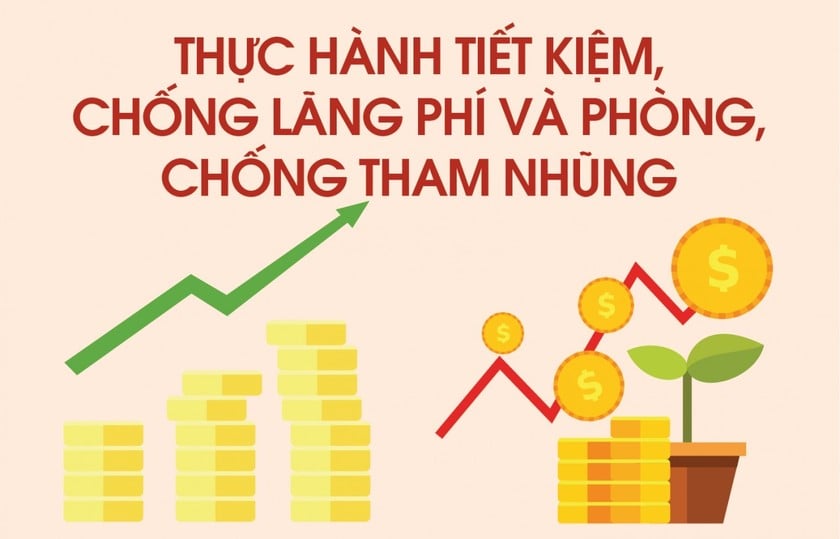 Regarding the management and use of public investment capital, it is urgent to implement Prime Minister 's Directive No. 112/CĐ-TTg dated November 6, 2024, on focusing on resolving outstanding and stalled projects, and promptly completing and putting them into use to prevent waste and loss. Strengthen the implementation of the Law on Public Investment, accelerate investment preparation, and resolutely cut unnecessary procedures. Review and improve mechanisms, policies, and legal regulations on public investment and related laws to promptly address difficulties and obstacles and enhance the efficiency of public investment. Focus on directing, urging, and further strengthening the responsibility of heads of departments in disbursing public investment capital. Strengthen on-site inspection and supervision, and urge contractors and consultants to accelerate progress. Promptly address difficulties and obstacles, and definitively resolve long-standing issues to accelerate the progress of important national infrastructure projects, preventing losses and waste. Regularly review and promptly adjust the 2024 public investment capital plan, shifting funds from projects with no or slow disbursement to projects with the potential for disbursement and requiring additional capital. Promote the application of information technology in managing, monitoring, and supervising the progress of public investment projects.
  Regarding the management and use of public assets, the Government will continue to fully and strictly implement Directive No. 32/CT-TTg dated December 10, 2019, of the Prime Minister on promoting the implementation of the Law on Management and Use of Public Assets and its implementing regulations. This includes focusing on implementing regulations on standards, norms, and management and use of public assets; modernizing public asset management; building a component database to connect to the national database on public assets; and strengthening inspection, examination, and supervision of the management and use of public assets at agencies, organizations, and units. Ministries, sectors, and localities shall review all public assets and office buildings that are unused, underutilized, or used for purposes other than intended, in order to decide on their handling within their authority or to report to competent authorities for decision-making in accordance with regulations, preventing waste and loss of state assets; the results of the review and handling shall be compiled and sent to the Ministry of Finance before December 8, 2024, for consolidation and reporting to the Prime Minister before December 15, 2024. Regarding the management of resources and minerals, especially land: Strengthen the application of information technology in the preparation and monitoring of land use planning and land management; forecast, warn, investigate, assess, and respond to climate change, manage resources and protect the environment to meet the requirements of land management and international integration. Publicize and ensure transparency of land use planning and plans as prescribed. Strengthen inspection and auditing work; Review and accurately assess the current status of projects that are not putting land into use or are behind schedule in land use nationwide, proposing solutions and measures to overcome difficulties and obstacles in order to free up land resources, accelerate project implementation, and put land into use economically and efficiently, maximizing land resources. Regarding the management of state capital and assets invested in enterprises, this includes completing the restructuring and improving the operational efficiency of state-owned enterprises and enterprises with state capital, promoting the restructuring of state-owned enterprises to improve operational efficiency, financial capacity, management and technology innovation, restructuring products, industries, and production processes to enhance competitiveness. Conduct inspections, audits, and supervision according to regulations and plans on the implementation of policies and laws on the management and use of capital and assets of state-owned enterprises. Implement comprehensive administrative reform solutions. Strictly implement transparency in receiving and processing administrative procedures, minimize administrative procedures and compliance costs, and create the greatest convenience for citizens and businesses; shift from pre-approval to post-approval, eliminating the "request-and-grant" mechanism; decentralize and delegate authority to competent agencies and localities to resolve issues and take responsibility. Strengthen supervision, evaluation, and accountability of state agencies, officials, and public employees in serving the people; comprehensively transform the implementation of administrative procedures, especially licensing activities, and strongly shift towards automated licensing based on technology and digital data.
Phuong Quang

















































































Comment (0)