

Following the 2023 Prime Minister's Dialogue with Farmers Conference, the Ministry of Agriculture and Rural Development has been actively implementing solutions to address difficulties and obstacles and support farmers; including guiding localities to build standardized raw material areas and produce goods on a large scale according to market standards and requirements.
Developing concentrated commodity production areas is one of the key priorities that the Prime Minister has consistently urged to focus on implementing after the 2023 Prime Minister's Dialogue with Farmers Conference. So, how have the ministries, sectors, and localities implemented this after the conference?
2.5 trillion VND allocated to 5 certified raw material production areas.
Unlike the concentrated production areas or specialized farming zones that have been developing in many localities in recent years, the standardized raw material zones built by the Ministry of Agriculture and Rural Development focus on developing value chains, linking production areas with specific processes and product standards with processing plants or consumer markets.
A certified raw material area must not only meet quality standards for agricultural products but also comply with environmental standards, occupational safety standards, and requirements for sustainable development, including preventing deforestation and avoiding child labor.
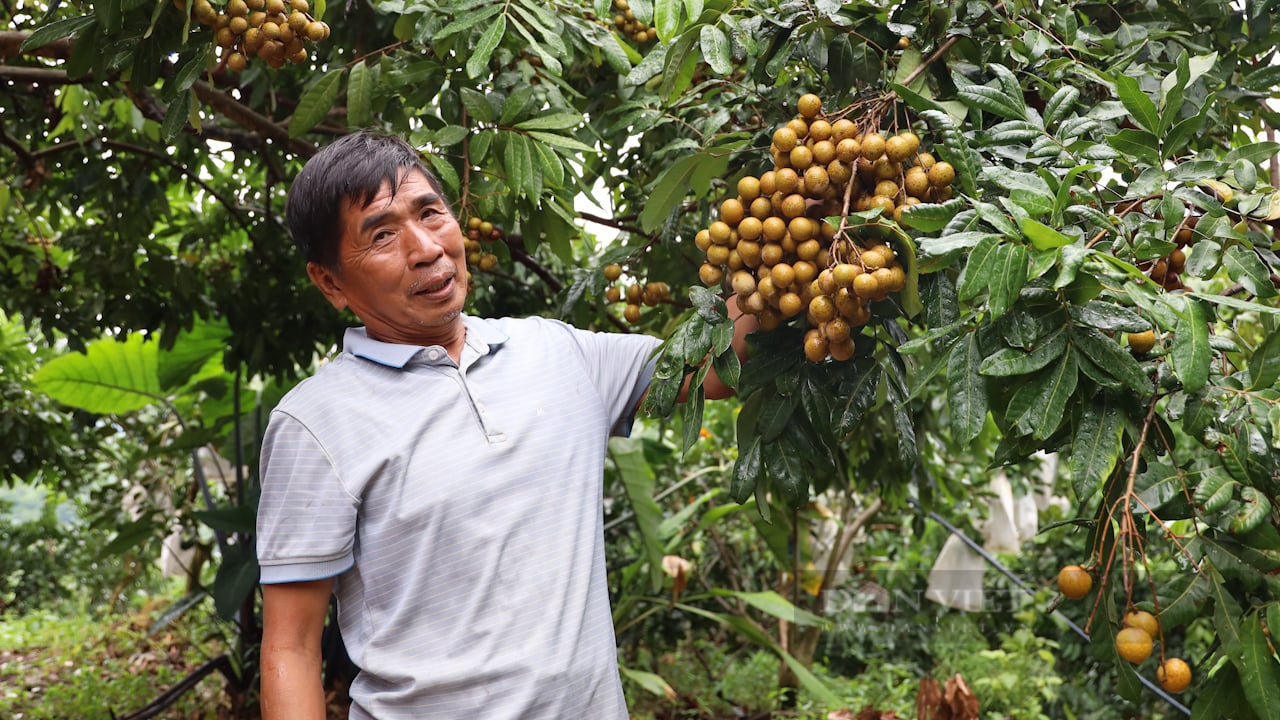
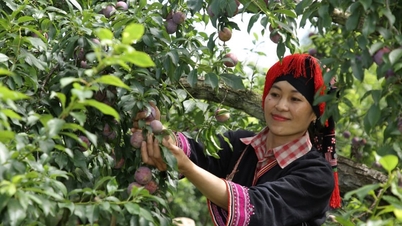
The northern mountainous provinces are planned to develop standardized fruit tree raw material areas according to the pilot project on building standardized agricultural and forestry raw material areas for domestic consumption and export in the period 2022-2025.
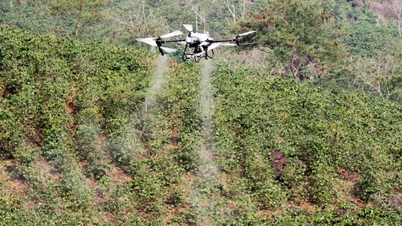
In fact, since 2022, the Ministry of Agriculture and Rural Development has developed and issued Decision 1088/QD-BNN-KTHT on the implementation of the "Pilot Project for Building Standardized Agricultural and Forestry Raw Material Areas for Domestic Consumption and Export in the period 2022-2025" to pilot the development of 5 standardized agricultural and forestry raw material areas for domestic consumption and export, including: fruit tree raw material areas in the northern mountainous region, plantation timber in the Central Coastal region, coffee in the Central Highlands, rice in the Long Xuyen Quadrangle region, and fruit tree areas in the Dong Thap Muoi region, with a total investment of nearly 2,500 billion VND.
The project is divided into two phases. Phase 1 (2022-2023) focuses on piloting the development of standardized raw material areas and organizing a comprehensive review and evaluation of the project's implementation results. Phase 2 (2024-2025) will finalize the project's contents regarding agricultural extension, technology transfer and application to cooperatives and farmers; developing, strengthening, and enhancing the capacity of cooperatives and members; applying information technology to raw material area management; developing community-based agricultural extension and communication; implementing credit, insurance, and production linkage policies; expanding and building five logistics centers; and expanding the implementation of community-based agricultural extension.
In August 2024, the Ministry of Agriculture and Rural Development held a conference to review the first two years of implementing this project. The results showed that many successful models have spread to localities, businesses, and cooperatives, such as the coffee and durian growing areas in the Central Highlands and the rice-growing areas in the Mekong Delta. Many good models have spread to localities, businesses, and cooperatives.
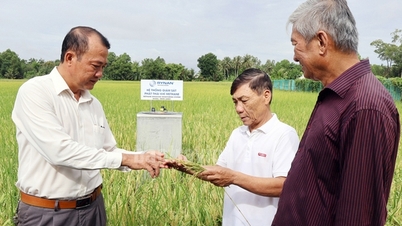
From 132 training courses and 26 community agricultural extension groups organized by the Ministry of Agriculture and Rural Development, localities have now arranged 400 training courses and 149 community agricultural extension groups. Regarding rice cultivation specifically, with a target of 50,000 hectares, after one year, 6,000 hectares have met the standards for high-end markets… Many infrastructure projects in the raw material areas have been constructed and handed over to localities for use, effectively serving the transportation of raw materials from production areas to factories for processing.
Many cooperatives have been newly established and strengthened; cooperative managers and members have received training to improve their capacity and apply accounting software and production log software; a system of community agricultural extension groups has been formed to provide technical advice and support on production, market linkages, cooperative development, and credit. Localities have focused on effectively implementing linkage projects according to Decree No. 98/2018/ND-CP, applying advanced production processes, and mobilizing significant participation and matching funds from cooperatives and businesses.
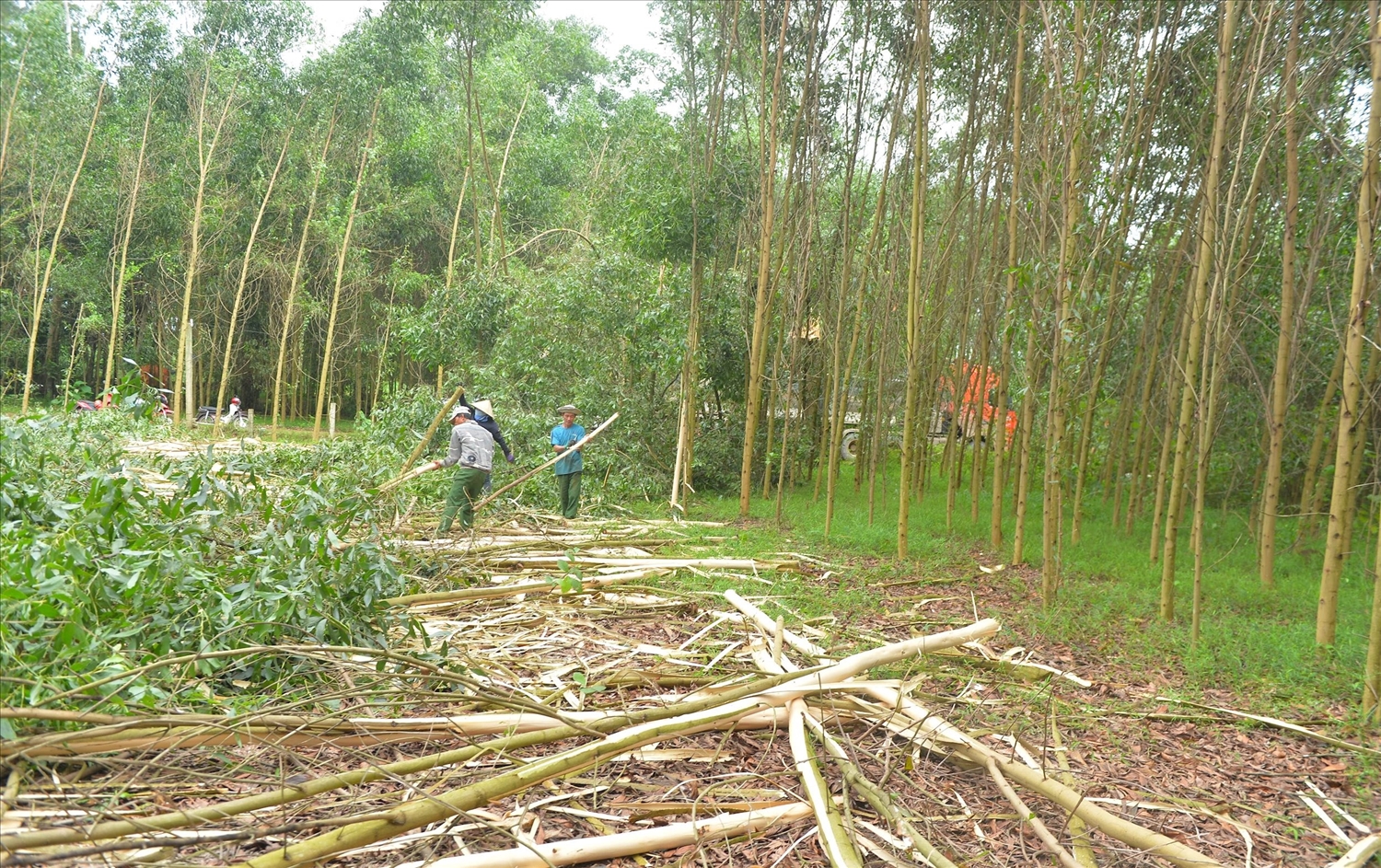
Farmers in Nghia Khanh commune, Nghia Dan district (Nghe An province) harvest small timber from the forest. Photo: An Yen
Speaking about the project to build 5 raw material zones, Minister of Agriculture and Rural Development Le Minh Hoan emphasized: "Raw material zones are identified as the starting point and foundation for developing efficient and sustainable agricultural, forestry, and fisheries value chains, thereby modernizing agriculture, attracting businesses to invest, and reducing costs and risks in production and trade of products..."
Therefore, the following requirements need to be met: building raw material areas based on ensuring a linked chain from production - harvesting - preservation - processing - consumption of products to improve efficiency and increase farmers' income; building based on market demand, leveraging the advantages and natural conditions of each region; development linked with investment in upgrading infrastructure and equipment; implementing synchronously with policies and mechanisms, mobilizing all resources from economic sectors combined with state support, to ensure efficient production, protect the ecological environment and sustainable development.
Detailed guidelines will be provided for establishing raw material areas.
Experts believe that establishing raw material areas is a breakthrough step to create a foundation for promoting subsequent stages in the agricultural value chain; at the same time, it clarifies the production process as well as the quality of input materials for processing and consuming agricultural products.
"To build a supply of agricultural raw materials that meets export and domestic consumption needs, the State needs to have policies to support localities in focusing on building standardized raw material areas, while simultaneously strengthening solutions to connect raw material areas with processing plants. Along with that, it is necessary to create mechanisms for developing management human resources for cooperatives and enterprises organizing production according to raw material area planning; improving management capacity in production data information systems, thereby implementing product traceability and assigning planting area codes," emphasized Professor Nguyen Hong Son, Director of the Vietnam Academy of Agricultural Sciences.
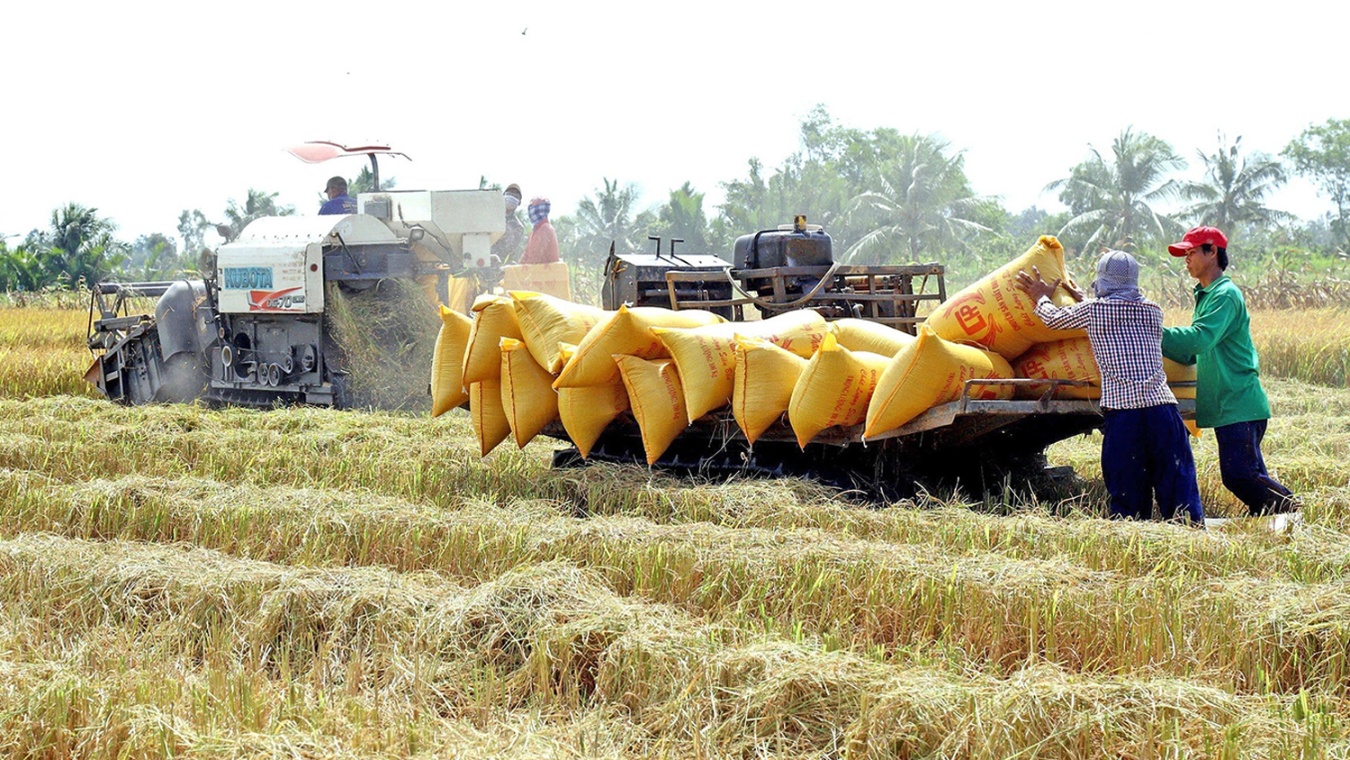
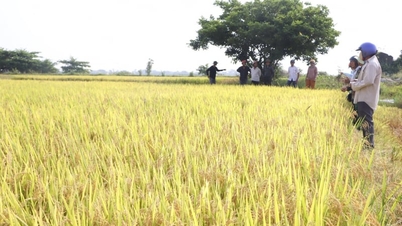
The Long Xuyen quadrilateral area is planned to be developed into a standardized rice production zone.
Meanwhile, Ngo Tuong Vy, General Director of Chanh Thu Import-Export Co., Ltd. (Ben Tre), stated that establishing planting area codes is a fundamental standard to meet the requirements of importing countries, so localities need to educate people about the importance of establishing planting area codes in order to sell their products.
Mr. Le Quoc Thanh, Director of the National Agricultural Extension Center, also affirmed that when we create good raw material areas, businesses will certainly have confidence and invest in them. Mr. Thanh cited the example that the National Agricultural Extension Center is currently collaborating with Vinh Hiep Enterprise to develop a coffee raw material area for export to the EU.
Although initial results have been achieved, feedback from localities and businesses indicates that the planning and management of agricultural commodity production areas still face many challenges; the organization and management of operations, especially the regulation of regional demand and state management of regional development, remain limited. Significantly, land consolidation and integrating farmers into large-scale production systems of a modern agricultural system still have many shortcomings; the connection between product consumption and agricultural value chain linkages remains weak.
Therefore, to guide localities in building raw material hubs and producing goods on a large scale according to market standards and requirements, the Ministry of Agriculture and Rural Development will continue to direct and coordinate with localities to implement activities within the framework of the pilot project, and promote communication about the outstanding results of the project.
Simultaneously, training materials will be developed and issued to guide local government officials in innovating production organization and developing agricultural raw material areas; and a Handbook for localities to build large-scale, concentrated raw material and commodity production areas according to market standards and requirements is currently being developed (expected to be issued by the Ministry in December 2024). In addition, research will be conducted to develop a system of criteria, indicators, and economic and technical norms for standardized agricultural, forestry, and aquatic raw material areas for effective implementation and replication.
Source: https://danviet.vn/nhung-doi-thay-sau-hoi-nghi-thu-tuong-doi-thoai-voi-nong-dan-2023-dot-pha-tu-xay-dung-5-vung-nguyen-lieu-bai-2-2024102522363281.htm

![[Photo] General Secretary and President To Lam presides over the meeting to approve the draft report on the results of the second inspection by the Politburo of the Standing Committee of the Hanoi City Party Committee.](https://vphoto.vietnam.vn/thumb/1200x675/vietnam/resource/IMAGE/2026/05/26/1779789811432_a2-bnd-4430-9620-jpg.webp)























































Comment (0)