

Reporters of Dong Nai Newspaper and Radio and Television had an interview with Director of Dong Nai Hydrometeorological Station Nguyen Phuoc Huy regarding the above content.
 |
| Mr. Nguyen Phuoc Huy, Director of Dong Nai Hydrometeorological Station. Photo: Kim Lieu |
* Sir, why did Dong Nai 5 Hydropower Plant discharge flood water abnormally? If Tri An Hydropower Plant does the same, will it affect the downstream area of Dong Nai River?
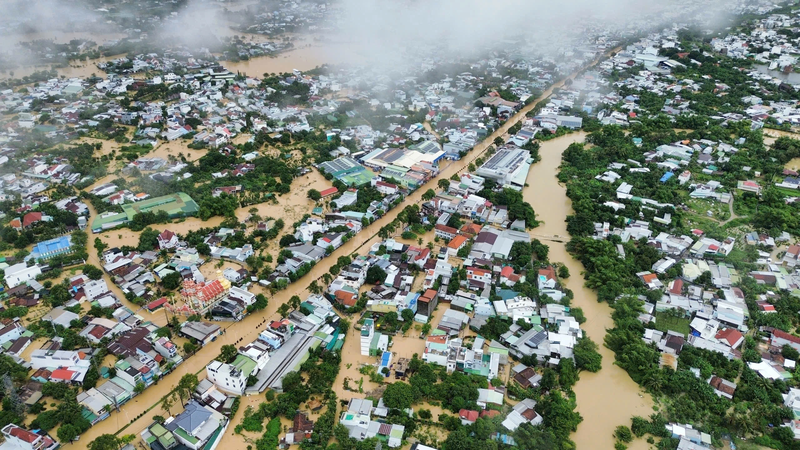
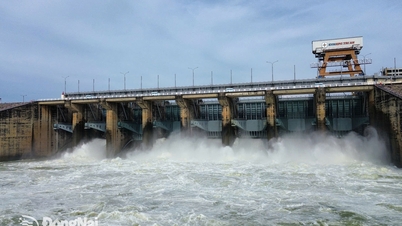
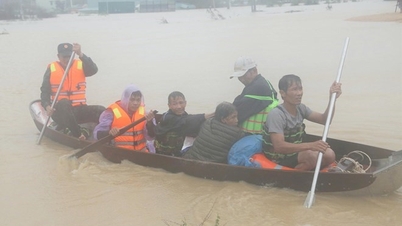
In recent days, in Lam Dong province - the upstream area of Dong Nai river has had heavy rain, so to protect the dam's safety, hydroelectric reservoirs including Dong Nai 5 Hydroelectricity have discharged floodwaters with large flows, leading to the water level of Dong Nai river downstream of the dam rising higher than the alarm level 2, causing flooding in Dak Lua commune and some other communes. The above situation will decrease in the coming days, because currently in Lam Dong, the rain has decreased, the upstream hydroelectric reservoirs have gradually reduced the flood discharge to the downstream.
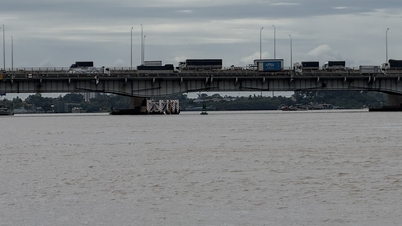
The downstream area of Tri An Lake is a tidal river area with irregular semi-diurnal tides, with two peak tides and two trough tides occurring each day. Tri An Hydropower Company will discharge floodwater through the spillway to avoid times close to the peak tide. In recent years, Tri An Hydropower has only discharged floodwater during low tide until a few hours before the peak tide. Therefore, it can be said that the impact of Tri An Hydropower's flood discharge on the peak tide level in the downstream area of Dong Nai River is not large.
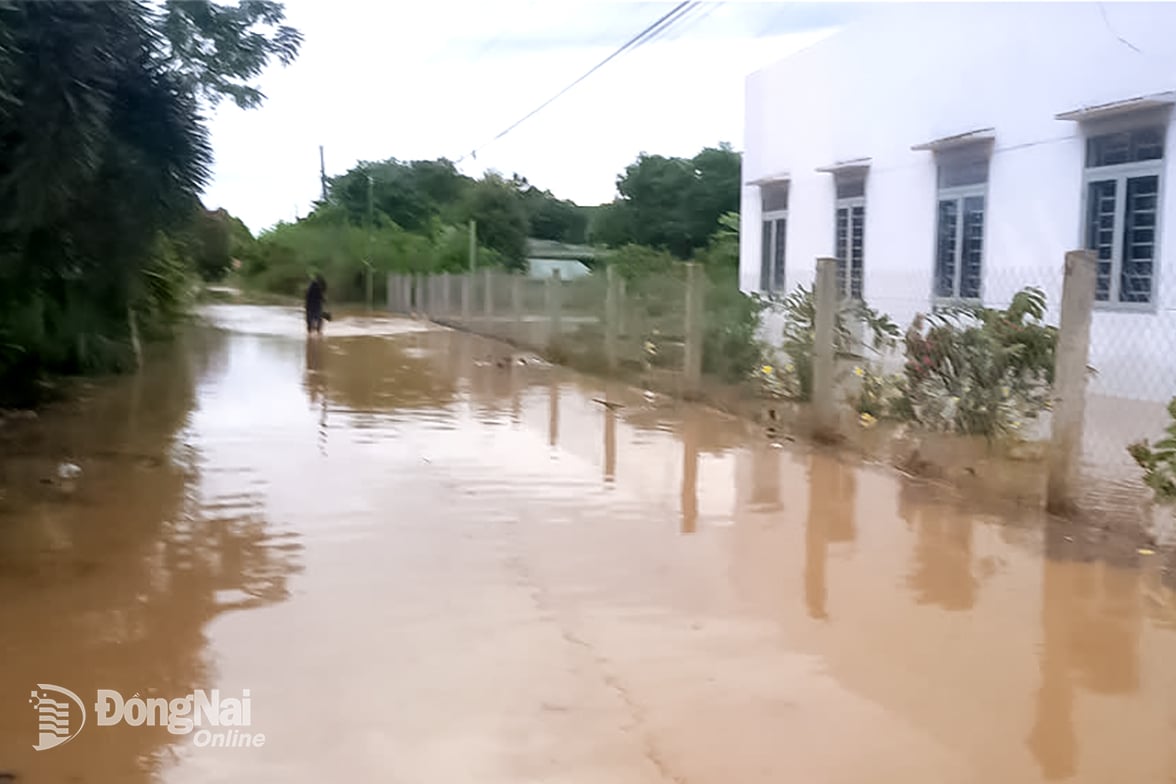 |
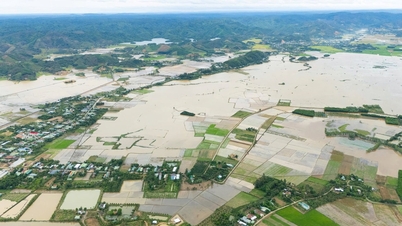
| The flood occurred on November 20, inundating many houses, crops and more than 12km of roads in Dak Lua commune. Photo: Hoang Phuong |
Depending on the water level of the Dong Nai River downstream at Bien Hoa Hydrological Station, Tri An Hydropower Company can flexibly regulate the water flow through the spillway at an appropriate level, so people do not need to worry too much.
* Currently, the water level of the Dong Nai River has exceeded alarm level 2 in many places. Is the river water level likely to continue to rise in the coming days and what factors are influencing this situation?
In the upper reaches of the Dong Nai River, the water level at Ta Lai Station continued to rise slowly, below alert level 3 (113 m) in the evening of November 21 to the early morning of November 22, then slowly decreased, at a level between alert level 2 (112.5 m) and alert level 3 on November 22, then gradually decreased in the coming days if the hydroelectric reservoirs gradually reduced and then stopped releasing floodwaters. The controlling factors are the amount of rainfall in the upstream and the discharge flow downstream of the hydroelectric reservoirs.
In the downstream of Dong Nai River, the peak water level reached alert level 2 (2m) on November 22 and 23, then gradually decreased in the following days. The main controlling factor was the tide from the East Sea, the discharge flow downstream of Tri An Hydropower Reservoir had insignificant impact.
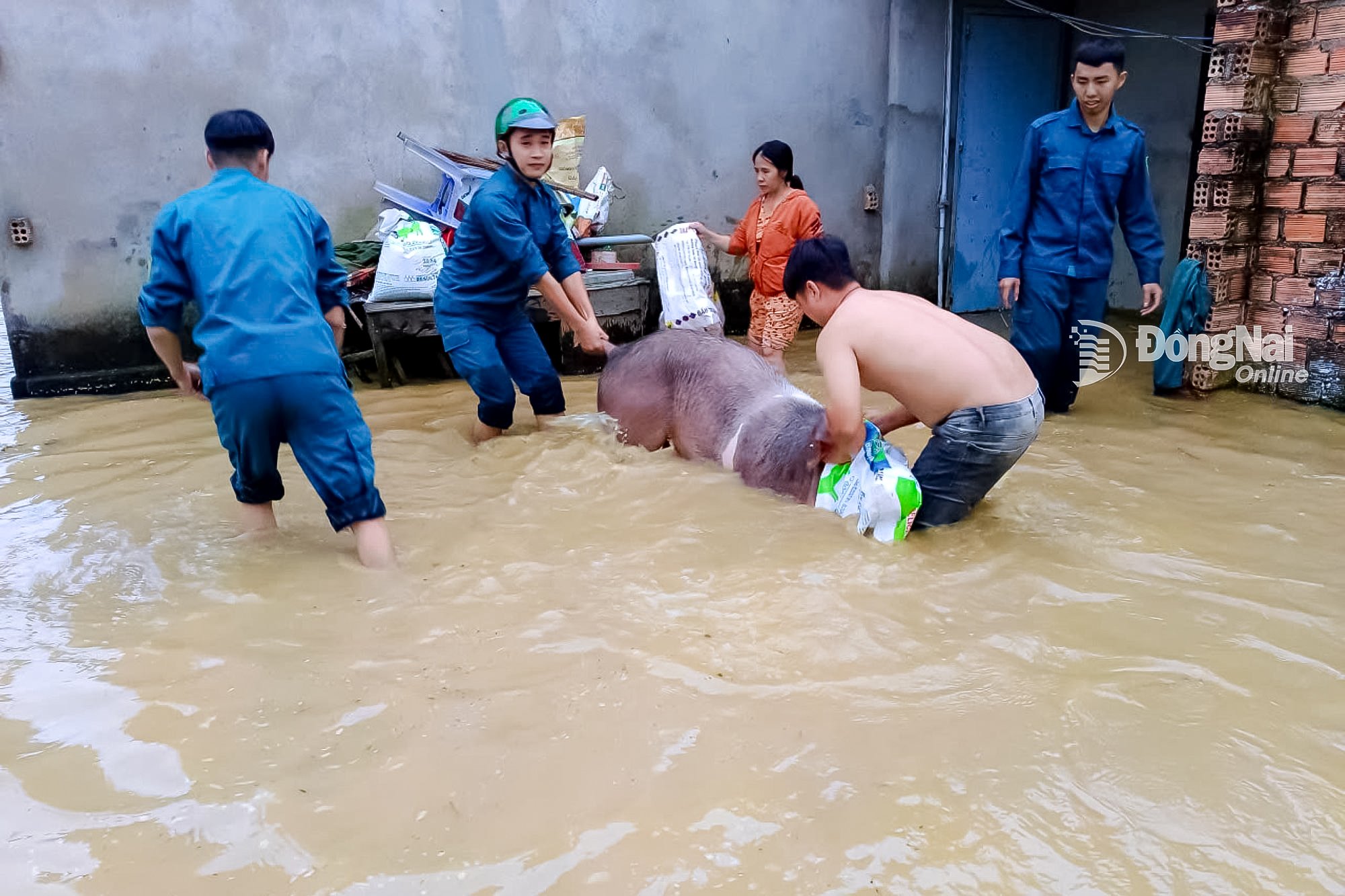 |
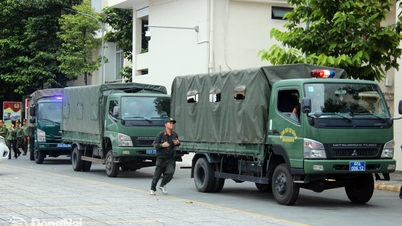
| Officers and soldiers of the Dak Lua Commune Military Command support people in evacuating their property. Photo courtesy |
* Which areas of Dong Nai are at high risk of flooding in the near future, sir?
Low-lying areas along the Dong Nai and La Nga rivers in the communes of Dak Lua, Nam Cat Tien, Ta Lai, Thanh Son, Phu Vinh, Phu Lam, Tan Phu, Phu Hoa, Dinh Quan in Dong Nai province are at high risk of flooding due to floods; low-lying areas along the rivers in the lower reaches of the Dong Nai river, in the wards and communes of Tri An, Tan An, Trang Dai, Tan Trieu, Bien Hoa, Tran Bien, Tam Hiep, Long Hung, Phuoc Tan, Tam Phuoc, An Phuoc, Nhon Trach, Dai Phuoc, Phuoc An in Dong Nai province and neighboring areas are at risk of flooding due to high tides.
* Sir, mid-November 2025 is predicted to be the end of the rainy season, but in reality it is still raining. Why is this happening?
Currently, the amount of rain in Dong Nai has decreased since mid-November. Since November 15, the rain in the province has been mainly light rain, heavy rain only appeared locally. This year, due to the influence of La Nina, the rainy season has more rain, the rainy season nationwide generally ends later, at the end of November.
* Does the current flood situation in the Central region have a spreading impact, affecting the flow regime and water level in Dong Nai?
Currently, it is the peak of the rainy season in the Central region, with heavy rain lasting for many days in the past time in the provinces and cities from Da Nang to Khanh Hoa, leading to flooding in many places. These heavy rains have also partly affected the area adjacent to the Central region, Lam Dong province, causing heavy rains in many places in Lam Dong, which is the upstream basin of the Dong Nai River, leading to quite large floods on the Dong Nai River as mentioned above.
* With prolonged rain and rising tides, do you have any special recommendations for people in the downstream areas of the Dong Nai River and low-lying areas?
People in the lower reaches of the Dong Nai River and low-lying areas should proactively prevent damage caused by high tides, especially high tides combined with heavy rains, by reinforcing and raising the foundations of buildings, taking measures to prevent flooding appropriate to each situation, clearing the flow, elevating assets and household appliances, and paying attention to electrical safety. In the long term, when constructing buildings, it is necessary to pay attention to the hydrometeorological characteristics of the place of residence.
In the current period, due to climate change and many other causes, weather and hydrological factors are becoming more and more complex, unpredictable and difficult to forecast. In addition to being equipped with knowledge of science and technology, people also need to be equipped with life skills, improve their ability to adapt to climate change in both life and production, pay attention to protecting the environment and landscape, and minimize the impact of climate change.
Dong Nai is entering the dry season, however, due to the impact of climate change, there is still a possibility of unseasonal rains with large amounts of rain during the dry season. It is necessary to pay attention to the appearance of cold air waves from now until the end of the year, causing temperatures to drop at night, especially from midnight to morning. During the dry season, at the end of the year, there may be hot weather in some places in the province.
Kim Lieu ( performed)
Source: https://baodongnai.com.vn/tin-moi/202511/khong-chu-quan-nhung-cung-khong-qua-lo-lang-khi-muc-nuoc-song-dong-nai-dang-cao-d7b2ce1/




























































































Comment (0)