

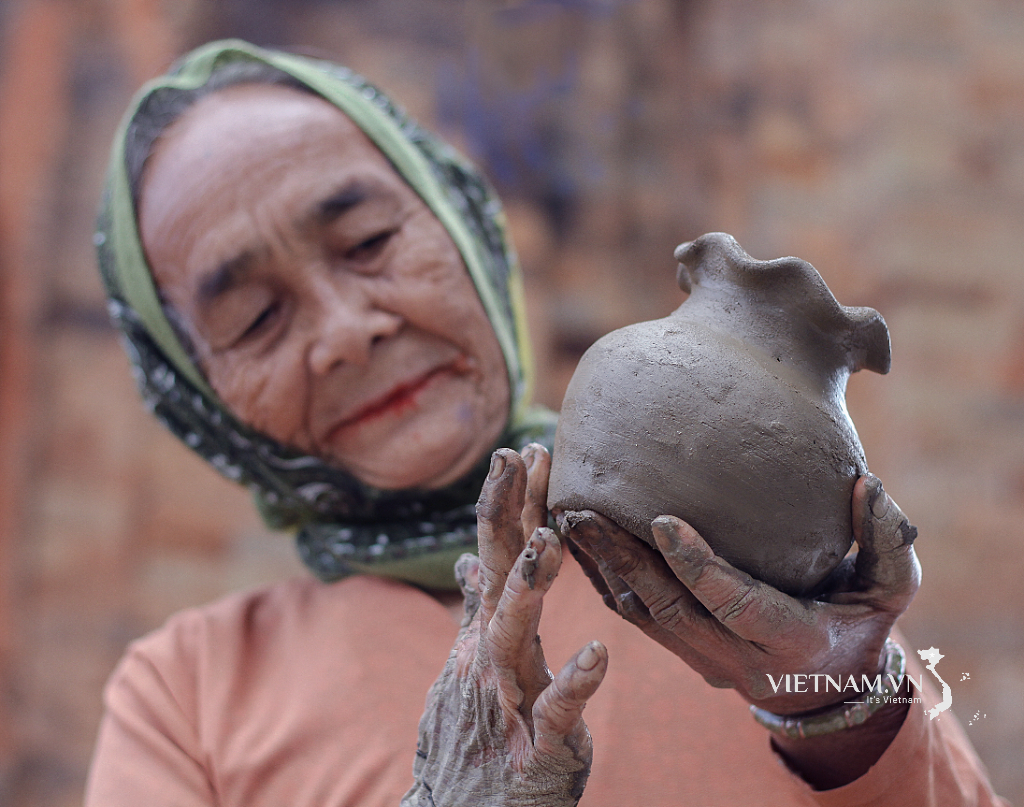
(NLĐO) - Despite historical ups and downs and changes in life and society, Tuong Binh Hiep pottery village still maintains its traditional handcrafted production methods.
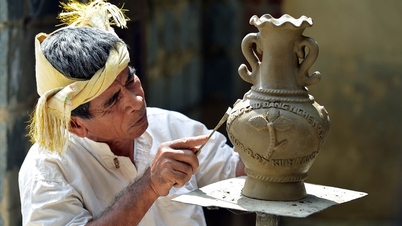
Tuong Binh Hiep ward (Thu Dau Mot city, Binh Duong province) is famous for its traditional pottery making craft, which has a history of nearly 200 years. Through the ups and downs of history and changes in life and society, the pottery from this area has maintained its traditional handcrafted production methods.
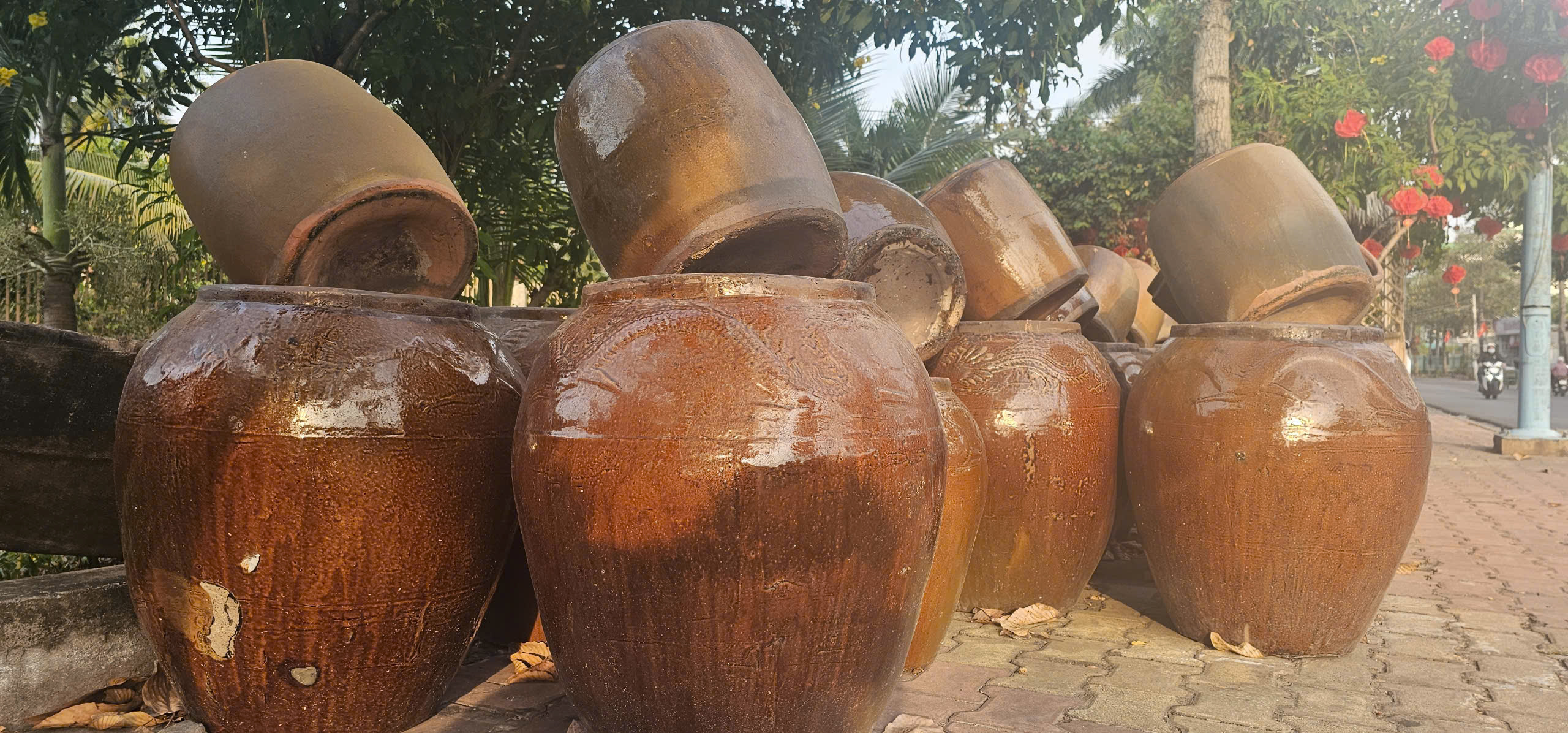
The name "pot village" originates from the Dai Hung Pot Kiln located in Ward 1, Tuong Binh Hiep Commune, Thu Dau Mot City, about 3km north of the city center. This site was recognized as a provincial-level historical site in 2006.
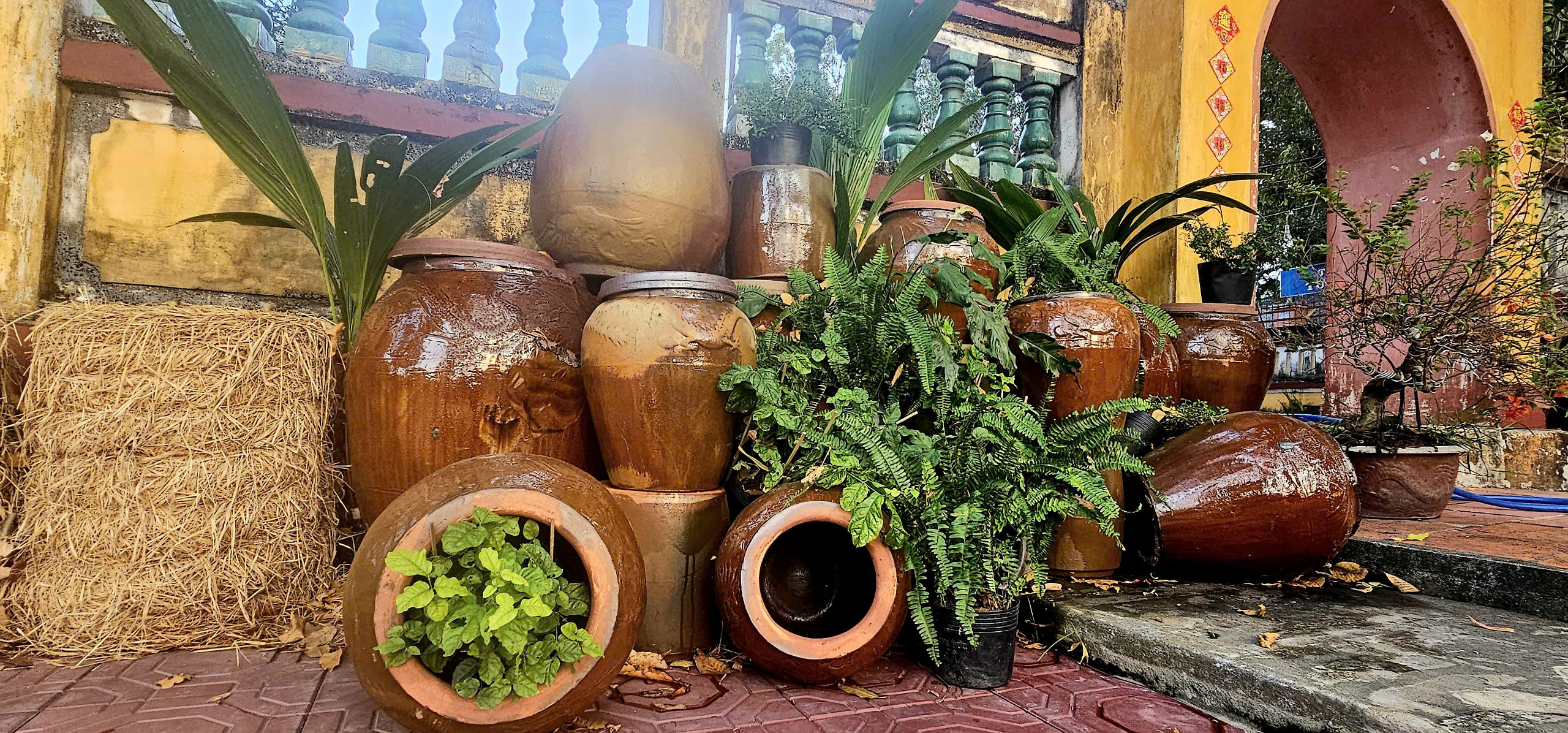
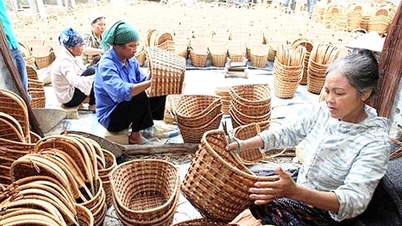
This place specializes in producing various types of jars, pots, and containers used in agriculture, fishing, and daily life since ancient times. Dai Hung kiln is the oldest pottery kiln in Binh Duong province, still maintaining traditional handcrafted production methods and producing distinctive traditional products.
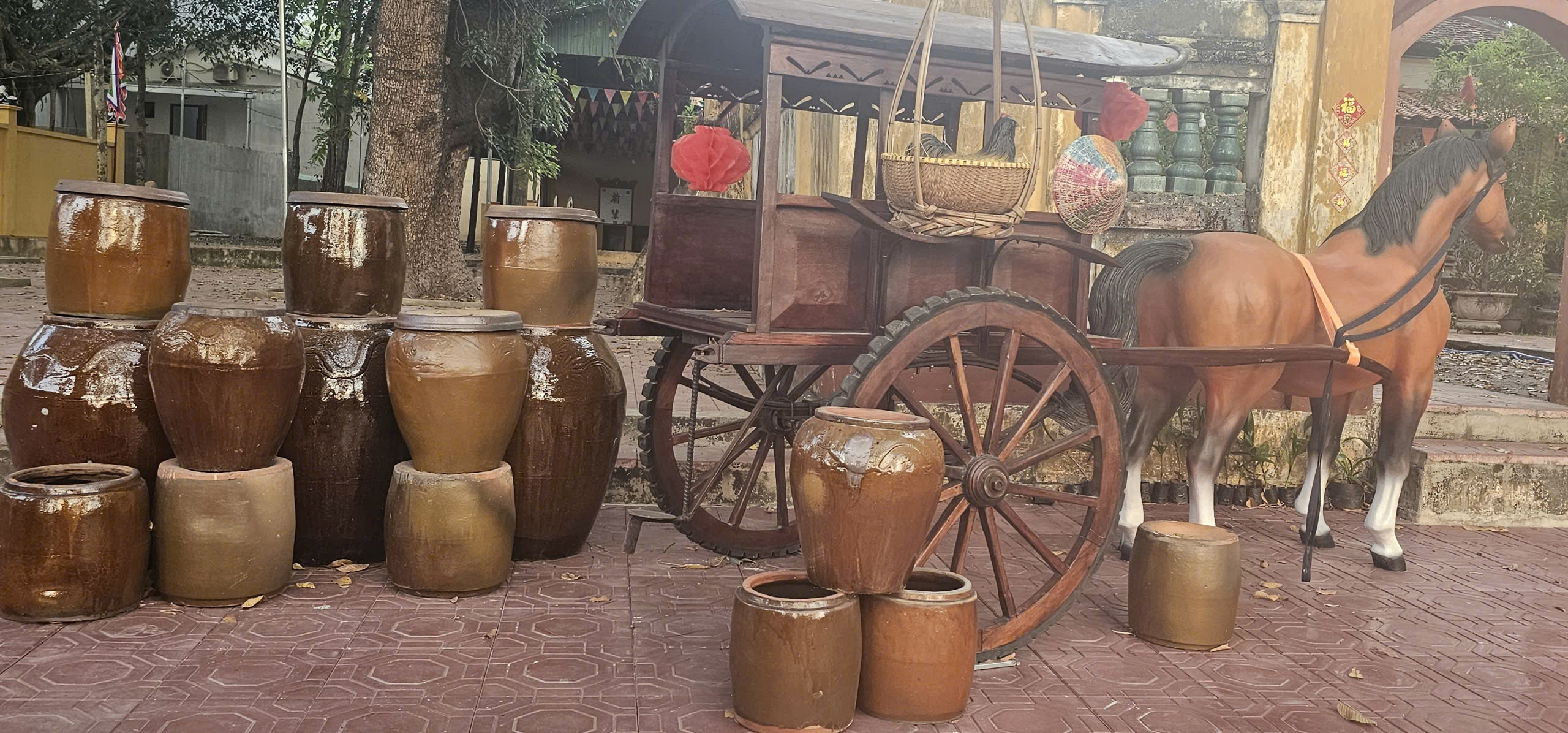
Dai Hung pottery kiln has a history of nearly 200 years, with its first founder being a Chinese man around the 17th-18th century. Dai Hung pottery kiln has gone through many ups and downs with several owners. There were difficult periods when Dai Hung pottery kiln seemed on the verge of closing down and ceasing production.
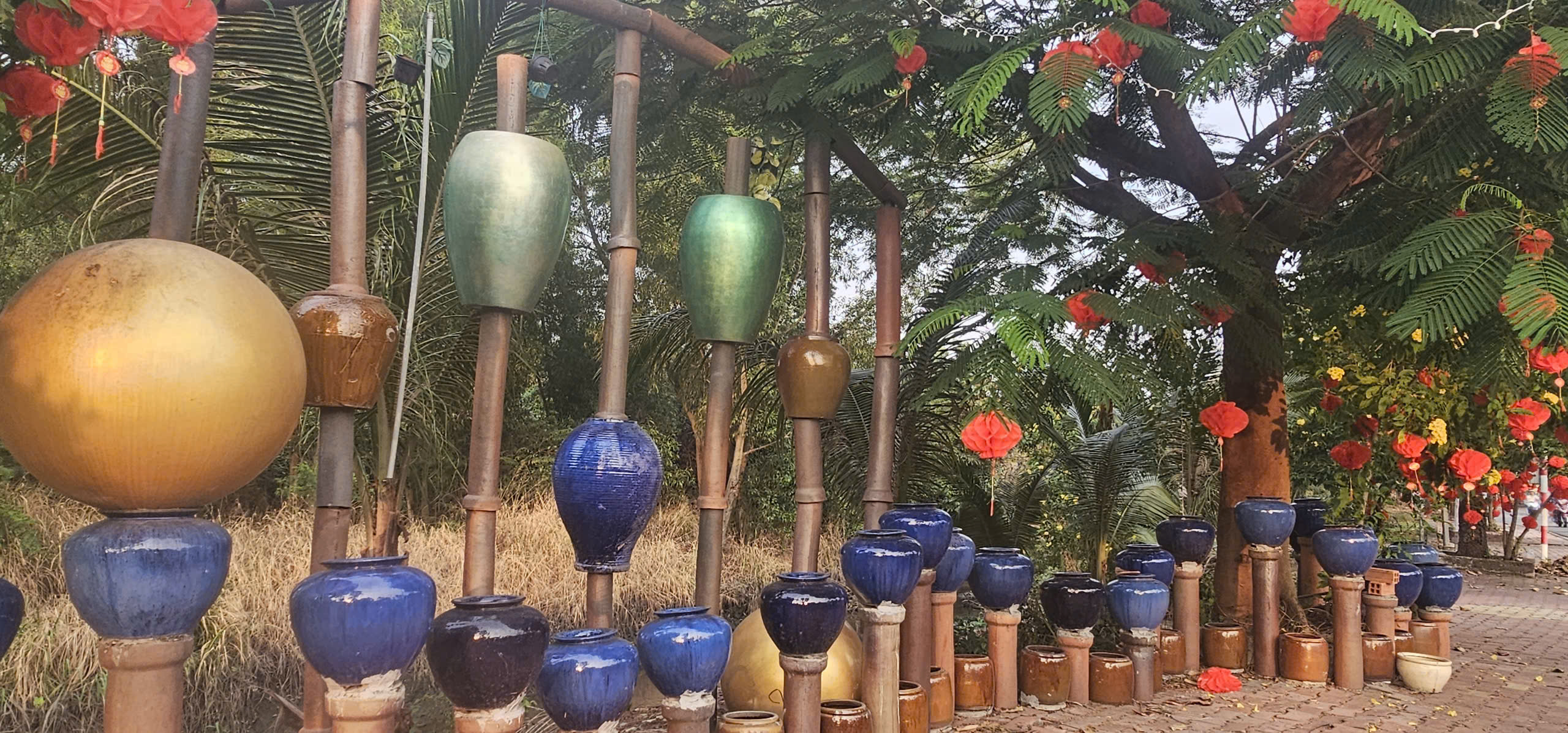
Through the ups and downs of history and changes in life and society, Tuong Binh Hiep pottery village has maintained its traditional handcrafted production methods, without using machinery (except for the clay preparation stage), while other pottery establishments in Binh Duong have changed and become more mechanized.
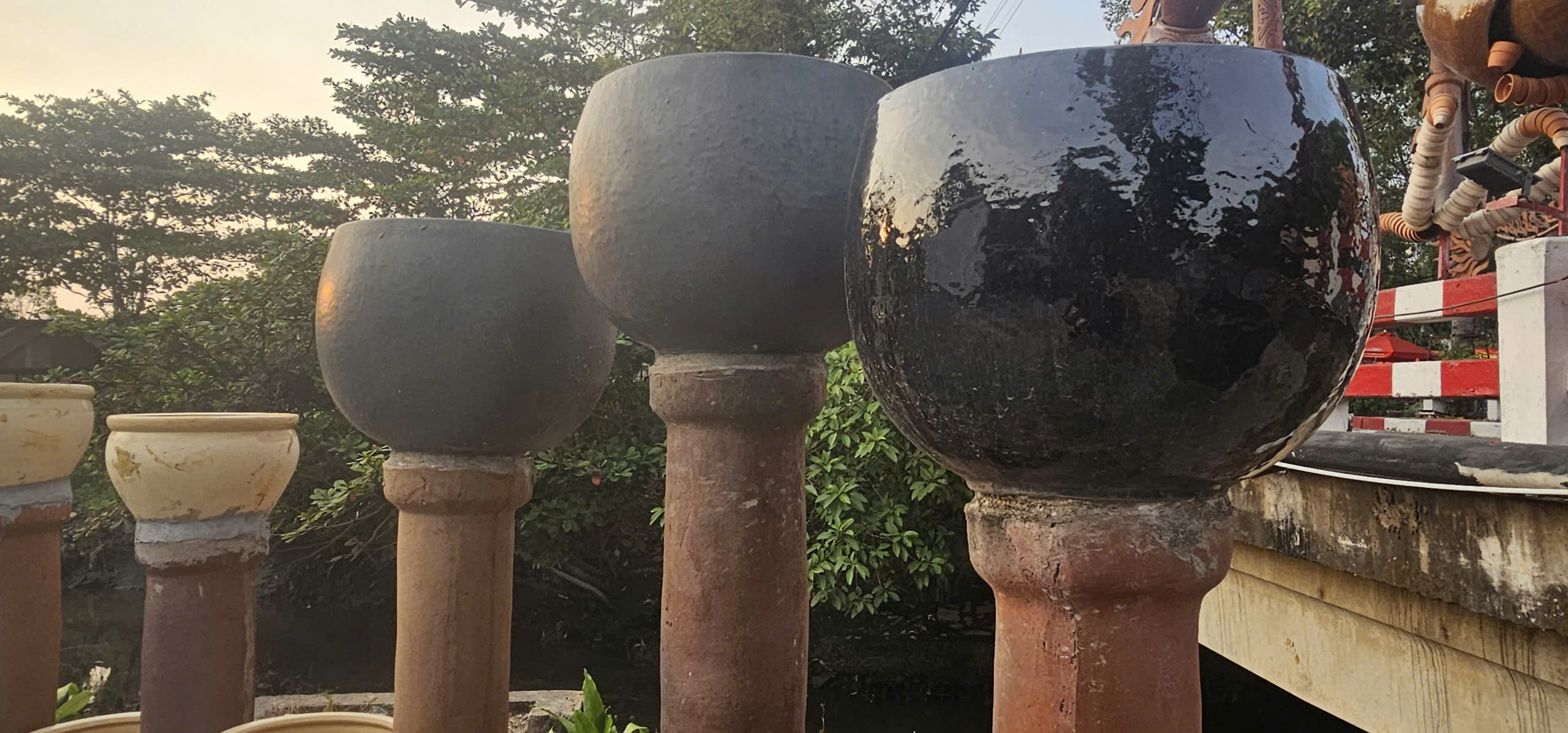
Pottery is a unique and renowned traditional craft of Binh Duong province. The ancient Dai Hung kiln is a typical representative, a source of pride, showcasing the identity of this land and leaving an important mark on the development of traditional crafts in Thu Dau Mot - Binh Duong.
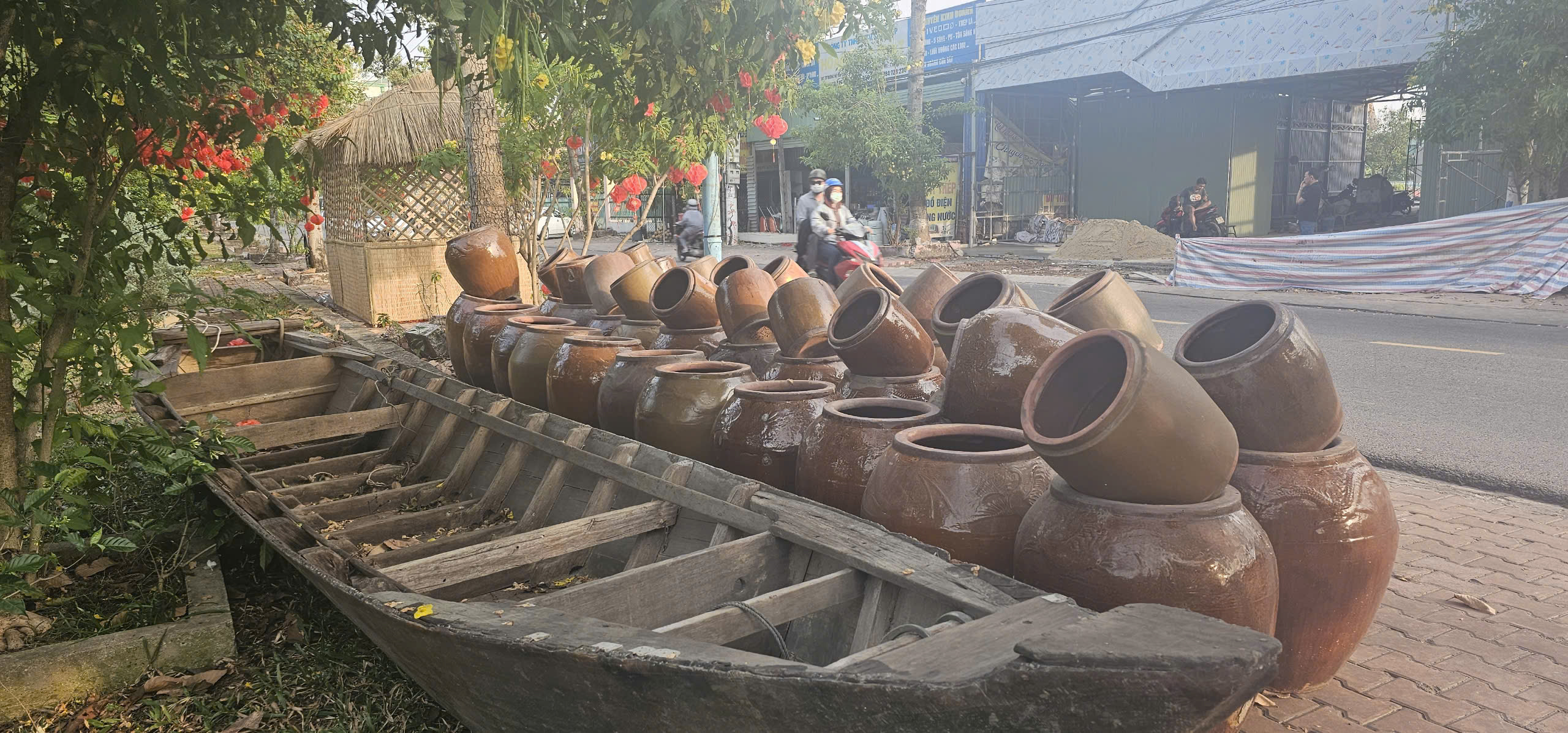
Pottery products from Tuong Binh Hiep village are available throughout the Western, Central, and Southeastern regions of Vietnam.
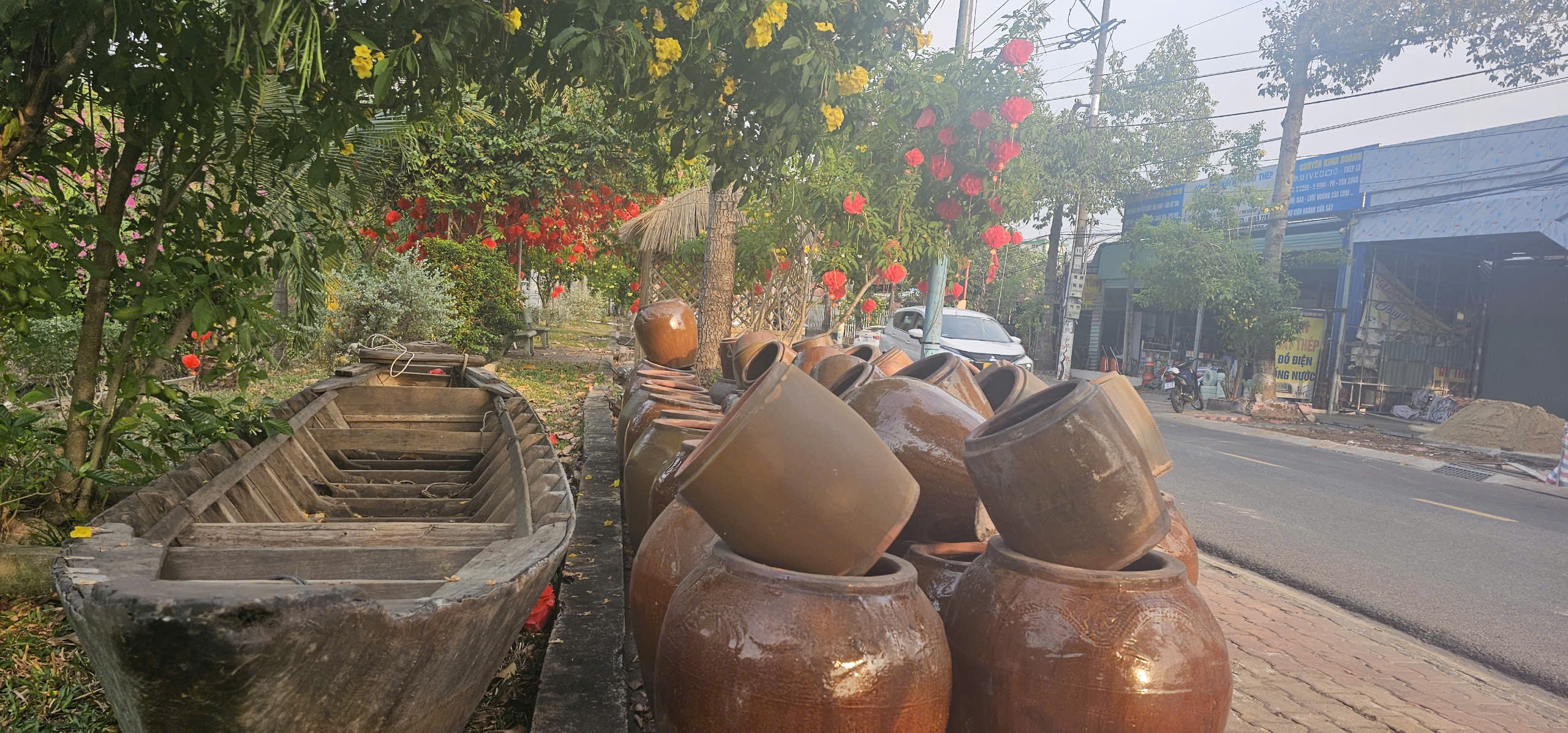
Each ceramic product is the result of a process encompassing the five elements: Metal, Wood, Water, Fire, and Earth. The clay used for pottery is sourced from various locations in Binh Duong province and must be sandy loam mixed with soft gravel. The clay is then kneaded, soaked in water, and left to soften for 5-7 days before being fed into a machine for kneading, mixing, and rolling until smooth.
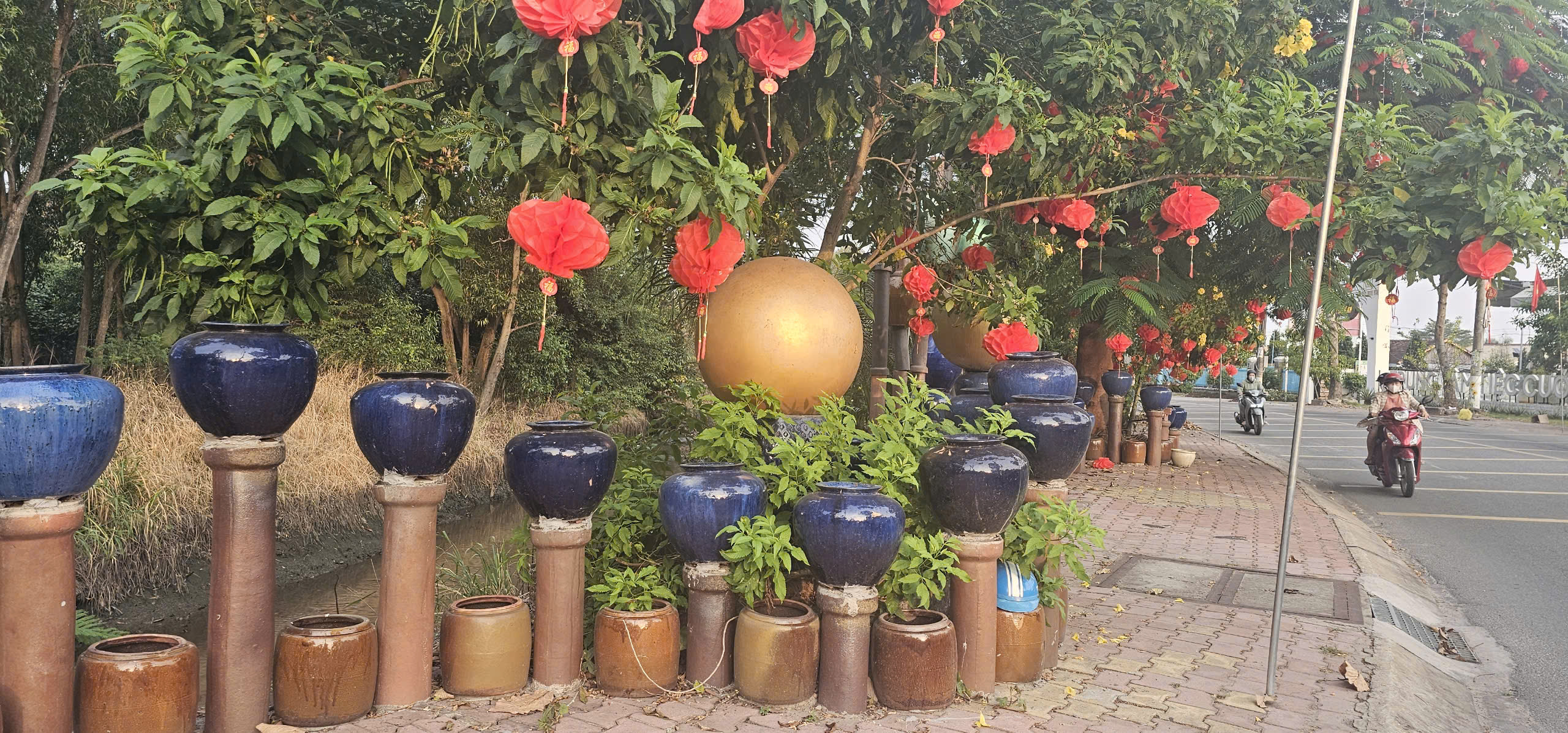
Throughout the pottery firing process, the fire-maker must be constantly present to maintain a stable temperature and add more firewood at the right time.
Source: https://nld.com.vn/lang-lu-o-binh-duong-196250124181604051.htm



![[Photo] General Secretary and President To Lam presides over a meeting on assessing national development resources.](https://vphoto.vietnam.vn/thumb/1200x675/vietnam/resource/IMAGE/2026/05/20/1779253785852_a1-bnd-2943-8519-jpg.webp)

![[Photo] National Assembly Chairman Tran Thanh Man working with the Standing Committee of the Economic and Financial Committee](https://vphoto.vietnam.vn/thumb/1200x675/vietnam/resource/IMAGE/2026/05/20/1779249584387_ndo_br_1-jpg.webp)














































































Comment (0)