

The Moon Worshiping Ceremony (Ok Om Bok) is one of the most important traditional rituals, imbued with the cultural identity and profound spiritual life of the Khmer people in the South.
The ritual is not only an occasion to thank the Moon God - the god who regulates the weather and protects crops - but also a vivid demonstration of the community's tireless efforts in preserving, conserving and promoting the value of traditional cultural heritage in the context of integration and development.
Deep Belief: Thanksgiving Ceremony to the Moon God
The Khmer people's Moon Worshiping Ceremony has a long history, usually taking place on the 15th day of the 10th lunar month every year according to the Khmer calendar, marking the end of a crop season and the beginning of a new farming cycle.
According to folk beliefs, the Moon God is the supreme deity, bestowing favorable weather, good crops, and a prosperous life. During the festival, people express their gratitude for a bountiful harvest and pray for peace and prosperity for their village and village.
Depending on local conditions, the ceremony can be held at home or solemnly in the temple grounds, creating a sacred religious space that unites the community.
Solemn ritual and symbolic meaning
Thanksgiving offering
The offering tray is carefully prepared with the products of the harvest: sugarcane, coconut, fruit, tea, and especially flat rice (Om Bok) - an indispensable dish in the festival.
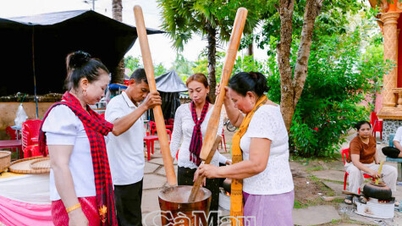
Flattened green rice is made from roasted, pounded and mixed young sticky rice, representing the spirit of solidarity and reunion of the Khmer community.
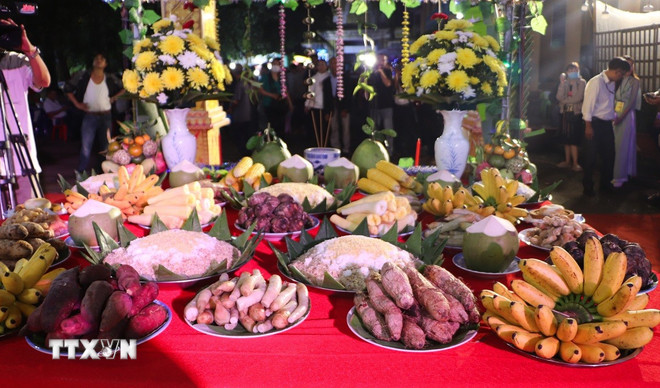
Although flattened green rice is widely available today, this dish still holds a central position on the offering tray, as a sacred symbol of gratitude and abundance.
Symbols in worship
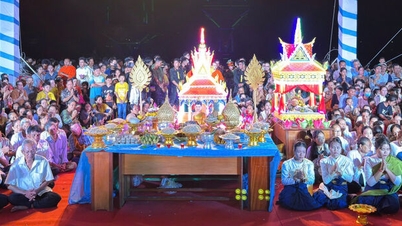
According to folk beliefs, the Moon Worship Ceremony also has spiritual significance expressed through offerings and decorations such as: 2 pillars as a gate right at the altar table symbolize the cosmic belt. The table symbolizes the earth. Two sugarcanes symbolize fertility and growth.
Three candles placed on the gate symbolize the seasons of the year; 12 betel leaves hung on both sides of the gate symbolize the 12 months of the year and the 12 zodiac animals; 7 bee-shaped fruits symbolize the 7 days of the week; 30 betel leaves placed on the right side of the altar symbolize the full month; 29 betel leaves placed on the left side of the altar symbolize the short month and some candies, sweet potatoes, flat rice...
"Feeding Flattened Rice" (Om Bok) Ritual
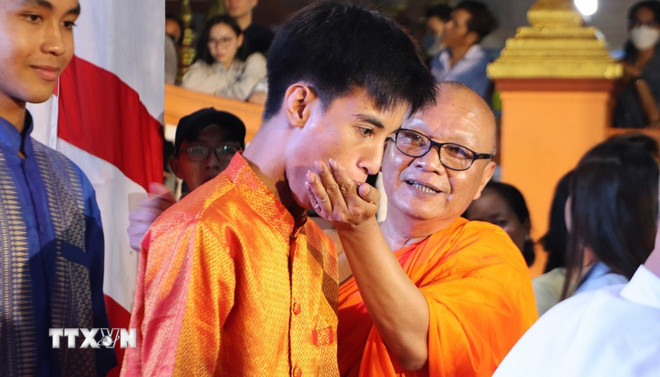
This is the most special and touching ritual on the full moon night. After the solemn ceremony and the monks chanting blessings, the monks, Achar and the elders take turns picking up handfuls of flat rice, calling the children over, patting their backs and asking for their wishes, then feeding them the sweet rice as a blessing for a healthy new year, good study, and prosperity in business.
Afterwards, the whole village shares offerings, dances, sings, and chats, creating a sacred yet warm atmosphere - symbolizing the solidarity of the Khmer community through many generations.
Preserving and promoting the value of Khmer Cultural Heritage
The Moon Worshiping Ceremony is not only a religious custom, but also an inseparable part of the cultural and spiritual life of the Khmer people in the South.
In the context of integration and modernization, preserving and promoting the value of this festival is becoming more urgent, in order to preserve national identity and strengthen national solidarity.
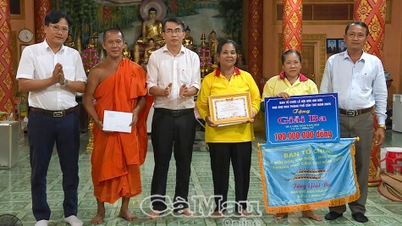
According to the People's Committee of Can Tho City, the work of preserving Khmer culture is currently being implemented synchronously and sustainably with many specific programs and projects. Local authorities have focused on combining tangible and intangible conservation, between preserving traditions and adapting to modern life.
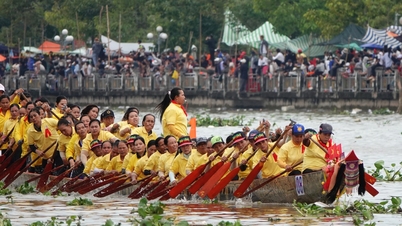
In recent years, localities with a large Khmer population have organized the restoration of the Moon Worshiping ceremony on a scale appropriate to each region, ensuring traditional rituals but still being close and associated with community activities.
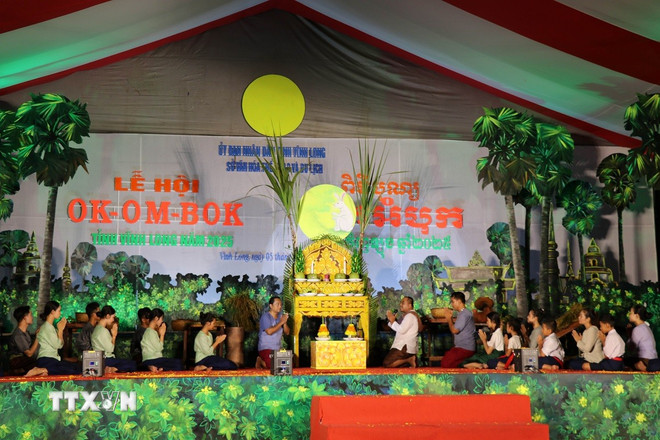
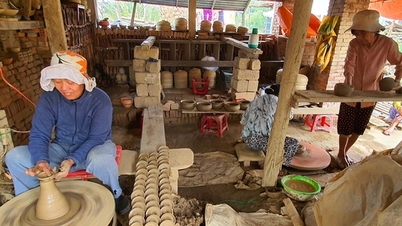
Heritage preservation is not only limited to rituals or arts, but is also closely linked to socio -economic development. In many localities in the South, the government and people have built community tourism models, taking tourists to visit traditional craft villages, experience making flat rice, participate in the Moon Worship Night or enjoy Khmer music and dance.
This activity not only creates jobs, increases income, but also motivates people to proactively preserve their culture, turning heritage into a resource for sustainable development.
However, the work of preserving the Moon Worshiping Ceremony is also facing many challenges: the young generation is strongly influenced by modern culture; some traditional rituals are at risk of being lost; and the commercialization of festivals sometimes causes the spiritual meaning to fade.
To overcome this, cultural experts and local authorities are aiming for “living preservation” – that is, keeping the festival in people’s lives, instead of just recreating it on stage. At the same time, it is necessary to strengthen propaganda, research and digitize Khmer heritage documents, build a database of ethnic minority cultures, contributing to spreading sustainable values to the community.
The Moon Worshiping Ceremony (Ok Om Bok) is not only a religious ceremony, but also a profound cultural symbol, reflecting the worldview , philosophy of life and spirit of attachment to nature of the Khmer people.
Preserving and promoting the value of this festival is to preserve the soul of Khmer culture, while contributing to enriching the multi-colored picture of Vietnamese culture, where all ethnic groups join hands to preserve, develop and shine in the integration period./.
Source: https://www.vietnamplus.vn/le-cung-trang-net-dep-tin-nguong-ta-on-than-mat-trang-cua-dong-bao-khmer-post1075319.vnp


![[Photo] Prime Minister Pham Minh Chinh receives President of Cuba's Latin American News Agency](/_next/image?url=https%3A%2F%2Fvphoto.vietnam.vn%2Fthumb%2F1200x675%2Fvietnam%2Fresource%2FIMAGE%2F2025%2F12%2F01%2F1764569497815_dsc-2890-jpg.webp&w=3840&q=75)















































Comment (0)