

In An Huu commune, Dong Thap province, many farmers have proactively changed their crop structure and boldly applied science and technology towards safe and sustainable production. A notable example is the model of growing An Phuoc plums in greenhouses, also known as the "mosquito-growing plums" model.
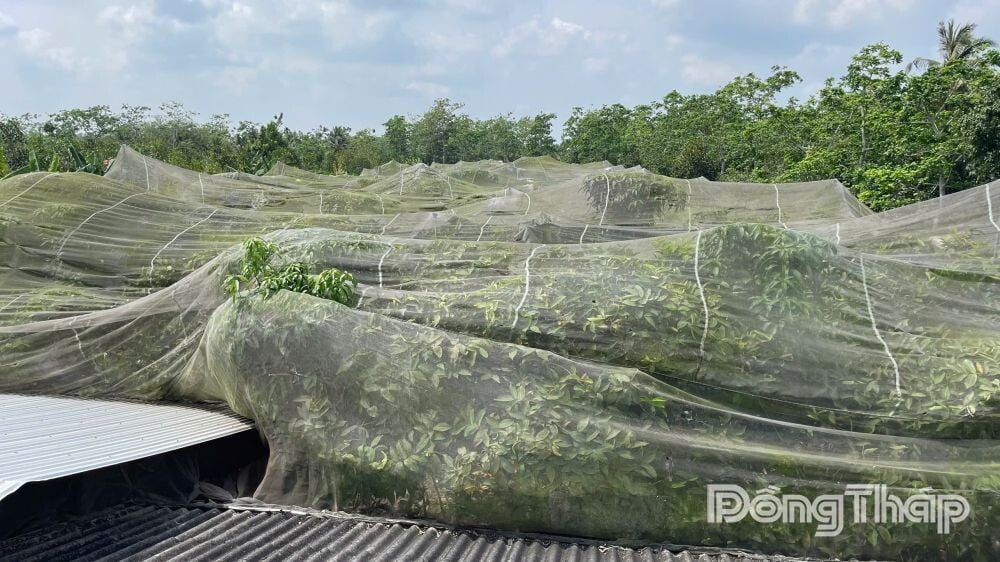
DECISION TO CHANGE CROPS
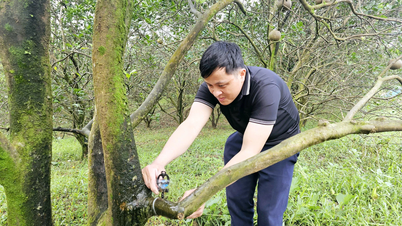
Mr. Nguyen Van Dung, residing in Luong Le hamlet, An Huu commune, is one of the pioneering farmers applying the model of growing An Phuoc plums in greenhouses. Previously, his family grew Thach Kiet longan, but the economic efficiency was not high, the investment costs were large, and the market was uncertain.
Concerned about finding a new direction, Mr. Dung spent time visiting and learning from effective plum cultivation models both locally and outside the area; at the same time, he researched market demand.
Recognizing the advantages of An Phuoc plums, such as ease of care, early fruiting, and consistent quality, Mr. Dung boldly converted 4 acres of land previously used for growing longan to plum cultivation.
In particular, instead of simply bagging individual fruits as in the traditional method, he decided to invest in a netting system to cover the entire orchard – a novel approach at the time.
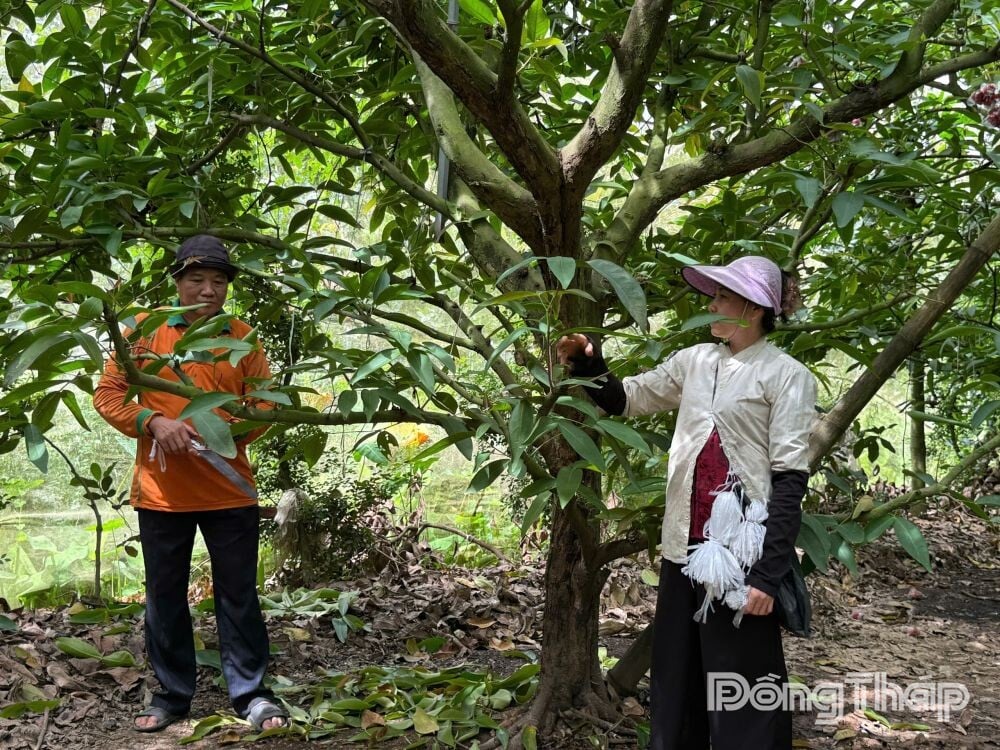
According to Mr. Dung, covering the entire orchard with netting offers several clear benefits. First, during the favorable season, this model significantly reduces costs and labor because it eliminates the need to use plastic bags to cover each fruit. The netting also helps reduce the temperature in the orchard and maintain good humidity, thereby saving approximately 30% - 40% of irrigation water compared to traditional farming methods.
More importantly, the greenhouse limits the intrusion of pests and harmful insects. As a result, pesticide costs are reduced by 60% - 70%, and the frequency of spraying is reduced, saving costs while protecting the health of producers and the ecological environment. The plums develop uniformly, have an attractive appearance, and a naturally sweet taste, meeting the criteria for clean and safe agricultural products.
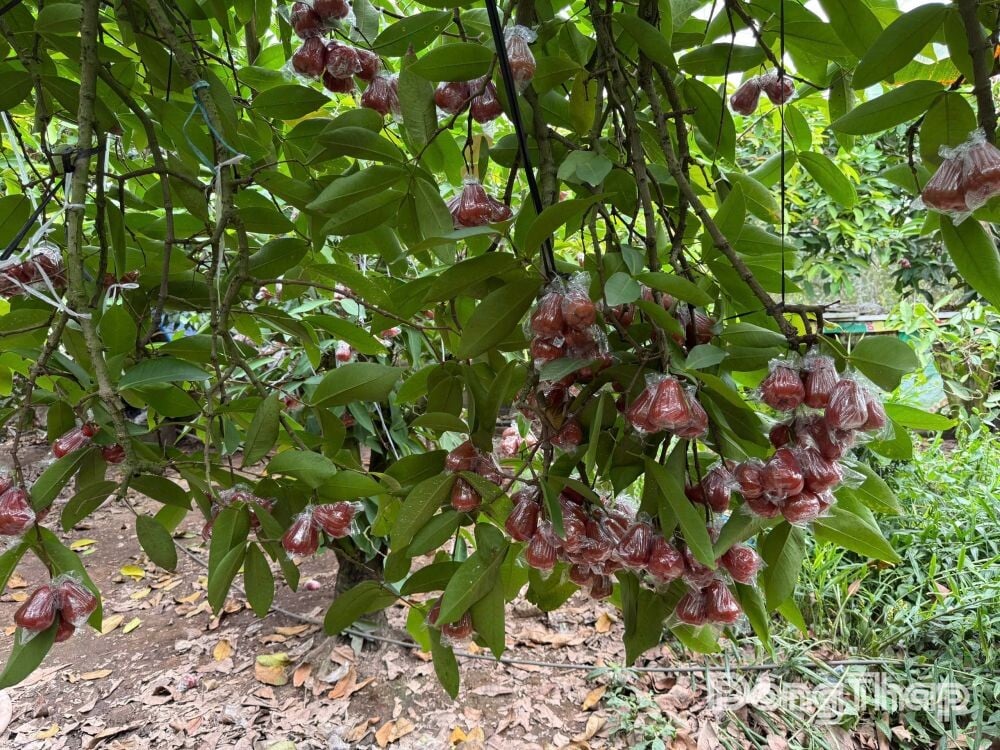
Sharing his thoughts on the model's effectiveness, Mr. Nguyen Van Dung said: "When growing plums in greenhouses, the trees grow well, the loss rate is low, and the fruit is larger and more beautiful compared to plums grown outdoors. Thanks to the stable quality, plums are preferred by traders and purchased at higher prices than traditionally grown products."
After more than 15 years of dedication to plum cultivation and continuous accumulation of experience, Mr. Dung's plum orchard has demonstrated sustainable economic efficiency. The plum trees begin bearing fruit after only about two years of planting. In particular, the application of techniques to induce off-season fruiting has helped his family increase the value of their product, avoiding the situation of "bumper harvest, falling prices."
It is expected that Mr. Dung's plum orchard will yield over 6 tons of fruit in the harvest season at the end of this year, with a stable selling price of over 23,000 VND/kg. After deducting expenses, the profit will be much higher than with his previous crops.
Based on that success, Mr. Dung plans to further expand the area and eventually cover the entire orchard with netting for stable, long-term production. The effectiveness of the "plum trees grown under netting" model has attracted the attention of many farmers both locally and outside the area. Many people regularly visit, exchange experiences, and learn how to apply the method to their own family's production.
Mr. Nguyen Van Be Nam, a farmer from An Huu commune, said: "Growing plums in greenhouses helps reduce pesticide costs, improve yield and fruit quality."
After conducting research, I found this approach to be in line with the current trend of safe agricultural production. In the near future, I plan to implement it on my family's garden."
TOWARDS SAFE PRODUCTION ZONES
According to local authorities, the model of growing plums in greenhouses not only brings economic benefits but also contributes to changing farmers' production mindset, moving towards clean, environmentally friendly agriculture that adapts to increasingly harsh weather conditions.
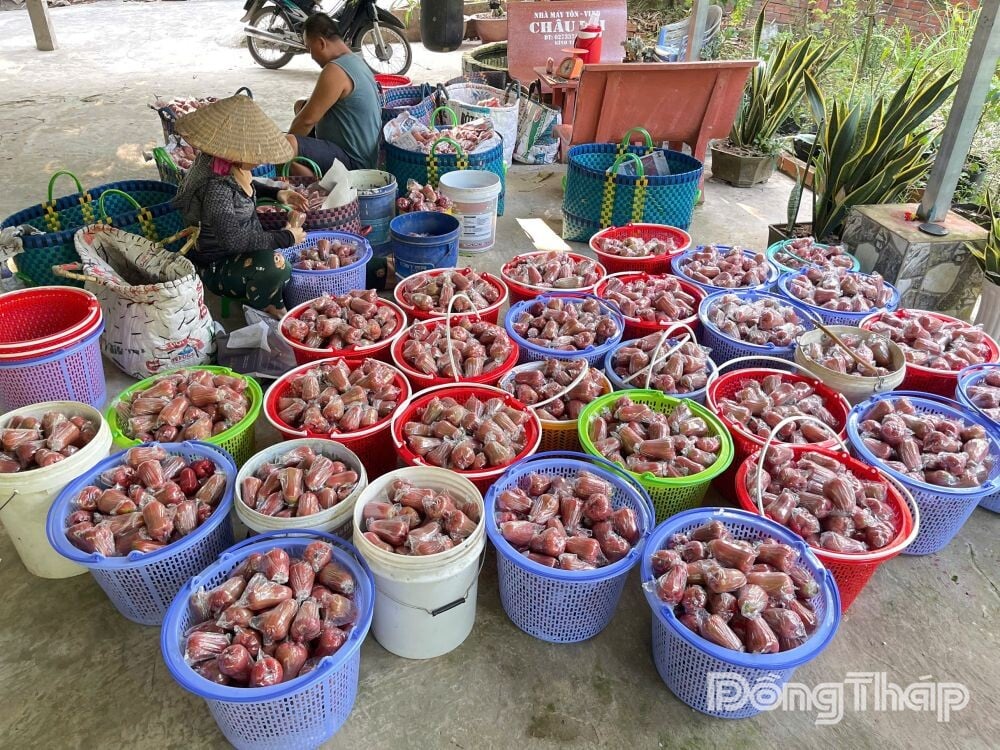
The entire An Huu commune currently has over 300 hectares of An Phuoc plum orchards. In the coming time, the commune People's Committee and relevant departments will continue to support farmers with capital and technical assistance; and at the same time, promote production-consumption linkages to replicate effective models.
According to Le Hoang Nam, Head of the Economic Department of An Huu Commune, covering plum orchards with netting is an important solution for producing safe agricultural products, ensuring quality and yield.
Local authorities are encouraging farmers to expand the model, moving towards establishing planting area codes, creating conditions to attract businesses and purchasing centers to participate in linkages and investments, thereby increasing the value and competitiveness of An Phuoc plums.
The model of growing plums in greenhouses not only helps farmers increase their income and achieve legitimate wealth, but also contributes to building a brand of clean, safe, and sustainable agricultural products – a foundation for Dong Thap's agricultural products to confidently integrate and stand firm in the market.
H. TUYEN - P. MAI
Source: https://baodongthap.vn/mo-hinh-man-ngu-mung-giup-nang-cao-gia-tri-nong-san-a234150.html

![[Live] 2025 Community Action Awards Gala](/_next/image?url=https%3A%2F%2Fvphoto.vietnam.vn%2Fthumb%2F1200x675%2Fvietnam%2Fresource%2FIMAGE%2F2025%2F12%2F16%2F1765899631650_ndo_tr_z7334013144784-9f9fe10a6d63584c85aff40f2957c250-jpg.webp&w=3840&q=75)
![[Image] Leaked images ahead of the 2025 Community Action Awards gala.](/_next/image?url=https%3A%2F%2Fvphoto.vietnam.vn%2Fthumb%2F1200x675%2Fvietnam%2Fresource%2FIMAGE%2F2025%2F12%2F16%2F1765882828720_ndo_br_thiet-ke-chua-co-ten-45-png.webp&w=3840&q=75)

![[Photo] Prime Minister Pham Minh Chinh receives the Governor of Tochigi Province (Japan)](/_next/image?url=https%3A%2F%2Fvphoto.vietnam.vn%2Fthumb%2F1200x675%2Fvietnam%2Fresource%2FIMAGE%2F2025%2F12%2F16%2F1765892133176_dsc-8082-6425-jpg.webp&w=3840&q=75)
![[Photo] Prime Minister Pham Minh Chinh receives Lao Minister of Education and Sports Thongsalith Mangnormek](/_next/image?url=https%3A%2F%2Fvphoto.vietnam.vn%2Fthumb%2F1200x675%2Fvietnam%2Fresource%2FIMAGE%2F2025%2F12%2F16%2F1765876834721_dsc-7519-jpg.webp&w=3840&q=75)










![[Infographic] Applications of the Internet of Things (IoT) in the field of intelligent transportation](https://vphoto.vietnam.vn/thumb/402x226/vietnam/resource/IMAGE/2025/12/17/1765960542869_infographic-ung-dung-internet-van-vat-iot-trong-linh-vuc-giao-thong-thong-minh20251217105658.webp)







































Comment (0)