

The study, conducted by Dr. May Faraj, a professor at the University of Montreal and director of research at the Montreal Clinical Research Institute (Canada), involved 40 healthy volunteers divided into two groups: one group with low LDL (bad) cholesterol and the other with high LDL.

Using measures to reduce inflammation may lower the incidence of type 2 diabetes and cardiovascular disease.
Scientists described and compared the two groups in terms of inflammatory response, carbohydrate metabolism, and fat metabolism in adipose tissue and the whole body. They also isolated LDL (bad) cholesterol, adipose tissue, and immune cells from the participants and examined the direct impact of LDL on the inflammatory response.
The authors found that high levels of bad LDL cholesterol, in addition to causing cardiovascular disease, also play a role in the development of type 2 diabetes.
The study found that using measures to reduce inflammation in people with high levels of bad LDL cholesterol can lower the incidence of type 2 diabetes as well as cardiovascular disease, thus achieving both important goals, according to the medical journal Medical Express.
Specifically, the results showed that people with high levels of bad LDL cholesterol had a higher inflammatory response in their adipose tissue than those with low LDL cholesterol.
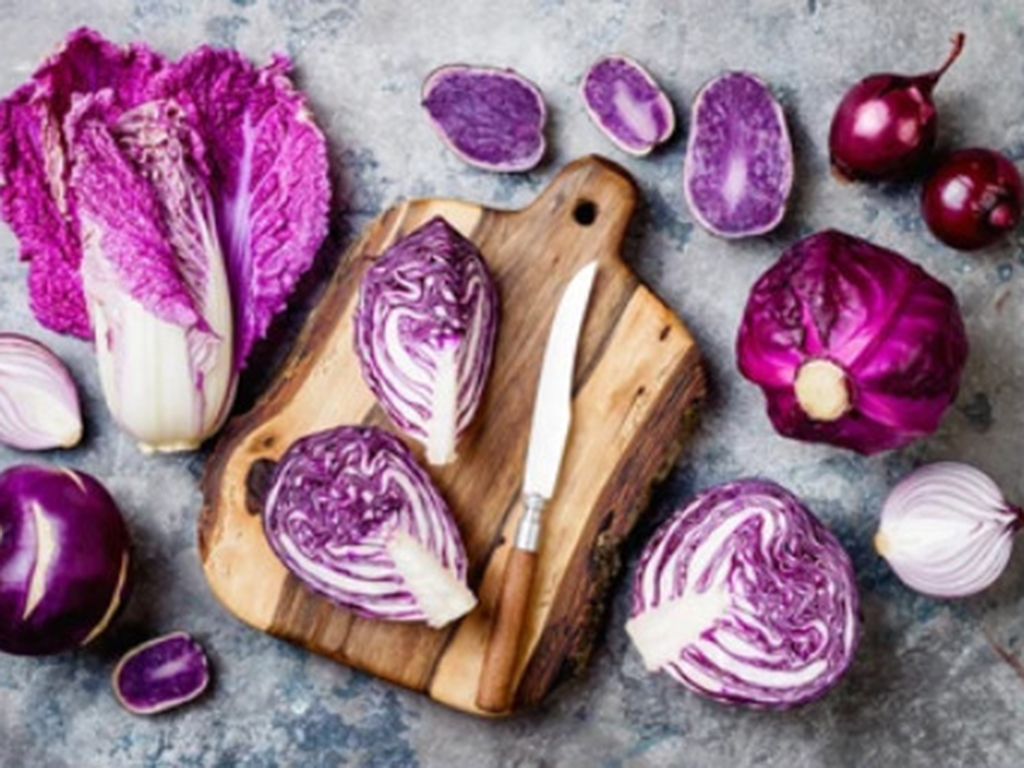
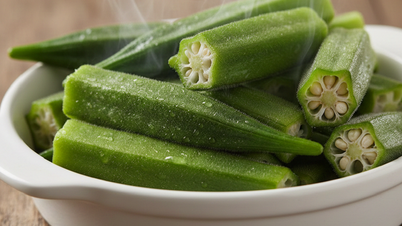
Eating red, green, and purple fruits and vegetables is a fun way to reduce inflammation.
The increased inflammatory response in the fatty tissue of individuals with high LDL (bad) cholesterol leads to abnormalities in carbohydrate and fat metabolism within their fatty tissues and bodies. If left untreated, these abnormalities can, over time, contribute to the development of type 2 diabetes.
Finally, bad LDL cholesterol can cause inflammation in fatty tissue and immune cells, especially in people with high LDL levels.
Researchers have concluded that measures to reduce inflammation may lower the incidence of type 2 diabetes and cardiovascular disease.
Ways to reduce inflammation
According to Harvard Medical School (USA), an anti-inflammatory diet should include: tomatoes; olive oil; leafy green vegetables such as spinach, lettuce, and kale; nuts such as almonds and walnuts; fatty fish such as salmon, mackerel, tuna, and sardines; and fruits such as strawberries, blueberries, and oranges.
Additionally, experts recommend using turmeric, eating red, green, and purple fruits and vegetables, drinking green tea, exercising regularly, maintaining a healthy weight, quitting smoking, and getting enough sleep, according to Eating Well .
Source link
![[Photo] Closing Ceremony of the 10th Session of the 15th National Assembly](/_next/image?url=https%3A%2F%2Fvphoto.vietnam.vn%2Fthumb%2F1200x675%2Fvietnam%2Fresource%2FIMAGE%2F2025%2F12%2F11%2F1765448959967_image-1437-jpg.webp&w=3840&q=75)



![[Photo] Prime Minister Pham Minh Chinh holds a phone call with the CEO of Russia's Rosatom Corporation.](/_next/image?url=https%3A%2F%2Fvphoto.vietnam.vn%2Fthumb%2F1200x675%2Fvietnam%2Fresource%2FIMAGE%2F2025%2F12%2F11%2F1765464552365_dsc-5295-jpg.webp&w=3840&q=75)












































![[OFFICIAL] MISA GROUP ANNOUNCES ITS PIONEERING BRAND POSITIONING IN BUILDING AGENTIC AI FOR BUSINESSES, HOUSEHOLDS, AND THE GOVERNMENT](https://vphoto.vietnam.vn/thumb/402x226/vietnam/resource/IMAGE/2025/12/11/1765444754256_agentic-ai_postfb-scaled.png)












































Comment (0)