

Concerned about the worries of farmers.
We met Mr. Nguyen Nhu Hao, Director of the Que Duong Pomelo Cooperative (Duong Hoa commune, Hanoi ), during the days when the pomelo orchards were entering their harvest season. Here, most families have pomelo orchards, mainly focusing on three varieties: super-sweet pomelo, Que Duong pomelo, and Dien pomelo. However, Dien pomelo is a variety brought from elsewhere, while Que Duong pomelo is a specialty of this particular region.
Sharing about his connection with pomelo trees, Mr. Hao said that, starting as a farmer and having served as Chairman of the Farmers' Association in the commune, he understood the difficulties faced by farmers in traditional agricultural production - relying on experience, depending on weather and market conditions.


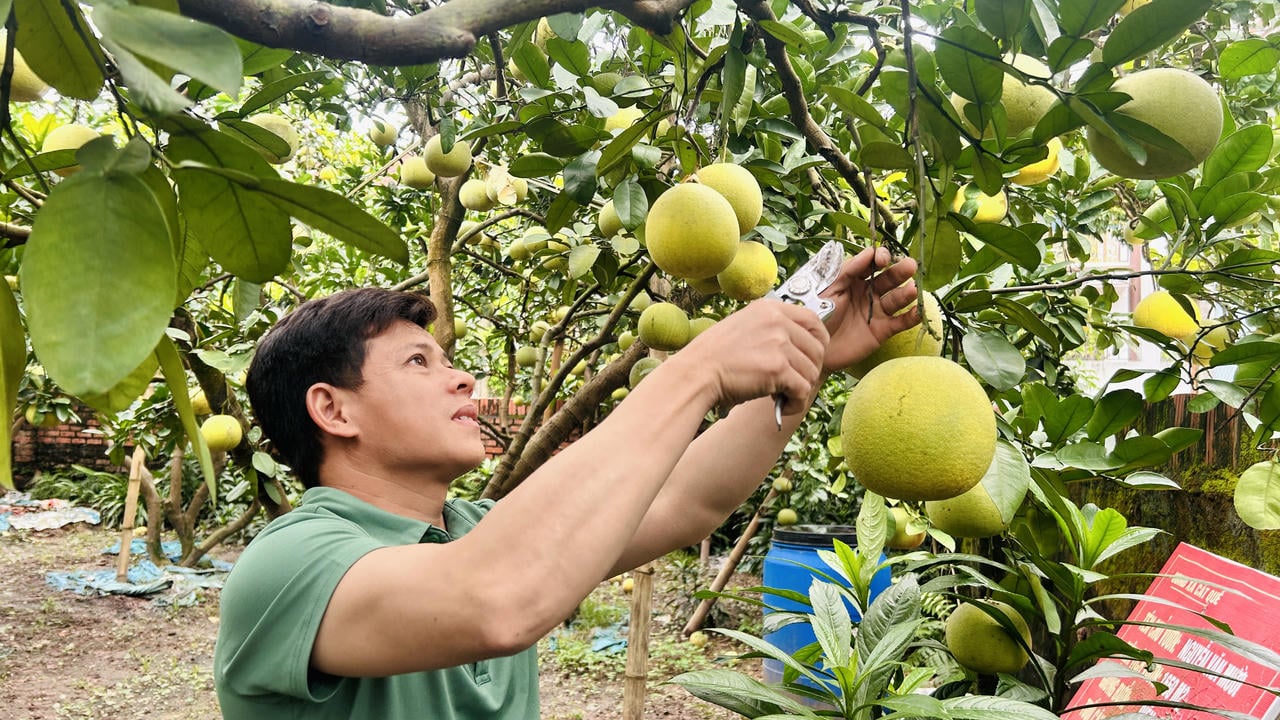
Driven by that concern, in 2019, he and other households founded the Phu Duong Safe Pomelo Production Cooperative, later renamed the Que Duong Pomelo Cooperative. Initially, it had only 9 members with nearly 3 hectares of pomelo trees, but now the safe growing area in Phu Duong commune has expanded, creating stable jobs and higher incomes for the people.
According to Mr. Hao, the Que Duong pomelo variety originated from a seed-grown pomelo tree, preserved and propagated by the Tran Thao family in Thap Thuong hamlet. Thanks to its beautiful appearance, large size, thin rind, and moderate sweetness, it has become popular among locals, leading to its propagation by many families. The harvest time for Que Duong pomelos usually begins around the 15th day of the eighth lunar month, about 2 to 3 months earlier than Dien pomelos; therefore, people plant them interspersed to spread out the harvest. In recent years, traders have been buying up Que Duong pomelos directly from the orchards as soon as the farmers harvest them.
“The Que Duong pomelo is now considered a key product, having been granted a collective trademark and becoming a typical local specialty. Simultaneously, the cooperative has also expanded the cultivation of Taiwanese pear guava, which yields high economic returns and is suitable for the soil conditions in the suburban areas of Hanoi,” Mr. Hao said.
In 2024, Que Duong pomelo and Le guava received OCOP 3-star certification. This is a significant step forward, bringing safe products closer to consumers.

Integrating artificial intelligence (AI) and digital technology into manufacturing.
In 2024, Mr. Hao participated in training courses on digital transformation in agriculture. From being unfamiliar with smartphones, he gradually mastered tools for production management, pest and disease identification, fertilizer optimization, and crop growth monitoring through AI applications.
Mr. Hao said: "AI gives me scientific advice, while the experience of farmers helps me adjust it to suit the reality. These two factors complement each other very effectively."
Thanks to the application of technology, the cooperative's products are traceable and sold on e-commerce platforms. Previously, pomelos were only sold through traders at prices ranging from 15,000 to 17,000 VND per fruit, but now traceable organic pomelos are priced at 50,000 VND per fruit, ensuring stable sales and expanding markets.
"We're not just selling agricultural products; we're selling the belief that our products are clean, safe, and good for your health," Mr. Hao proudly shared.
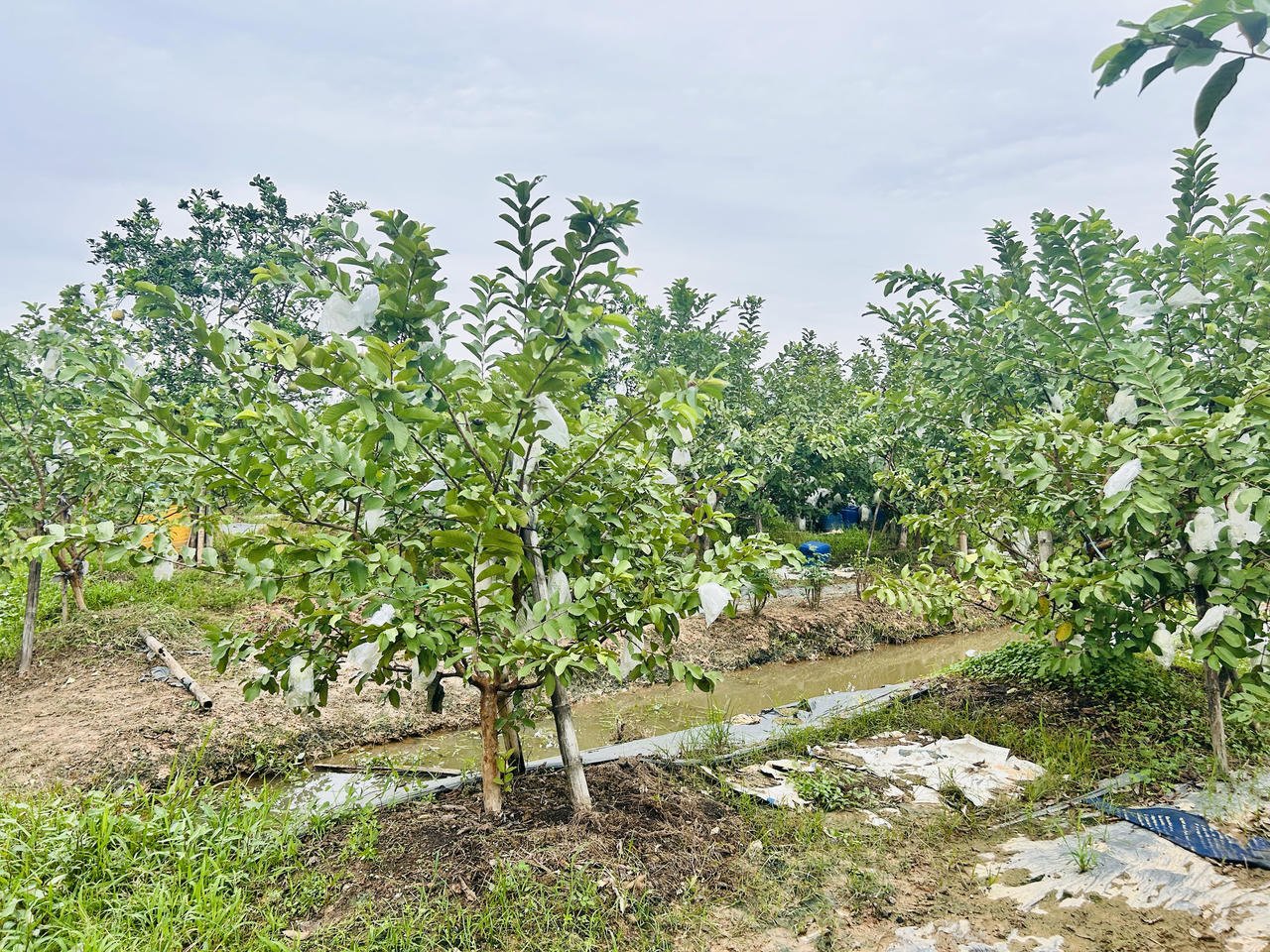
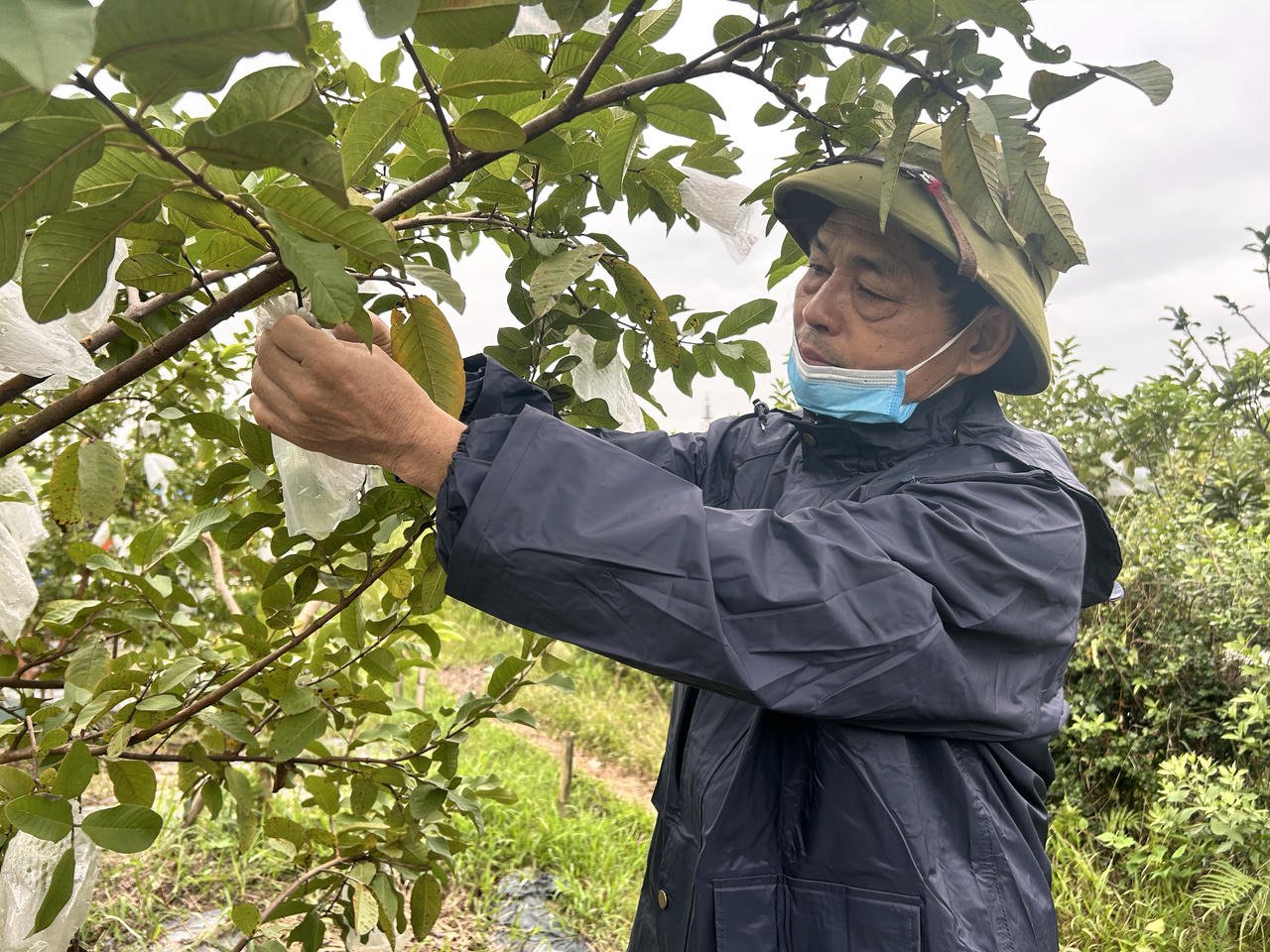

Despite being over 70 years old, Mr. Nguyen Nhu Hao continues to learn. He has collaborated with a group of young engineers to develop the "Organic Garden AI Assistant" – an application that integrates knowledge of plant care, pest and disease identification, and guidance on safe farming practices. Users simply upload images of diseased leaves or fruits, and the AI system will identify them and suggest appropriate treatments, saving farmers time and effort. This model combines farmers' knowledge and artificial intelligence, creating a powerful "digital arm" to support small-scale agricultural production.
Thanks to the pioneering spirit of Mr. Nguyen Nhu Hao and the younger generation, the Que Duong Pomelo Cooperative now not only provides regular employment for many local workers but also opens up a new direction for agricultural development in the suburban areas of Hanoi.
Members receive free training on using digital tools, promotional skills, livestreaming sales, and online order management. The long-term goal is to form a "digital farmer community," where every farmer can become a smart farm manager through their smartphone.
***
" This information page is a collaboration with the Hanoi City Office for Coordinating the New Rural Development Program."
Source: https://baophapluat.vn/ngot-thom-trai-buoi-que-duong.html


























































































Comment (0)