

The main cause of food poisoning is often the hot, humid, and erratic weather. This creates favorable conditions for the growth of pathogenic bacteria, especially those causing intestinal infections, and for plants and animals containing natural toxins (poisonous mushrooms, insects, seafood, etc.). In addition, environmental pollution and, in some areas, a lack of clean water for processing and cleaning utensils, combined with improper food storage, also contribute to food poisoning.
Dr. Ha Thanh Son, Deputy Director of Tran Van Thoi General Hospital (Tran Van Thoi district), stated: “In the summer, when the weather is hot and humid, conditions are favorable for disease-causing bacteria to thrive, leading to food spoilage or contamination. If not properly preserved, this can cause food poisoning, especially in collective kitchens at companies, factories, boarding schools, and kindergartens…”
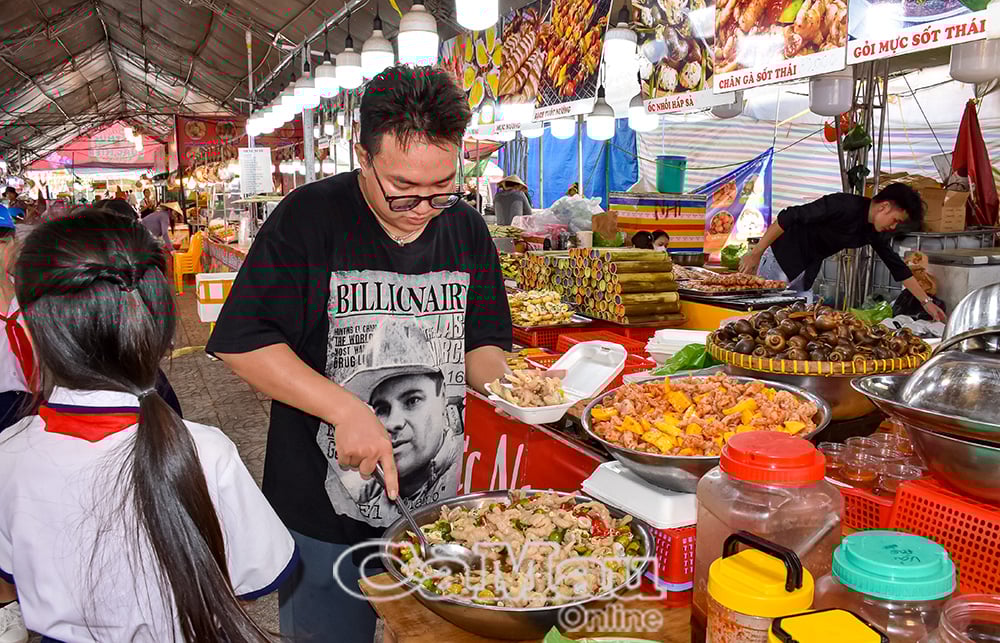
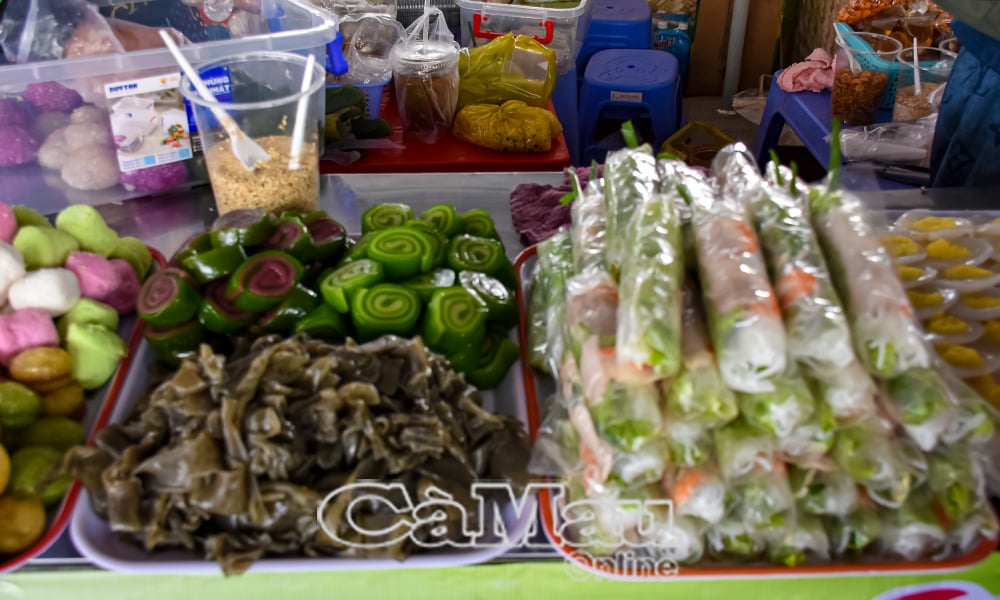
Doctors from the Intensive Care and Toxicology Department of Ca Mau General Hospital stated: "The common cause of food poisoning is bacteria entering through the digestive tract. Therefore, when consumers eat food or use water sources containing pathogenic bacteria, it will lead to digestive disorders and even acute poisoning."
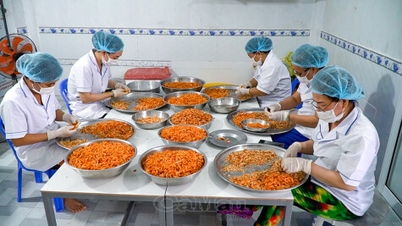
Hot weather easily causes mold growth on food, especially processed foods, due to bacterial development, particularly in high-risk food groups such as meat, eggs, fish, seafood, and dairy products. In addition, fast food items like soups and stews, and foods processed through multiple stages, are also at risk of external bacterial contamination. Currently, raising consumer awareness about preventing food poisoning is extremely necessary, especially in tourist areas, communal kitchens, and street food stalls. It's also a way to change people's behaviors and habits that compromise food safety and hygiene in the selection, preparation, storage, and consumption of food.
Dr. Huynh Thanh Su, Head of the Environmental Health - School Health - Occupational Diseases Department at the Ca Mau Provincial Center for Disease Control, advises: “Consumers should only use food products with clear origins, sources, and labels. Absolutely do not use canned products that have expired. Especially, do not self-package food in airtight containers without freezing, as this will inadvertently create conditions for anaerobic bacteria to grow and cause illness.”
Besides raising consumer awareness about preventing food poisoning through public campaigns, strict penalties and suspension of operations are necessary for establishments that do not meet food safety standards or lack food safety certification (which are required to be issued). Violations and the results of enforcement actions against organizations and individuals producing and selling unsafe food should be publicly disclosed through mass media to warn producers and consumers in general.
Phuong Vu
Source: https://baocamau.vn/phong-tranh-ngo-doc-thuc-pham-mua-he-a39259.html

![[Photo] Conference on the transfer and reception of Party organizations and Party members between the Party Committee of the Government and the Party Committees of the Central Party Agencies](https://vphoto.vietnam.vn/thumb/1200x675/vietnam/resource/IMAGE/2026/04/01/1775036784472_ndo_br_bnd-2620-jpg.webp)
![[Photo] Conference announcing the Politburo's Decision on organizational and personnel matters](https://vphoto.vietnam.vn/thumb/1200x675/vietnam/resource/IMAGE/2026/04/01/1775017881825_bnd-2410-1472-jpg.webp)











































































Comment (0)