

Attracting investment and developing tourism.
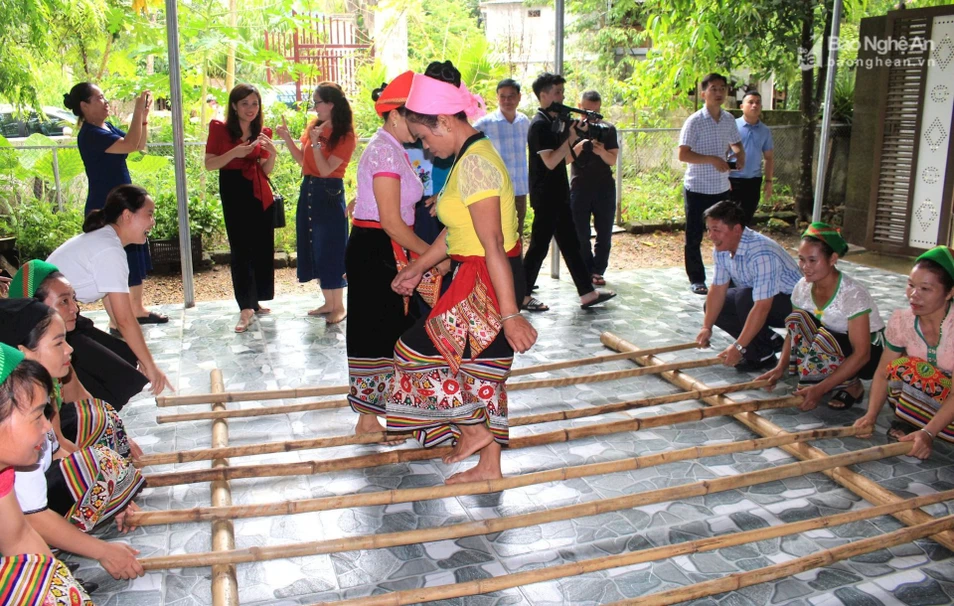
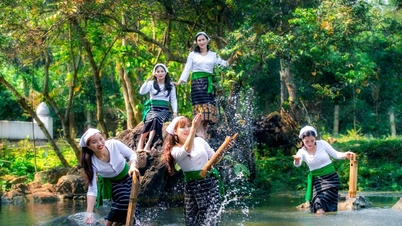
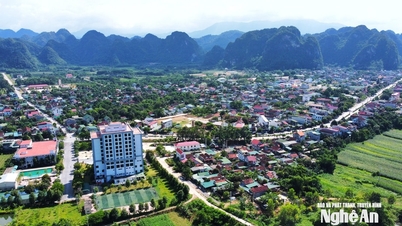
Quỳ Hợp District is currently home to three ethnic groups: Kinh, Thai, and Tho, each with its own distinct cultural identity, reflected in clothing, architecture, customs, traditions, and language. Of these, the Thai and Tho ethnic groups account for over 53% of the district's population. Therefore, the cultural and spiritual life of the people in the district strongly reflects the characteristics of Thai culture with its melodies such as xuối, lăm, nhuôn...; and the culture of the Tho ethnic group with its rhythmic songs such as tập tính tập tang, đu đu điềng điềng...
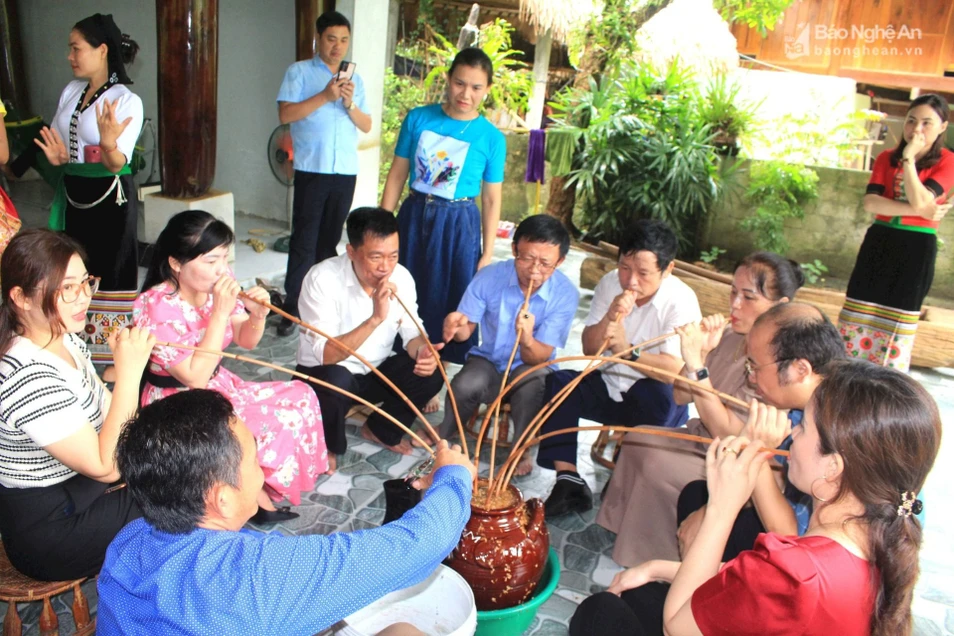
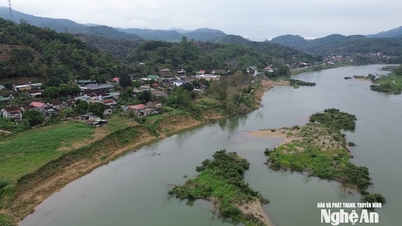
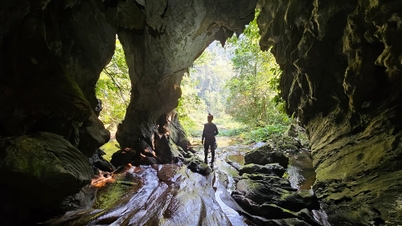
Furthermore, the ethnic minorities in the district still preserve unique folk games and a diverse and rich culinary culture. Quỳ Hợp also has the Pù Huống Nature Reserve, with many rare species of flora and fauna that are receiving attention and conservation from the State and international organizations; it has a diverse and unique cave system, associated with many historical sites and scenic spots such as Poòng Cave, Hổ Cave, Bản Vực Cave, Tiên Waterfall, Bản Bìa Waterfall, Bản Tạt Waterfall, Bãi Tập Beach, Dinh Temple, Mó Temple, La Pagoda, Le Temple, Choọng Temple, Tạo Nọi Temple...
With such attractive potential and advantages, the Executive Committee of the Quy Hop District Party Committee, 21st term, issued Resolution No. 15-NQ/HU, dated October 25, 2021, on strengthening leadership and guidance, increasing investment attraction, and developing tourism associated with preserving the cultural identity of ethnic minorities in the period 2021-2025, with a vision to 2030, considering this as one of the key tasks in tourism development in the district. To concretize Resolution No. 15, the Quy Hop District People's Committee issued Decision No. 2068/QD-UBND dated October 27, 2021, promulgating the Project on attracting investment and exploiting tourism associated with preserving and promoting the cultural values of ethnic minorities, in the period 2021-2025, with a vision to 2030; Along with that, many plans have been issued to promote the sustainable development of the tourism industry in the district...
With the guidance and support of the Department of Tourism, the District Party Committee, the District People's Council, the District People's Committee, and all levels and sectors, along with the efforts of the District's Culture and Information Department, the tourism development situation in Quy Hop district has seen positive changes over the past two years (2021 and 2022). Many localities have shown interest and issued projects and plans to encourage the development of community-based tourism, contributing to creating momentum and acting as a leverage for tourism development investment in the district.
One of the programs contributing to changing the face of tourism in Quy Hop district is attracting investment and developing tourism associated with preserving the cultural identity of ethnic minorities. In 2023, Quy Hop district implemented the construction and renovation of Thung May Lake Park worth 10 billion VND from the local medium-term investment capital for the 2020-2025 period; attracted medium-term investment capital from the province for the 2021-2025 period to build two roads connecting National Highway 48C from Choong Bung village (Chau Ly commune) with Tan Ky district worth 70 billion VND, and a road connecting National Highway 48C from Choong Bung village, Chau Ly commune, passing through Ban Bia - Thung Manh waterfall with Con Cuong district worth 30 billion VND; built the Choong Bung Cultural House and a system of walking paths in Choong Bung village worth over 3 billion VND...
Attractive tourist destinations in the Northwest
After nearly two years of implementing the Resolution, the People's Committee of Quy Hop district has issued many documents to preserve historical relics, scenic spots, and ethnic cultural identity in the district, such as proposing the ranking of Mo Temple (Nghia Xuan commune), Tao Noi Temple, and Muong Ham (Chau Cuong commune).
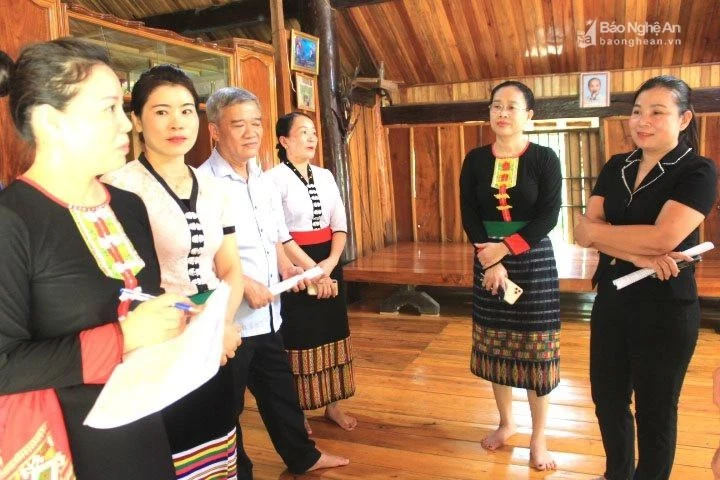
Currently, the Provincial Relics Management Board is guiding the process of preparing documents and procedures for ranking the Tạo Nọi temple, organizing workshops on the restoration of the Dinh temple (Tam Hợp commune) and the Le temple (Châu Quang commune). Simultaneously, they are developing a provincial-level model of a Tho ethnic folk culture club; a district-level model of Tho ethnic folk culture in Đột Mả and Mó hamlets, Nghĩa Xuân commune; and three models of Thai and Tho ethnic folk culture in Châu Cường, Nghĩa Xuân, and Minh Hợp communes. They are also actively surveying scenic spots in the district such as Bản Vực cave, Bản Bìa waterfall (Châu Lý commune), Tiên waterfall (Châu Thành commune), springs (Nghĩa Xuân and Văn Lợi communes), Bản Mồng dam (Yên Hợp commune)...
Maintaining the operation of folk culture clubs in communes and towns; gradually improving tourism infrastructure; socializing investment in building a system of restaurants, hotels, entertainment areas, and shopping centers to serve tourists, creating more tourism products; forming ecological, cultural, spiritual, and community tourism routes and destinations that attract and retain tourists, typical examples include the Choọng Bùng community tourism village, the Thác Tiên, Thác Bìa, Mó Mo ecological tourism sites in Nghĩa Xuân commune, Mó Lòn in Văn Lợi commune, etc.
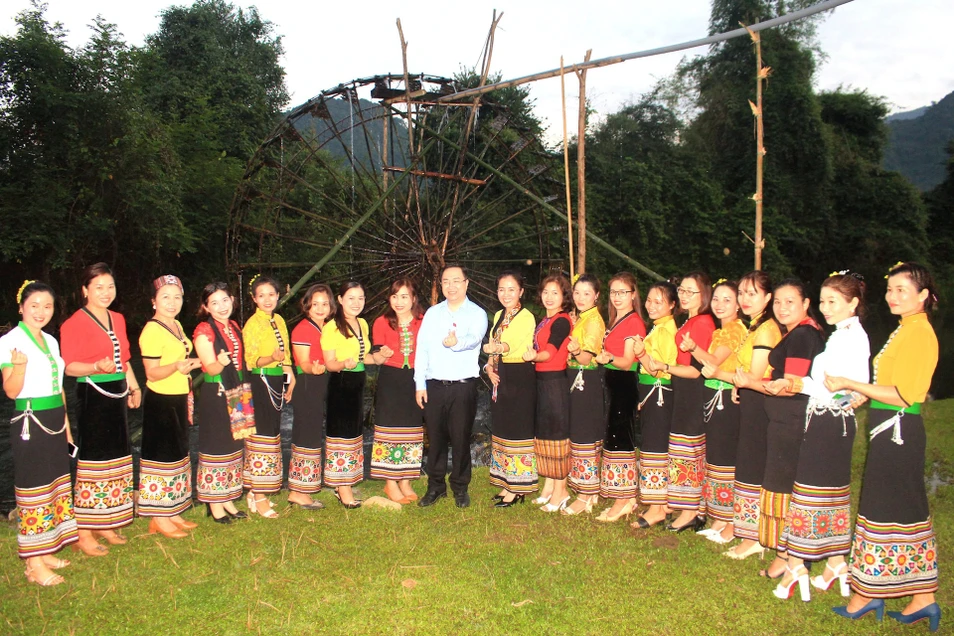
Quỳ Hợp District has begun developing tourism tours and routes to serve visitors, and has initially achieved outstanding results, such as the Choọng Bùng community tourism village (Châu Lý commune). From July 11, 2022 to the present, the Choọng Bùng community tourism village has welcomed 43 groups of visitors, totaling over 1,350 people; mainly from within the province, district, and neighboring communes. Total income from community tourism activities to date has exceeded 400 million VND.
Also in Chau Ly commune, the Ban Bia waterfall ecotourism site has initially attracted a considerable number of visitors from within the district. From April 2022 to the present, this site has welcomed approximately 4,800 visitors, generating a total revenue of over 500 million VND. In addition, one enterprise is in the process of applying for a permit to build an ecotourism model based on Vinh oranges, and another enterprise is seeking approval to build an ecotourism area at Ban Bia waterfall in Chau Ly commune.
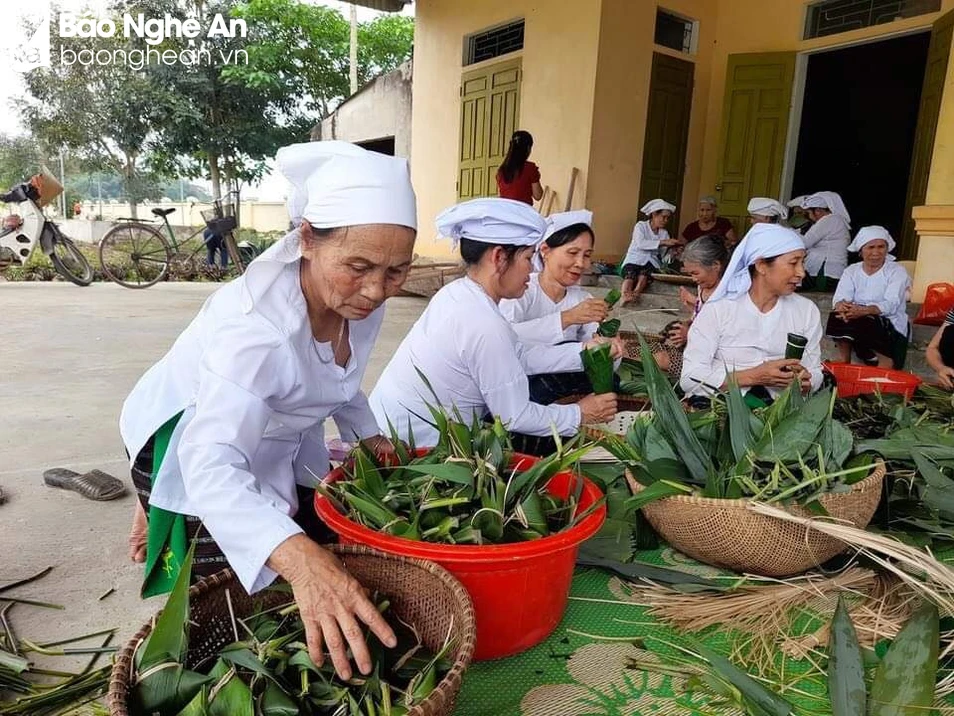
In addition to the two aforementioned ecotourism destinations, Quỳ Hợp district is beginning to develop other attractions and experiences, such as Bản Mồng reservoir in Yên Hợp commune, the spring in Nghĩa Xuân commune, the tea hills in Minh Hợp commune, the spring in Văn Lợi commune, and Tiên Waterfall in Châu Thành commune...
Mr. Hoang Van Thai, Vice Chairman of the Quy Hop District People's Committee, said: In the coming time, the district will create a favorable environment for businesses and the community to participate in tourism development, encouraging businesses to innovate, create, and diversify tourism products, in line with the local tourism development orientation. The goal is for each locality to develop at least one outstanding destination based on its unique potential and advantages during this term.
The district is also focused on investing in infrastructure development, especially creating land reserves to attract strategic investors to build tourist attractions and resorts to bring visitors to Quy Hop, particularly international travel agencies; strengthening the promotion and advertising of Quy Hop's tourism image; preserving and promoting the value of intangible cultural heritage associated with tourism development, and focusing on improving the organization of traditional festivals... Through these efforts, the district aims to develop one tourism tour linking 2-3 destinations within its territory by 2024...
Source
![[Photo] General Secretary and President To Lam presides over a meeting with the Central Organizing Committee.](https://vphoto.vietnam.vn/thumb/1200x675/vietnam/resource/IMAGE/2026/06/03/1780482764658_a1-bnd-4741-3342-jpg.webp)
![[Photo] Secretary of the National Assembly Party Committee, Chairman of the National Assembly presides over the meeting of the Standing Committee and Executive Committee of the National Assembly Party Committee.](https://vphoto.vietnam.vn/thumb/1200x675/vietnam/resource/IMAGE/2026/06/03/1780480353201_ndo_br_bnd-2585-jpg.webp)
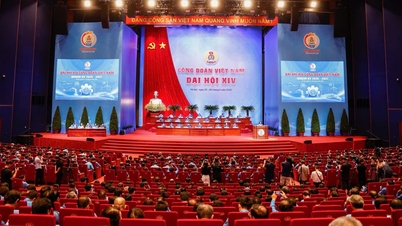
![[Photo] First session of the 14th Congress of the Vietnam Trade Union](https://vphoto.vietnam.vn/thumb/1200x675/vietnam/resource/IMAGE/2026/06/03/1780465947883_ndo_br_img-3852-jpg.webp)


























![[Video] Sunset at Lap An Lagoon – Where the sun sets over the fishing nets](https://vphoto.vietnam.vn/thumb/1200x675/vietnam/resource/IMAGE/2026/05/31/1780192137701_beach-landscape-sea-water-nature-grass-745871-pxhere-com.jpeg)




















Comment (0)