

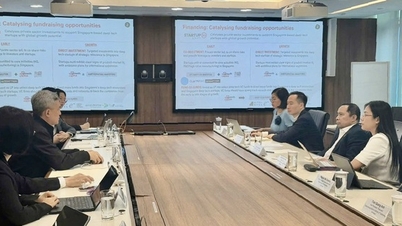
On the afternoon of October 29th, the Government's Electronic Information Portal organized a seminar titled "High-Speed Railway – Opportunities and Challenges," clarifying issues of public concern related to the high-speed railway investment project on the North-South axis, such as funding sources and its effectiveness for the economy and society.
The 13th Central Committee of the Communist Party of Vietnam issued Resolution No. 55-NQ/TW on September 20, 2024, which unanimously approved the investment plan for the entire high-speed railway project (350 km/h) on the North-South axis. It is clear that the 350 km/h high-speed railway, expected to be completed in 2035, will be a major breakthrough not only for transportation infrastructure, opening up new development opportunities, but also a significant step forward in bringing Vietnam's economy up to par with developed countries worldwide .
Immediately after the approval of the policy on building a high-speed railway line, public opinion paid special attention to this project and raised many questions about: funding sources, speed, and the effectiveness of the project for the economy and society when invested in, put into operation, and used... To analyze, discuss, and clarify the above issues, the Government's Electronic Information Portal organized a seminar "High-Speed Railway – Opportunities and Challenges" with the participation of invited guests including leaders of state management agencies and experts: Deputy Minister of Transport Nguyen Danh Huy; Deputy Minister of Finance Bui Van Khang; Deputy Minister of Planning and Investment Tran Quoc Phuong; Standing Member of the National Assembly's Economic Committee Phan Duc Hieu; and General Director of Vietnam Railways Corporation Hoang Gia Khanh.
High-speed rail contributes to an increase in GDP of approximately 0.97 percentage points.
Regarding the timing of proposing the North-South high-speed railway line, Deputy Minister of Transport Nguyen Danh Huy stated: The Ministry of Transport has spent 18 years researching the construction of the high-speed railway. Based on forecasts of transportation demand, the Ministry of Transport believes that this is the appropriate and necessary time to build the North-South high-speed railway line to restructure the transportation market appropriately. Furthermore, at this time, Vietnam's economy has reached $430 billion, and public debt is not yet excessively high; therefore, basic resource conditions do not pose a major challenge.
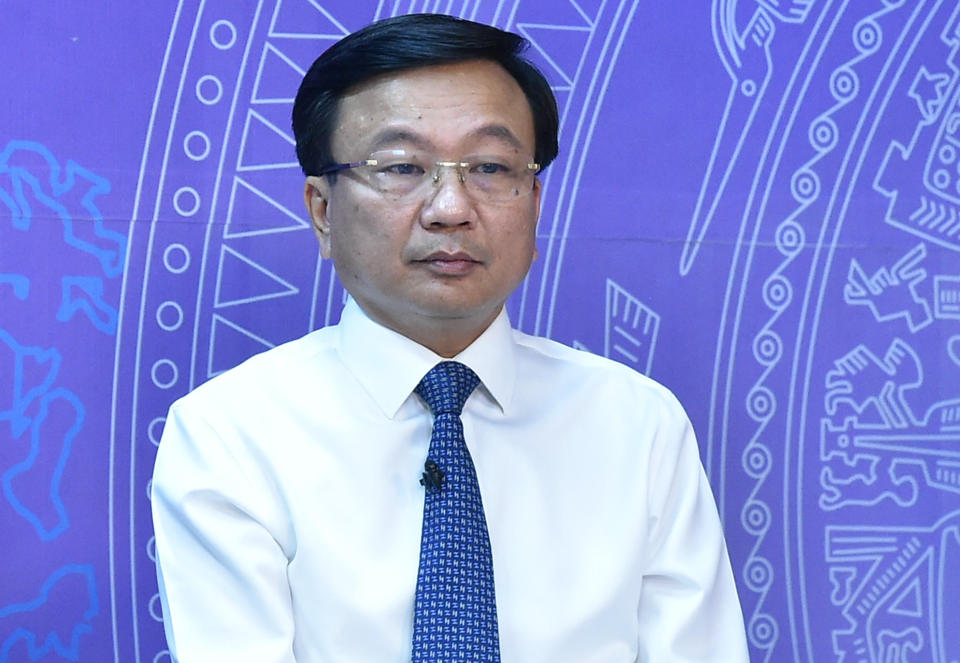
Technically, the Ministry of Transport has provided explanations regarding the choice of a speed of 350 km/hour, and the intended use as passenger transport rather than freight... these issues have been addressed by the Ministry of Transport through 10 years of research with the participation of many experts from countries around the world, as well as inter-ministerial working groups studying in 6 countries with developed high-speed rail networks.
"Now is the right time for the Central Committee and the Politburo to decide to submit the investment to the National Assembly for consideration and approval. This is also a prerequisite and driving force for us to enter an era of progress, as General Secretary To Lam said," Deputy Minister Nguyen Danh Huy affirmed.
Sharing the same view as the Ministry of Transport, Deputy Minister of Planning and Investment Tran Quoc Phuong affirmed: We have a solid political and practical basis from the resolutions and conclusions of the Central Committee and the Politburo regarding the construction of high-speed railways from now until 2035, as well as the completion of infrastructure, including the North-South high-speed railway. This is necessary to achieve a breakthrough in infrastructure, creating a positive and widespread impact on economic growth and ensuring social welfare.
“Investment spending is also a driving force impacting economic growth. In the history of public investment in the country, this is the largest project ever, with an estimated total expenditure of approximately 70 billion USD. This is a very large estimated figure at a feasible level. This level of investment will impact economic growth throughout the project's construction period. Based on preliminary assessments, if this amount is implemented between now and 2035, the impact of this high-speed rail investment will increase GDP by approximately 0.97 percentage points. This is a significant figure, contributing to the overall growth of the economy,” said Deputy Minister Tran Quoc Phuong.
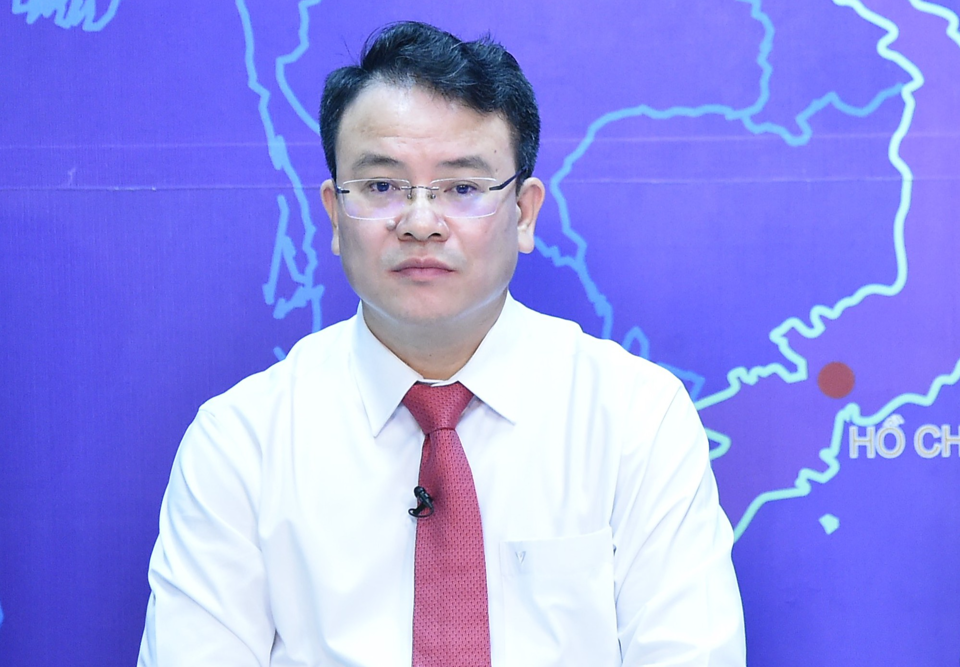
Specifically, the leaders of the Ministry of Planning and Investment believe that, since the agreement on the construction of the high-speed railway line, it will have a positive impact on at least seven sectors, including: Construction; Supporting industries (materials, iron and steel, supporting industries); Financial services (banking, credit and capital mobilization); Urban development; Tourism; Employment; Transportation and logistics.
"The high-speed railway will have a positive impact if we do it well and quickly. The investment will directly impact GDP in the initial phase, and later its ripple effect will be much greater, even exceeding our current calculations," Deputy Minister Tran Quoc Phuong observed.
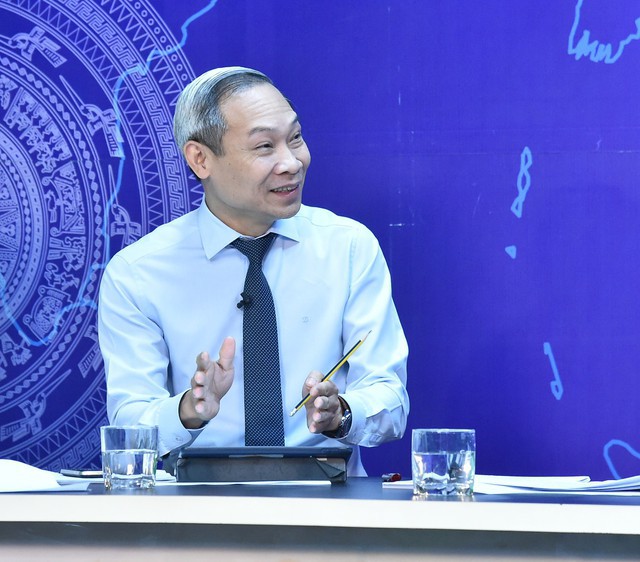
Analyzing from a researcher's perspective, Phan Duc Hieu, Standing Member of the National Assembly's Economic Committee, shared: "Public opinion has concerns about the train speed of 250km/h or 350km/h, whether it's for passenger or freight transport... I believe that the technical plan with a maximum speed of 350 km/h for passenger transport and a load capacity of 22.5 tons, as proposed by the Ministry of Transport, is the optimal and correct approach because it meets the future demands of transport and science and technology, minimizing the need for costly upgrades and adjustments after completion."
As someone with long-standing ties to the railway industry, Mr. Hoang Gia Khanh, General Director of Vietnam Railways Corporation, believes that the high-speed railway, once established, will play a crucial role in synchronizing and connecting the five main modes of transport: road, rail, maritime, air, and inland waterways along the North-South axis. This will not only leverage the strengths of each mode but also optimize the transportation system, reduce logistics costs, and enhance the competitiveness of the economy. When freight transport becomes more flexible, faster, and more cost-effective, it will contribute to socio-economic development.
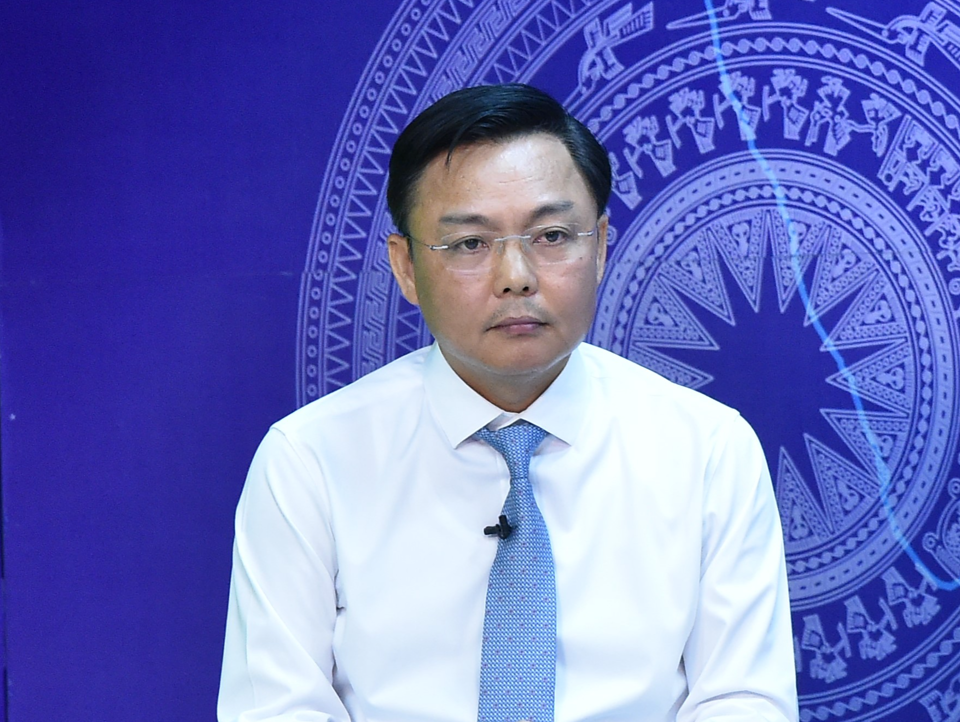
“The first advantage of high-speed rail is its high safety level, like the Shinkansen in Japan, built in 1964 without a single accident, and the same is true in other countries around the world. Secondly, travel time is precisely measured down to the minute. Thirdly, it offers convenience and comfort; passengers have ample space and can move around easily. Furthermore, the stations are located in central areas and densely populated regions, making travel more convenient compared to other modes of transportation. In addition, this railway is electrified, environmentally friendly, and offers significant environmental benefits…” – Mr. Hoang Gia Khanh shared.
Project funding is now available.
Regarding the issue of project resources, Deputy Minister of Finance Bui Van Khang affirmed: Financial preparations for the high-speed railway project are ready to ensure the highest level of financial resources according to the approved roadmap and project implementation schedule, in line with the principles of Resolution 49-NQ/TW of the Politburo and Resolution of the 10th Central Committee Conference.
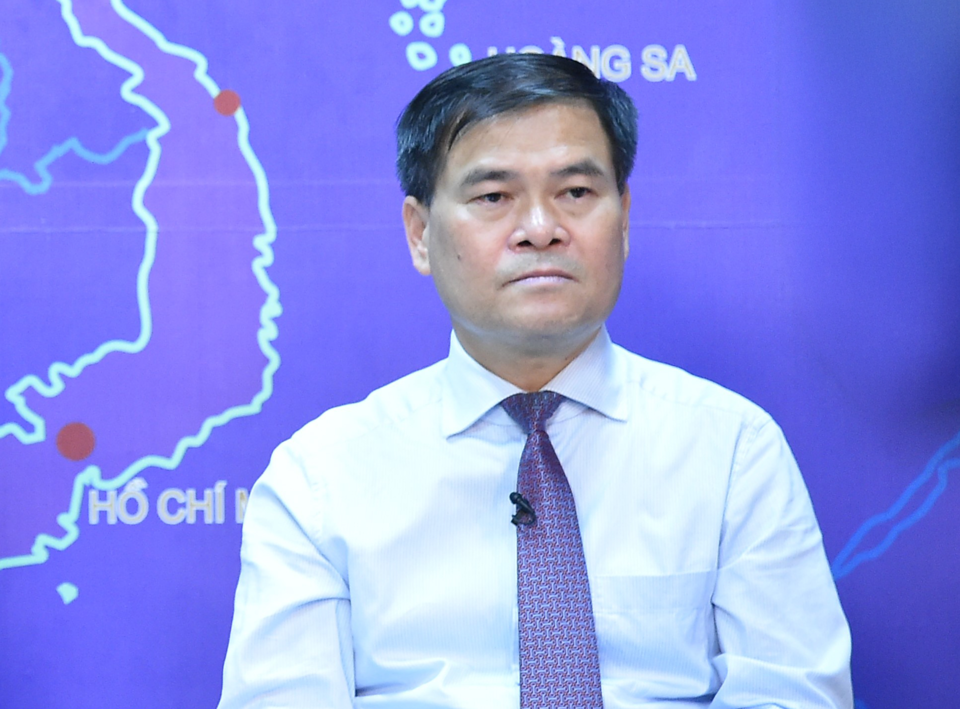
The Ministry of Finance stated that, in the past period, ministries and agencies have coordinated very closely and agreed on three groups of overall management solutions and four groups of methods for mobilizing resources.
The three groups of overall management solutions include: Innovating the growth model, managing socio-economic activities flexibly and effectively to contribute to increasing annual budget revenue with the spirit that each year must be higher than the previous year; Managing fiscal policy flexibly and effectively in the direction of thorough saving and combating waste to focus resources on development investment; Reforming institutions and removing bottlenecks in attracting resources in the financial and investment sectors.
The four groups of resource mobilization methods include: Firstly, developing a five-year national financial plan for three phases up to 2035 based on a proactive and balanced approach to resource allocation, prioritizing spending on development investment, especially national and key projects in the transportation sector, including high-speed rail projects, with a combination of central and local budgets, and the central budget playing the leading role.
Secondly, attract resources and mobilize government bonds with appropriate maturities and interest rates, taking into account market conditions and the progress of project implementation. Thirdly, attract domestic investment resources, including public-private partnerships. Fourthly, mobilize foreign resources with high incentives, reasonable negotiation conditions, and minimal restrictions.
Regarding the opinion that allocating significant resources to high-speed rail construction would negatively impact investment in other sectors, Deputy Minister Bui Van Khang stated: With the overall financial resources based on the budget estimates for all three phases, the Ministry of Finance will proactively develop scenarios based on annual revenue and expenditure results to make thorough, scientific, and highly feasible calculations. This means taking into account strategic priorities in each phase. The investment budget estimates for all three phases will project overall development investment in a coordinated manner with projects in various sectors, ensuring a balanced, comprehensive, and harmonious approach, in accordance with the directives of the Party, the National Assembly, and the government's management.
At the same time, resources will also ensure an overall balance of expenditure tasks for national goals and key programs linked to the country's strategic economic priorities, in accordance with the Party's and National Assembly's policies and directions, and the flexible management of the Government.
Develop specific policy mechanisms based on 5 groups of issues.
Prime Minister Pham Minh Chinh has just requested the Ministry of Transport to review the investment costs of the high-speed railway project, and based on that, propose specific mechanisms, especially regarding resource mobilization and procedures, land policies, site clearance, material quarries, etc. Regarding this issue, Deputy Minister of Transport Nguyen Danh Huy stated: This is a project of exceptionally large scale, with new technology, and this is the first time we are implementing it. Therefore, the Ministry of Transport has proactively developed a system of policies and mechanisms that have been unanimously approved by the Government and submitted to the National Assembly. This includes 19 policies and mechanisms under the authority of the National Assembly and 5 under the authority of the Government, focusing on 5 groups of issues.
Group 1 requires ensuring feasibility and accelerating implementation progress, such as: timely land clearance, selecting good contractors, involving international consultants to mobilize international knowledge and experience, and ensuring successful implementation; Group 2 involves mechanisms and policies to ensure sufficient and flexible resource mobilization; Group 3 involves promoting decentralization and delegation of authority coupled with inspection and supervision; Group 4 involves mechanisms and policies for human resource training; Group 5 involves serving the development of the railway industry.
In particular, during the project development process, the Ministry of Transport consistently introduced policies and mechanisms to ensure domestic enterprises could participate in the project. The Ministry of Transport would impose conditions requiring the main contractor to use domestically produced goods and services, making this a prerequisite for participating contractors. Alternatively, they would propose policies to the National Assembly, assigning tasks to 100% state-owned enterprises, or commissioning domestic enterprises to produce items and goods that can be manufactured domestically.
"In the construction sector, we have basically mastered road construction, from tunnels to complex structures. We are confident that Vietnamese businesses can participate and eventually take control," the Deputy Minister of Transport affirmed.
Agreeing with the policy groups put forward by the Ministry of Transport, Deputy Minister of Planning and Investment Tran Quoc Phuong stated: "We give the highest priority to implementing this project. Issues falling under the jurisdiction of each level of authority should be submitted to that level, with an analysis of the effectiveness of the specific mechanisms involved."
Permanent Member of the National Assembly's Economic Committee, Phan Duc Hieu, also emphasized the necessity of policy mechanisms. "This project cannot succeed, be implemented on schedule, or run smoothly without specific policy mechanisms, but this is difficult because there is no precedent," Mr. Hieu said, and proposed that the Government study to create a more flexible mechanism, granting stronger authority, and promptly addressing emerging issues to ensure the effectiveness of the project's implementation.
Source: https://kinhtedothi.vn/toa-dam-duong-sat-toc-do-cao-thoi-co-va-thach-thuc.html



![[Image] Nearly 125,000 Hanoi students completed the Literature exam for the 10th grade entrance exam.](https://vphoto.vietnam.vn/thumb/1200x675/vietnam/resource/IMAGE/2026/05/30/1780117233041_ndo_br_thiet-ke-chua-co-ten-2-png.webp)



















































































Comment (0)