1. Benefits of coriander and coriander water
- 1. Benefits of coriander and coriander water
- 2. How to prepare coriander water for good health
- 2.1 Coriander decoction
- 2.2 Coriander juice
- 3. Some notes on using coriander water
Coriander has long been known as a medicinal herb with many health benefits. According to Traditional Chinese Medicine, coriander is also called Hu Tuy. It is a herb with a spicy taste, warm nature, and acts on the spleen, lungs, and stomach meridians.
Coriander has diaphoretic, anti-inflammatory, appetite-stimulating, and digestive properties. When used externally, it has analgesic and detoxifying effects. According to traditional Chinese medicine texts, coriander can be used in the treatment of many ailments such as:
- It is used to support the treatment of measles, in combination with other herbs that have the effect of dispersing and promoting the eruption of the measles rash.
- Common cold with mild fever and little or no sweating.
- Digestive disorders caused by food stagnation, bloating, loss of appetite, belching, and vomiting.
- For external use as a soak or steam treatment for certain skin conditions.
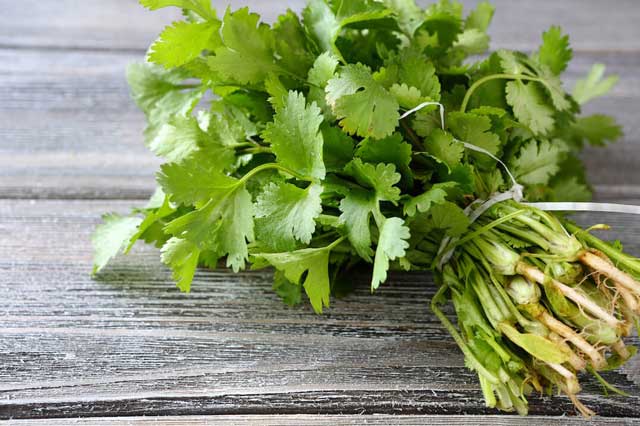
Coriander is both a spice and a medicinal herb with many health benefits.
According to modern scientific studies, coriander contains a high concentration of linalool, the main component responsible for its sweet aroma and antibacterial and anti-inflammatory properties. Additionally, coriander contains α-pinene, γ-terpinene, limonene, geraniol, geranyl acetate, and long-chain aldehydes. These components contribute to its pleasant flavor, digestive benefits, mild sedative effects, and its use in both culinary and traditional medicine.
In addition, coriander contains many essential vitamins such as vitamins A, C, K, B1, B2, B3, B6 and vitamin E, along with many minerals such as potassium, calcium, iron, magnesium, phosphorus, zinc, and copper…
Modern studies have also shown many benefits of coriander, such as:
- It promotes digestion and helps improve appetite.
- Helps lower blood sugar levels.
- Lower bad cholesterol.
- Good for skin and eyes.
- Preventing certain infectious diseases.
- Antioxidant properties, strengthens the immune system.
- Good for cardiovascular health.
- Protect your bones and joints.
- Protect nerve cells.
2. How to prepare coriander water for good health


2.1 Coriander decoction
Ingredients: 50g coriander, 3 slices of fresh ginger, filtered water.
Instructions: Wash the coriander and ginger thoroughly, put them in a pot with 500ml of water; boil until the water is reduced to about 200-250ml, then turn off the heat; strain the liquid, divide it into two portions and drink it warm twice a day.
Effects: Supports digestion, reduces bloating and indigestion, promotes sweating, treats mild colds and flu, and coughs with phlegm.
Note: Coriander decoction should not be boiled for too long or over high heat to avoid losing the essential oils in the leaves. To reduce bloating and indigestion, you can add 5g of tangerine peel (dried tangerine peel) to enhance its effects on promoting qi circulation and stimulating appetite; to aid sweating and relieve colds, you can add 5g of mint leaves and 10g of chrysanthemum to enhance its diaphoretic effects.
2.2 Coriander juice
Ingredients: 50g cilantro; ½ lemon (to taste); apple, pineapple, or cucumber for added flavor; filtered water.
Instructions: Put cilantro and other ingredients (apple, pineapple, cucumber) into a blender and blend for 1-2 minutes; strain the mixture through a sieve or filter cloth; add ½ a lemon and stir well; drink immediately after preparation.
Effects: Supports digestion, stimulates appetite, lowers blood sugar, improves lipid metabolism disorders.



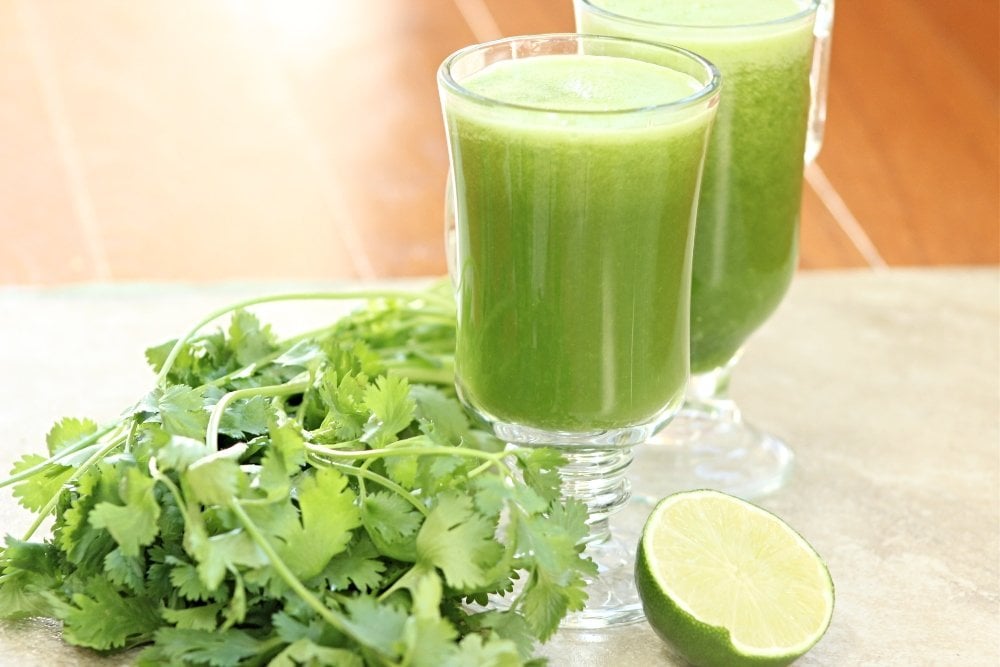
Coriander juice helps with digestion and stimulates the appetite...
3. Some notes on using coriander water
Coriander water has many health benefits, but there are some things to keep in mind when using it:
- It should only be consumed in moderation and not continuously for extended periods.
- Pregnant women, breastfeeding mothers, and young children should not use high doses. In these cases, if using highly concentrated coriander leaf water or coriander essential oil, it is best to consult a doctor before use.
- People with weak digestive systems, prone to diarrhea, or with stomach ulcers should use it sparingly and avoid drinking it in concentrated form.
- Coriander leaf tea may cause a slight drop in blood sugar, so be cautious if you are taking diabetes medication.
- If you experience itching, dizziness, abdominal pain, diarrhea, or difficulty breathing after taking the medicine, stop immediately and contact a doctor for prompt assistance.
Source: https://suckhoedoisong.vn/uong-nuoc-rau-mui-co-tac-dung-gi-169251110100448819.htm





























































































![[Infographic] Pensions, social insurance benefits, and monthly allowances will increase from July 1, 2026.](https://vphoto.vietnam.vn/thumb/402x226/vietnam/resource/IMAGE/2026/06/29/1782695537956_bna_-anh-8888.jpeg)