

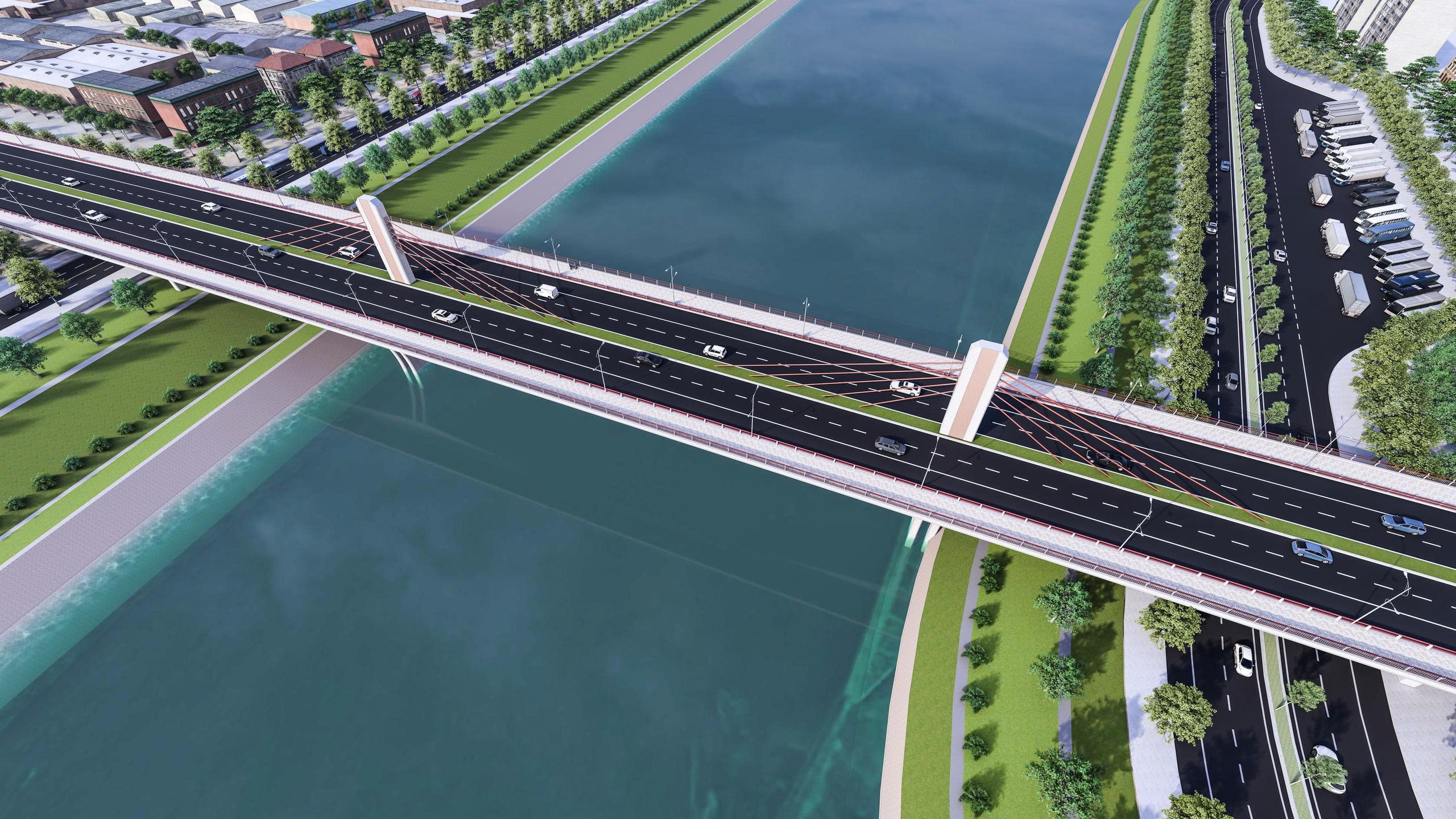
The project commenced in March 2025, starting at Km0+015.61 (project mileage), in Ba Sai area, Ha Kou County, Yunnan Province (China) and ending at Km0+440.71, Ban Vuoc border gate area, Bat Xat commune, Lao Cai province. The total length of the bridge is 330 meters, of which the Chinese side is 165 meters long, including abutment M1 and piers T6 to T7; the Vietnamese side is 165 meters long, including piers T8, T9 and abutment M2. The main bridge over the Red River is a low-tower cable-stayed bridge, consisting of three spans, 230 meters long, with prestressed reinforced concrete girders, constructed using the balanced cantilever method combined with cable stays. The bridge towers are 20 meters high from the bridge deck, and the total width of the bridge is 35.3 meters.
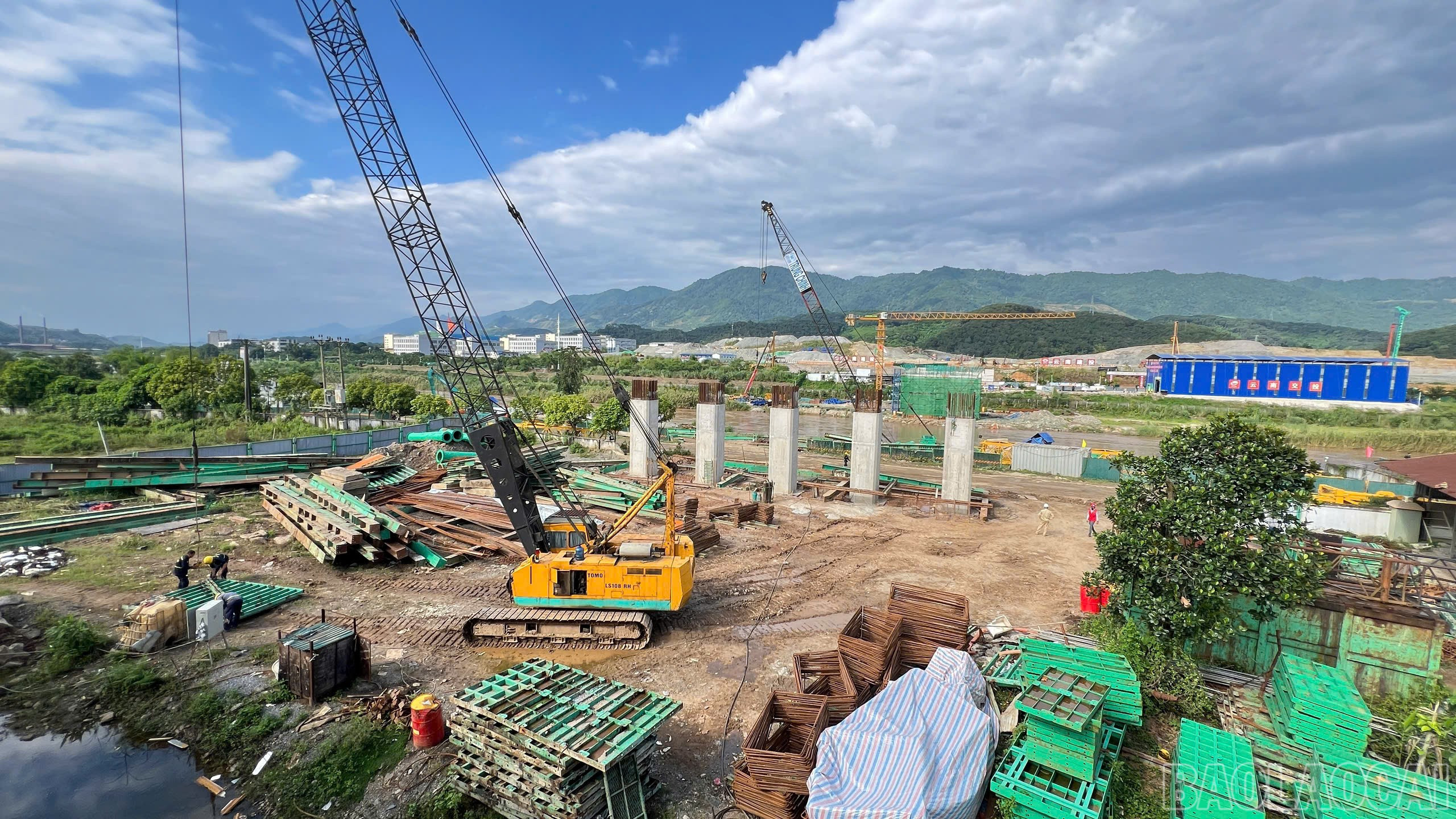
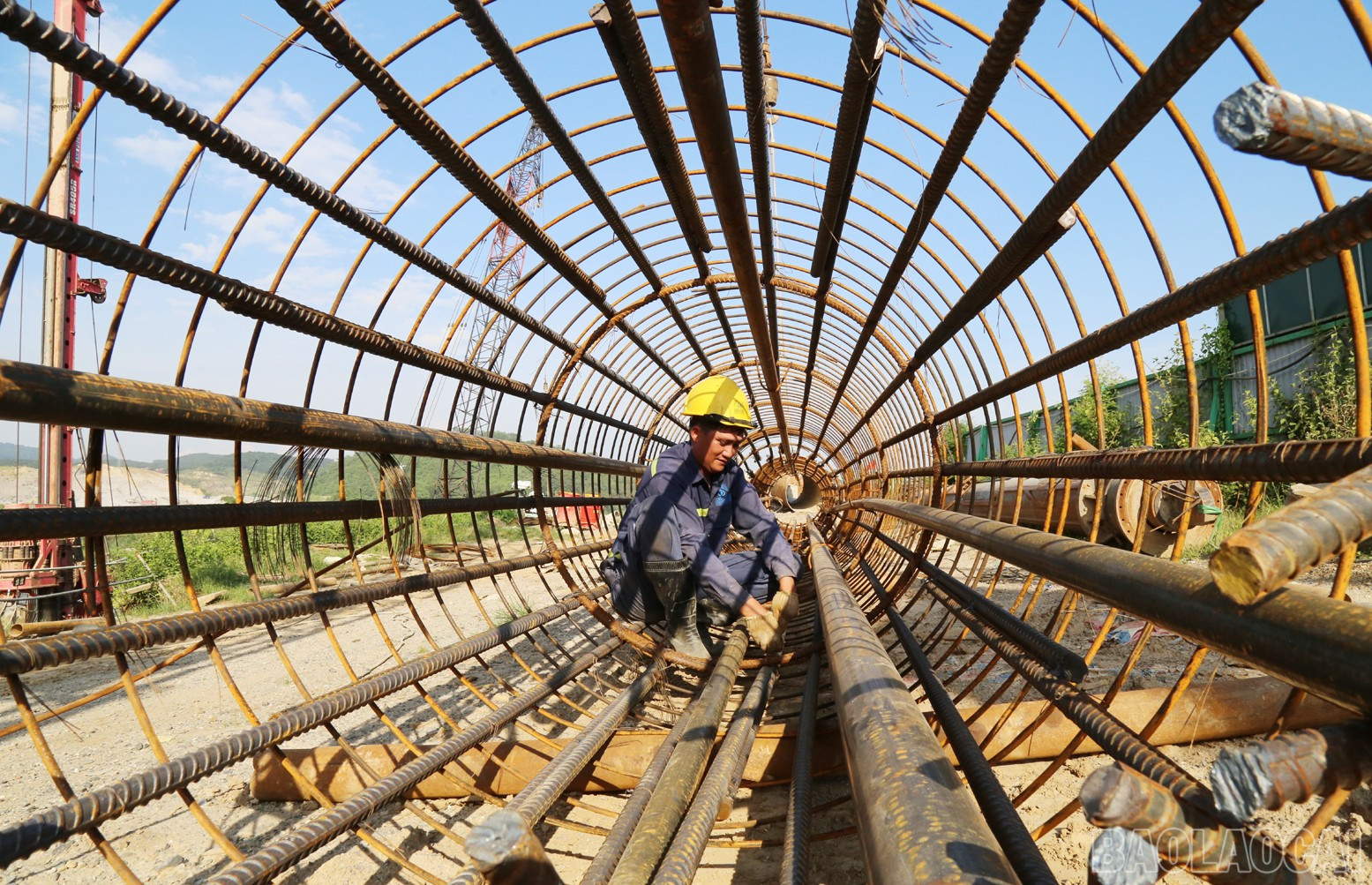
The construction process on the Vietnamese side faced numerous challenges due to complex geological conditions and a bridge pier located in the middle of the Red River. The bored pile system, with a depth of up to 60 meters and a diameter of 2 meters, required advanced techniques and specialized equipment. In addition, the prolonged rainy season caused strong currents, significantly impacting progress and worker safety.
Mr. Do Tuan Cuong, Head of Project Department 2, Lao Cai Provincial Investment and Construction Management Board for Transportation Projects, stated: “The current progress is slower than initially planned due to geological and weather conditions. To overcome this, the Project Management Board has requested the contractor to increase equipment, organize overtime work, and deploy experienced technical staff to closely monitor the site. Once the underwater structure – including the foundation, piles, and pier body – is completed, the construction progress of the above-water structure will be ensured. The goal remains to complete the project by September 2026, as agreed with the Chinese side.”
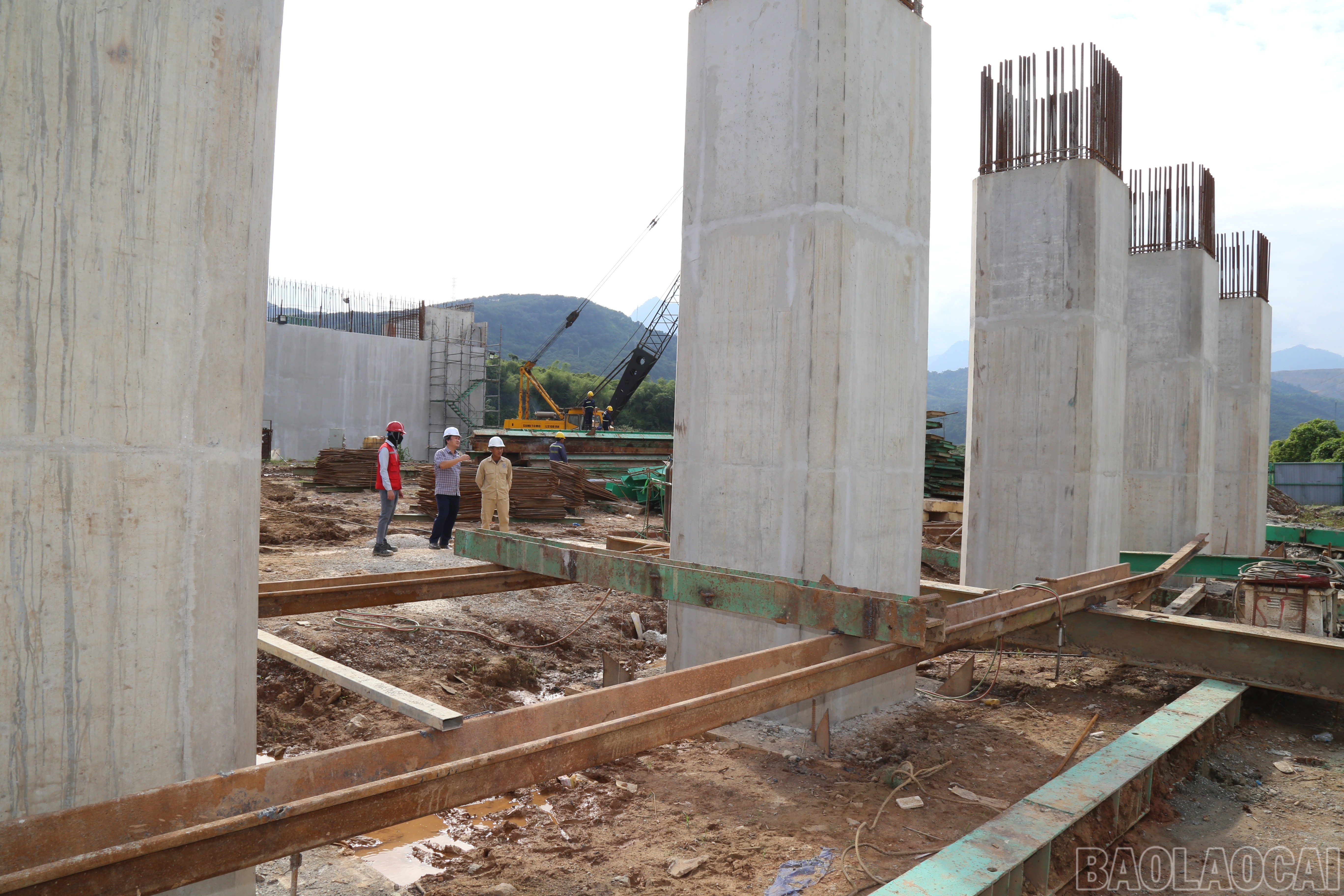
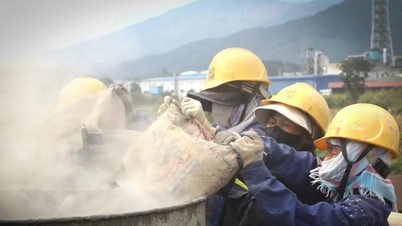
On the construction site, Trung Chinh Construction and Trading Co., Ltd. - the Vietnamese contractor - is mobilizing maximum manpower, equipment, and materials. Currently, there are two main construction fronts: pier T9 on the shore and the pier T8 base in the river. Speaking with reporters, Mr. Ho Xuan Hung, a technical officer of Trung Chinh Construction and Trading Co., Ltd., shared: “To ensure progress, we are working closely with the investor, focusing on accelerating the various components. Workers are working both during lunchtime and at night to ensure the project stays on schedule. In the next phase, we will mobilize additional manpower to ensure the project is completed as planned.”
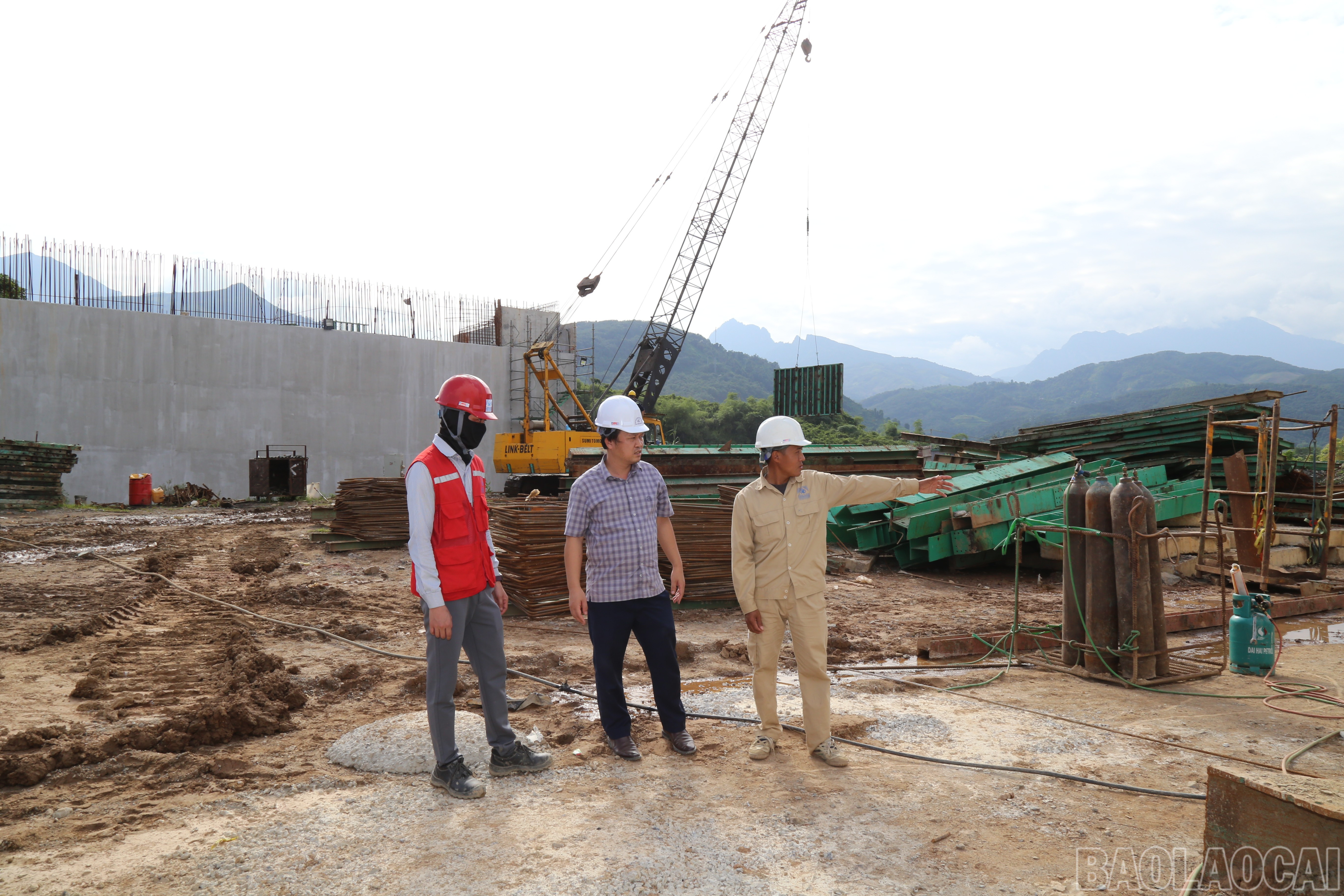
According to the Project Management Board, Vietnam has completed pier M2 and all bored piles for piers T8 and T9, with the project implementation value reaching approximately 17% of the total contract value. The contractor is currently focusing on constructing the piers T8 and T9, striving to complete the entire underwater structure in 2025, creating a favorable foundation for the construction of the superstructure in 2026.
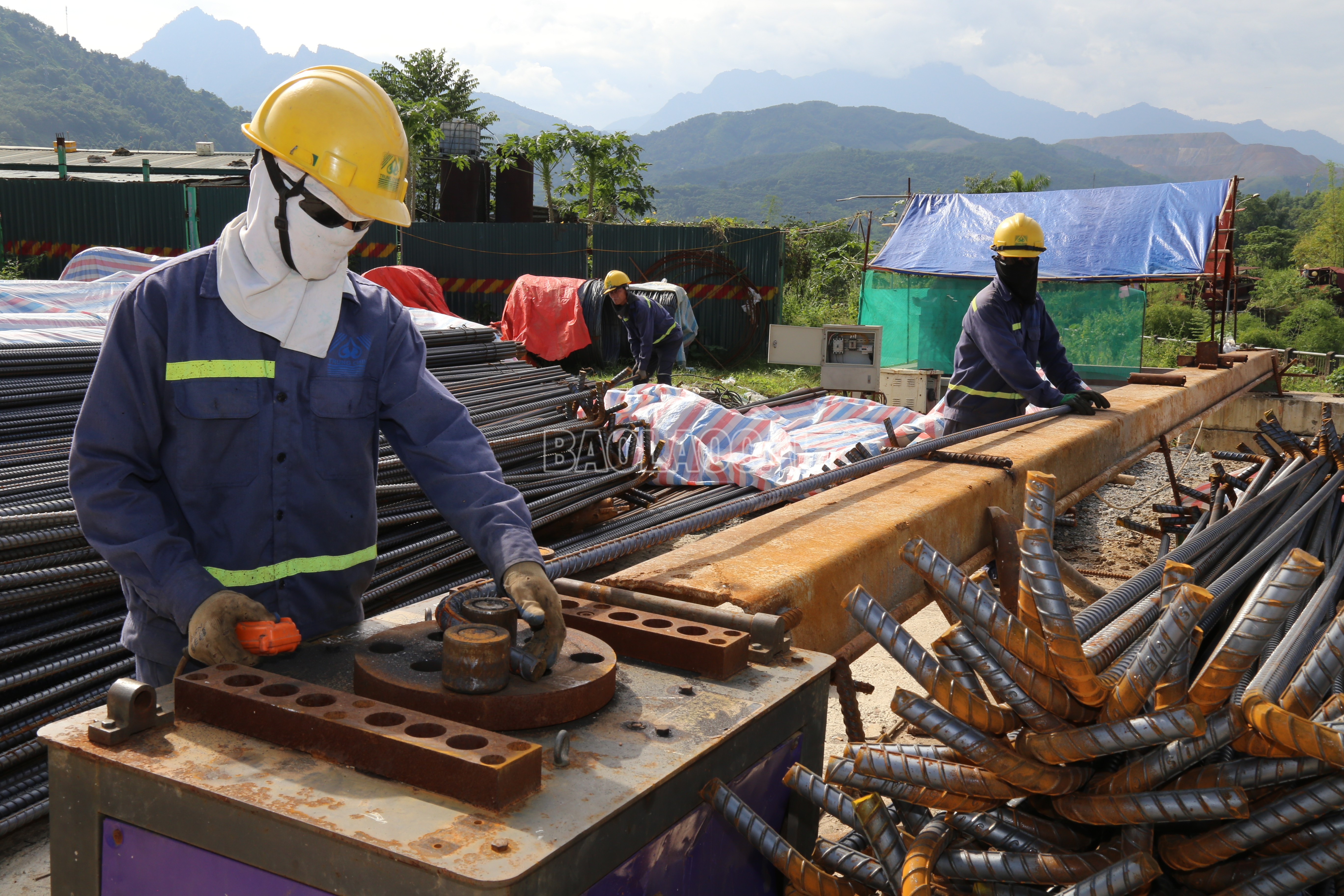
The Project Management Board requires construction units to strictly adhere to technical procedures, ensuring labor safety, environmental hygiene, and fire prevention. The construction area is equipped with signage, lighting systems, and 24/7 safety monitoring. All materials and components are inspected periodically to ensure quality according to technical standards.
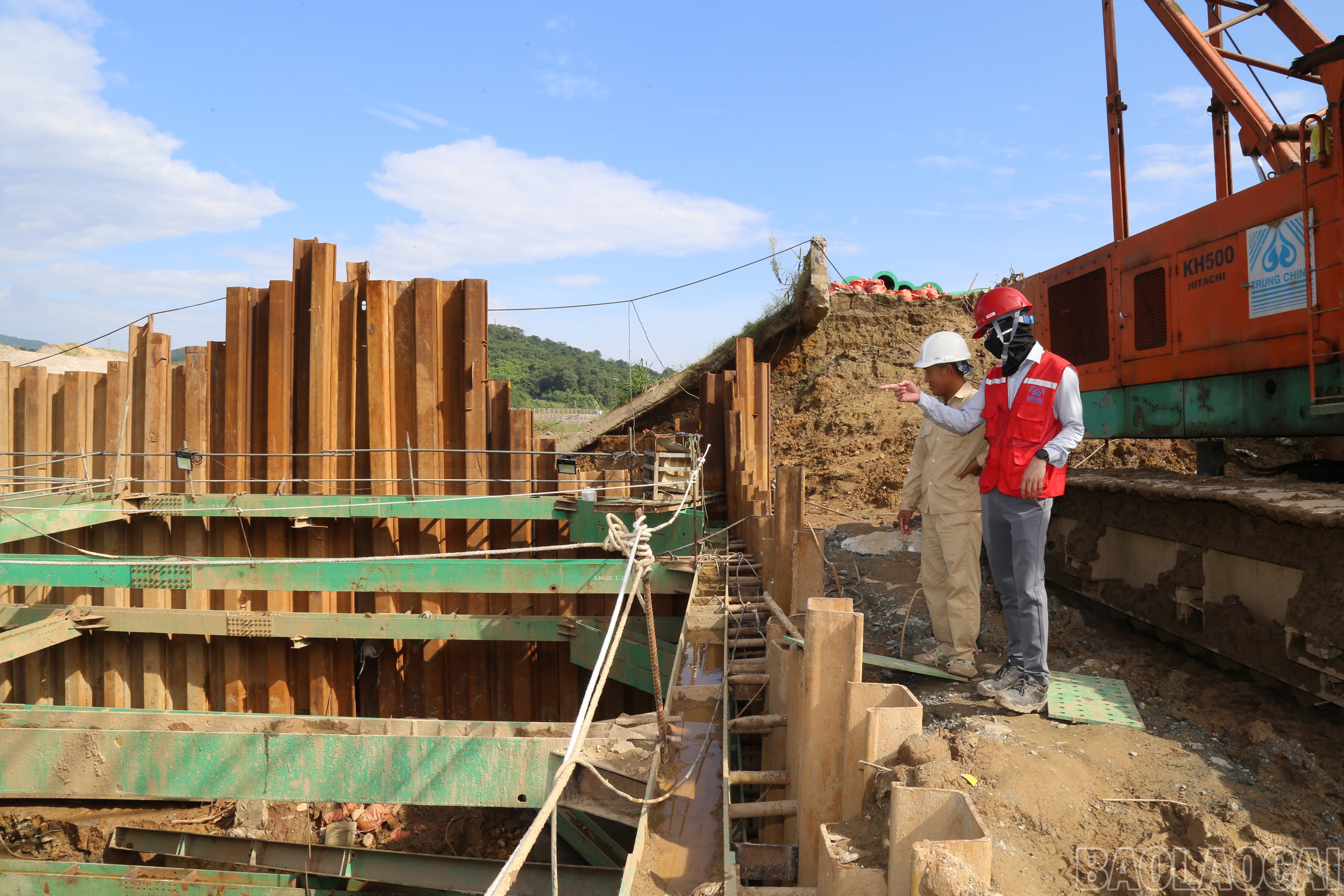
The contractor's representative stated that they will continue to apply advanced construction techniques, ensuring labor safety, project progress, quality, and compliance with the technical requirements of both Vietnam and China.
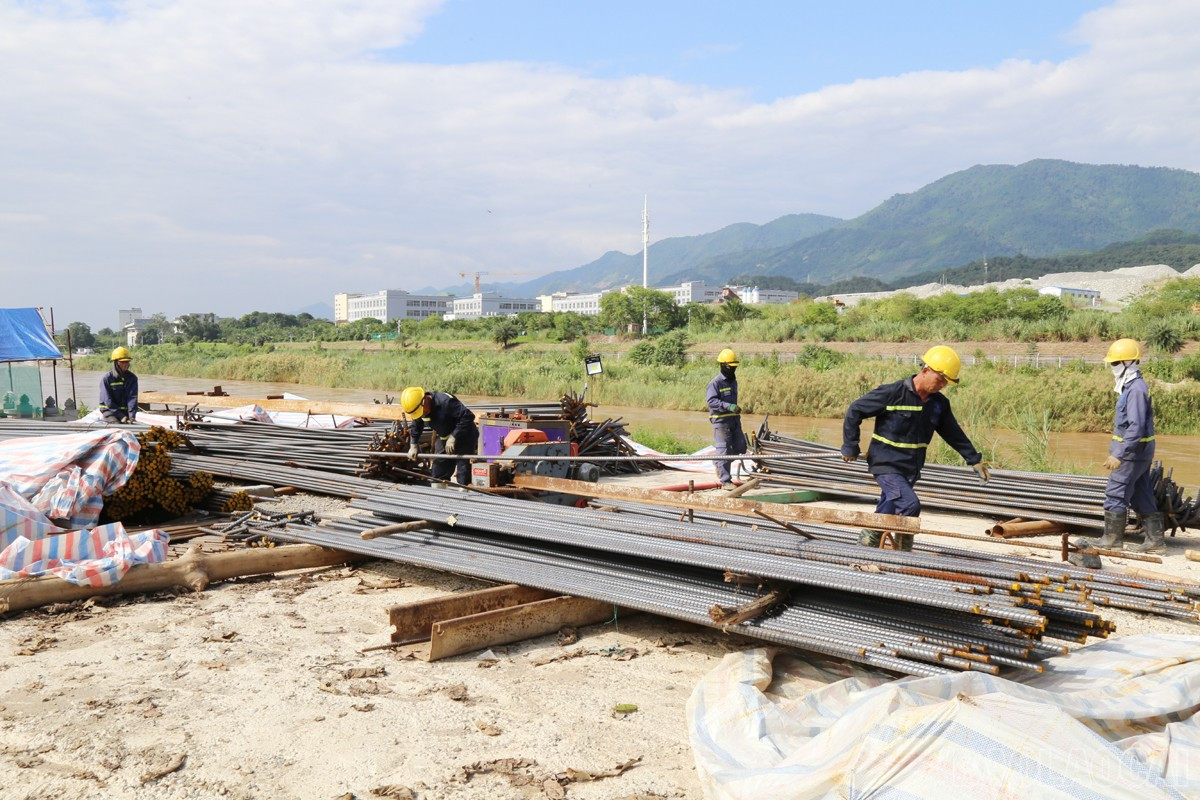
Upon completion, the bridge will connect the Ban Vuoc Border Economic Zone (Vietnam) with the Ba Sai Zone (China), forming a vital transportation artery in the Kunming - Lao Cai - Hanoi - Hai Phong - Quang Ninh economic corridor, opening up new development opportunities for the northern border region.
Source: https://baolaocai.vn/vuot-nang-thang-mua-quyet-tam-ve-dich-dung-hen-post885614.html














![[Video] Sunset at Lap An Lagoon – Where the sun sets over the fishing nets](https://vphoto.vietnam.vn/thumb/340x192/vietnam/resource/IMAGE/2026/05/31/1780192137701_beach-landscape-sea-water-nature-grass-745871-pxhere-com.jpeg)



































































Comment (0)