

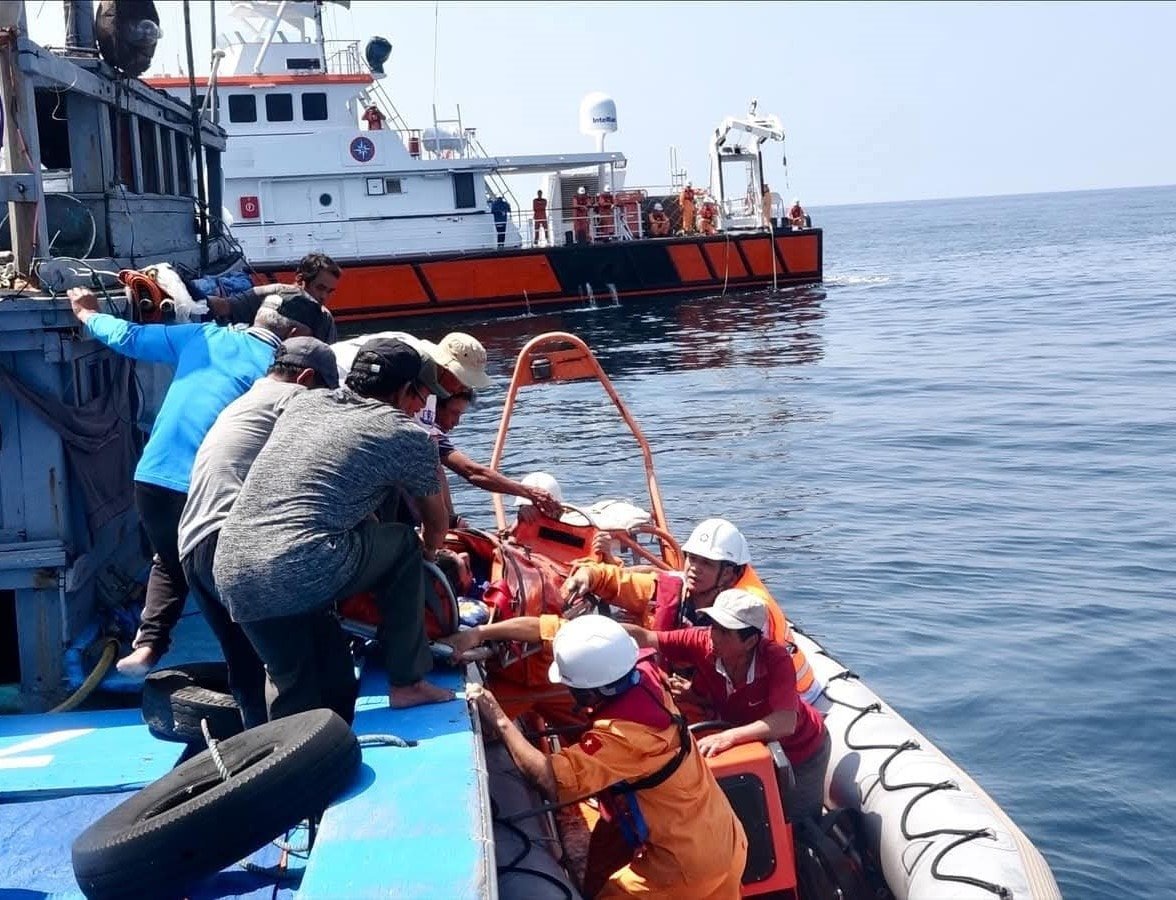
According to Dr. Le Duc Nhan, Director of Da Nang Hospital, the hospital receives more than 6,000 stroke cases annually; the proportion of young people (under 40 years old) is increasing. Besides focusing on applying advanced techniques in emergency care, treatment, care, and rehabilitation for patients, the hospital emphasizes training and transferring techniques to medical centers and health stations to enable early detection and initial first aid for stroke patients...
Dr. Ngo Thi Phuong Thao, Deputy Director in charge of the City Emergency Center, said that in recent years, the unit has effectively implemented pre-hospital emergency care for stroke patients, as well as pre-hospital emergency procedures for severe stroke. When receiving calls from the public, 115 emergency hotline staff focus on identifying symptoms to screen and dispatch ambulances as quickly as possible. Upon reaching stroke patients, emergency personnel will provide initial first aid, stabilize vital functions, and simultaneously connect with the Stroke Department of Da Nang Hospital to implement pre-hospital and in-hospital red alert procedures, helping patients shorten their time outside the hospital and remain within the "golden hour"...
"Currently, the biggest challenge in stroke emergency care is the vastness of the new city, while the emergency network is still limited. Patients from remote areas, when brought to Da Nang Hospital, also have to wait 3-4 hours, thus missing the 'golden hour'."
"Specifically, after the merger, the former Quang Nam area only had three emergency medical stations in Tam Ky, Nui Thanh, and Quang Nam General Hospital. Therefore, building an effective stroke treatment network that suits local realities is an urgent task, contributing to improving the quality of healthcare for the people," Dr. Thao shared.
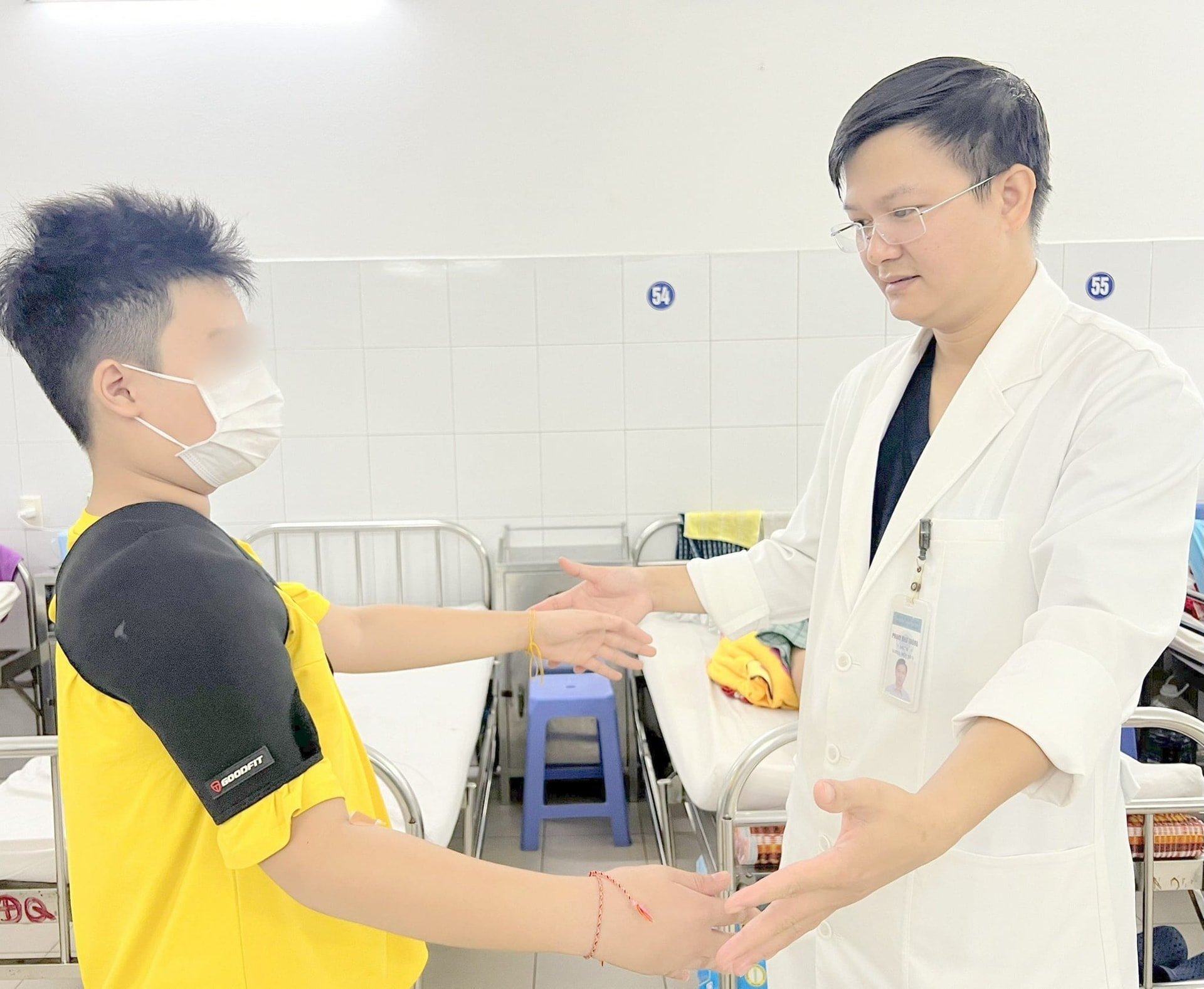
According to Dr. Le Duc Nhan, the stroke treatment network will follow a process of pre-hospital emergency care, in-hospital treatment, and rehabilitation. This will focus on improving stroke awareness in the community, building and perfecting the emergency system, and establishing a mobile stroke unit (MSU). Simultaneously, it will optimize comprehensive stroke treatment hospitals, moving towards building specialized stroke centers to provide professional support; and developing multidisciplinary rehabilitation within the city's healthcare system...
"Instead of having to transfer patients from remote areas to the city center, which is time-consuming and easily leads to missing the 'golden hour,' we will bring knowledge, equipment, and personnel closer to the patients. This will shorten the emergency response time and increase the chances of survival and recovery for patients," Dr. Nhan shared.
According to Dr. Tran Thanh Thuy, Director of the Department of Health, one of the key factors in the success of the stroke treatment network is inter-hospital cooperation. Only when hospitals, medical centers, and the 115 emergency service coordinate, share information, provide professional support, and ensure timely referrals can patients receive optimal treatment at the critical "golden hour."
According to Dr. Nguyen Trong Khoa, Deputy Director of the Department of Medical Examination and Treatment Management ( Ministry of Health ), Da Nang's advantage lies in its implementation of a project to strengthen pre-hospital emergency care, equipped with modern facilities that allow for the fastest access to patients, shortening the time it takes for patients to reach the right treatment facilities within the "golden hour"... If the development of the network and improvement of stroke treatment quality in Da Nang yields good results, the Ministry of Health will consider this a model to be replicated nationwide to meet the needs of the people.
Source: https://baodanang.vn/xay-dung-mang-luoi-va-nang-cao-chat-luong-dieu-tri-dot-quy-3311430.html




![[Photo] General Secretary and President To Lam presides over a meeting on preparations for the review of one year of operation of the three-tiered government system.](https://vphoto.vietnam.vn/thumb/1200x675/vietnam/resource/IMAGE/2026/06/02/1780391821195_a1-bnd-4595-9717-jpg.webp)























































































Comment (0)