

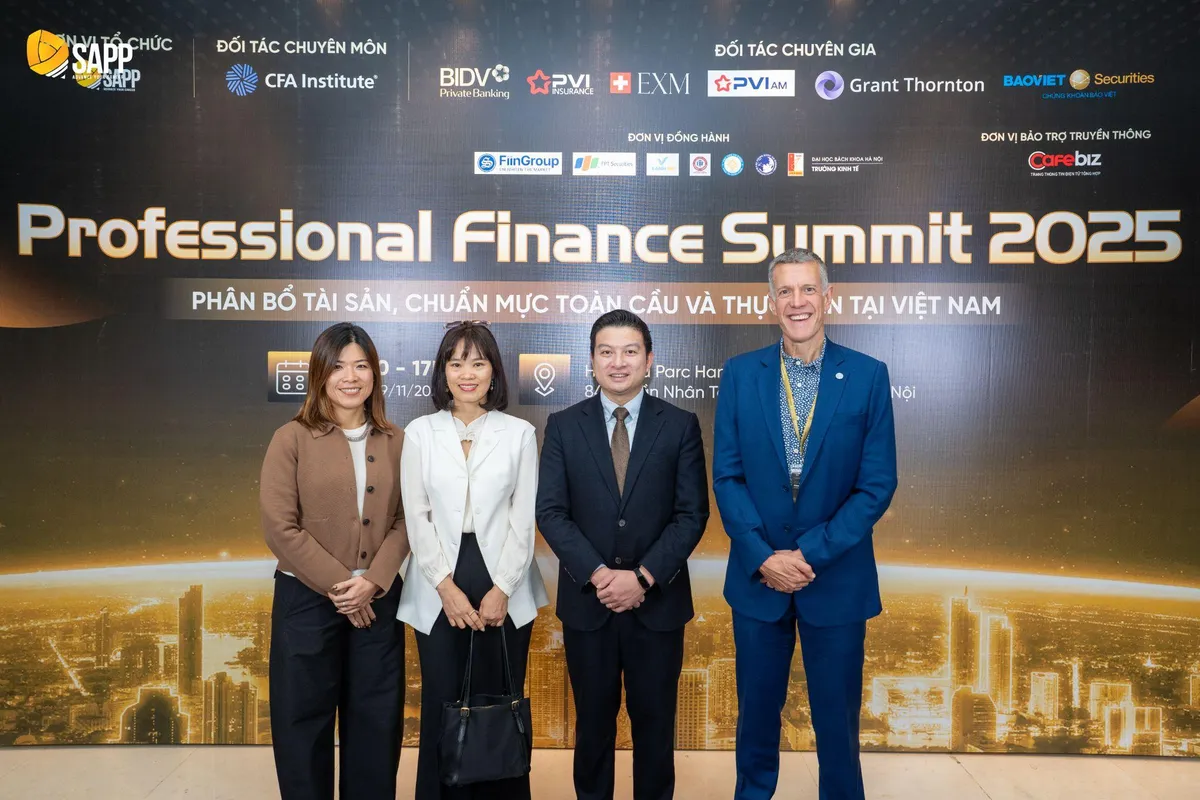
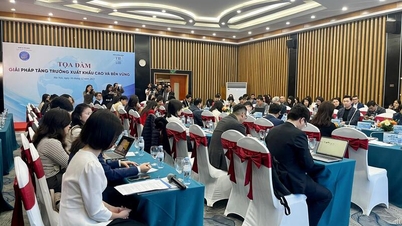
At the Professional Finance Summit 2025, organized by SAPP Education and professionally sponsored by the CFA Institute of the United States, experts analyzed how Vietnam's high net worth (HNWI) accumulates and allocates assets. It is estimated that this group owns approximately $600 billion, but 70-80% of that is in real estate. This unusually high proportion indicates a lack of diversification in the portfolios of Vietnam's wealthy, a characteristic achieved in developed markets. According to speakers, this reflects a preference for tangible assets and highlights the market's lack of professional asset and estate management services.
His assets are worth $600 billion, but they are "contained" primarily in real estate.
Hans Nguyen, Director of EXM Wealth Management, noted that real estate has been a cornerstone of wealth for Vietnam's rich for many years. It serves as both an investment channel and a place to accumulate value, as well as an inherited asset passed down through generations. According to him, most of the cash held by HNWI (High Net Worth Individuals) is only temporary. When market opportunities arise, capital will immediately flow back into real estate.

Mr. Hans also noted that the $600 billion figure announced by McKinsey may not accurately reflect the true scale, as many assets are not fully accounted for. This suggests that the reliance on real estate may be even greater, stemming from strong belief in the stability of real estate and the lack of sufficiently attractive financial instruments to compete with this asset class.
Wealth Management - an emerging market where demand far exceeds supply.
At the conference, experts also analyzed the current state of the Wealth Management (WM) industry. This is considered a market that could generate at least $6 billion in revenue annually if properly developed. However, the Vietnamese market currently fails to meet the increasingly complex needs of wealthy clients.

Hans Nguyen stated that many HNWI clients have to handle important issues themselves, such as long-term investment planning, taxes, legal structuring, education , and asset transfer. Meanwhile, according to international standards, WM requires comprehensive financial management for clients owning $1 million or more in investment assets. This is a much higher standard than the current market capacity. The gap between demand and supply is making the WM industry a potentially lucrative but under-exploited market.
The difference between global trends and Vietnamese asset allocation behavior.
During the discussion, speakers pointed out a clear "mismatch" between Vietnam and developed markets. Ms. Pham Thi Thanh ( BIDV ) introduced the 3L model, comprising Liquidity, Longevity, and Legacy, an asset management framework that helps investors maintain a balance between liquidity, long-term growth, and inheritance. However, the portfolios of Vietnamese HNWIs remain heavily skewed towards real estate. Deep belief in land ownership, coupled with the limitations of financial products, makes it difficult for the portfolios to achieve the balance commonly seen internationally.
From a regional perspective, Richard McGillivray (CFA Institute) noted that prioritizing tangible assets is a common trend in Asia. However, he also pointed out a significant change: the younger generation in Vietnam is finding it increasingly difficult to access real estate and is turning to indirect channels such as REITs. This trend has begun to emerge and will have a major impact on how the new generation accumulates wealth in the future.

Many experts also added other perspectives to complete the market picture. Mr. Luu Van Luong (BVSC) emphasized the role of long-term investment strategies. Mr. Mai Cuong (PVI) believed that bonds still have many development opportunities. Ms. Nguyen Thi Vinh Ha (Grant Thornton Vietnam) noted that private equity still heavily depends on foreign capital. Ms. Nguyen Vu Tam (PVI) stated that the insurance participation rate in Vietnam is only about 22%. This remains a large gap in the asset structure of investors.
The Vietnamese financial market has opportunities for growth but needs a foundation for standardization.
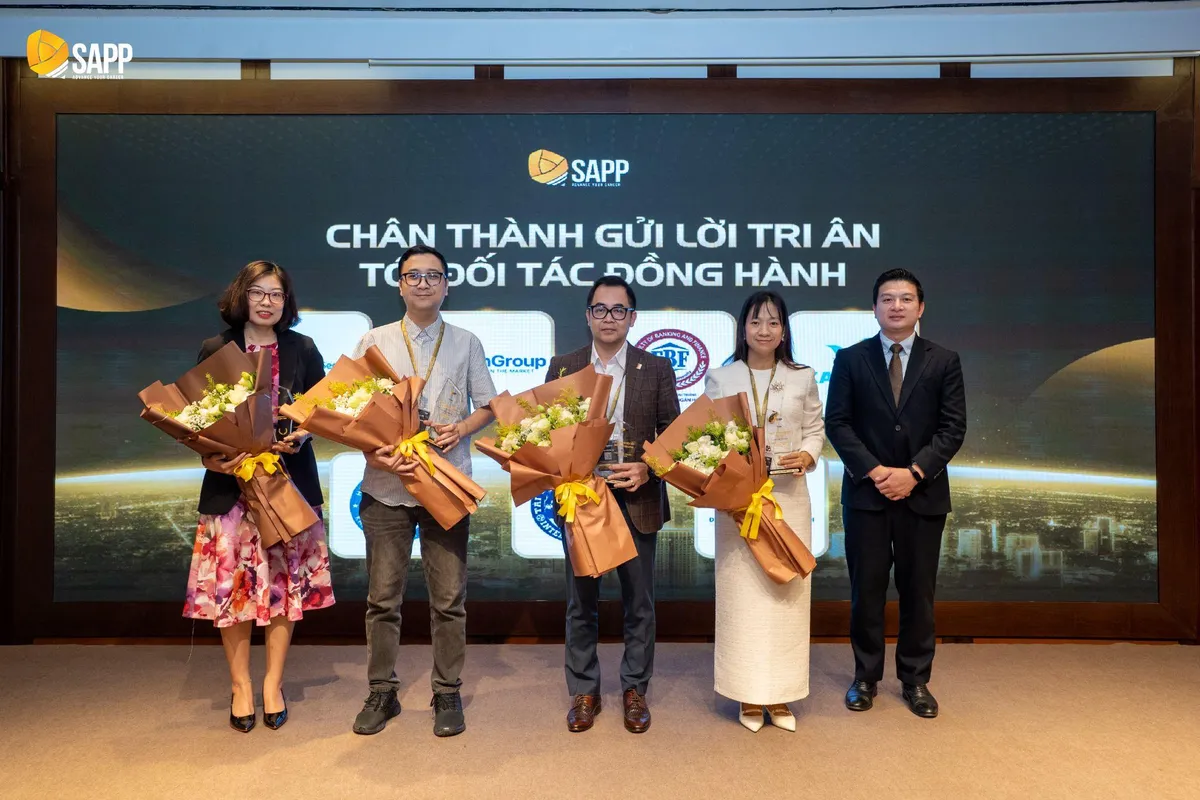
At the conclusion of the conference, experts agreed that Vietnam has significant potential for development in the field of asset and wealth management. However, to achieve the target of $6 billion in annual revenue, the market needs to standardize operations according to international practices, improve licensing mechanisms, train high-quality wealth management professionals, and enhance financial literacy for investors. Building a professional wealth management ecosystem is considered a crucial foundation for strengthening the financial market and supporting Vietnam's sustainable development in the coming years.
Source: https://vtv.vn/600-ty-usd-tai-san-cua-gioi-giau-viet-nam-dang-nam-o-dau-100251214113703464.htm


![[Photo] Two flights successfully landed and took off at Long Thanh Airport.](/_next/image?url=https%3A%2F%2Fvphoto.vietnam.vn%2Fthumb%2F1200x675%2Fvietnam%2Fresource%2FIMAGE%2F2025%2F12%2F15%2F1765808718882_ndo_br_img-8897-resize-5807-jpg.webp&w=3840&q=75)
















































































Comment (0)