

In the world of healthcare, doctors are often remembered for their stressful surgeries and nurses for their tireless night shifts, while pharmacists are rarely mentioned. Yet, from hospitals and disease control centers to individual pharmacies, they remain quietly and persistently present, contributing to the health of the community.
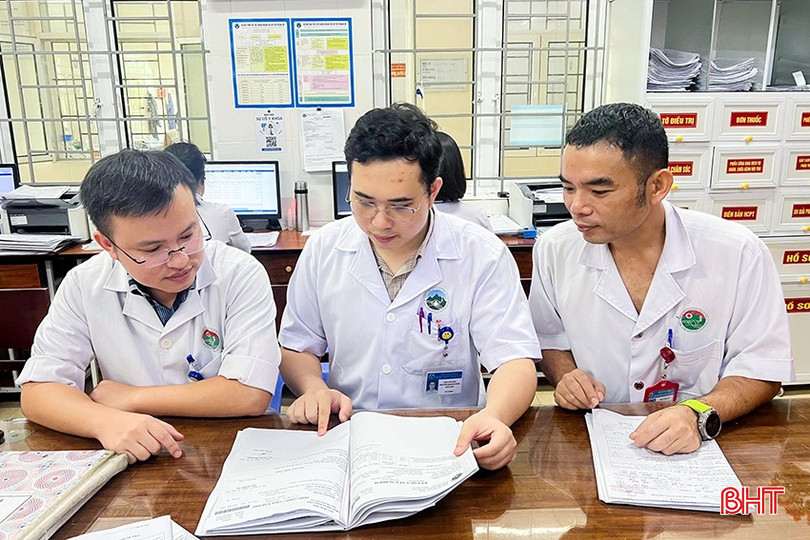
Their work is not noisy or flashy, but it is the "undercurrent" that determines the safety of every pill, every vaccine, and the trust of patients. World Pharmacist Day (September 25th) is celebrated annually to honor the role and immense contributions of pharmacists in the global healthcare system, including ensuring drug safety and improving public health.
According to Circular 22/2011/TT-BYT, the hospital pharmacy department is responsible for managing and advising the hospital director on pharmaceutical matters, ensuring the adequate, timely, and quality supply of medicines, and providing advice and supervision on the safe and rational use of medicines. Its main tasks include: managing drug supply, drug storage, drug compounding, clinical pharmacy, scientific research, training, participating in the management of lower-level healthcare facilities, and controlling drug use within the hospital.
In this context, the clinical pharmacy and drug information department plays a particularly important role in the treatment process. Pharmacists in this department focus on collaborating with doctors to develop and monitor treatment protocols; supervising drug use to detect and prevent adverse effects and drug interactions; managing specialized medications, especially antibiotics; providing information and advice to healthcare professionals and patients; and participating in research and developing treatment guidelines to improve the effectiveness and safety of patient care.
As one of the pharmacists in the Clinical Pharmacy and Drug Information Department – Faculty of Pharmacy – Provincial General Hospital, pharmacist Nguyen Quang Sang (born in 1998) has made many contributions to healthcare over the past period. Particularly during the peak of the COVID-19 pandemic, he also participated in translating documents on various drugs and vaccines, providing authoritative reference sources for his colleagues.
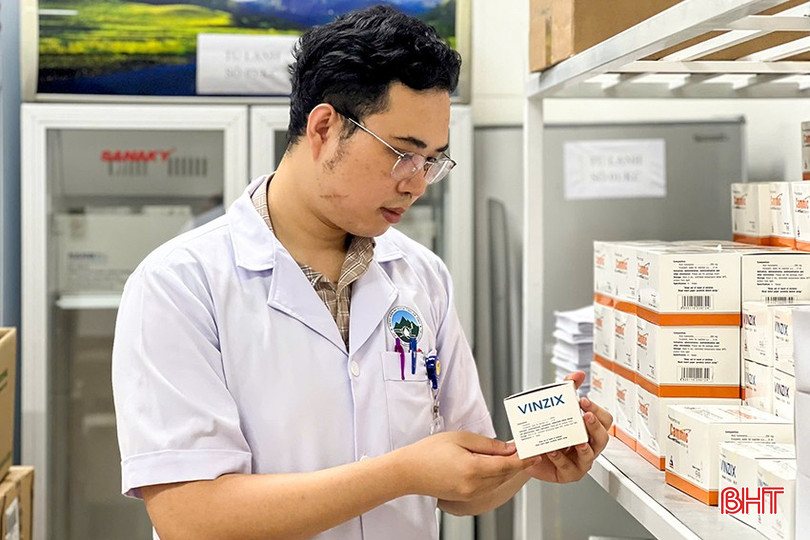
"There are things whose results aren't immediately visible, but without them, patients would be at risk. I feel proud to be entrusted with this important task," shared pharmacist Nguyen Quang Sang.
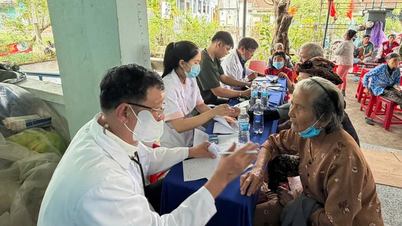
While pharmacists in hospitals contribute to ensuring the safety of individual patients, in the preventive healthcare system, they shoulder responsibility for the entire community. At the Provincial Center for Disease Control (CDC), the Pharmacy and Medical Supplies Department is considered a solid "rear guard." They quietly carry out the tasks of receiving, storing, and supplying vaccines to the entire province; reporting on the situation of biological products, chemicals, drugs, supplies, and equipment to serve the activities of non-communicable disease prevention programs, HIV/AIDS, malnutrition, infectious disease control, etc.; and ensuring the distribution of vaccines to serve the expanded immunization programs throughout the province.
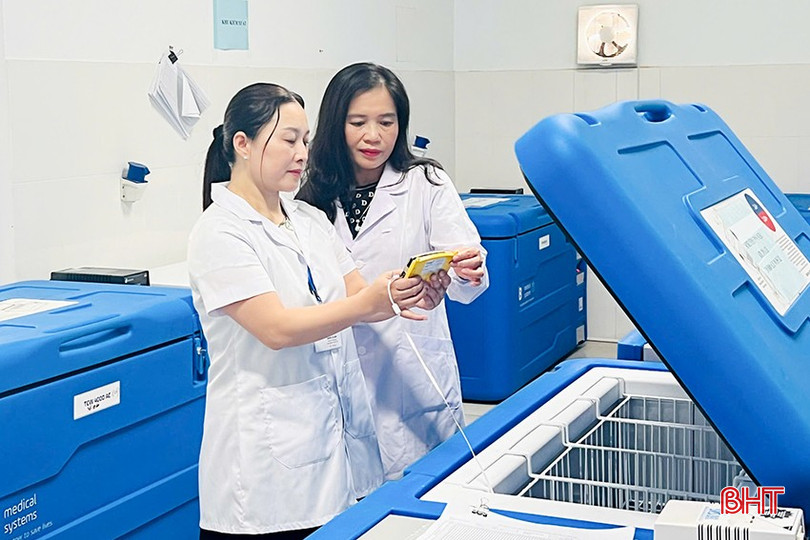
Pharmacist Tran Thi Cam Thach, Head of the Pharmacy and Medical Supplies Department at the Ha Tinh CDC, shared: “Although we don't directly hold stethoscopes or stand in front of operating tables, we play a crucial role in epidemic prevention and community health care. Especially during peak periods of epidemics and natural disasters, regardless of day or night, rain or shine, we are always ready on the front lines to carry out our mission of community health care.”
I am always proud that during the COVID-19 pandemic, and during natural disasters like storms and floods, the pharmacists of the Ha Tinh CDC left their mark on refrigerated trucks that rolled through the night, delivering vaccines and medical supplies promptly to remote districts. There was pressure, there were hardships, but it was a humane mission that we were fortunate to undertake.”
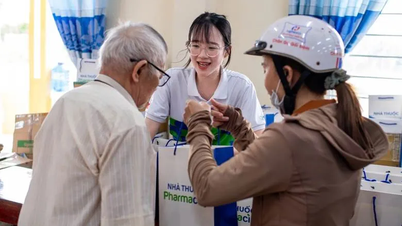
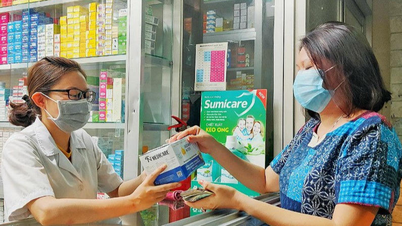
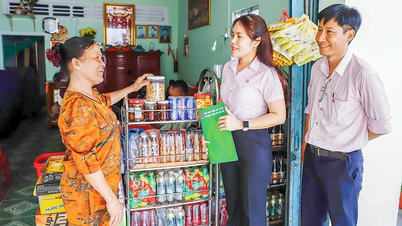
While pharmacists in hospitals and at the CDC are often associated with records, drug inventory, and procedures, at pharmacies, they become familiar friends to the people. Without lab coats during stressful consultations or charts managing vaccines, pharmacists here patiently listen to patients describe their symptoms, gently advise on dosages, and even refuse to sell medications they know might be harmful. These seemingly small pieces of advice help countless people avoid risks and maintain their health.
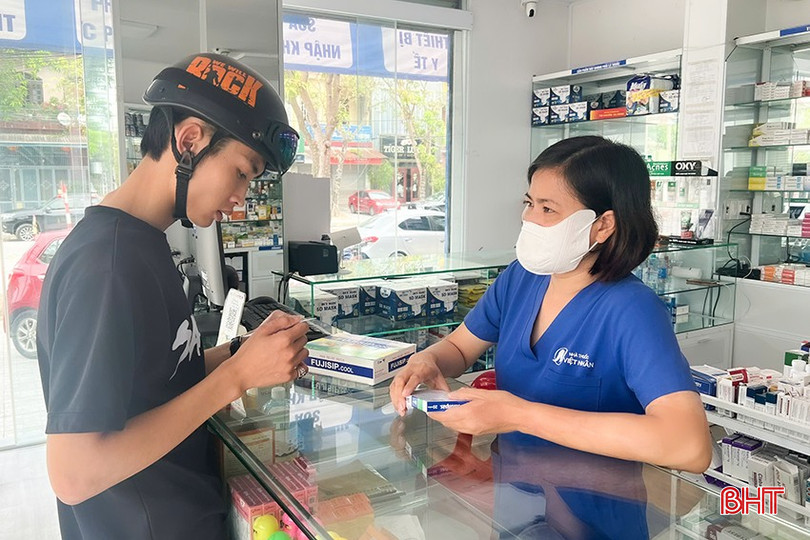
Pharmacist Phan Thi Linh, owner of Viet Nhan Pharmacy in Thanh Sen Ward (Ha Tinh City), shared: “For me, the pharmaceutical business is not just about selling, but first and foremost about ensuring the safety of people's health. Selling medicine isn't necessarily as satisfying as successfully advising people to take the right and sufficient amount.”
Regardless of their work environment, every pharmacist is an indispensable link in the journey of human health care. And perhaps, the quiet dedication is the unique light of the pharmaceutical profession, a light that instills greater faith in medical ethics and hope for life.
Source: https://baohatinh.vn/anh-sang-tham-lang-cua-nganh-y-post296171.html


![[Image] National Assembly discusses the implementation of the socio-economic development plan.](https://vphoto.vietnam.vn/thumb/1200x675/vietnam/resource/IMAGE/2026/04/20/1776696707422_ndo_br_img-20260420-185419-jpg.webp)
![[Photo] General Secretary and President To Lam meets with National Assembly delegates from ethnic minorities.](https://vphoto.vietnam.vn/thumb/1200x675/vietnam/resource/IMAGE/2026/04/20/1776696701056_a1-bnd-8331-3342-jpg.webp)













































































Comment (0)