

 |
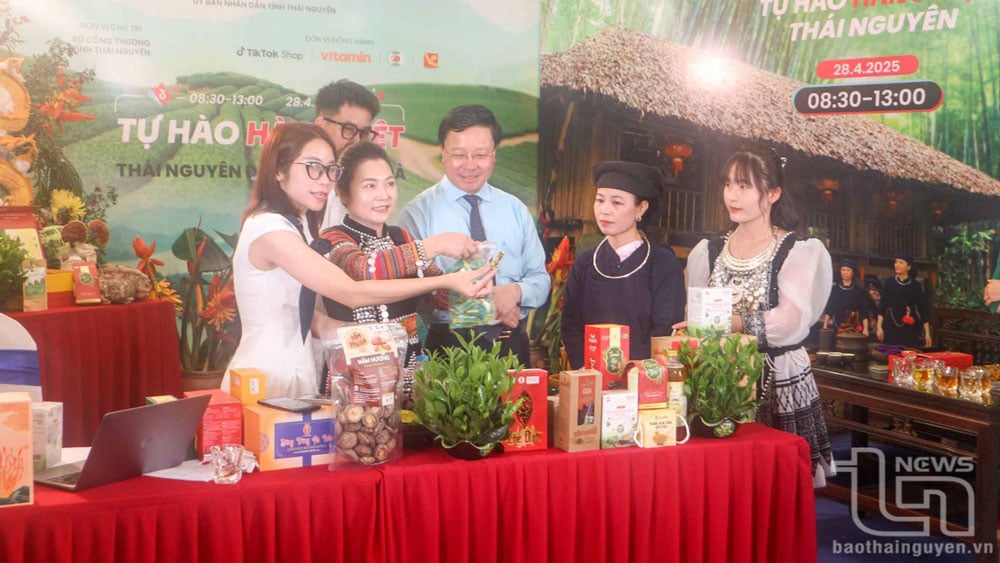
| Along with tea production, processing tea-based products such as green tea candy and cosmetics is also one of the solutions that helps Thai Nguyen tea have export opportunities. |
Always ready to "take off"
The volume and value of direct exports of Thai Nguyen tea have decreased sharply since 2017. In previous years, the average export value reached over 10 million USD, with an average price of 1.65 USD/kg. In 2017, the export value of tea was only 4.2 million USD; in 2023, 1,040 tons were exported, reaching 1.6 million USD; and in 2024, the export value is expected to reach 2.6 million USD, with an average price of 1.6 USD/kg.
Currently, several businesses and cooperatives are strengthening their efforts to access and expand international markets, such as Khe Coc Tea Cooperative, Hao Dat Tea Cooperative, Ha Thai Tea Joint Stock Company, Hung Thai Tea Company Limited, etc.
Ha Thai Tea Joint Stock Company is one of the province's largest tea exporting enterprises. Many years ago, it invested in a black tea processing plant with a capacity of 25 tons per day. Ms. Nguyen Thi Hien, Chairwoman of the Board of Directors of Ha Thai Tea Joint Stock Company, stated: Since 2010, the company has partnered with several cooperatives with certified raw material areas. Currently, it is strictly managing 50 hectares of organically grown tea and 250 hectares of buffer zone undergoing conversion from VietGAP standards to fully organic farming.
Next, the company boldly planted 20 hectares under the Industry 4.0 program, from tea garden to tea table, following the most advanced closed-loop process currently available. Of the 20 hectares under the Industry 4.0 program, we dedicate 5 hectares to matcha tea production, and the remaining area is used for other high-end tea products. - Ms. Nguyen Thi Hien
In 2016, Ha Thai Tea Joint Stock Company was selected by the Trade Promotion Department (Ministry of Industry and Trade) to send its products to participate in the Golden Tea Competition in North America, Canada, organized by the American Tea Association, and won a Silver award. Since then, the company has attracted the attention of many international partners, and the value of its tea has increased 3 to 5 times compared to before. The company has received visits from many partners from the US, France, Japan, Germany, South Korea, Taiwan, Sri Lanka, and tea research institutes from several countries to observe its tea production model.
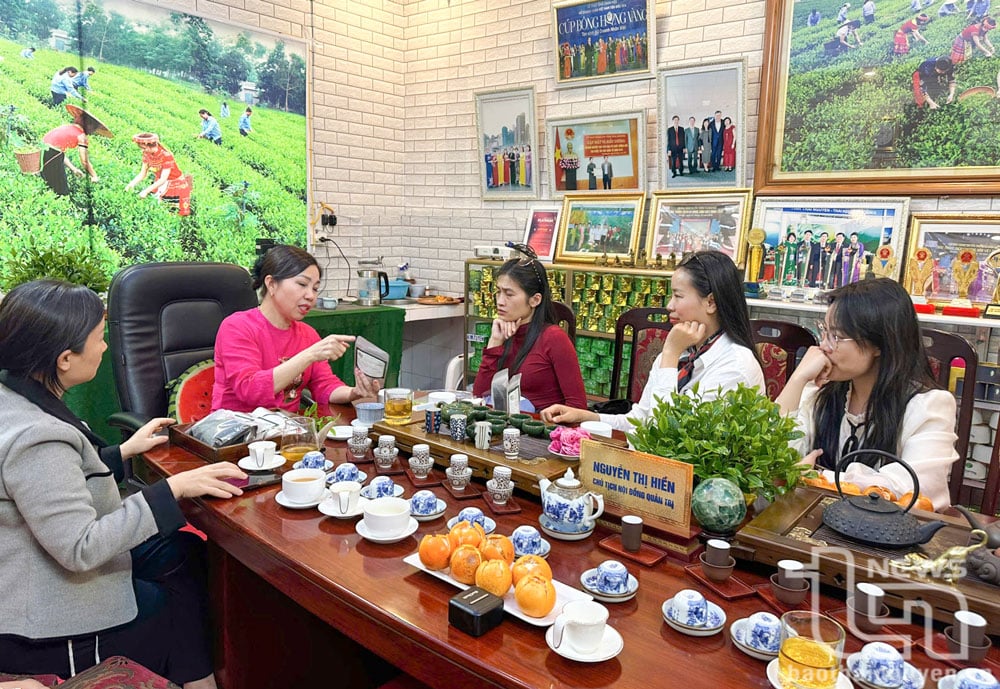 |
| Ha Thai Tea Joint Stock Company is one of the leading enterprises in improving the quality of tea products and bringing Thai Nguyen tea to the world . |
Ms. Hien confidently stated: "No matter how high-quality the tea products in the world are, we can produce them just as well." However, Ms. Hien also admitted that, having operated in the tea export sector since 2001, the company's annual revenue comes from exports, with only 20% going to the domestic market. Yet, in the past few years, the company's export activities have almost come to a standstill. Although revenue exceeds 20 billion VND per year, we have barely exported any tea abroad.
She argued that exported tea products have very low value, only ranging from $1.50 to $2.50 in less demanding markets, while the domestic market is a potential and advantageous market for Thai Nguyen tea products, both in terms of selling price and market share. Therefore, Thai Nguyen tea products are less affected by the global tea market. At the same time, with many product samples sent to demanding countries and all of them responding that the products did not meet the standards, this is truly a difficult problem for businesses.
To fly far, you need to be well-prepared.
In reality, for many years, tea products have mainly been exported as raw materials, then processed into various types and packaging, labeled with the brand of the importing country, and then resold to many other countries. Pakistan is the largest export market, with low quality requirements and low prices. Finished tea products from Thai Nguyen are mainly exported through informal channels in insignificant quantities, with customers typically being Vietnamese people living abroad.
The low volume and value of tea exports from Thai Nguyen are attributed to the fact that tea production remains primarily on a household scale, with fragmented raw material areas and small-scale production models, leading to difficulties in managing tea quality. The small scale of businesses and cooperatives, coupled with the lack of large enterprises acting as intermediaries to connect production and processing, would create a large volume of consistent products in terms of quality and design, meeting the standards and legal regulations of importing countries for tea export, especially for expanding exports to demanding markets such as Russia, Japan , the United States, and the United Kingdom. These are the largest tea-consuming countries in the group of developed nations.
According to Mr. To Van Khiem, Chairman of the Board of Directors of Khe Coc Safe Tea Cooperative, for tea products to enter the European market, the cooperative must produce tea that meets the very strict standards of its partners, from the safe tea growing area, factory, machinery, packaging, and tea quality. However, although Thai Nguyen has a large tea growing area, the production scale is small-scale, lacking the linkages to create a raw material area. At least 300-500 hectares of organic tea plantations are needed to even consider exporting, but currently, even if all the tea in the province were collected, it wouldn't fill a single container, so no businesses dare accept orders from partners.
Furthermore, the domestic tea market consistently offers prices many times higher than export prices, creating a sense of complacency in tea production and business. Within the province, only a few enterprises and cooperatives are actively expanding into international markets, exporting through consignment, in small quantities and not regularly.
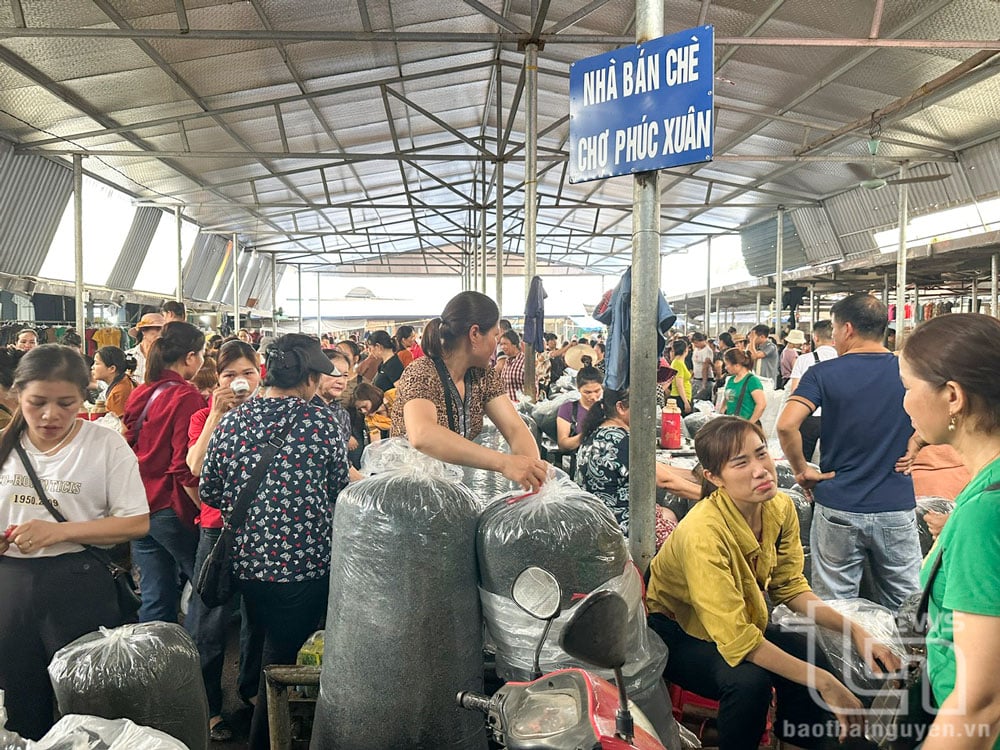 |
| Because the domestic selling price of tea is higher than the export price, many households are not enthusiastic about exporting Thai Nguyen tea products abroad. |
With the aim of developing tea not only as a key crop but also as a national brand, Thai Nguyen aims to reach a tea industry value of 1 billion USD in the 2025-2030 period, making Thai Nguyen tea a strategic item in Vietnam's agricultural exports. Meanwhile, food safety and hygiene requirements are becoming increasingly stringent. Therefore, building cooperative models and production linkages between households is extremely necessary.
To ensure the sustainable development of tea cultivation, the province needs to review and comprehensively plan tea planting and processing along the value chain, from technical infrastructure to supporting activities, services, and trade, combined with ecotourism in tea-growing areas, meeting the requirements for safe production and processing, and moving towards organic production.
Mr. Duong Son Ha, Deputy Director of the Department of Agriculture and Environment, stated: "In the context of a developing market economy , domestic and international competition is becoming increasingly fierce, and the demands for quality tea products are rising. Finding a foothold for Thai Nguyen tea in the international market has always been a concern for managers and businesses involved in tea production and trading in the area."
The tea industry in Thai Nguyen has been developing sustainably, applying production standards based on international certifications. To further improve the quality and value of tea products, diversify products, meet domestic consumer demand, and especially meet export requirements, Thai Nguyen is stepping up efforts to promote and develop raw material areas that ensure safety and quality, meeting both domestic and international standards. - Mr. Duong Son Ha
Thai Nguyen is currently one of the pioneering localities in the northern midland and mountainous region in applying digital transformation to promote and sell agricultural products. The province has focused on building brands and promoting the consumption of Thai Nguyen tea products through organizing Tea Festivals, trade fairs, agricultural product festivals, OCOP programs, craft villages linked to tourism - Thai Nguyen, the "Promoting the Colors of Agricultural Products in the 4.0 Era - Thai Nguyen" program, and other programs to promote and connect the consumption of local products... Implementing digital technology in connecting, promoting, and selling the province's tea products.
Currently, the province has 38 enterprises, 163 cooperatives, and 251 traditional craft villages, with over 91,000 households processing green tea and high-quality green tea. Along with production, from now until 2030, the province aims to develop cooperatives not only as models for organizing production, but also as leading forces in implementing sustainable agricultural development programs, building advanced new rural areas, the OCOP model, and developing a green economy. This will focus on developing new tea products with high added value, deep processing, and high-grade refined products used in the food and non-food, pharmaceutical, or cosmetic industries… for official export to the EU, the US, Japan, South Korea, Russia, and Middle Eastern countries…
Currently, the Intellectual Property Office has granted protection documents for the province's tea products, including: 1 geographical indication for Tan Cuong; 10 collective trademarks; and 2 certification marks. The collective trademark "Thai Nguyen Tea" has been protected in 6 countries and territories. The geographical indication "Tan Cuong" has been recognized and protected in the European Union (EU) through the Vietnam-EU Free Trade Agreement (EVFTA). |
(See article dated June 18)
Source: https://baothainguyen.vn/kinh-te/202506/che-thai-nguyen-chinh-phuc-thi-truong-the-gioi-ky-3-tang-cuong-xuat-khau-de-phat-trien-ben-vung-ea32d42/
























Comment (0)