Water bills are burdened with multiple taxes and fees.
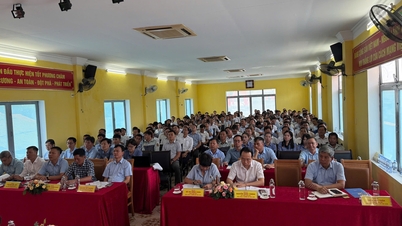
At a workshop on the Value Added Tax (VAT) amendments held on the afternoon of April 16th by the Ho Chi Minh City National Assembly Delegation, lawyer Truong Thi Hoa (Ho Chi Minh City Bar Association) proposed amending Article 9, which states that "clean water for production and daily life, excluding bottled and packaged drinking water and soft drinks, is subject to a 5% tax rate." According to Ms. Hoa, clean water for daily life should be subject to a 0% tax rate because it is an essential need of the people, falls under the category of social welfare that should be prioritized, and is especially important in accordance with the 2013 Constitution, which states, "Citizens have the right to social security."
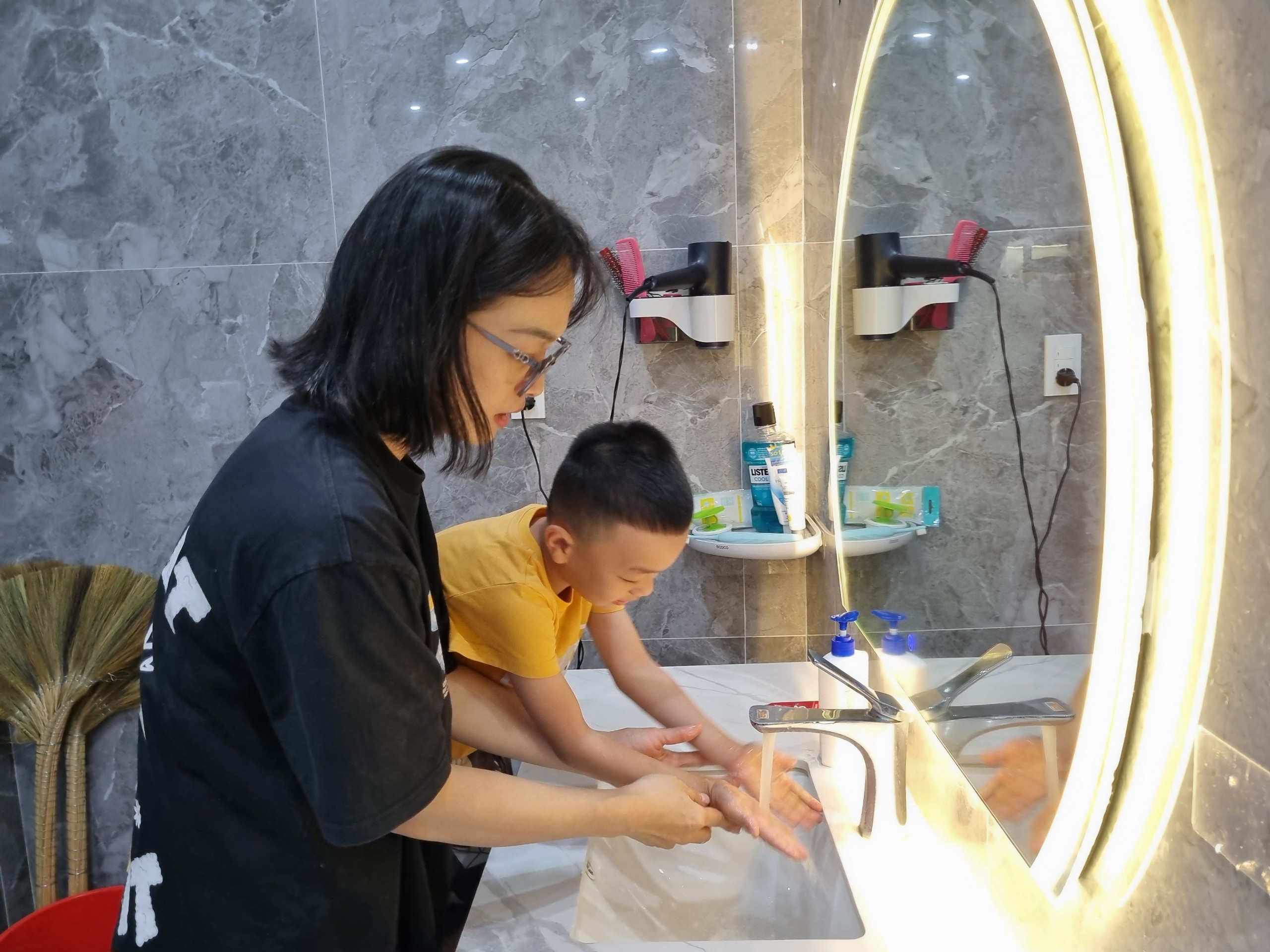
Many argue that clean drinking water should be removed from the list of taxable resources to meet the essential needs of the people.
Sharing the same view, Lieutenant Colonel Nguyen Minh Tam (Ho Chi Minh City Police) believes that clean drinking water should be removed from the list of taxable items to meet the essential needs of the people, especially those in rural, remote, and mountainous areas who are still facing difficulties in accessing clean drinking water.
This is not the first time the proposal to abolish taxes on clean water has been raised by delegates. In October 2023, voters in Lang Son and Hai Duong provinces also complained that it was unreasonable for people in rural areas to have to pay additional VAT on electricity and water. They also requested that the competent authorities consider and study policies to exempt these taxes for people living in rural areas. However, the Ministry of Finance rejected this proposal, citing the VAT law, which falls under the authority of the National Assembly and is based on goods and services, without distinction based on the purpose, target users, or geographical areas of consumption. Importantly, the VAT law does not contain provisions for tax exemptions or reductions.
Disagreeing with the Ministry of Finance's explanation, Dr. Huynh Thanh Dien (Nguyen Tat Thanh University) argued that while tax collection is certainly within regulations, when voters, representing the voice of the people, propose amendments to the regulations, the relevant authorities have a responsibility to review the regulations to see if they are appropriate, identify any shortcomings, and then study amendments.
Mr. Dien analyzed that water, electricity, and gasoline are essential goods, with electricity and water being "the most essential of all" in people's daily lives. He argued that having to bear too many costs would overwhelm people, especially in the current difficult economic climate. In reality, household water bills are increasing because clean water is now subject to numerous additional fees, and these fees tend to increase year after year.
Dr. Huynh Thanh Dien (Nguyen Tat Thanh University)
For example, according to current regulations, the water supply unit will proactively review the implementation of the clean water pricing plan and the projected clean water prices for the following year every year. If fluctuations in clean water production and business costs cause the clean water price to increase or decrease in the following year, the water supply unit will prepare a clean water pricing plan and submit it to the Department of Finance for appraisal before presenting it to the Provincial People's Committee for consideration and decision on adjustment.
From January 1st this year, Saigon Water Supply Corporation (SAWACO) has been collecting wastewater treatment and drainage service fees for Ho Chi Minh City at a rate of 25% of the clean water supply price for 2024. This rate was 20% in 2023. This service fee was previously known as the environmental protection fee. According to the roadmap approved by the People's Committee of Ho Chi Minh City, the wastewater treatment and drainage service fee in Ho Chi Minh City will be 15% of the clean water price in 2022, increasing to 20% in 2023, 25% in 2024, and 30% by 2025.
To put it into perspective, currently, if a household uses 100,000 VND worth of clean water per month, they have to pay 5% VAT, equivalent to 5,000 VND; 25% of the wastewater drainage and treatment service fee, equivalent to 25,000 VND; and according to the new regulations in Resolution 110/2023/QH15, this means that VAT will be added to this service fee at a rate of 8% for the first six months of 2024 and increase to 10% for the last six months. Notably, clean water for production and daily life is not eligible for the 2% VAT reduction under Government Decree 44/2023 (this tax reduction only applies to items subject to a 10% tax rate).
"It is utterly illogical for an essential item, used in people's daily lives, to be burdened with so many taxes and fees, and not even prioritized in stimulus programs," assessed Dr. Huynh Thanh Dien.


Are we just targeting essential goods for taxation?
According to economist Bui Trinh, electricity and water are areas that ensure social welfare for the people and should not be taxed. Furthermore, water not only serves the daily needs of consumers but is also an essential commodity for all production and business sectors. Therefore, reducing taxes would not only help ensure social welfare for the people but also create opportunities for goods and products to decrease in price on the market. In the current difficult economic climate, the more the price of any product can be reduced, the better.
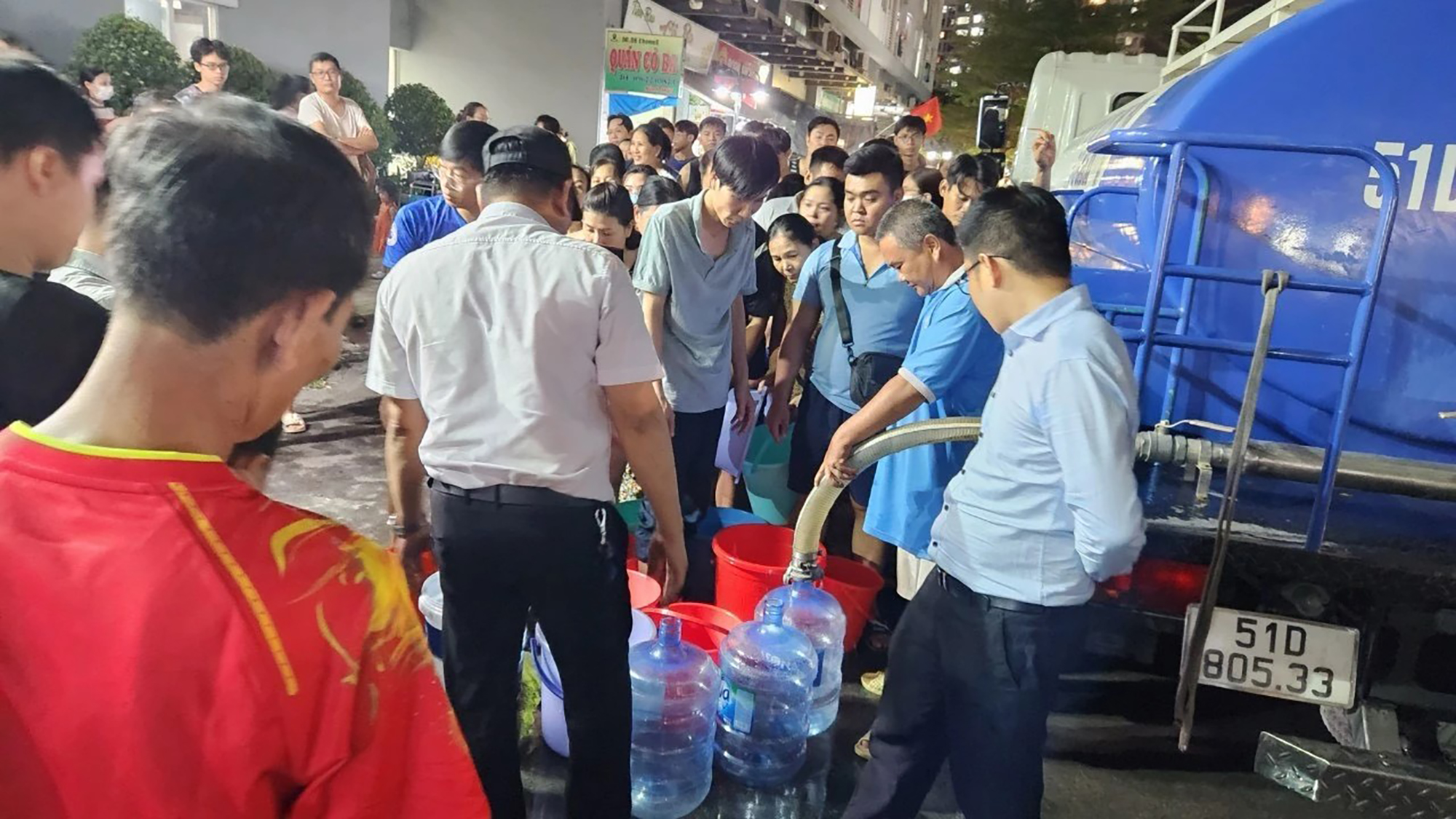
SAWACO delivered water tankers to residents of Ehome S apartment complex (Thu Duc City, Ho Chi Minh City) in early April 2024.
From the story of VAT taxation on clean water, Mr. Bui Trinh cited many essential goods currently subject to unreasonable taxes and fees. A prime example is gasoline and diesel fuel. This is an essential commodity for the entire society; from businesses to individuals, everyone uses it. In essence, applying excise tax to essential goods is incorrect. Furthermore, the pricing of gasoline and diesel in Vietnam is extremely complicated. The Ministries of Industry and Trade and Finance have debated back and forth without reaching a conclusion, forcing people to pay high prices for their daily fuel. Not to mention that the Dung Quat and Nghi Son refineries, which have been announced to meet 70-75% of the country's gasoline and diesel needs, are still being priced based on import prices plus various taxes. Or, the gasoline and diesel distribution system also has many problems, from import sources to retail outlets, causing market disruptions and supply shortages at times…
"Why can't the excise tax on gasoline be abolished? The Ministry of Finance's explanation so far has been unconvincing. People need a clearer explanation as to why, even though the domestic supply meets 70-75% of demand, they still have to buy gasoline at a higher price than the world market? The price of a product reaching the consumer is largely determined by taxes. If the excise tax on gasoline and the VAT on electricity and water were abolished, businesses would operate better, people would spend more, and in the future, revenue would increase, offsetting the loss of tax revenue," Mr. Bui Trinh questioned, suggesting that the government should expand tax and fee support policies to more goods, especially those under state management (such as electricity, water, and gasoline) to encourage businesses to boost production and increase consumption.
Lawyer Truong Thanh Duc, Director of ANVI Law Firm, also emphasized the view that it is impossible to restrict the use of products considered essential in people's lives and the circulation of goods for businesses. According to him, the basis for imposing excise tax on gasoline to limit environmental pollution is fundamentally incorrect and inaccurate. This is because Vietnam currently lacks alternative fuel sources due to the underdeveloped state of renewable energy.
"It's unclear why gasoline and diesel are considered non-essential goods and yet are subject to excise tax. This tax should only be levied on luxury goods or items whose consumption is discouraged, such as beer and wine... Furthermore, considering the goal of revenue collection for the state budget, this tax is currently inappropriate, as the two domestic refineries already supply over 70% of the demand. Therefore, the regulatory authorities must review and revise the excise tax policy on gasoline, as well as other taxes and fees on essential goods, as soon as possible," said lawyer Truong Thanh Duc.
If increasing spending is too difficult, revenue must be reduced for the economy to recover.
While tax issues remain unresolved, the public has also witnessed a wave of price increases for many goods. Electricity prices officially increased by 4.5% in November 2023; this was followed by a simultaneous increase in road usage fees on most highways nationwide right around the New Year's holiday; and then the imposition of price caps on airline tickets…
According to data from the General Statistics Office, the consumer price index (CPI) in the first quarter of 2024 increased by 3.77% compared to the same period in 2023. Besides the primary reason of high domestic rice prices, the increase in the price index for household water (up 10.58%) was also due to increased water demand; some provinces and centrally-governed cities also increased water prices as decided by their People's Committees. Furthermore, the price index for household electricity increased by 9.38% due to increased electricity demand and the adjustment of the average retail electricity price by the Vietnam Electricity Group (EVN). The General Statistics Office also forecasts that EVN may continue to increase electricity prices as input materials such as gasoline, oil, and coal remain high, contributing to an increase in the CPI in the remainder of the year.
Looking at the overall market, Dr. Huynh Thanh Dien assessed: The Vietnamese economy has not yet escaped its difficulties and is only in the preparation phase for recovery. This is the time when the government needs to implement many policies to regain growth momentum, typically through fiscal and monetary expansion, leaving money for people to increase spending, and providing capital for businesses to expand their operations. The "soul" of the fiscal expansion policy is to increase public spending, reduce revenue, and cut input costs to support businesses in reducing product costs and increasing competitiveness. When businesses restore production and business activities, it means creating more jobs, people have more income to spend, thereby helping the market become more vibrant and the economy recover. When the economy stabilizes, it is possible to increase revenue to compensate for the budget deficit.
On the other hand, taxes are a tool for the government to regulate the market with the ultimate goal of collecting from the rich and redistributing to the poor through investment programs in transportation infrastructure development, which have a welfare purpose. If essential goods like electricity, water, gasoline, and rice are heavily taxed, the regulatory goal will be largely ineffective and, conversely, could negatively impact economic recovery and development.
"In each stage, tax and fee policies need to be adjusted appropriately, not rigidly. When people's incomes decrease and businesses face difficulties, it is necessary to consider exempting or reducing various taxes and fees to support people and support input costs for businesses. In the past two years, the Government set a goal of expanding fiscal policy, accepting budget deficits to boost public investment and stimulate the economy, but the data shows the opposite result. Every year, the budget is in surplus, but expenditures have not reached 90% of the planned target. Some localities have not even exceeded 60%. If spending is so difficult, then revenue must be reduced, leaving money for people to do business and produce. Expanding fiscal policy requires more practical actions that directly impact the interests of people and businesses," suggested Dr. Huynh Thanh Dien.


Is there a tax exemption for clean water based on region?
To ensure the proper implementation of the tax regulation tool and to fully guarantee the rights and obligations of citizens, Dr. Phan Thi Viet Thu (Ho Chi Minh City Bar Association) suggests that the state should consider exempting VAT on clean water on a regional basis. For example, in urban areas and large cities where people have ample access to clean water, the tax should still be applied to limit waste. Conversely, in rural areas and remote regions with limited access to clean water, the tax should be waived to ensure social welfare for all citizens. This ensures the principle of collecting taxes into the state budget and allocating them to public services.
The Value Added Tax Law was passed on June 3, 2008, and came into effect on January 1, 2009. After 15 years of implementation, some provisions of the law have revealed shortcomings and limitations. According to the 2024 Law and Ordinance Drafting Program, the draft Value Added Tax Law (amended) will be submitted to the 15th National Assembly at its 7th session (May 2024).
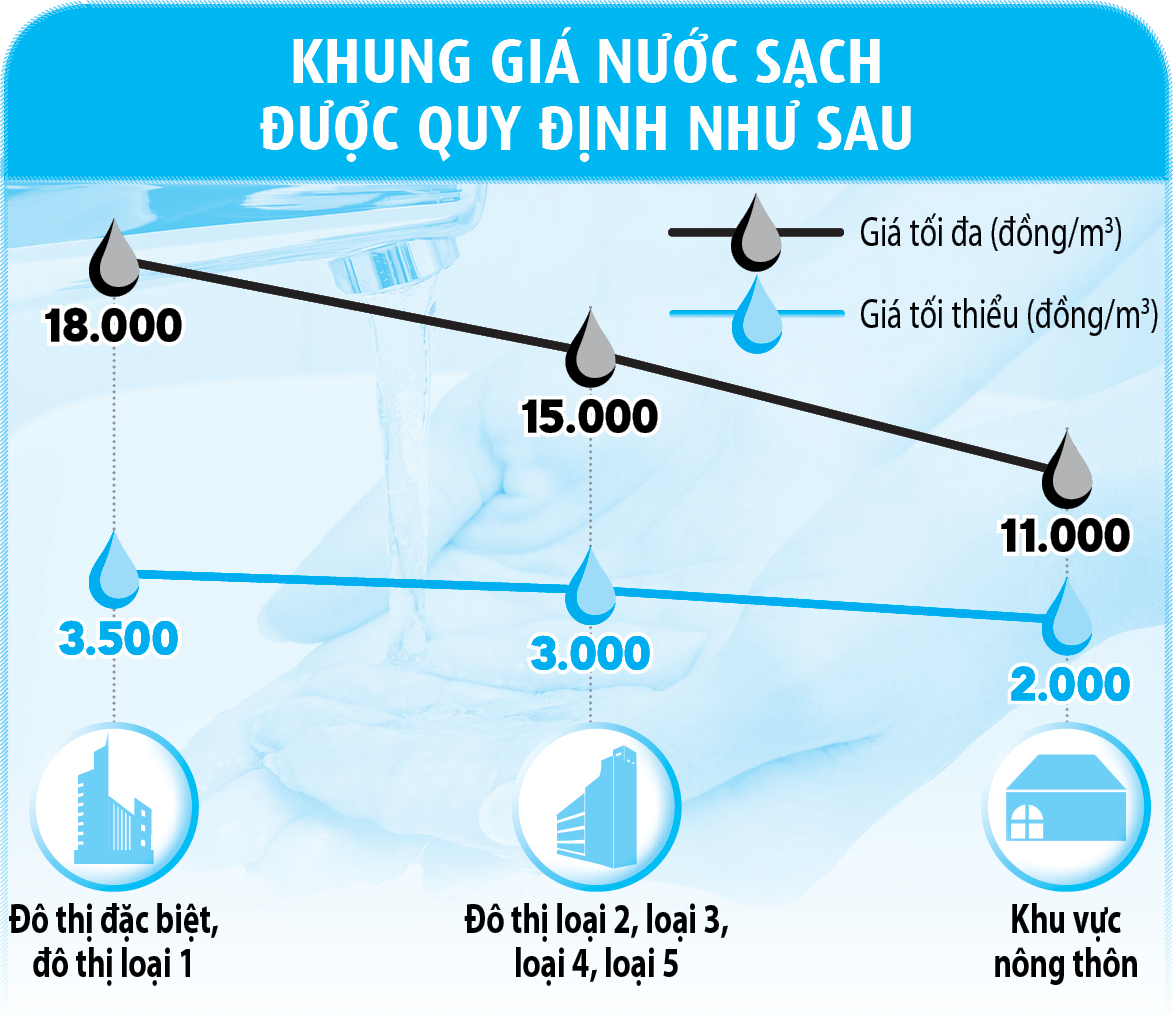
The price range for clean water is regulated.
GRAPHICS: BAO NGUYEN
Source link

![[Image] Ho Chi Minh City: Ma Lang area, Chicken-Rice Market about to change its appearance](https://vphoto.vietnam.vn/thumb/1200x675/vietnam/resource/IMAGE/2026/06/25/1782377698627_ndo_br_m1-jpg.webp)
![[Photo] General Secretary and President To Lam receives Palestinian Ambassador Saadi Salama](https://vphoto.vietnam.vn/thumb/1200x675/vietnam/resource/IMAGE/2026/06/25/1782365384740_a1-bnd-9423-8322-jpg.webp)


![[Image] Schools organize meetings and introduce teaching models to students admitted to grade 10.](https://vphoto.vietnam.vn/thumb/1200x675/vietnam/resource/IMAGE/2026/06/25/1782368077271_ndo_br_z7970052192242-1ec8daeb77a6eed1a4e9f58c564ddd3e-jpg.webp)