

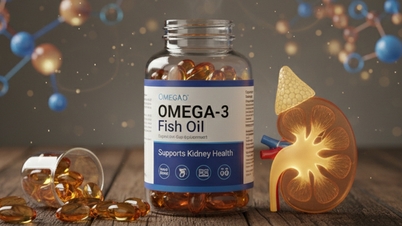
Omega-3s come in three main types: ALA, EPA, and DHA. Omega-3s are a type of fatty acid that the body cannot synthesize on its own and must be supplemented through foods rich in Omega-3s such as fatty fish, chia seeds, walnuts, flaxseeds, and fish oil.
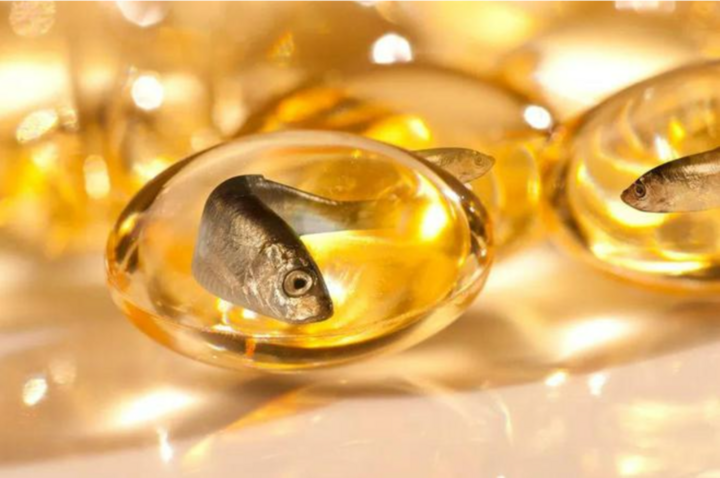
Omega-3 is a type of fatty acid that is beneficial to the body (Image source: Net Ease)
Benefits of Omega-3
Improve dry eye symptoms
According to research, supplementing with DHA and EPA may help improve dry eye symptoms. However, the dosage should be supervised and prescribed by a specialist doctor. These specific fatty acids are found in fatty fish such as salmon, mackerel, tuna, and sardines.
Protect your brain.
This type of fatty acid protects cranial nerves or optic nerves. DHA is one of the components that make up nerve cells and the central nervous system. Adequate Omega supplementation early on can help stimulate intellectual development, improve intelligence, and enhance learning ability.
Additionally, it helps improve memory, enhance reaction speed, and increase oxygen levels in the brain. Daily supplementation of DHA and EPA in healthy adults may help improve cognition and memory, reaction speed, and increase oxygen levels in the brain.
Helps improve symptoms of depression.
Omega-3s contain DHA and EPA, which can strengthen brain cell membranes and neurotransmitters, thereby improving emotional control. People who experience chronic anxiety may choose products with higher EPA content to help stabilize their mood.
In addition to the benefits mentioned above, Omega-3 supplements are also good for cardiovascular health, improve sleep quality, are good for skin and hair, and prevent premature aging.
How does the body react to an overdose of Omega-3?
When you are deficient in Omega-3, your body may exhibit symptoms such as dry skin, brittle hair, dry eyes, and insomnia. However, just because you're afraid of Omega-3 deficiency doesn't mean you should supplement with excessive amounts.
According to Sohu , if you experience belching with a fishy or oily smell, or if the oily smell lingers in your mouth, it's one of the signs you're consuming too much Omega-3. Additionally, excessive Omega-3 intake can cause nausea, diarrhea, and vitamin A toxicity.
Source: https://vtcnews.vn/co-the-phan-ung-the-nao-khi-bo-sung-omega-3-qua-lieu-ar908411.html

![[Photo] Prime Minister Pham Minh Chinh receives Lao Minister of Education and Sports Thongsalith Mangnormek](/_next/image?url=https%3A%2F%2Fvphoto.vietnam.vn%2Fthumb%2F1200x675%2Fvietnam%2Fresource%2FIMAGE%2F2025%2F12%2F16%2F1765876834721_dsc-7519-jpg.webp&w=3840&q=75)
![[Photo] Prime Minister Pham Minh Chinh receives the Governor of Tochigi Province (Japan)](/_next/image?url=https%3A%2F%2Fvphoto.vietnam.vn%2Fthumb%2F1200x675%2Fvietnam%2Fresource%2FIMAGE%2F2025%2F12%2F16%2F1765892133176_dsc-8082-6425-jpg.webp&w=3840&q=75)

![[Image] Leaked images ahead of the 2025 Community Action Awards gala.](/_next/image?url=https%3A%2F%2Fvphoto.vietnam.vn%2Fthumb%2F1200x675%2Fvietnam%2Fresource%2FIMAGE%2F2025%2F12%2F16%2F1765882828720_ndo_br_thiet-ke-chua-co-ten-45-png.webp&w=3840&q=75)
![[Live] 2025 Community Action Awards Gala](/_next/image?url=https%3A%2F%2Fvphoto.vietnam.vn%2Fthumb%2F1200x675%2Fvietnam%2Fresource%2FIMAGE%2F2025%2F12%2F16%2F1765899631650_ndo_tr_z7334013144784-9f9fe10a6d63584c85aff40f2957c250-jpg.webp&w=3840&q=75)




















































![[Video] Independence and self-reliance linked with international integration through 40 years of reform](https://vphoto.vietnam.vn/thumb/402x226/vietnam/resource/IMAGE/2025/12/16/1765899635777_1-1-8054-png.webp)




































Comment (0)