

 |
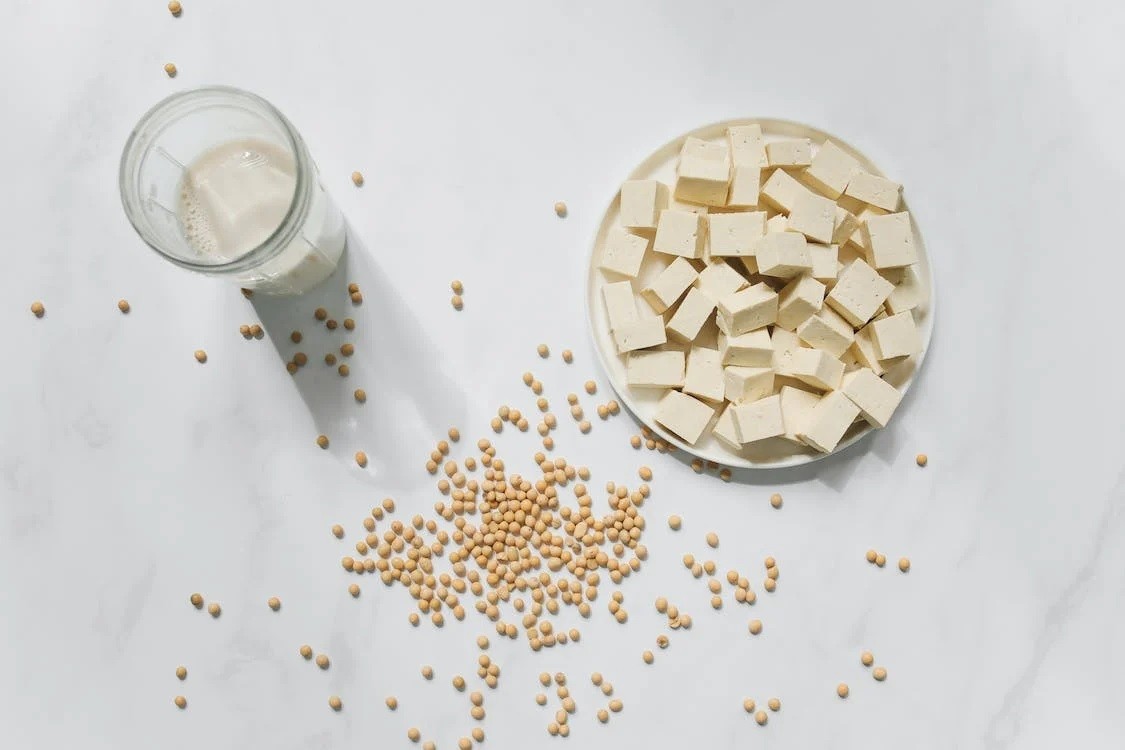
| Soy milk or tofu provides essential nutrients for the brain. (Source: Pexels) |
Soybeans
Soybeans and products like tofu and soy milk are high in lecithin. This is an important nutrient for the brain.
Lecithin plays a crucial role in maintaining the structure and function of brain cells, and also has a significant impact on memory and learning ability. Lecithin may have a positive effect in preventing cognitive decline.
Therefore, consuming lecithin-rich foods through diet helps slow this process and maintain brain health.
Compared to animal-based food sources, lecithin from soybeans is not only abundant in quantity but also contains other components beneficial to the cardiovascular system, such as unsaturated fatty acids.
Considering the specific lipid metabolism needs of the elderly, soy products are particularly suitable for daily consumption.
For example, a glass of soy milk or a small piece of tofu each day can provide the brain with the necessary lecithin while avoiding excessive intake of saturated fat.
Soy products should be combined with foods rich in vitamin E, such as nuts, or salads with a handful of almonds.
Egg
Lecithin is particularly abundant in egg yolks. This naturally occurring lecithin is easily absorbed by the body. Regularly consuming lecithin-rich foods may reduce the risk of Alzheimer's disease.
When choosing eggs, freshness and quality are the most important factors. Fresh eggs have plump yolks, clear egg whites, and no distinctive odor.
Eating hard-boiled eggs is the safest option. Additionally, eggs can offer better nutritional value when combined with other foods. For example, eating eggs with vitamin C-rich vegetables like tomatoes is not only tastier but also provides a more comprehensive nutritional profile.
Generally, adults can eat one egg a day to meet their lecithin needs. For special groups, such as patients with high cholesterol, it is necessary to follow the doctor's instructions.
Source
![[Photo] Prime Minister Pham Minh Chinh receives Lao Minister of Education and Sports Thongsalith Mangnormek](/_next/image?url=https%3A%2F%2Fvphoto.vietnam.vn%2Fthumb%2F1200x675%2Fvietnam%2Fresource%2FIMAGE%2F2025%2F12%2F16%2F1765876834721_dsc-7519-jpg.webp&w=3840&q=75)

![[Photo] Prime Minister Pham Minh Chinh receives the Governor of Tochigi Province (Japan)](/_next/image?url=https%3A%2F%2Fvphoto.vietnam.vn%2Fthumb%2F1200x675%2Fvietnam%2Fresource%2FIMAGE%2F2025%2F12%2F16%2F1765892133176_dsc-8082-6425-jpg.webp&w=3840&q=75)

![[Live] 2025 Community Action Awards Gala](/_next/image?url=https%3A%2F%2Fvphoto.vietnam.vn%2Fthumb%2F1200x675%2Fvietnam%2Fresource%2FIMAGE%2F2025%2F12%2F16%2F1765899631650_ndo_tr_z7334013144784-9f9fe10a6d63584c85aff40f2957c250-jpg.webp&w=3840&q=75)
![[Image] Leaked images ahead of the 2025 Community Action Awards gala.](/_next/image?url=https%3A%2F%2Fvphoto.vietnam.vn%2Fthumb%2F1200x675%2Fvietnam%2Fresource%2FIMAGE%2F2025%2F12%2F16%2F1765882828720_ndo_br_thiet-ke-chua-co-ten-45-png.webp&w=3840&q=75)

















































![[Live] Closing Ceremony and Award Presentation for the "Impressive Vietnam Tourism" Video/Clip Creation Contest 2025](https://vphoto.vietnam.vn/thumb/402x226/vietnam/resource/IMAGE/2025/12/17/1765974650260_z7273498850699-00d2fd6b0972cb39494cfa2559bf85ac-1765959338756946072104-627-0-1338-1138-crop-1765959347256801551121.jpeg)






















Comment (0)