


Worry consumer
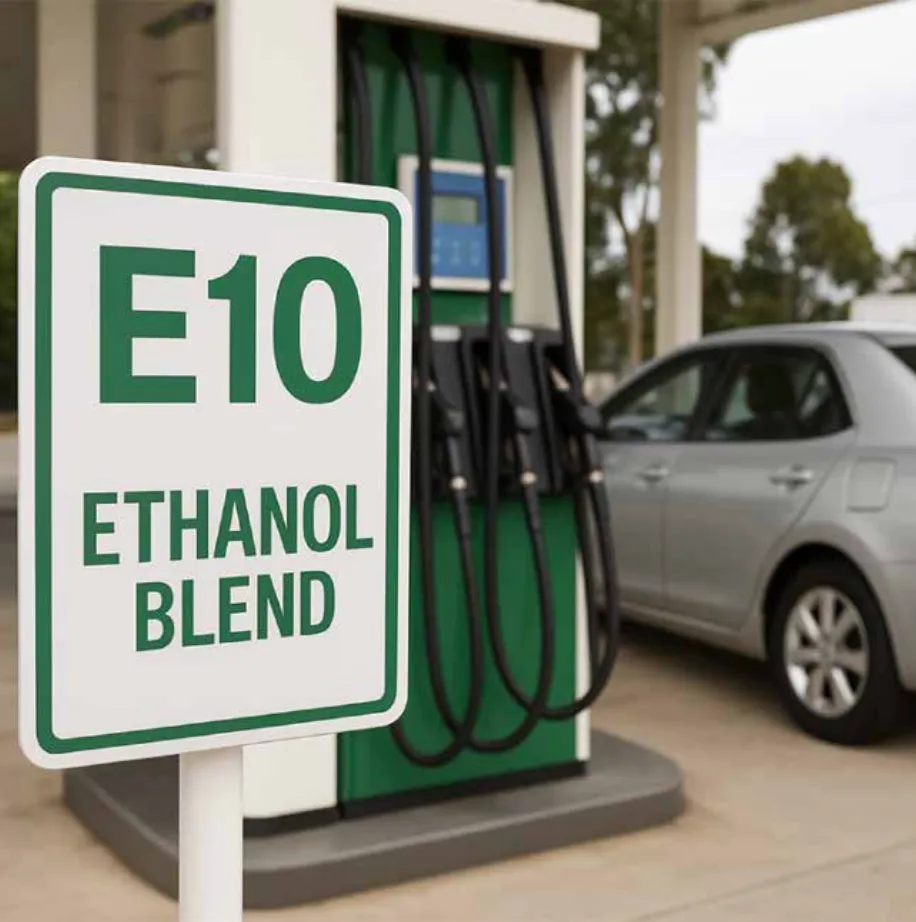
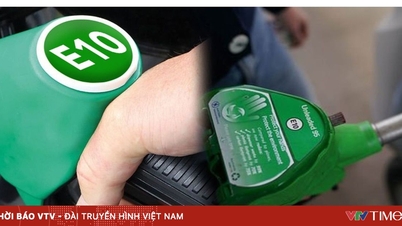
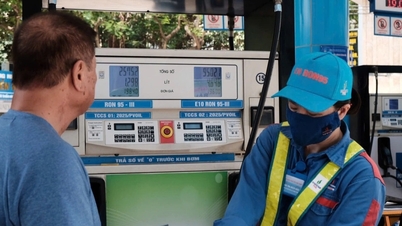
After more than three months of piloting the sale of E10 gasoline in Hanoi , Hai Phong, and Ho Chi Minh City, sales figures have been promising, but reservations remain. Ms. Le Thu Ha, a resident of Hanoi, shared: "I heard that E10 is environmentally friendly, but the price isn't much cheaper than RON95. If the difference were significant, I would choose E10 immediately."
Service drivers, who usually calculate costs carefully, are particularly concerned about the " economics " when the price of E10 is currently only a few tens to over 100 dong/liter cheaper than RON95.
Mr. Do Quoc Thai, representative of PVOIL Thai Thinh store, said: "Consumers are worried about the impact on their engines. We often have to explain clearly that E10 has been tested, the standards are no different from RON95, and it helps reduce emissions."
Scientific studies have provided clear evidence. The Vietnam Motorcycle Manufacturers Association, in collaboration with Hanoi University of Technology, conducted tests and concluded that E10 is compatible with current engines (Euro III-IV) without requiring structural changes. Honda, Yamaha, Suzuki, Piaggio, and SYM all confirmed this.
Regarding performance, the study noted an increase in fuel consumption ranging from 0.4% to over 5% depending on the vehicle type. Hoang Tuan Dung, a researcher at Hanoi University of Science and Technology, commented: "Concerns about increased fuel consumption when using E10 are real, but the impact is not significant. Meanwhile, concerns about negative impacts on the engine lack clear scientific basis." Associate Professor Pham Huu Tuyen, Director of the Center for Research on Power Sources and Autonomous Vehicles,
Hanoi University of Technology also affirmed that E10-95 "does not significantly affect vehicles currently using regular gasoline" and "is suitable for most vehicles, except for very old ones."
Regarding emissions, E10 offers clear environmental benefits: CO and HC emissions are significantly reduced, potentially by nearly 30%. To address this psychological barrier, experts emphasize the need for transparent communication, coordination with motorcycle and car associations to confirm technical compatibility, publish a list of compatible vehicles, and provide clear warranty policies. Simultaneously, an attractive pricing policy is needed, with a minimum incentive difference of 200-300 VND/liter compared to RON95.
Infrastructure barriers: the biggest "bottleneck"
Frankly speaking, domestic ethanol (E100) production capacity is limited. While the country has six ethanol plants, most are operating at a reduced capacity or are shut down due to losses and a lack of market demand following the failure of E5. Currently, domestic production capacity only meets about 40% of E10 demand (estimated at 1.2-1.5 million m3 of ethanol per year).
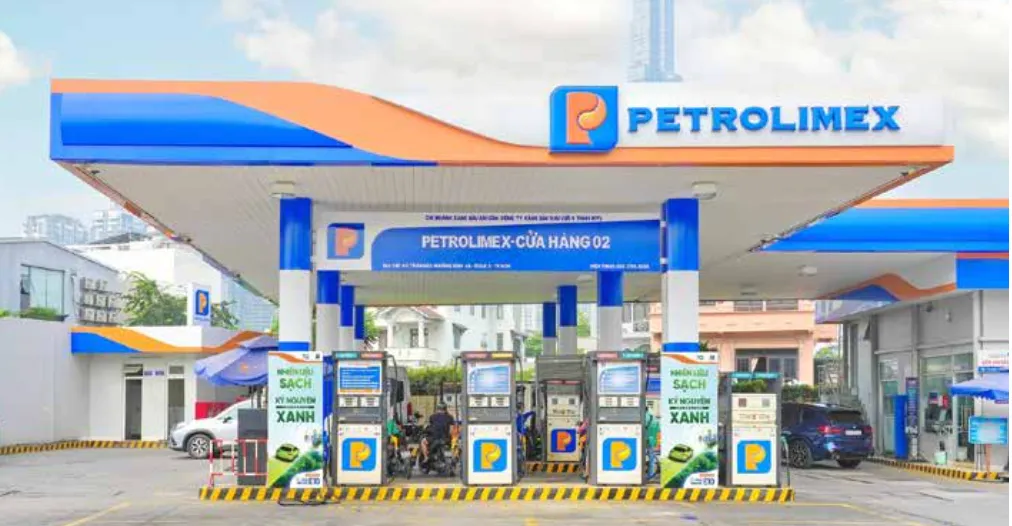
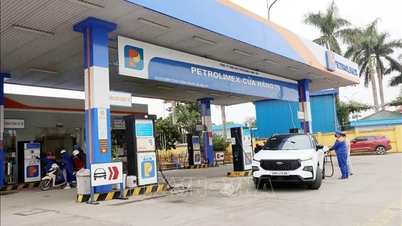
Petrolimex pointed out that the current storage system is not optimized for blending multiple types of gasoline, and the manual blending process carries the risk of errors. Mr. Nguyen Xuan Thang, Director of Hai Au Phat Company, expressed concern: "Small businesses will face difficulties because they have to invest in new equipment; a single pump costs nearly 500 million VND."
From the Centre for Green Fuels Global (CCGF), Gabriel Ho emphasized that ports and storage facilities need to "expand storage capacity and improve technology to meet safety requirements, especially given ethanol's high flammability and hygroscopic nature."
Mr. Gabriel Ho recommended restoring ethanol plants by restructuring ownership, upgrading technology, and integrating them with the fuel distribution network. Secondly, he suggested modernizing the distribution infrastructure: Petrolimex proposed automating blending lines using inline and in-tank technology, and establishing separate storage tanks. PVOIL has also invested in upgrading and renovating biofuel blending stations at strategic depots. Thirdly, he recommended diversifying supply sources and raw materials: Vietnam needs to develop domestic cassava/corn growing areas and establish a strategic import mechanism from major centers such as the US and Brazil to ensure stable supply and reduce logistics costs through upgrading port infrastructure.
Policy: "the guiding principle" for the market
Lessons from E5 gasoline show that its unattractive price, low discounts, and lack of incentive mechanisms have led to its "failure to be accepted by consumers," and businesses have suffered losses.
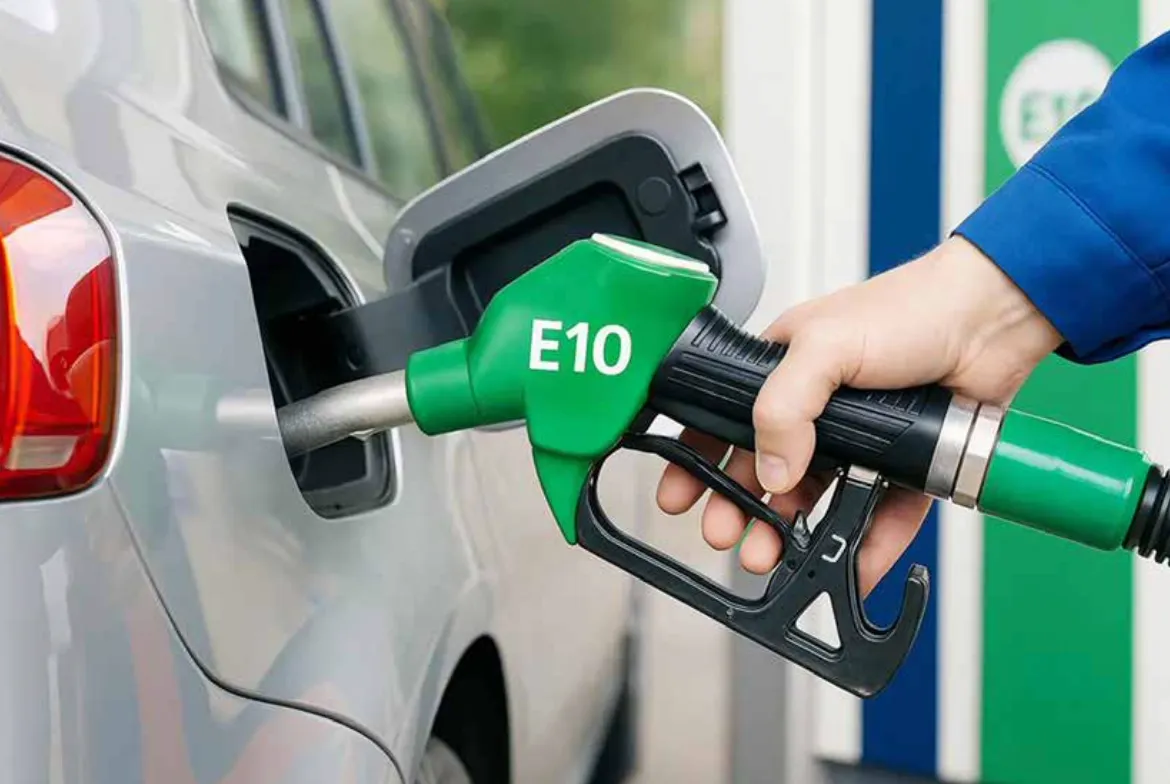
Many gasoline retailers have expressed concerns about the short transition period, which makes investment and licensing difficult. Mr. Van Tan Phung, Chairman of the Dong Nai Petroleum Association, suggested that this transition should have a suitable roadmap of 1-2 years. This bottleneck has been partially resolved with the recent issuance of Circular 50/2025 by the Ministry of Industry and Trade. Specifically, E10 gasoline – a biofuel blend of 10% ethanol with mineral gasoline – will be blended and sold widely nationwide from June 1, 2026. E5 RON92 gasoline will continue to be used until the end of 2030. The Ministry of Industry and Trade will review and adjust the blending ratio of biofuels, or add mineral gasoline as appropriate at different times. This aims to ensure energy security, environmental protection, and consumer rights.
Petrolimex has proposed the need for a "separate business cost standard" for E10 gasoline and an "adjustment of the special consumption tax" on base gasoline from 10% down to 7% to create commercial incentives. The environmental tax applied to bio-gasoline is also lower than that applied to mineral gasoline, and should be prioritized.
The experience of neighboring countries and the world's "ethanol powerhouses" shows that developing biofuels is not something that can be achieved overnight, but requires a sustained policy framework, a cohesive value chain, and mechanisms to protect the domestic market when necessary.
Rosemarie Gumera, former Representative of the National Biofuel Commission of the Philippines, stated that the country has established "a stable legal framework, reasonable protective pricing/incentive mechanisms in the initial stages, and policies to ensure a market for domestic products." The Biofuel Act (2007) and the Renewable Energy Act (2008) established a clear blending roadmap and a mechanism prioritizing domestically produced ethanol, helping the Philippines grow from one small plant in 2008 to 11 plants with a production capacity of 382 million liters per year.
As a prime example, Brazil has strongly developed its sugarcane-based biofuel program since the 1970s, producing approximately 30 billion liters of ethanol annually. "Long-term policies, involvement across the entire value chain, and transparent price support mechanisms have transformed Brazil into a global 'ethanol powerhouse'."
Based on these experiences, experts emphasized three practical lessons for Vietnam: firstly, a clear and stable legal framework is fundamental; secondly, support policies must be accompanied by measures to protect the domestic market in the initial stages; and thirdly, the participation of the entire value chain is a decisive factor. Sharing this view, Mr. Bui Ngoc Bao, Chairman of the Vietnam Petroleum Association, suggested that "the State needs to regulate the circulation of low-quality gasoline to avoid repeating the previous scenario where E5 gasoline was introduced but the price difference was not significant enough, making it unattractive and leading consumers to prefer RON95 over bio-gasoline."
Minister of Industry and Trade Nguyen Hong Dien emphasized that the development and use of E10 gasoline is not only a technical solution to reduce environmental pollution and limit dependence on fossil fuels, but also an irreversible task in Vietnam's green energy process.
The success of E10 gasoline is not the responsibility of any single ministry, sector, or enterprise. It is a roadmap requiring "the synchronized participation of the entire ecosystem." The government creates policies, businesses invest in infrastructure and supply chains, associations provide technical evidence, international partners share experience, and ultimately, consumers are the decisive link.
Source: https://vtv.vn/de-e10-tro-thanh-nhien-lieu-quoc-dan-100251203154938775.htm























































Comment (0)