

Facing numerous challenges
According to data from the Department of Animal Husbandry and Veterinary Medicine, by October 2025, the whole country had 29,266 swiftlet farms, with an average growth rate of 6% per year during the 2021-2025 period; swiftlet populations have appeared in 23 out of 34 provinces and cities, with an estimated production of 234.6 tons of raw swiftlet nests. Khanh Hoa alone has 1,425 swiftlet farms, with a production of 14.1 tons, accounting for 6.02% of the national total.
 |
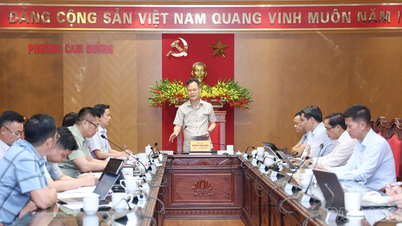
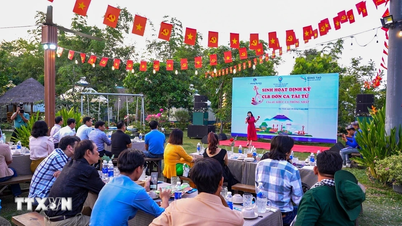
| Comrade Trinh Minh Hoang chaired the workshop. |
In particular, Khanh Hoa province has the highest concentration of the German swiftlet (Aerodramus fuciphagus germani). This is a rare and precious bird, closely associated with the sea and islands of Vietnam, producing natural island swiftlet nests of the highest quality in the world , and usually nesting in caves and crevices of mountain cliffs on the islands. Swiftlet nests are not only a valuable gift from nature but also the culmination of the wisdom, dedication, and enduring labor tradition of generations of people in Khanh Hoa. Currently, Khanh Hoa Swiftlet Company manages 33 islands with 173 swiftlet caves.
 |
| Delegates speaking at the workshop. |
Dr. Nguyen Van Long, Director of the Science and Technology Department ( Ministry of Agriculture and Environment ), affirmed: “The swiftlet farming industry not only brings economic value and livelihoods to the people, but also has great significance in terms of ecology, culture, and national sovereignty over the sea and islands. Swiftlets contribute to balancing the natural ecosystem, eliminating harmful insects, and protecting crops.”
 |
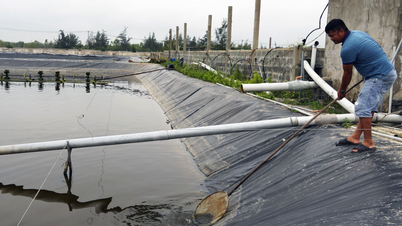
| Young swiftlets are rescued and cared for at Khanh Hoa Swiftlet Nest Company. |
However, alongside the immense economic value that bird's nests bring, the bird's nest industry is also facing many challenges. The natural bird's nest population on islands has declined sharply due to the impacts of climate change, environmental pollution, and illegal hunting. Furthermore, bird's nest farming has developed spontaneously, lacking overall planning and value chain linkages; deep processing technology, traceability, and product quality management are limited; community awareness of protecting and sustainably developing bird's nest populations is uneven; and the mechanisms, policies, and state management of bird's nest farming and harvesting are inconsistent and have not kept pace with the evolving realities.
Speaking at the workshop, Vice Chairman of the Provincial People's Committee Trinh Minh Hoang said that, recognizing the importance of preserving rare genetic resources and developing the national swiftlet farming industry in a sustainable direction, Khanh Hoa province organized the workshop with the desire to create a scientific forum for scientists, managers, businesses, and relevant localities to exchange and share research and practical experiences. Through this, delegates discussed scientific, technological, and management solutions to conserve and sustainably develop the swiftlet population. The results of the workshop will serve as an important scientific basis for central ministries and agencies, Khanh Hoa province, and relevant localities to finalize mechanisms, policies, planning, and the National Action Program on the conservation and development of the swiftlet population until 2035, with a vision to 2050.
We need comprehensive and effective solutions.
At the workshop, scientists, managers, businesses, and local authorities discussed, exchanged, evaluated, analyzed, shared experiences, and proposed scientific, technological, policy, and international cooperation solutions to protect and sustainably develop the swiftlet population through thematic topics such as: the development and management of swiftlet farming and export of bird's nests; the scientific and practical basis for the sustainable development of swiftlet farming in Vietnam...
 |
| Swifts breed on islands. |
To protect and sustainably develop the swiftlet population, delegates proposed the simultaneous implementation of various solutions, including perfecting the institutional framework and planning for the development of swiftlet farming based on the natural advantages of each region, ensuring a harmonious balance between socio-economic development and environmental protection; and promptly issuing a National Strategy on Swiftlet Conservation and Development until 2035, with a vision to 2050.
In addition, strengthen state management of swiftlet farming, specifically: Issue swiftlet house codes, compile statistics and declare production; build a national database on swiftlet populations, distribution areas, a traceability system and issue certificates of origin; strictly control the construction of swiftlet houses, especially in residential areas, ensuring biosafety and urban order.
Simultaneously, strengthen coordination between state management, businesses, and the community in conserving, preventing illegal exploitation, and protecting the biological resources of swiftlets; prevent and combat illegal hunting of swiftlets and wild birds; organize local rapid response forces to inspect and handle violations; and promote legal awareness and community education on the value of swiftlets. In addition, integrate swiftlet protection content into school curricula and encourage people to refrain from hunting, trading, transporting, and consuming swiftlets illegally.
Dr. Nguyen Lan Hung Son, a lecturer at Hanoi Pedagogical University, believes that protecting swiftlet populations requires the involvement of the entire political system. In particular, strong sanctions are needed to address violations of swiftlet hunting, and public awareness and understanding are required. Furthermore, more fundamental solutions are needed to address the decline in the population due to climate change.
According to Mr. Le Huu Hoang, former Standing Vice Chairman of the Provincial People's Committee, it is necessary to urgently establish a Rapid Response Team for the protection of swiftlets and develop operating regulations, assigning specific tasks to each member to ensure effective, flexible, and mobile operation. The Rapid Response Team should proactively conduct regular and surprise inspections at restaurants, eateries, wholesale markets, locations with signs of illegal trading of wild birds, and areas where swiftlet trapping and catching frequently occur, in order to promptly prevent and strictly handle violations in accordance with the law.
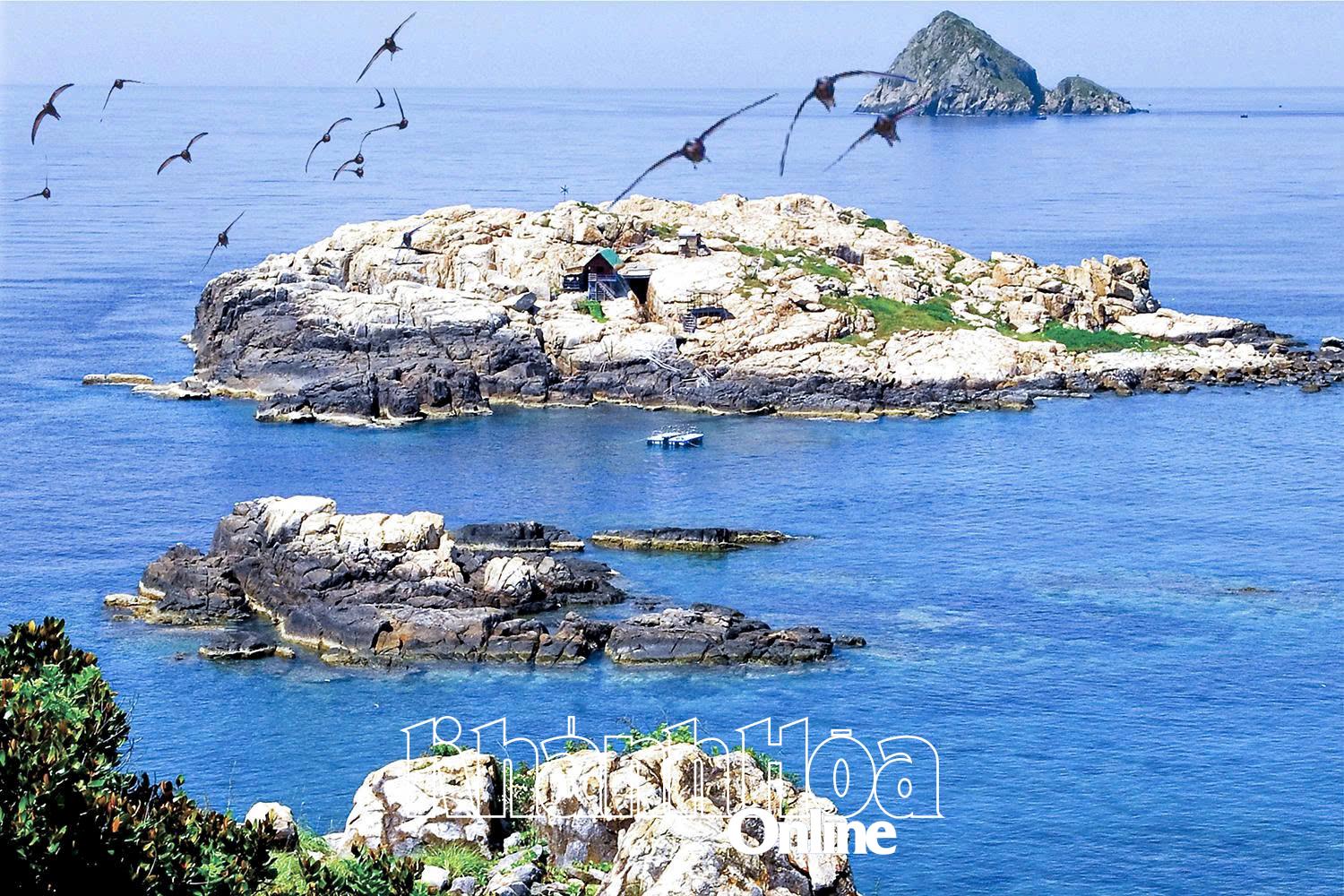 |
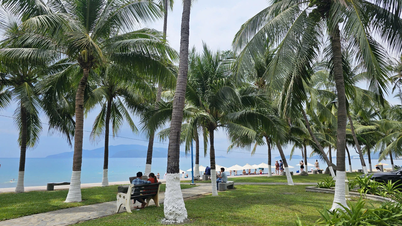
| The swiftlet island is managed by Khanh Hoa Swiftlet Nest Company. |
In her concluding remarks at the workshop, Ms. Trinh Thi Hong Van, Chairwoman of the Board of Members of Khanh Hoa Swiftlet Nest Company, assessed that, through the specialized reports and insightful scientific and practical discussions, the dedication and intelligence of the participating delegates had analyzed and clarified the role, potential value, and development orientation of swiftlet farming in Vietnam, especially the natural island swiftlet population of Khanh Hoa - a rare biological resource and symbol of Khanh Hoa. At the same time, it pointed out new challenges in management and conservation, as well as sustainable development orientation in the current period. The results of the workshop serve as an important basis for Khanh Hoa Swiftlet Nest Company to research, propose, and recommend to the Provincial Party Committee, the Provincial People's Committee, and central ministries and agencies on comprehensive policies and solutions for protecting and developing the swiftlet population in Vietnam in general and Khanh Hoa province in particular. This provides an important scientific basis for the company to continue building a new phase of strategies for protecting and developing natural swiftlet populations on islands and developing the value chain of Vietnamese swiftlet products to reach international levels, in line with the socio-economic development orientation of Khanh Hoa province, contributing to the successful implementation of the Resolution of the First Congress of the Khanh Hoa Provincial Party Committee.
Reflecting on the issue of swiftlet populations being threatened by illegal hunting, Khanh Hoa Newspaper published a series of investigative reports titled "Determined to Protect Swiftlet Populations" in its issues from September 9th to 11th. Illegal hunting of swiftlets not only threatens the survival of this valuable species and seriously violates wildlife protection regulations, but also causes significant economic damage to the province. Swiftlets produce "white gold" (bird's nest) – a precious product with high nutritional value, offering great health benefits and significant economic value.
DINH LAM
Source: https://baokhanhhoa.vn/kinh-te/202511/giai-phap-bao-ve-dan-chim-yen-42d1d12/

















































































Comment (0)