

(NLĐO) - Khanh Van Nam Vien - an ancient temple nearly 100 years old in the heart of a bustling city - preserves the imprint of Taoism, blending Confucianism, Taoism, and Buddhism.
The distinctive traces of Taoism present in the Saigon-Chợ Lớn area (now Ho Chi Minh City) date back at least to the 1930s, when the belief took root in the lives of Chinese migrants who crossed the sea to the "promised land" in the South. Even today, beliefs related to Taoism still subtly appear at Khánh Vân Nam Viện, as a relic of "mysticism" amidst the bustling metropolis.
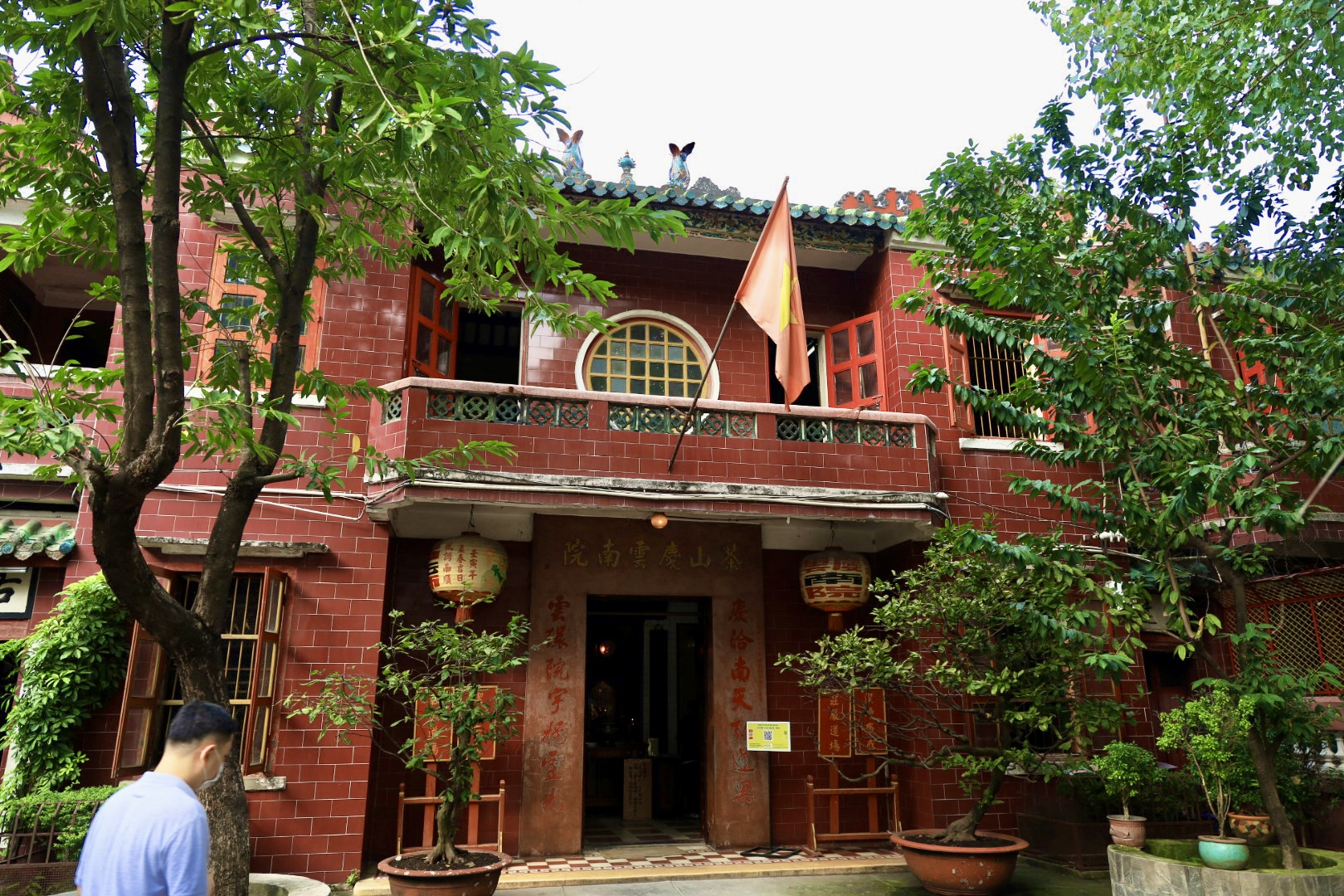
Khanh Van Nam Vien, an ancient temple that has stood for nearly 100 years in the heart of the bustling city - Photo: NGOC QUY
Taoism embodies a spirit of tolerance, advocating for harmonious living with nature and respect for the laws of heaven and earth. This is reflected in the doctrines of "non-action and non-contention," "not complaining about little, not rejoicing at much, enjoying the joy that comes, not regretting the joy that goes, being joyful with the four seasons, and being in harmony with the external world…"
Harmony between the three elements of Confucianism, Taoism, and Buddhism.
Most people refer to Khanh Van Nam Vien as an "ancient shrine" rather than a "temple," but after nearly 100 years of upheaval, it stands as a place of worship, a gathering place for the most fundamental beliefs about the realm of goodness. Khanh Van Nam Vien is similar to folk shrines in China and Taiwan, worshipping the familiar deities, saints, and Buddhas of the three religions that form the basis of East Asian religious culture: Confucianism, Taoism, and Buddhism!
Located on Nguyen Thi Nho Street, District 11, Ho Chi Minh City, this old-fashioned cafe still retains its unique charm amidst the modern city - Photo: KHAC HIEU
In its early days in Southern Vietnam in the 1930s, Khanh Van Nam Vien was located in a townhouse on Tran Hung Dao Street and was called Toan Khanh Duong. The first abbot was Mr. Tran Khai Minh. Later, Mr. Au Dieu Huyen and Mr. Chau Viem successively served as abbots there.
In 1942, Khanh Van Nam Vien moved to Nguyen Thi Nho Street (District 11, Ho Chi Minh City). Currently, Mr. Chau Hue Bang holds the position of Head of the Buddhist Affairs Committee of Khanh Van Nam Vien Pagoda. The members here still preserve some traditional religious beliefs of Nam Hai Tra Son Khanh Van Dong from the early days of its introduction.
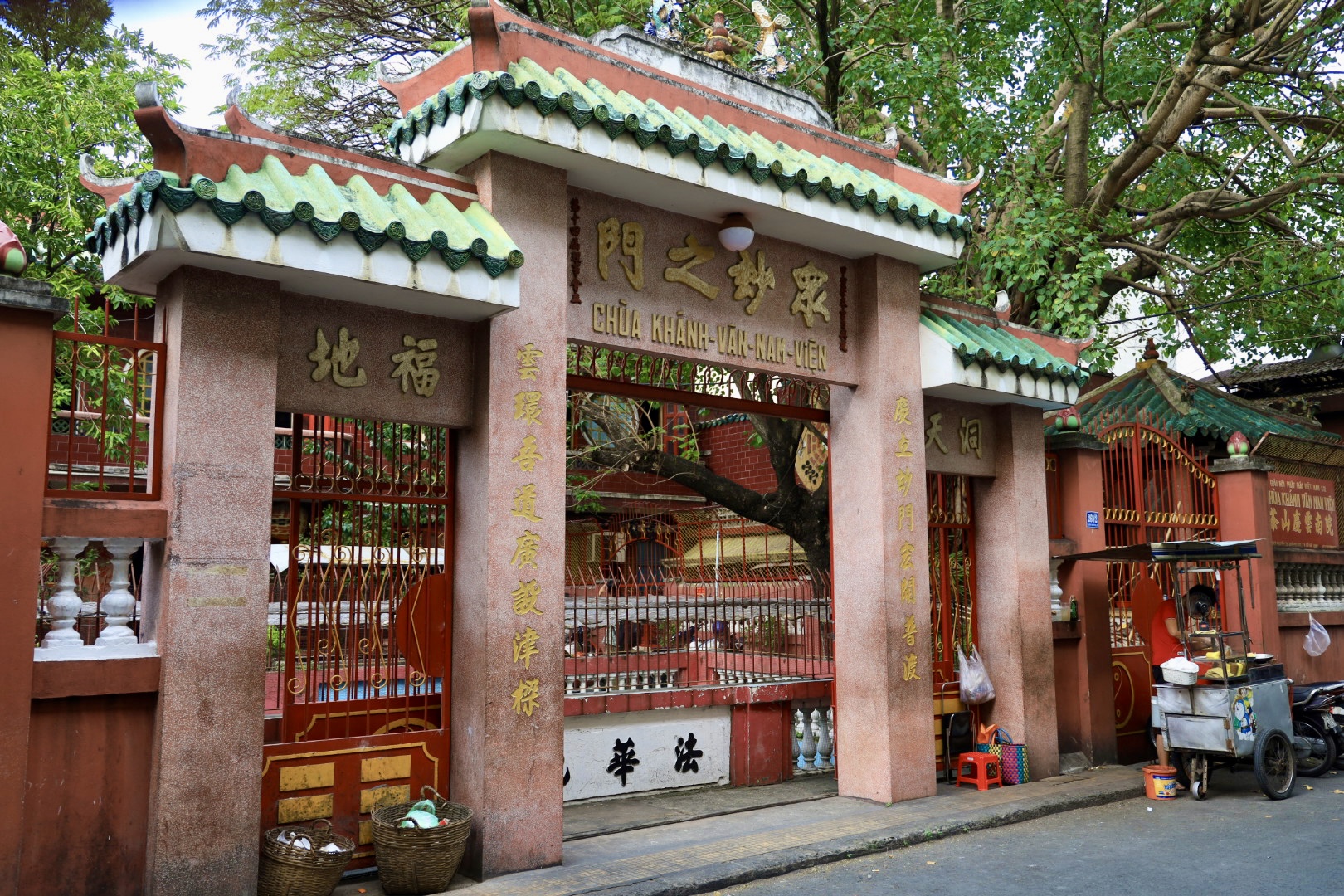
The architecture of the institute is consistent with the Nanhai Tea Mountain Qingyun Institute in China, retaining the original elements including the courtyard, front hall, and main hall. On the roof of the institute's gate are a pair of "fish transforming into dragons" and a gourd, considered a totem, representing vitality and life.
Khanh Van Nam Vien often engaged in charitable activities, caring for the health and well-being of those in difficult circumstances. During his lifetime, Mr. Chau Vien always believed: "To use my surplus to help those in need, and to receive surplus from others to share with many others. By doing this, I truly feel at peace."
The religious beliefs within Khánh Vân Nam Viện are diverse, encompassing Taoism, Buddhism, and folk beliefs such as: Thái Thượng Lão Quân, Lữ Động Tân, Quan Thánh Đế Quân, Văn Xương Đế Quân, Lao Tzu, Zhuang Tzu, Trương Thiên Sư, Buddha Shakyamuni, and Avalokiteshvara Bodhisattva… Many of these statues were brought from China. These beliefs in deities and saints have, to some extent, become a spiritual anchor for the local people and simultaneously offer values that can spark curiosity and interest in many tourists.
Throughout the year, Khanh Van Nam Vien has three main festivals associated with Chinese customs: the festival of Lu Dong Tan (14th day of the 2nd lunar month), the festival of Quan Cong (24th day of the 6th lunar month), and the festival of the Jade Emperor (9th day of the 1st lunar month). In addition, on the full moon days of the 1st and 7th lunar months, many people come here to worship, pray for peace, or offer prayers for the deceased.
The mark of 'mystical arts'
Despite incorporating many religious beliefs, Khanh Van Nam Vien still retains some remnants of Taoism, serving as a spiritual foundation for its unique and mysterious character. The horizontal plaque at the gate bears the four characters "Chung Dieu Chi Mon" (Gate of All Mysteries), originating from Lao Tzu's Tao Te Ching. "Mysterious Gate" or "Mysterious Gate" both refer to a threshold for shedding worldly dust – a step towards transcendence and sainthood, achieving a state of carefree freedom, unbound and completely liberated. Using the gate of the worldly realm, like a palace or temple, to express the profound meaning of liberation through non-action—that is the mystical significance of the four characters at the entrance of Khanh Van Nam Vien.
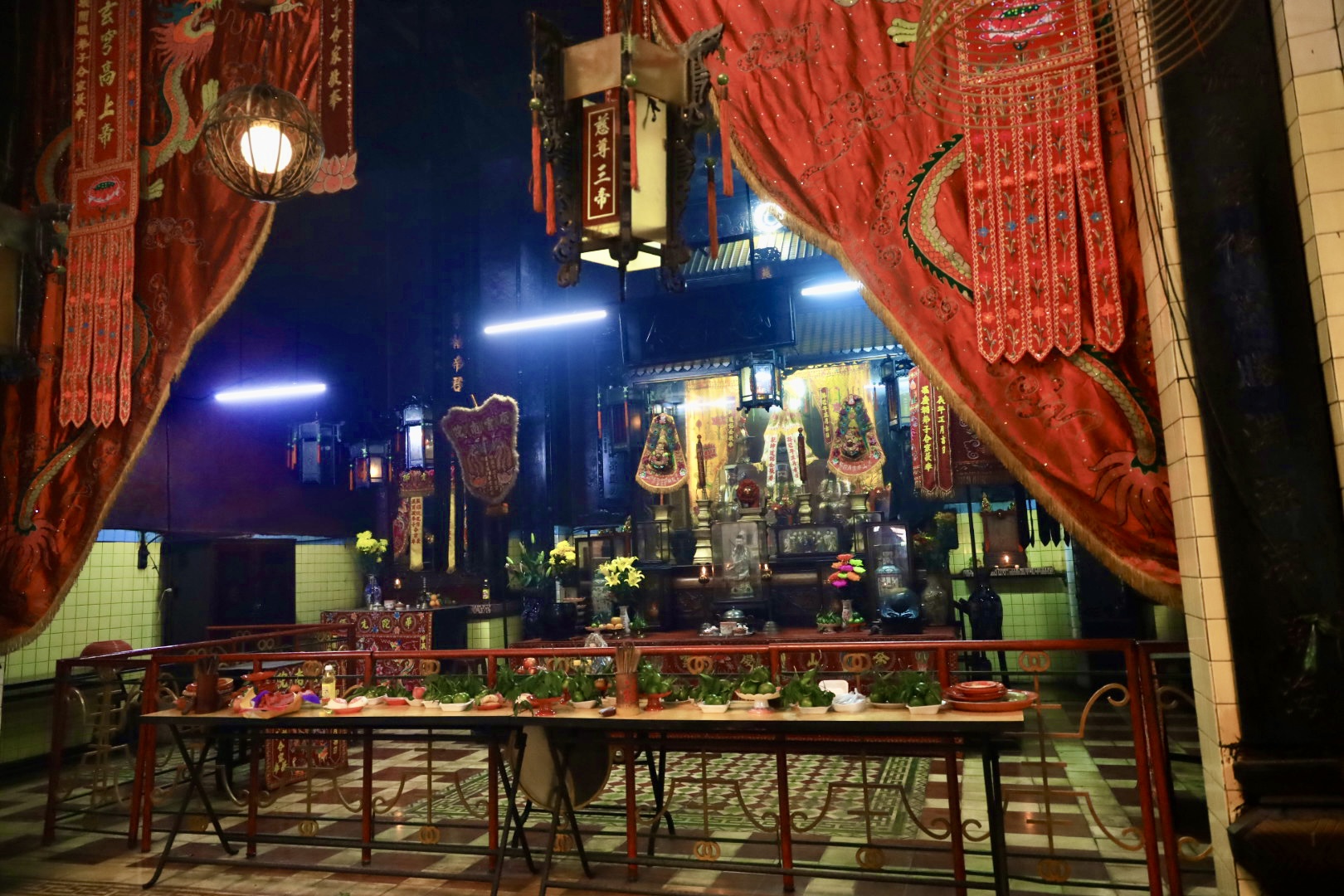
Despite incorporating many religious beliefs, Khanh Van Nam Vien still retains some remnants of Taoism, as a spiritual baggage that makes it unique and mysterious - Photo: NGOC QUY
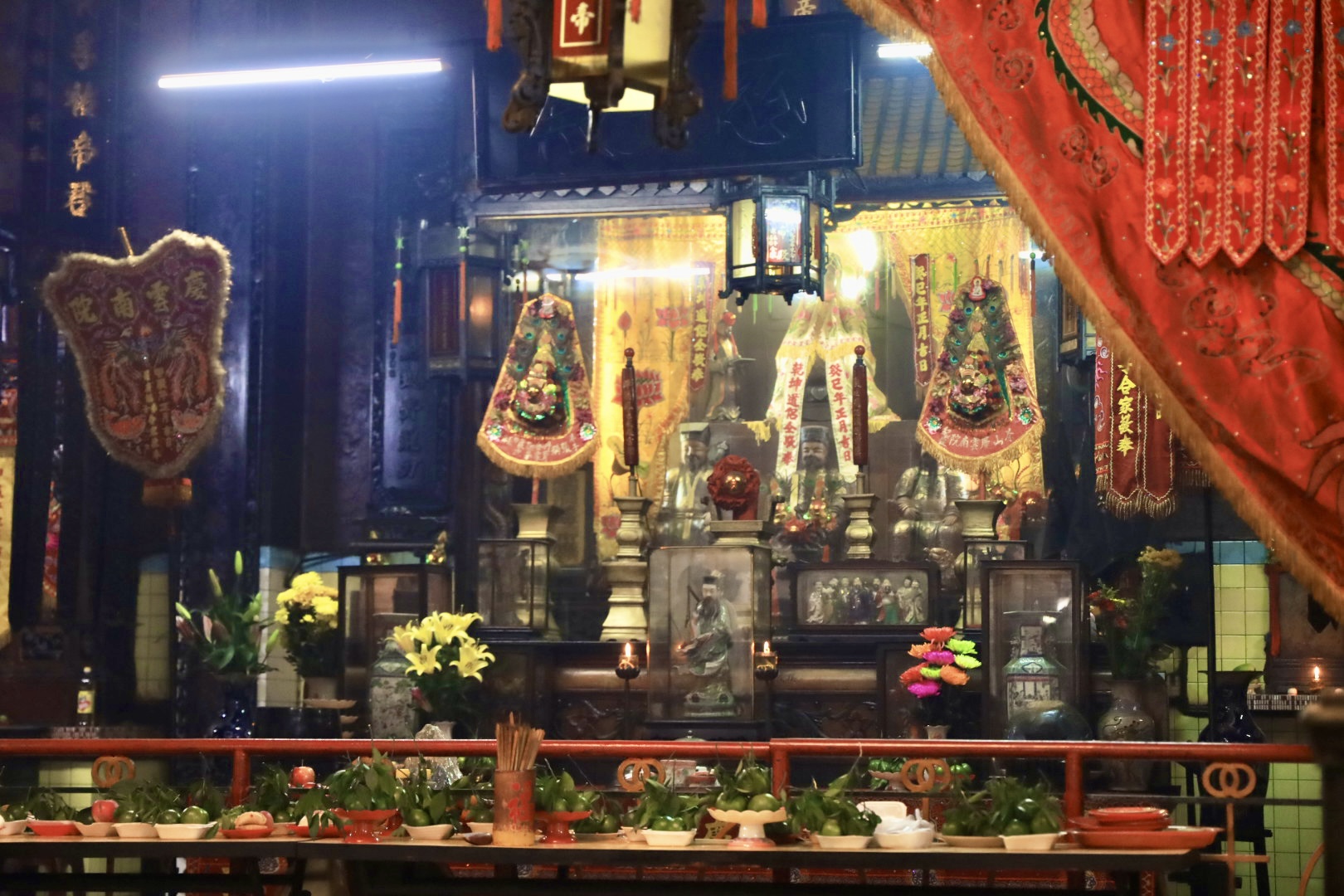
From the outside in, Khánh Vân Temple first features an altar dedicated to Vương Linh Quan – the Great Protector of Taoism, like any other orthodox temple. Next, the main hall houses the "Three Venerable Emperors": Từ Hàng Chân Nhân, Lữ Động Tân, Văn Xương Đế Quân, and Quan Công – deities widely revered in both Taoist lineage and Chinese folk beliefs. However, folk beliefs at Khánh Vân Nam Temple are further strengthened and amplified by the worship of Hoa Đà Tiên Sư and Hoàng Đại Tiên. All these altars are placed beneath a large horizontal plaque inscribed "Tao harmonizes with the heart of heaven" – expressing the Taoist philosophy of following nature and the broad, compassionate teachings of Taoism! Furthermore, the upper floor also houses altars dedicated to Thái Thượng Lão Quân, Trương Thiên Sư, Lao Tzu, and Trang Tzu – important figures in the formation and development of Taoism to this day.
Another aspect of Taoism preserved at Khanh Van Nam Vien is the Trung Nguyen Pho Do festival (the 15th day of the 7th lunar month) – the ritual of breaking the Five Directions of Hell. This ceremony attracts a large number of local Chinese people and lasts from the 1st to the 15th day of the 7th lunar month. During this time, people gather here, seeking the help of Taoist priests to guide the souls of the deceased, with auspicious wishes for their departed ancestors. Their belief in the realm of goodness reflects their gratitude for the blessings of their parents and their hope for the salvation of those who have passed away!
Taoism is just one element in the complex of beliefs that exist at Khanh Van Nam Vien. Alongside Taoist beliefs, it also incorporates beliefs in Avalokiteshvara Bodhisattva, Buddha, Ksitigarbha, and many other faiths such as Hua Tuo and Huang Daixian, creating a unique place of worship for the Chinese community in the old Saigon-Chợ Lớn area. Even today, it remains shrouded in mystery and intrigue. However, a glimpse of nearly 100 years of historical change is now encapsulated in the ancient architecture of this building, a remnant of the "mystical" tradition in the minds of the local people!
Mr. Chau Hue Bang received the Third Class Labor Medal.
Mr. Chau Hue Bang, Head of the Dharma Protection Board of Khanh Van Nam Vien Pagoda (Ho Chi Minh City), was awarded the Third-Class Labor Medal and the "For the Cause of National Unity" Commemorative Medal for his outstanding contributions to social charity activities.
Driven by a spirit of compassion and mutual support, he spearheaded the establishment of a free clinic and medication distribution program, assisting over 20,000 people annually. He also raised 1.5 billion VND for a heart surgery program, enabling 1,000 underprivileged children to undergo surgery. Furthermore, he founded a nursing home to care for elderly people living alone and participated in building rural bridges and roads, providing scholarships, and constructing charitable housing in remote provinces.
Over the years, he has also actively participated in charitable programs of the Vietnam Buddhist Association in District 11 and Ho Chi Minh City, while mobilizing benefactors to support the Chinese community in education and cultural preservation.
A close-up view of the nearly 100-year-old Khanh Van Nam Vien temple:
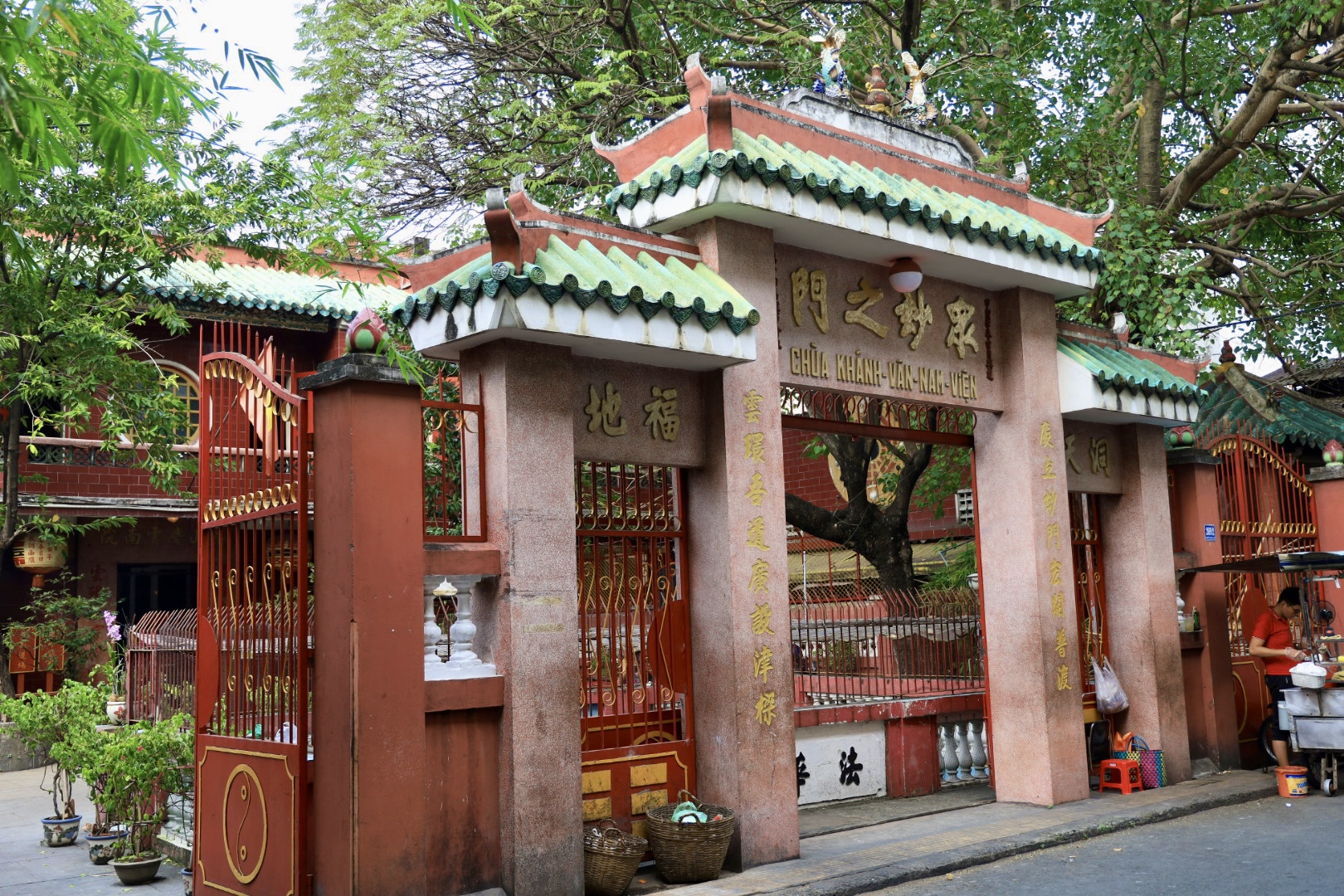
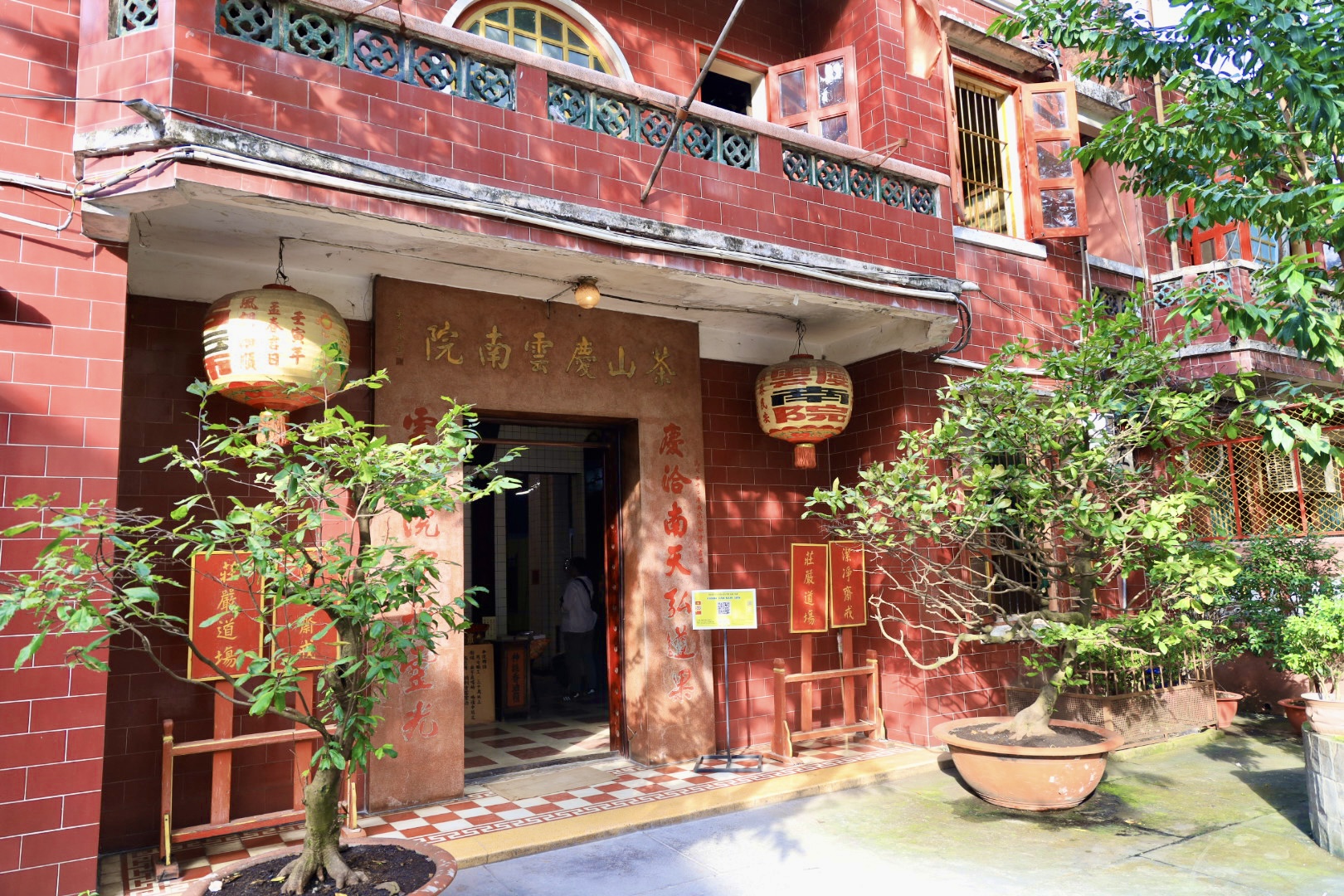
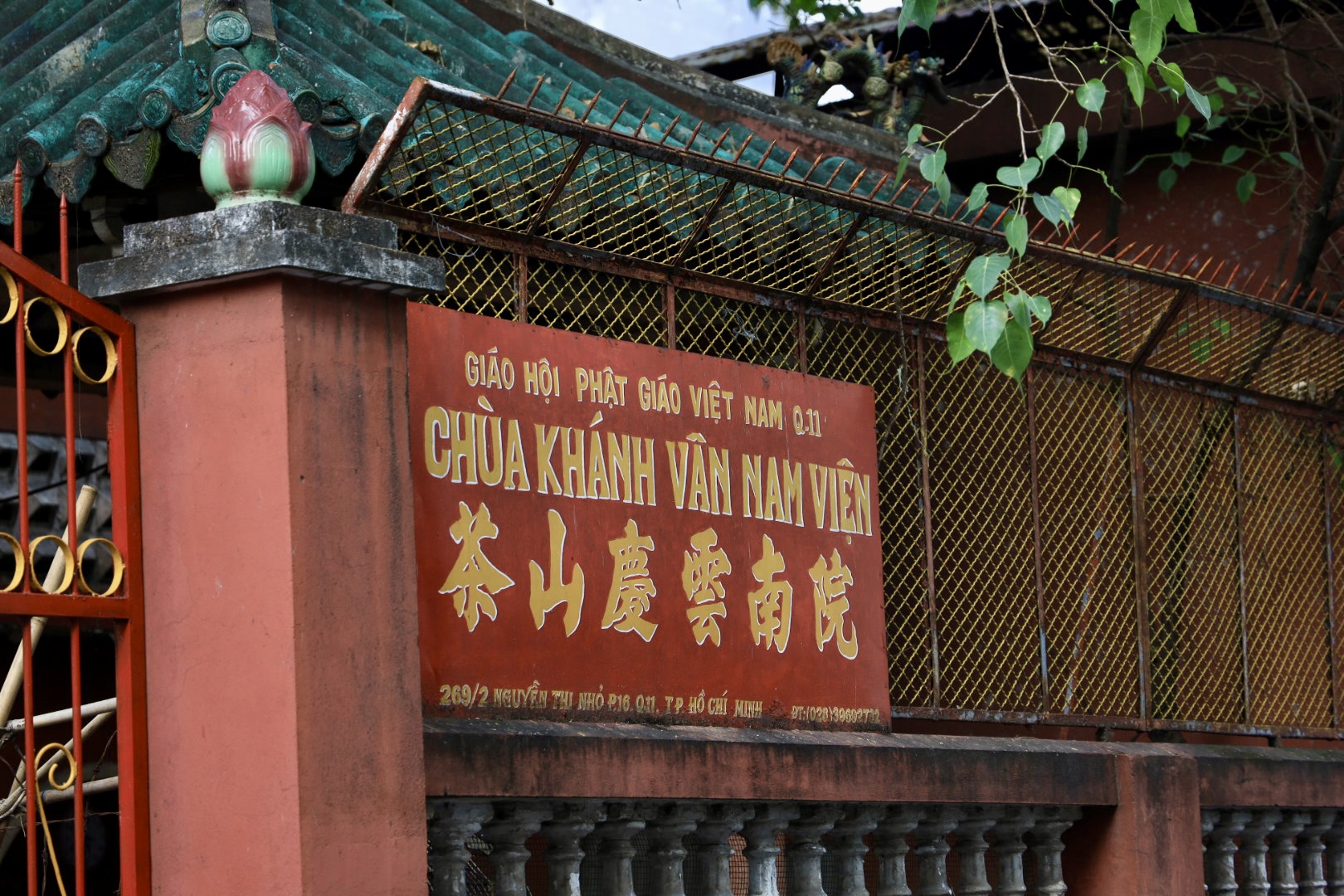
Most people refer to Khanh Van Nam Vien as an "ancient temple" rather than a "pagoda," but after nearly a century of changes amidst the vicissitudes of life, it stands as a place of worship, a gathering place for the most fundamental beliefs about the realm of goodness. - Photo: KHAC HIEU
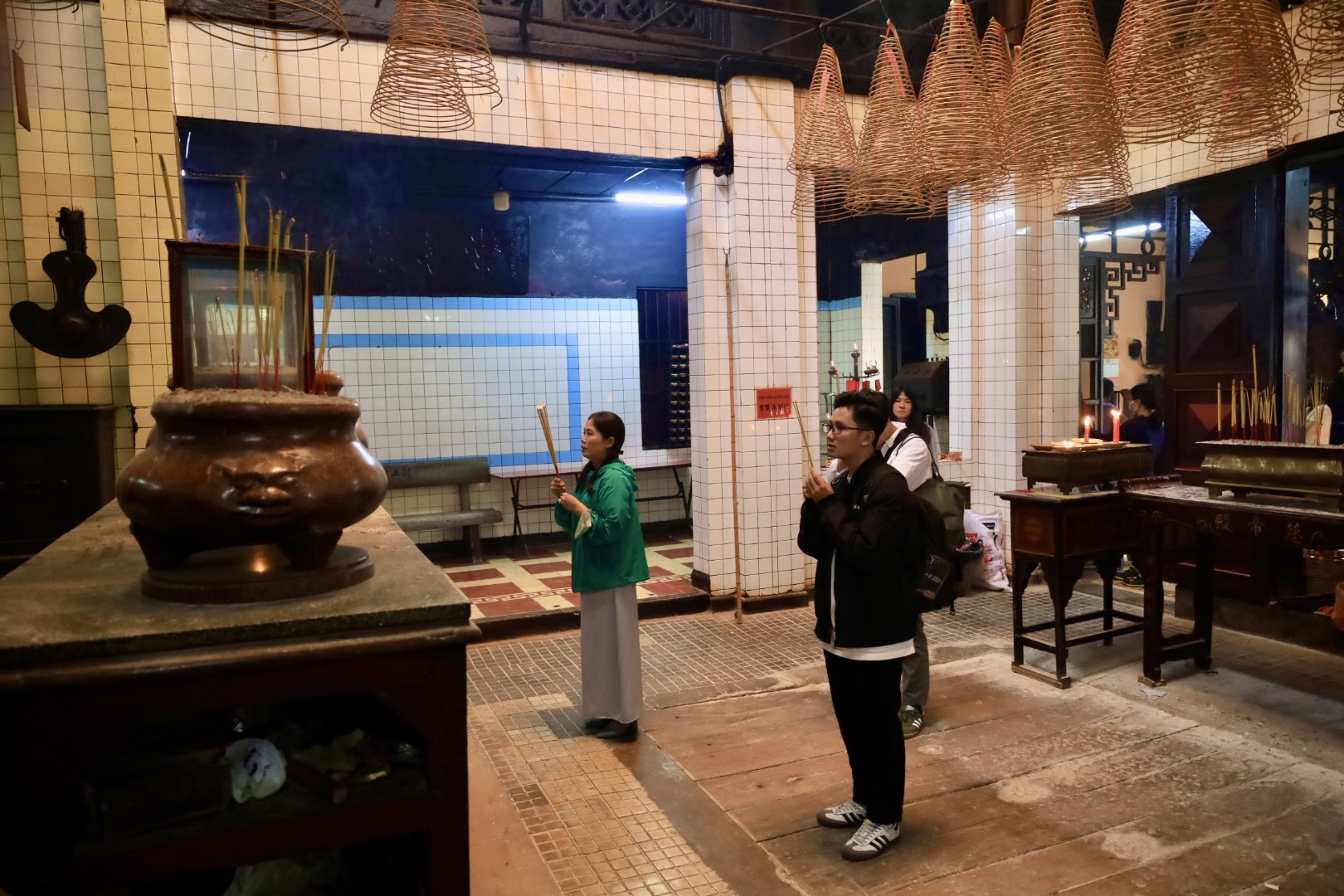
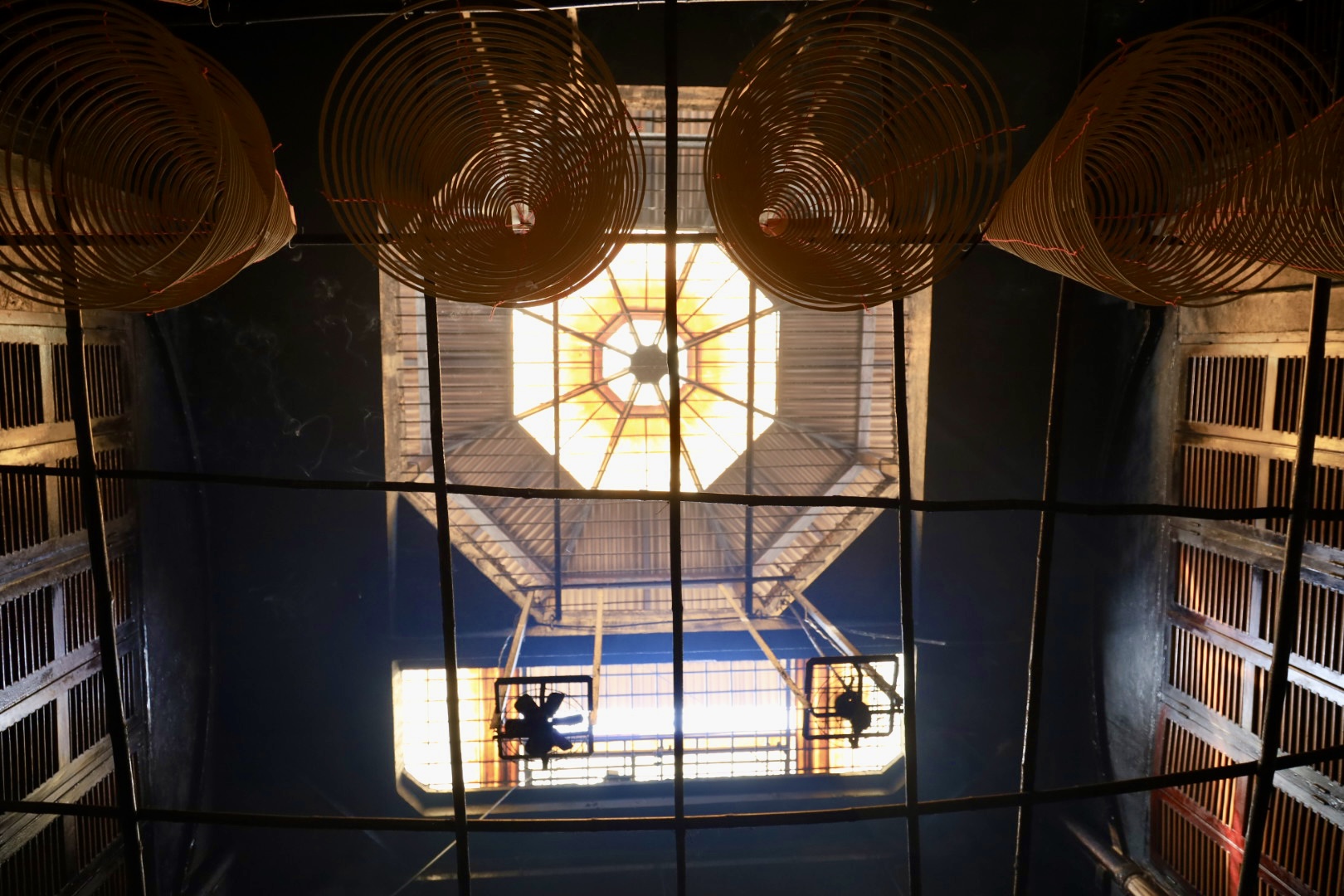
The architecture of the institute is consistent with the Nanhai Tea Mountain Qingyun Institute in China, retaining the original elements including the courtyard, front hall, and main hall - Photo: NGOC QUY
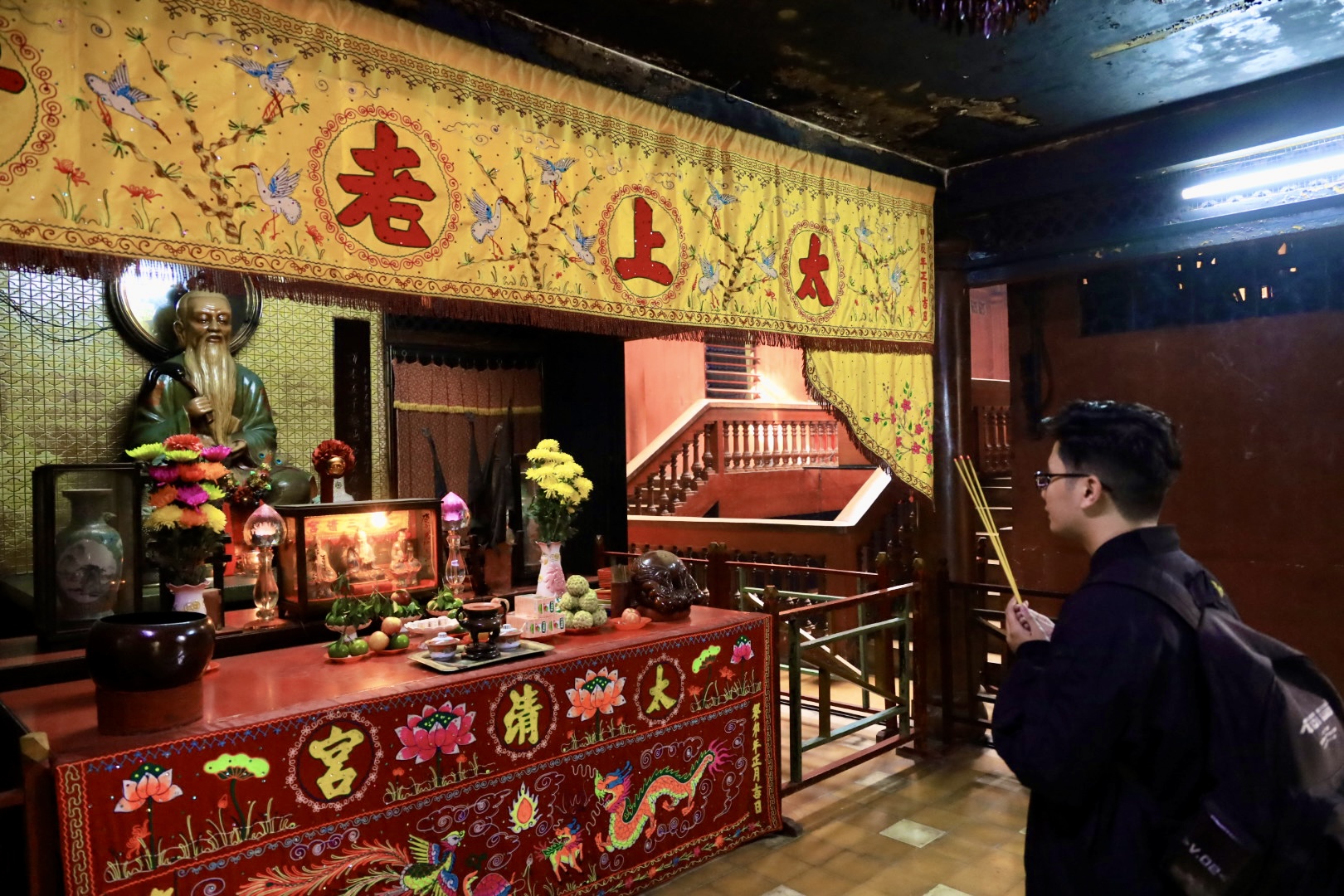
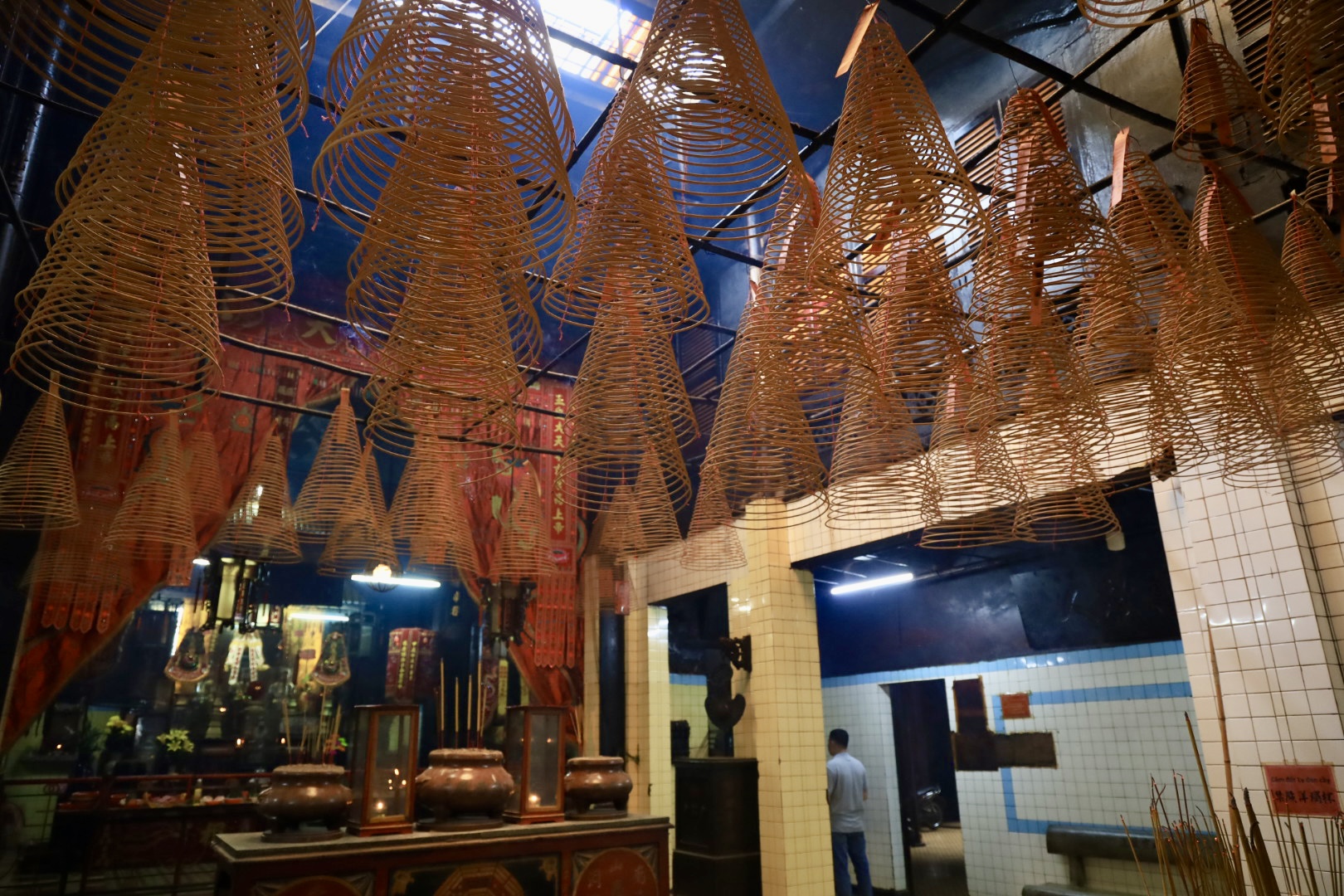
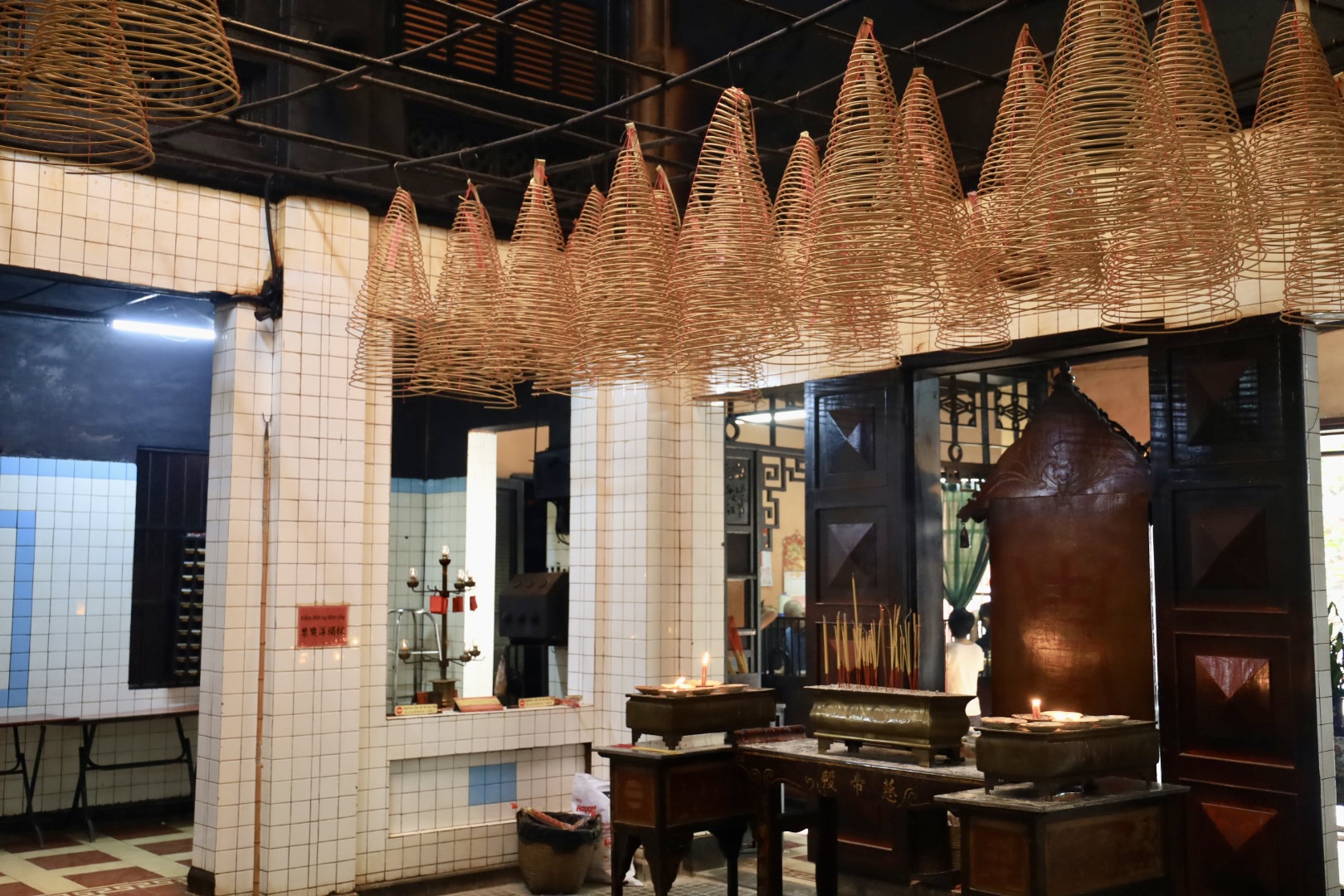
The beliefs within Khánh Vân Nam Viện are diverse, encompassing both Taoism and Buddhism, as well as folk beliefs such as: Thái Thượng Lão Quân, Lữ Động Tân, Quan Thánh Đế Quân, Văn Xương Đế Quân, Lao Tzu, Zhuang Tzu, Trương Thiên Sư, Buddha Shakyamuni, and Avalokiteshvara Bodhisattva… - Photo: KHẮC HIẾU
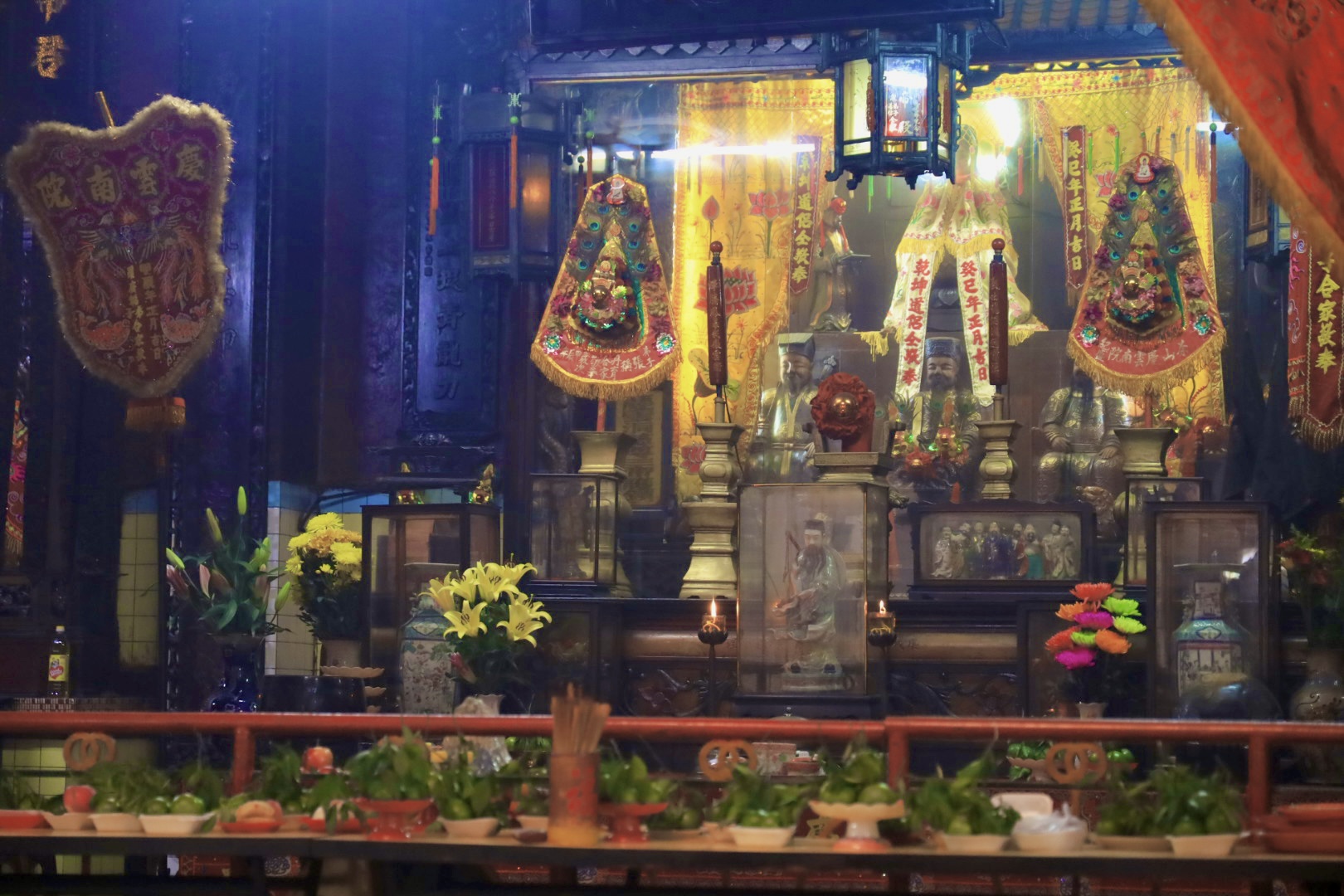
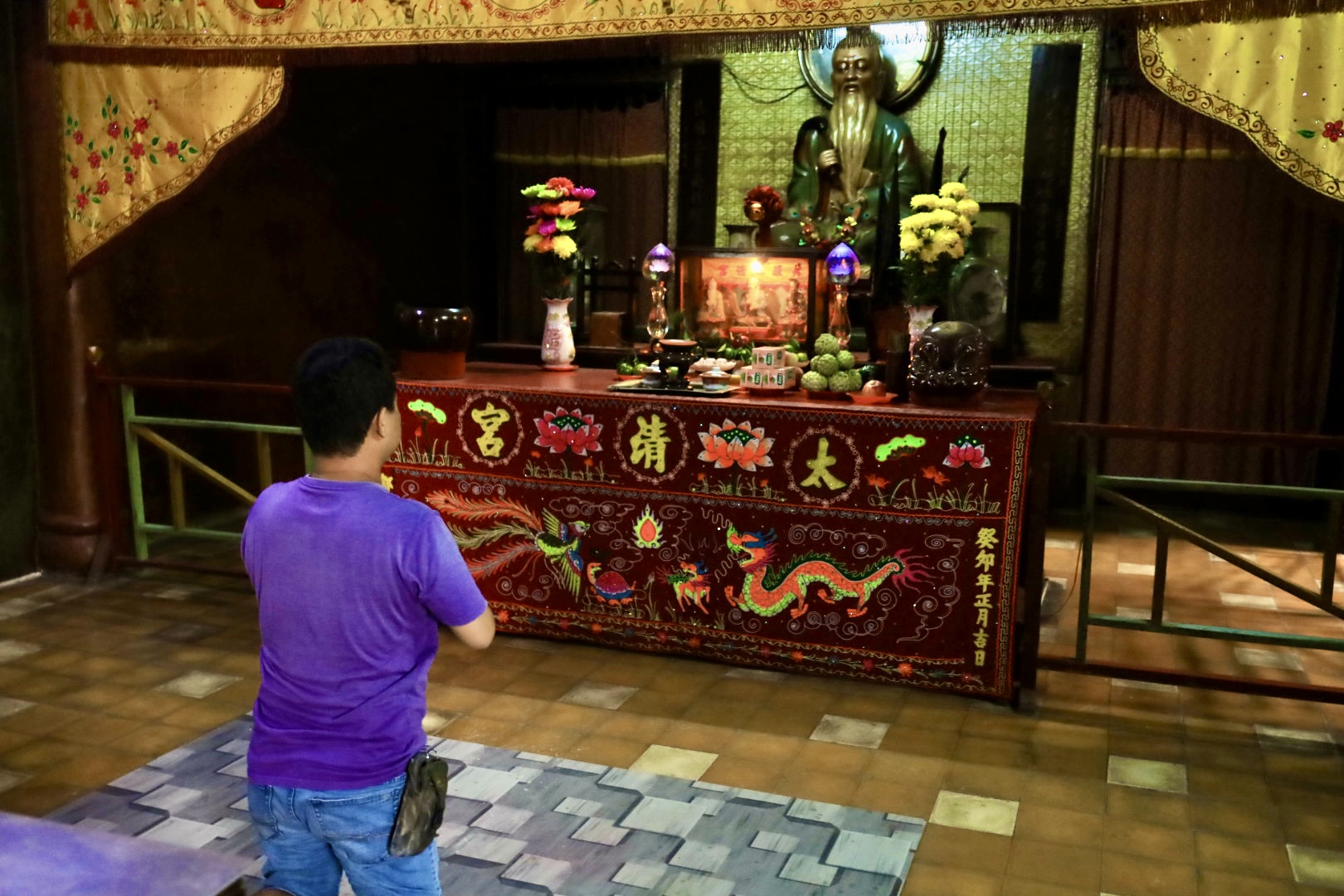
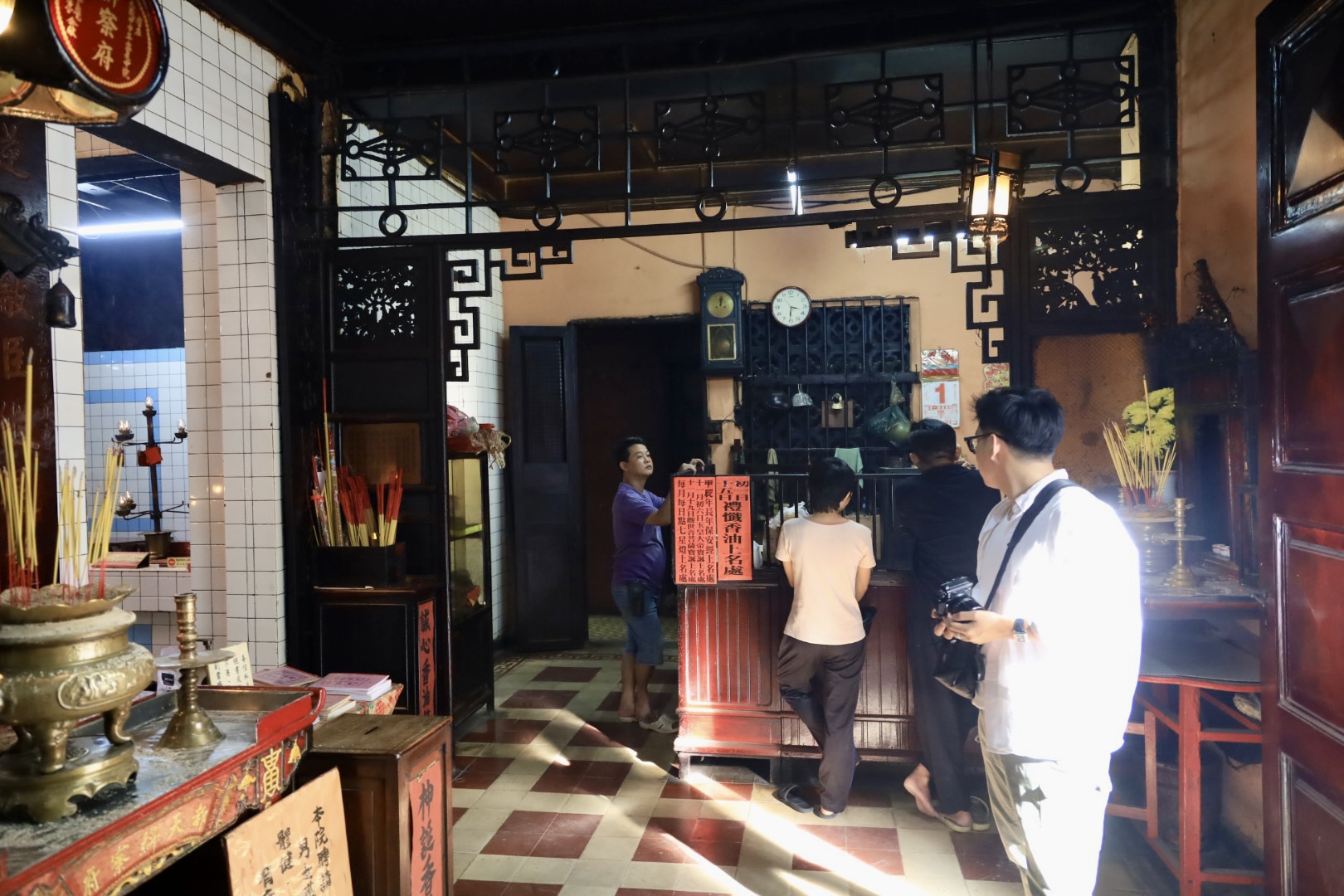
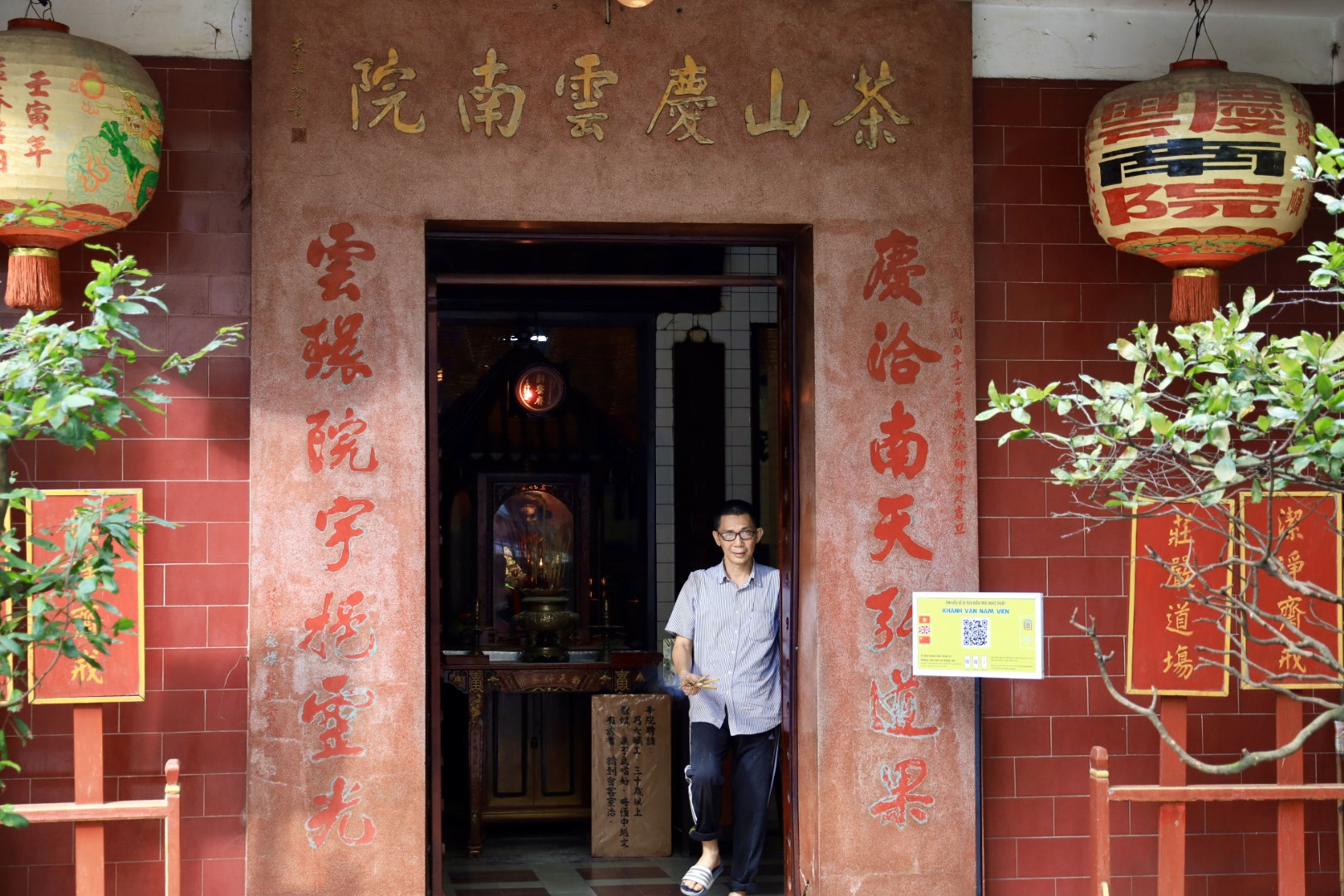
Another aspect of Taoism that Khanh Van Nam Vien still preserves is the Trung Nguyen Pho Do festival (the 15th day of the 7th lunar month) - the ritual of breaking the Five Directions of Hell. This ceremony attracts a large number of Chinese people in the area and lasts from the 1st to the 15th day of the 7th lunar month. - Photo: NGOC QUY
Source: https://nld.com.vn/khanh-van-nam-vien-hanh-trinh-gan-100-nam-giu-hon-dao-196250126123203063.htm

![[Photo] Two flights successfully landed and took off at Long Thanh Airport.](/_next/image?url=https%3A%2F%2Fvphoto.vietnam.vn%2Fthumb%2F1200x675%2Fvietnam%2Fresource%2FIMAGE%2F2025%2F12%2F15%2F1765808718882_ndo_br_img-8897-resize-5807-jpg.webp&w=3840&q=75)

























































Comment (0)