

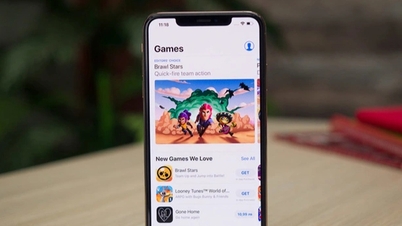
Apple's decision to reopen the App Store was not voluntary but aimed at complying with a new European regulation – the Digital Markets Act (DMA), which requires major tech companies to open their platforms by March of this year.
This could threaten the lucrative App Store business, especially if developers like Spotify and Microsoft leverage the new regulations to bypass Apple's 30% in-app purchase fee and launch their own app stores for iPhones.
However, Apple took precautions by announcing a new fee structure in Europe, which includes an annual fee for each installation of popular apps not purchased through the App Store. As a result, many developers ultimately end up paying the same amount to Apple.
The iPhone manufacturer believes that the new European regulations put users at risk of fraud and abuse because apps that don't go through the App Store won't be reviewed for content and may contain malware. The company also warned that some new browser apps don't use Apple's engine, affecting device battery life.
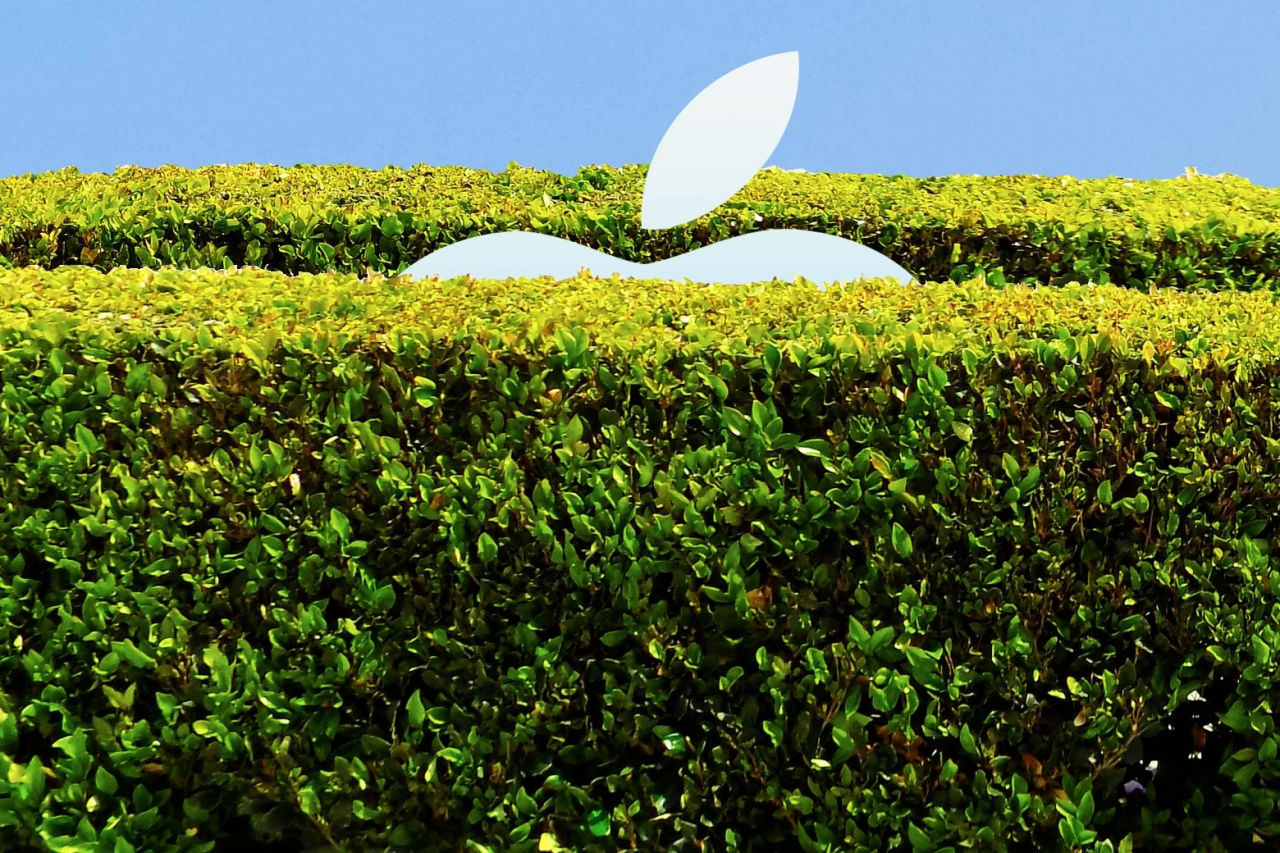
App developers in general can celebrate the news because for years they have debated Apple's fees and its rigorous app review program that frequently rejects app updates. While regulators around the world are seeking to force Apple to open up its platform, the change on January 25th is the most drastic to date and somewhat illustrates what could happen if the US adopted similar regulations.
The change is limited to Europe and accounts registered in that region, rather than globally. It will be implemented in March in a new iOS update.
Details of changes to the App Store
Apple has stated that it will allow other companies to provide app stores for iPhones in Europe, but they must be authorized by Apple. Apple will know which company is operating which store and has the full right to revoke their license if it contains fraudulent or malicious apps.
For users, this means that apps installed from marketplaces outside the App Store will appear in settings, along with information about where and when they were downloaded. When a developer uploads an app in Europe, they get to choose which marketplace to upload it to. Apple will "certify" the apps, scanning them for malware or programming errors.
For companies like Spotify and Microsoft – which have already expressed interest in distributing apps outside the App Store in Europe – the new regulations don't conflict with their plans, but Apple has erected barriers to make this more difficult.
Apple also allows app developers to collect money directly from users. Previously, users could only purchase virtual items like in-game coins through Apple's billing system, often incurring a fee of 15% to 30%. However, from now on, developers are allowed to include credit card numbers in their apps or link to their websites for users to make payments.
However, Apple still collects fees and commissions from apps even if they have their own payment systems or are distributed through external marketplaces. If a developer chooses one of the external systems, Apple will automatically reduce the commission in Europe but add an installation fee for popular apps.
Specifically, the company will charge 0.50 EUR for the first installation of apps with over 1 million users to cover Apple's software development and app distribution costs. A core technology fee will apply if the app is downloaded through a third-party marketplace or the App Store.
The DMA took years to perfect. Spotify was among the companies that strongly advocated for the legislation. Several other areas of Apple could come under scrutiny as the European Commission continues to examine the company's business practices, particularly regarding interoperability between iMessage and competitors. Apple has also made changes to its digital wallet and web browser technology.
Epic Games CEO Tim Sweeney criticized Apple's new plan as a "malicious compliance case," arguing that the new business terms introduce "junk" fees. Epic Games sued Apple for antitrust in the US in 2020 and lost the case.
(According to CNBC)
Source


![[Photo] General Secretary and President To Lam presides over a meeting on preparations for the review of one year of operation of the three-tiered government system.](https://vphoto.vietnam.vn/thumb/1200x675/vietnam/resource/IMAGE/2026/06/02/1780391821195_a1-bnd-4595-9717-jpg.webp)





















































































Comment (0)