Children living in hot, humid climates who sweat a lot are at a higher risk of developing fungal infections that cause tinea versicolor if they don't maintain good personal hygiene.
Dr. Vo Thi Tuong Duy, a specialist in Dermatology and Cosmetic Dermatology at Tam Anh General Hospital in Ho Chi Minh City, stated that the main cause of tinea versicolor is the excessive proliferation of the fungus Pityrosporum ovale, which parasitizes the skin. The disease can occur at any age, but teenagers and children, especially those living in hot and humid climates like Vietnam, are most susceptible.
According to Doctor Duy, children often engage in high-intensity physical activity, and hot weather easily leads to excessive sweating, creating favorable conditions for fungal infections, especially on the back, chest, neck, and groin. Poor hygiene or failure to dry thoroughly after bathing, along with weak immune systems, and oily skin conditions, coupled with hormonal changes, are also factors that contribute to the development of tinea versicolor.
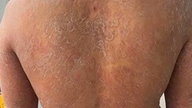
Children with this skin condition develop irregular patches of white, pink, or light brown, distinctly different from their natural skin color. These patches have fine, non-itchy, and painless scales on the surface. Children may experience a tingling, uncomfortable itching sensation.
Over time, the spots spread into large patches on the chest, back, and face, causing cosmetic problems. Ringworm can spread through direct contact, sharing towels, or sleeping in the same bed.


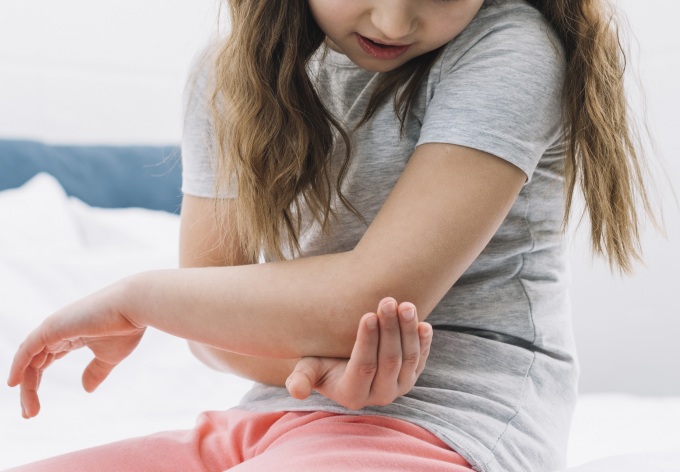
Children who sweat a lot are prone to developing tinea versicolor, which causes itching. Photo: Freepik
Many parents buy topical medications for their children themselves. However, according to Dr. Tuong Duy, this can make tinea versicolor more difficult to treat, as the symptoms are easily confused with other skin diseases. Parents should take their children to a dermatologist or cosmetic skin specialist for appropriate treatment.
In mild cases, doctors prescribe antifungal creams and shampoos. If tinea versicolor spreads, doctors may prescribe oral medication to kill and prevent the growth of the fungus.
Parents should adhere to the prescribed dosage of medication. Instruct children to maintain good personal hygiene, dry themselves thoroughly after bathing, and wear loose, breathable clothing. Limit strenuous activities to prevent excessive sweating.
To prevent ringworm from recurring, avoid using products that make the skin oily; apply sunscreen, wear a wide-brimmed hat, and wear a long-sleeved jacket when going outside. The diet should be nutritious, especially rich in vitamins and minerals, to boost the child's immune system.


Phuong Nga
| Readers with questions about dermatological diseases can submit their questions here. |
Source link