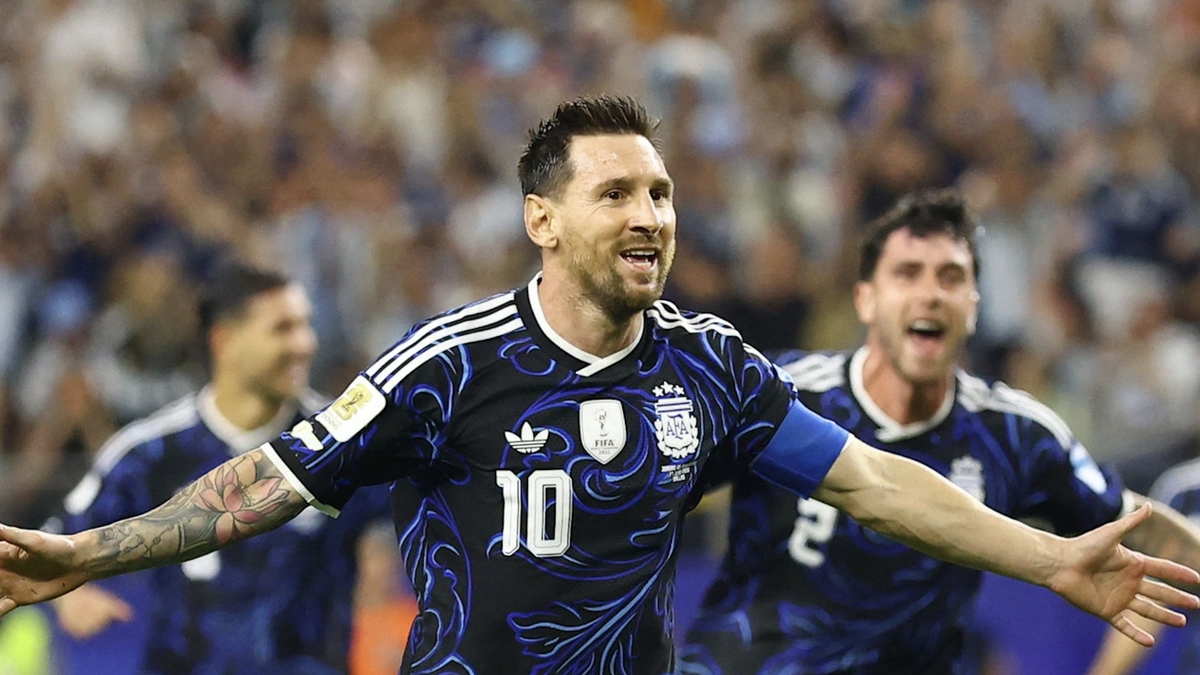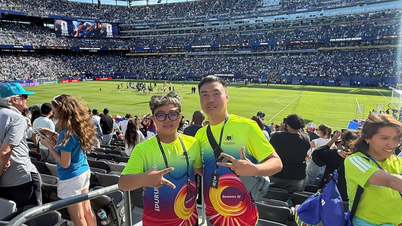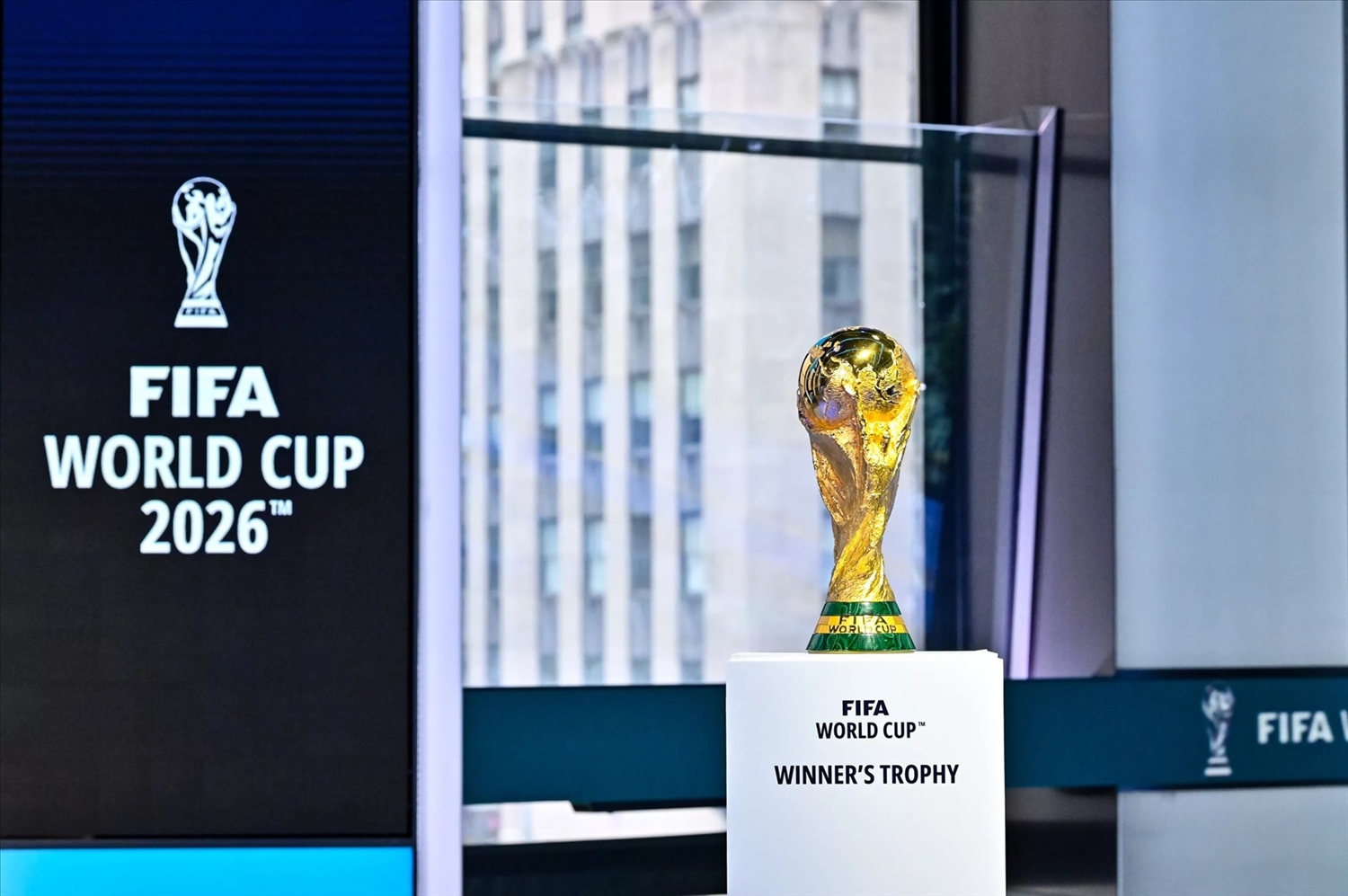
The 2026 World Cup will take place in the United States, Canada, and Mexico. Photo: IT
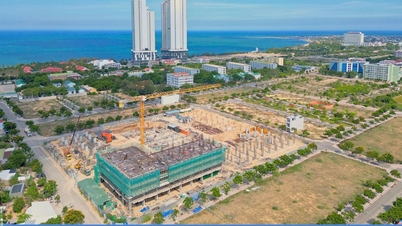
According to the Vietnam News Agency correspondent in Mexico, the Mexico City government announced it is implementing 30 key infrastructure projects around the Azteca Stadium – where the opening ceremony will take place on June 11 – with a total investment of over 6 trillion pesos (approximately 335 million USD). The investment items include upgrading transportation, urban beautification, improving security and lighting systems, and constructing a new market for more than 750 small businesses affected by the area's planning.
Speaking about the preparations, Mexico City Mayor Clara Brugada emphasized: “We are not just preparing for a sporting event, but also preparing to enhance the urban landscape, building an image of a modern, safe, and friendly Mexico.” She affirmed that the progress of the construction projects is being “monitored daily” to ensure completion on schedule.
The Azteca Stadium is undergoing upgrades to its hybrid turf pitch, improved VIP area, and enhanced access, with plans to increase its capacity to approximately 87,000 spectators. The Mexican Ministry of Sports stated that all renovations must meet "FIFA technical standards," particularly regarding security, media coverage, and medical services.
In Guadalajara, the capital of Jalisco state, local authorities say the expected number of visitors during the tournament could exceed 1 million, with matches featuring the Mexican team alone potentially attracting up to 200,000 people. The city has planned to add seven new hotels before the tournament and develop an additional 24 accommodation facilities by 2028 to meet long-term demand.
Meanwhile, in Monterrey, the capital of Nuevo León, the government is deploying a special World Cup investment fund, focusing on expanding the international airport, improving transport links, and upgrading service areas around the BBVA stadium. In a recent press conference, Governor Samuel García affirmed: “Monterrey will be the gateway to the world; we see this as an opportunity to position the city as a leading economic and sporting hub in the region.”
Meanwhile, many experts and scholars also praised Mexico's efforts. Dr. Carlos Arce, a sports economics expert at UNAM University, commented: “The 2026 World Cup could create ripple effects for years to come, especially for tourism, logistics, and service trade. If properly utilized, Mexico could achieve a 10–15% increase in tourism revenue in the year the event takes place.”
According to research by Deloitte in collaboration with Airbnb, homeowners in Mexico could earn more than $25 million from the shared accommodation platform during the tournament. In addition, the aviation and transportation sectors are expected to increase capacity by 8–12%, while the food and beverage and entertainment sectors are projected to see revenue growth of around 20% year-on-year.
However, preparations also presented challenges. Many fans reported technical errors in FIFA's ticket registration system, causing difficulties for users in the country. Mexican officials advised fans to "be patient and follow official instructions," and to work with FIFA to improve the system.
Observers believe that Mexico's success lies not only in the quality of its infrastructure, but also in its ability to ensure security, manage the flow of international tourists, and promote its cultural values and the hospitality of its people. The country's Ministry of Tourism says it is implementing training programs in foreign languages, service, and tourist safety for tens of thousands of workers in the industry.



Hosting the World Cup for the third time after 1970 and 1986, Mexico hopes the 2026 tournament will be a "milestone of transformation," showcasing its organizational capabilities while laying the foundation for sustainable development of tourism and urban economy in the years to come.
Source: https://bvhttdl.gov.vn/mexico-tang-toc-chuan-bi-world-cup-2026-20251105090405754.htm