

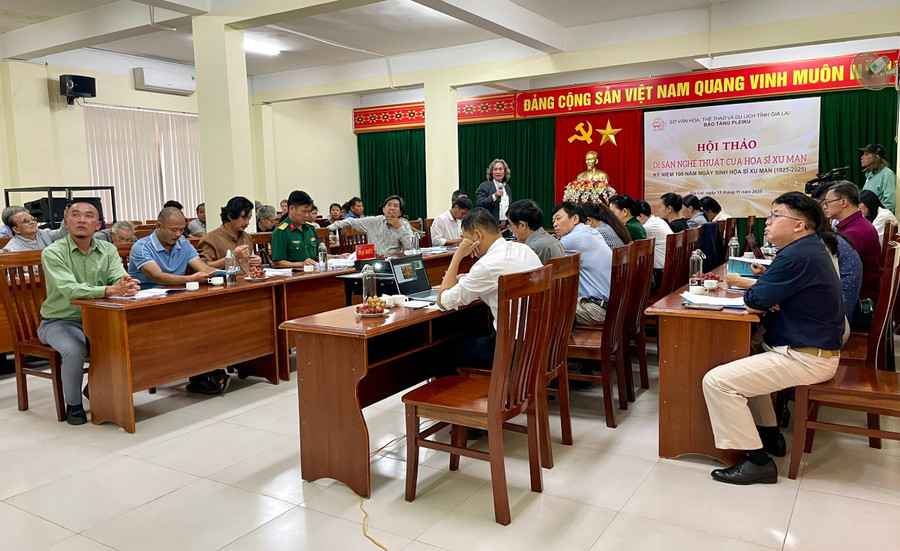
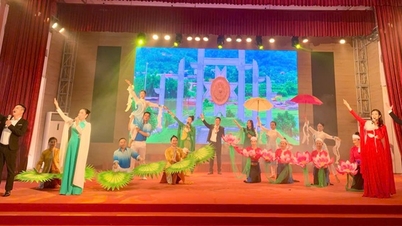
The workshop was held to evaluate and honor the contributions of painter Xu Man to the fine arts of Gia Lai in particular and Vietnam in general on the occasion of the 100th anniversary of his birth (1925-2025). Opinions at the workshop also discussed the current situation of collecting, introducing and researching the artistic heritage of painter Xu Man; at the same time, suggesting directions for preserving and promoting the value of the artistic heritage of this talented painter.
"The sacred child of the forest"
Citing the novel “The Sacred Child of the Forest” written by writer Trung Trung Dinh inspired by the life and career of painter Xu Man, at the conference, Professor, Doctor, sculptor Nguyen Xuan Tien - Chairman of the Ho Chi Minh City Fine Arts Association shared his deep feelings for the painter of the mountains and forests.
Painter Xu Man was born in 1925 in De Krăl village (now Plei Bong, Ayun commune, Gia Lai province) in a poor Bahnar family. Before 1954, he and his whole family worked as servants for the village chief, living in poverty, his parents passed away early. In 1954, painter Xu Man became enlightened and followed the revolution.
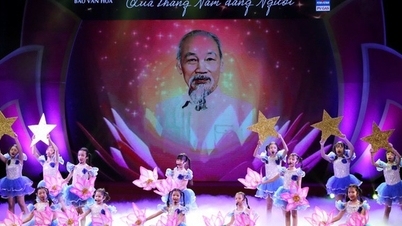
Since the 1960s, after returning to the South, he participated in the war, worked in many units in the Central Highlands, then was sent to Hanoi to study painting at the Vietnam Fine Arts School (now the Vietnam University of Fine Arts). During this time, he had the honor of meeting Uncle Ho, so his image and teachings became a great, endless source of inspiration for his later works.
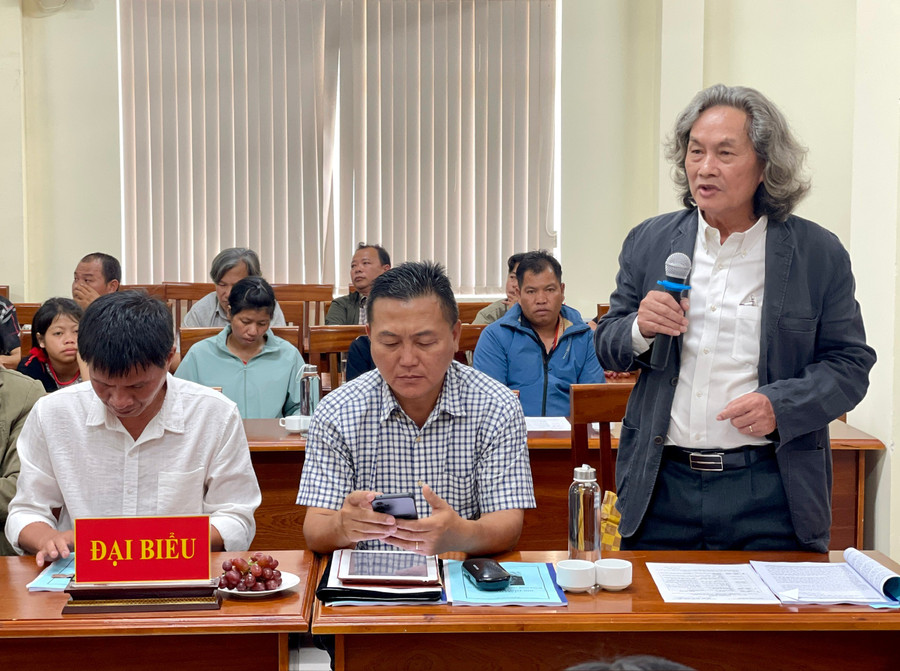
Professor, Doctor, Sculptor Nguyen Xuan Tien commented: Painter Xu Man's paintings stand out with their epic character, imbued with the cultural identity of the Bahnar people and the feelings and aspirations of the Central Highlands people.
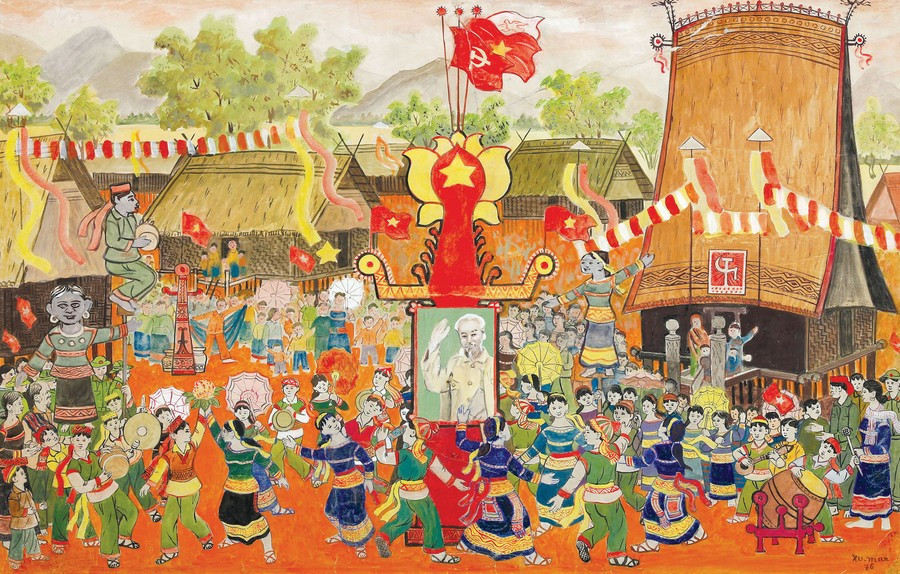
His works are expressed in many different materials, such as oil, lacquer, gouache, etc., often depicting community life, village activities and the indomitable spirit in combat. He painted thousands of pictures of the Central Highlands, especially the image of Uncle Ho with the Central Highlands people, including famous works such as: "Uncle Ho with love for the Central Highlands", "Uncle Ho with the Central Highlands", "Festival on the Central Highlands", "Dawn on the Central Highlands mountains and forests"...
With his great contributions, painter Xu Man was awarded many noble prizes, notably the A prize at the National Fine Arts Exhibition in 1976 and 1980. He was also the first painter of the Central Highlands to be awarded the State Prize for Literature and Arts in the field of fine arts. In addition, painter Xu Man was a member of the Executive Committee of the Vietnam Fine Arts Association, term II; Vice President of the Gia Lai Literature and Arts Association, term I.
His paintings are currently preserved and displayed in many major museums, including the Vietnam Fine Arts Museum, the Ho Chi Minh City Fine Arts Museum and a number of local museums, and are also present in many private collections at home and abroad. “The echoes of the Central Highlands epics in his works have greatly contributed to the diverse identity of modern Vietnamese fine arts,” said the Chairman of the Ho Chi Minh City Fine Arts Association.
Attending the workshop, Master Nguyen Hoang Long (Vietnam Fine Arts Museum) informed: Currently, the Museum is preserving 16 works by artist Xu Man. Looking at the overall work, we can see the consistency in his very own language system. Accordingly, the shapes and lines in the paintings are often simplified, tending to be symbolic and iconic; the colors are dark and bold, combining high contrast but very harmoniously. The composition in his paintings is mostly a communal composition, emphasizing the collective rhythm; the epic spirit is throughout, blending historical-cultural-spiritual memories of the People.
Analyzing some typical works of the artist who is considered as “the leading bird of the Central Highlands fine arts”, in which the works on the theme of President Ho Chi Minh stand out, Master Nguyen Hoang Long affirmed that these are “pages of memories imbued with the artist’s personal feelings, and at the same time express the hearts of the Central Highlands people for Uncle Ho. He placed Uncle Ho in the communal space of the communal house, of the great forest and in the joyful arms of the people. The work has transformed the author’s love into a moment of meeting between national ideals and local identity”.
Proposing solutions for conservation and promotion
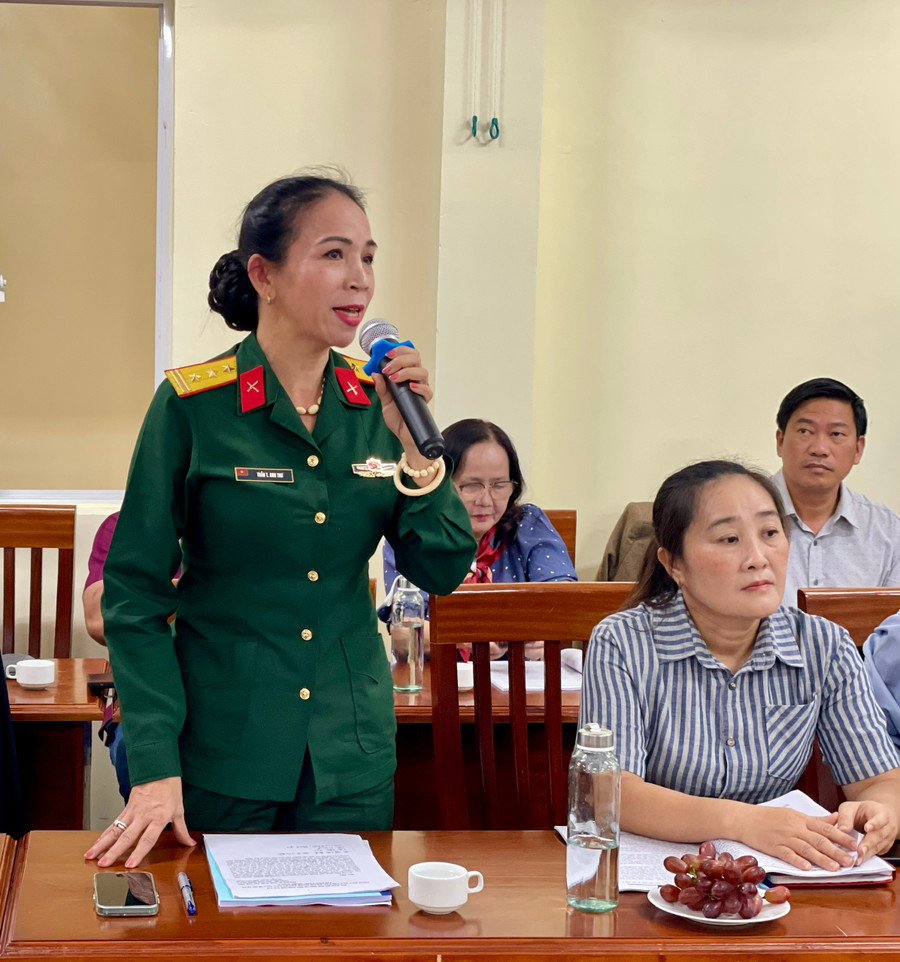
Talking about the only work of artist Xu Man that the Military Zone 5 Museum (Da Nang) is preserving and displaying, Lieutenant Colonel, Master Tran Thi Anh Thu - Museum Director said: In 1978, the Museum started construction. Because the number of artifacts, images, and documents collected at that time was very modest, the Museum's Board of Directors proactively advised Military Zone 5 to launch a "Campaign to create paintings and fine art sculptures on the theme of armed forces and revolutionary war on the battlefield of Zone 5". The campaign quickly spread, attracting the participation of many artists inside and outside the army, including artist Xu Man.
With a deep love for his homeland, in 1980, artist Xu Man carefully painted each brushstroke to complete a painting of special value, with the theme: "The Central Highlands people rose up to seize power in the August Revolution of 1945" (oil on canvas, size 1.85 x 0.75 m).
In 1982, he donated this work to the Military Region 5 Museum. The painting tells a vivid, authentic and emotional historical story, thereby recreating the seething revolutionary atmosphere and strong uprising spirit of the ethnic groups in the Central Highlands during the historic autumn days.
Recognizing that the works of artist Xu Man are “wordless lessons” that help nurture patriotism, arouse national pride and a sense of responsibility in each person, especially today’s young generation, Lieutenant Colonel, Master of Science Tran Thi Anh Thu proposed spreading the value of his artistic heritage by building “History lessons through painting”; mobile exhibitions of Xu Man’s paintings at schools and localities in the Central Highlands; digitizing paintings and spreading them on digital platforms to increase propaganda effects.
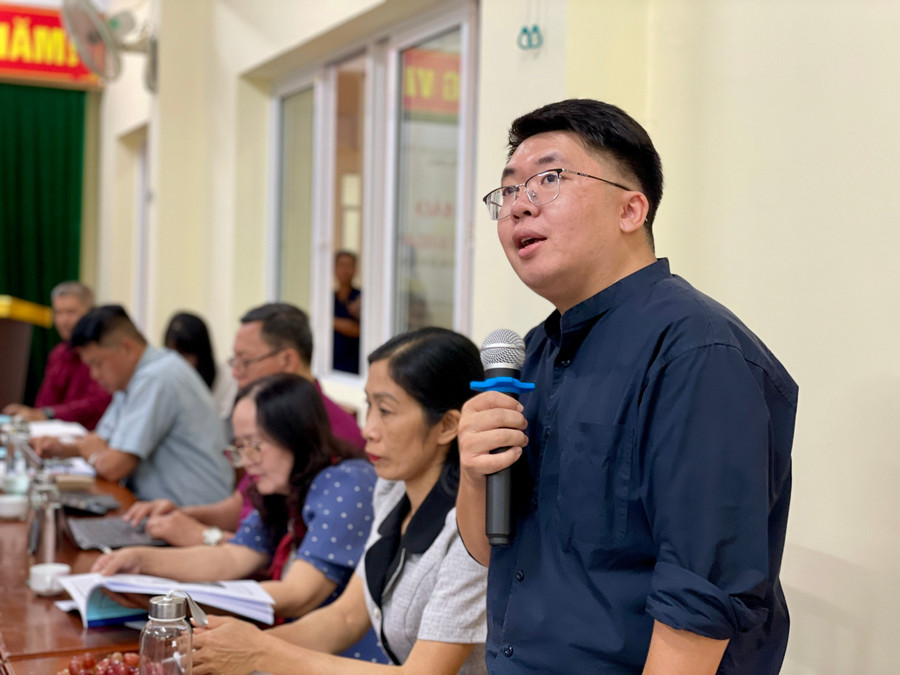
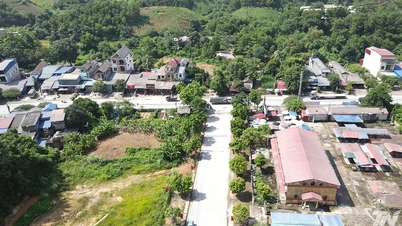
Sharing at the workshop about his good fortune to be a student of artist Xu Man and to have seen his teacher painting in the stilt house in Plei Bong, artist Siu Quy - Permanent Vice President of the Ho Chi Minh City Fine Arts Association could not help but be moved. He also expressed his joy when in June 2025, artist Xu Man's house in Plei Bong was ranked as a provincial-level relic by the Gia Lai Provincial People's Committee.
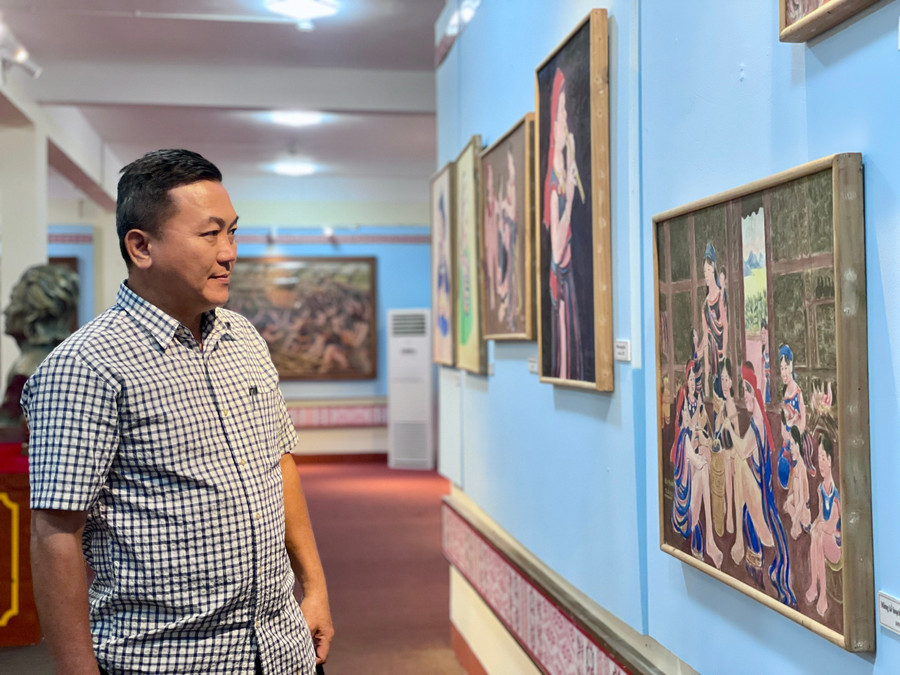
To help the younger generation and the people better understand the great contributions of artist Xu Man, the Standing Vice President of the Ho Chi Minh City Fine Arts Association proposed naming the road section from the intersection with Highway 19 to Plei Bong after Xu Man. He also pointed out the advantages of creating connections and promoting traditional cultural identities to develop tourism, improve the spiritual and material life of local people. Specifically, implementing related services such as: sightseeing, accommodation, experiencing local cuisine, selling souvenirs, etc.
As for the house relic of painter Xu Man, it is necessary to recreate the living and working environment of the painter with a fire, a painting corner and traditional household utensils of the Bahnar people. In addition, display versions of some of his typical paintings, explaining the story of painter Xu Man's creative life in a realistic and beautiful way.
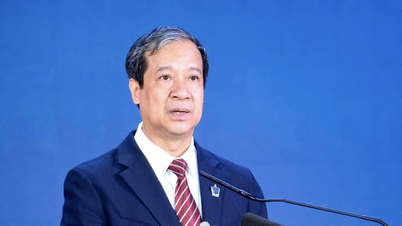
Attending the workshop, Deputy Director of the Department of Culture, Sports and Tourism Le Thi Thu Huong expressed her thanks for the above-mentioned enthusiastic suggestions and comments from the delegates. The Deputy Director of the Department affirmed that she would accept and study the contents under the authority of the Department, and would focus on implementing them; any contents beyond the authority would be asked for direction from the province.
Ms. Huong also suggested that we should research and include content about the life and career of painter Xu Man in local education programs to spread the image of "the leading bird of Central Highlands fine arts".
Source: https://baogialai.com.vn/mo-loi-bao-ton-phat-huy-di-san-nghe-thuat-cua-hoa-si-xu-man-post572400.html






















































Comment (0)