

(CLO) People who frequently use ChatGPT tend to be lonelier, more emotionally dependent on the AI tool, and have fewer real-life social relationships, according to new research from OpenAI and MIT Media Lab.
Data from nearly 40 million interactions with ChatGPT shows that people who tend to chat with ChatGPT as individuals often feel lonelier. The studies also raise the crucial question: Does chatbot make users feel lonelier, or are lonely people actually seeking connection from AI?
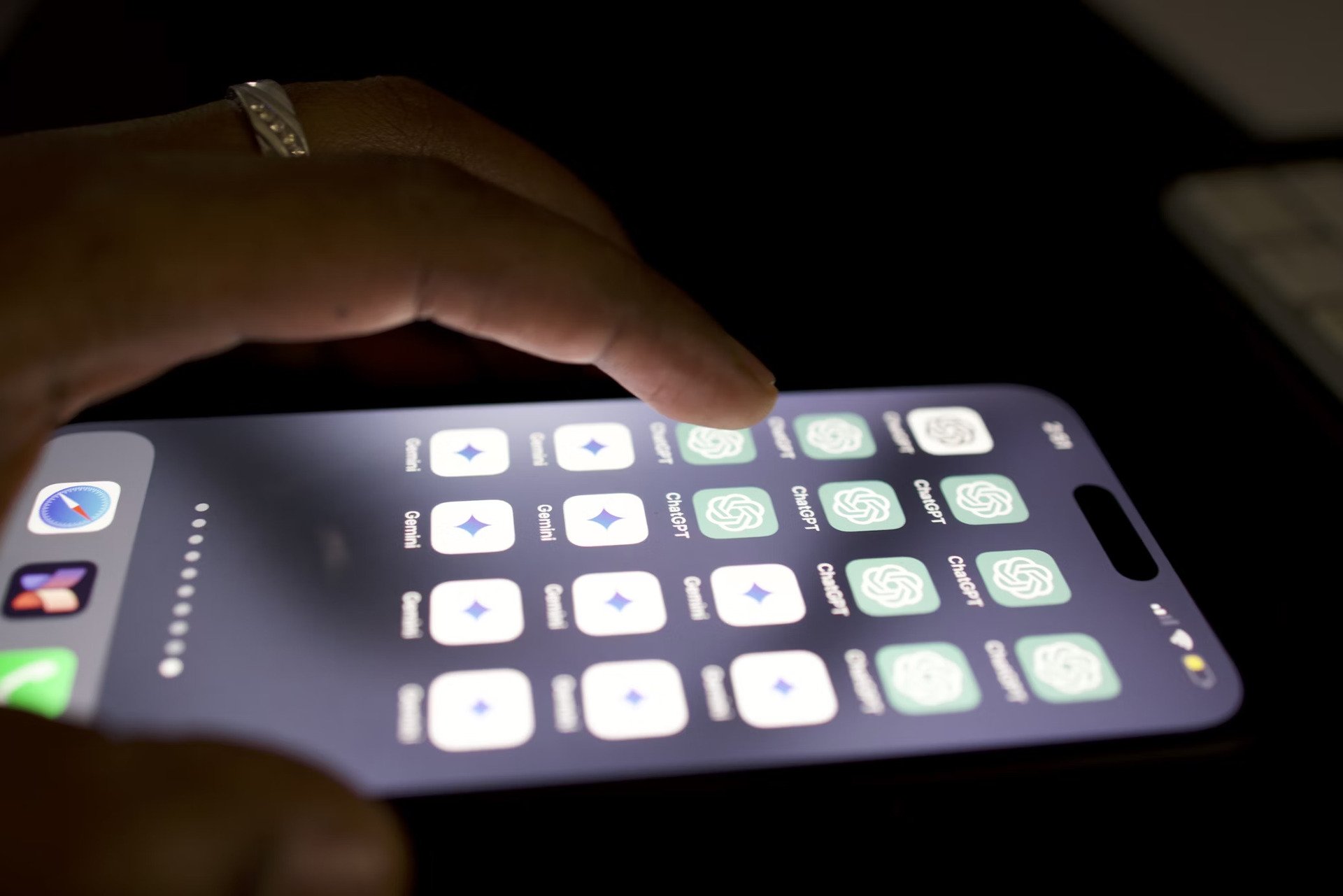
Illustration photo: Unsplash
The study consisted of two parts. In the first study, scientists analyzed data from nearly 40 million ChatGPT conversations and surveyed 4,076 users about their feelings while using the tool. The results showed that those who spent more time chatting with the AI tended to feel lonelier and more dependent on it.
In the second study, MIT Media Lab invited nearly 1,000 participants to a four-week experiment. Each day, they had to interact with ChatGPT for at least five minutes, then complete a questionnaire assessing their level of loneliness, social interaction, and dependence on the chatbot.
The results showed that after 4 weeks, female users tended to interact less with others than male users. In particular, those who chatted with ChatGPT using their gender-neutral voice mode experienced significantly higher levels of loneliness and emotional dependence on the chatbot.
Initially, researchers found that voice chatbots helped reduce loneliness more effectively than text-only chatbots. However, as usage frequency increased, this effect gradually disappeared.
These findings are consistent with a previous study by the MIT Media Lab in 2023, which showed that AI chatbots tend to reflect users' emotions. If users message in a happy mood, the chatbot will respond in a more positive way, and vice versa.
Dr. Andrew Rogoyski, Director of the Human-Centered Artificial Intelligence Institute at the University of Surrey, warns that humans tend to perceive AI as an entity with emotions, making conversations with chatbots psychologically dangerous.
He compared confiding in AI too much to "brain surgery without knowledge of the long-term effects," and warned that the negative impacts could be even more serious than social media.
Dr. Theodore Cosco, a researcher at Oxford University, believes this study raises significant concerns about the misuse of chatbots, but also opens up many opportunities. He argues that AI could play a positive role in supporting people who feel isolated, but requires oversight and caution in daily life.
Dr. Doris Dippold, an expert on intercultural communication at the University of Surrey, questions whether the reliance on chatbots stems from users being "stuck" with their computers or phones instead of interacting directly with others. Or perhaps it is precisely the interaction with AI that makes people crave more connection.
Although no definitive conclusions have been reached, this study emphasizes that AI is having a significant impact on human life, particularly in terms of emotions and social relationships.
Hoai Phuong (according to Guardian, Fortune)
Source: https://www.congluan.vn/nguoi-dung-chatgpt-nhieu-co-xu-huong-co-don-hon-post340148.html
![[Photo] Two flights successfully landed and took off at Long Thanh Airport.](/_next/image?url=https%3A%2F%2Fvphoto.vietnam.vn%2Fthumb%2F1200x675%2Fvietnam%2Fresource%2FIMAGE%2F2025%2F12%2F15%2F1765808718882_ndo_br_img-8897-resize-5807-jpg.webp&w=3840&q=75)


























































































Comment (0)