

In the first six months of 2024, steel imports into Vietnam reached their highest level in history, posing a risk of losing the domestic market.
Concerns over steel imports from China.
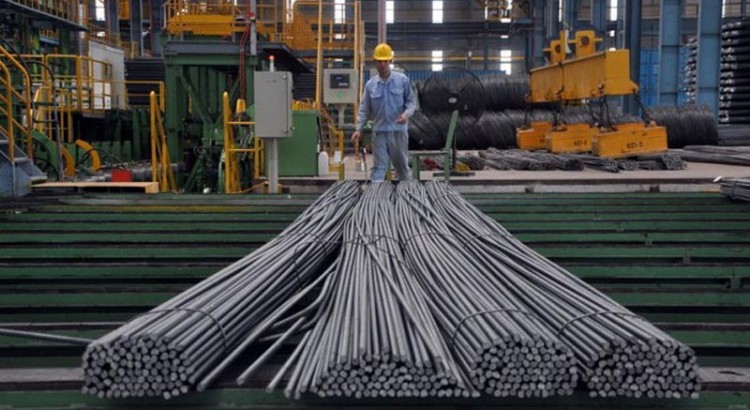
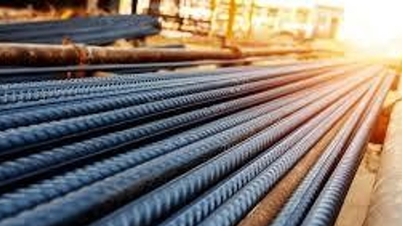
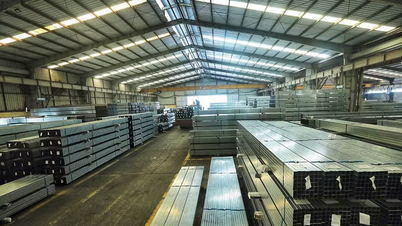
According to the latest report from the General Department of Customs, in the first six months of 2024, Vietnam imported more than 8.2 million tons of steel (a 48% increase compared to the same period last year) with a total value of nearly 6 billion USD (a 25.4% increase compared to the same period last year). Imports of iron and steel products amounted to over 3.03 billion USD, a 24.8% increase.
According to a report by the Vietnam Steel Association, Vietnam currently ranks 12th in the world and first in ASEAN in steel production, with a production scale that could reach 30 million tons in 2024. However, the steel industry is currently facing many difficulties due to the downturn in the real estate market, rising raw material prices, large inventories, etc. A worrying aspect for the Vietnamese steel industry is the risk of losing its domestic market due to steel imports from China, as China is the leading importer of steel into Vietnam. In 2023, China imported 8.2 million tons of iron and steel into Vietnam, equivalent to over 5.6 billion USD, accounting for 62% of the total volume and 54% of the total value of iron and steel imports into the country.
In the first five months of 2024, China exported 45 million tons of steel, a 25% increase compared to the same period in 2023. Chinese steel continued to flood the Vietnamese market. In the first four months of 2024 alone, Vietnam imported over 5.4 million tons of steel, a 42% increase year-on-year. Of this, Vietnam imported 3.7 million tons of steel from China, accounting for 68% of total imports.
China is the world's leading producer and exporter of steel, with approximately 500 steel mills of various types, totaling about 1.17 billion tons of steel per year in 2023. Due to the supply of steel far exceeding domestic demand, Chinese steel producers have begun dumping steel in overseas markets. Vietnam is one of the countries significantly affected by this surge in Chinese steel exports.
 |
Economist Dr. Nguyen Tri Hieu believes that the recent sharp increase in Chinese steel imports stems from the slowdown in China's economic growth and the cooling real estate market, which have weakened demand for steel. This has led China to increase its steel exports. Currently, China accounts for more than half of the world's steel production, so simply changing its export strategy to increase exports puts significant pressure on other countries, including Vietnam.
Even in the case of stainless steel products, which Vietnam is currently imposing anti-dumping duties on, Vietnam is one of China's top 10 stainless steel exporting countries. Annually, the Vietnamese market consumes approximately 250,000 tons of stainless steel, with domestic businesses selling over 115,000 tons (about 45%) and importing 135,000 tons (about 55%). Meanwhile, the production capacity of just the top four manufacturers in Vietnam is over 800,000 tons per year, nearly three times the total domestic consumption.
Chinese stainless steel is subject to over 102 anti-dumping duties worldwide, including in Vietnam. However, China has managed to maintain its market share in steel exports in general, and stainless steel exports in particular. If Vietnam lifts its anti-dumping duties, it will be difficult to prevent a surge in imports from China.
What can I do to block the signal?
To date, Vietnam has applied 12 out of 28 trade defense measures against steel products, accounting for approximately 46% of all trade defense measures ever undertaken against all types of products in Vietnam. These anti-dumping cases have always been supported by the Government and the Vietnam Steel Association to protect the domestic industry from being harmed by dumping practices by foreign manufacturers and exporters. China has consistently been accused of dumping in all previous anti-dumping cases involving cold-rolled steel, color-coated steel sheets, galvanized steel, and stainless steel.
Mr. Pham Cong Thao, Vice Chairman of the Vietnam Steel Association, believes that the WTO has tools to limit unfair competition such as dumping in the market or imported steel affecting and harming the domestic steel industry. Vietnam's steel industry is still relatively young, therefore its competitiveness is limited. When imported steel floods the market and is dumped, harming the Vietnamese steel industry and hindering its development, businesses are forced to choose tools and solutions to protect their legitimate interests.
“In the past, the Government has also implemented policies to support the steel industry, especially trade defense policies. We have also had some trade defense measures applied to products such as steel billets, construction steel, stainless steel, and color-coated steel sheets… Recently, businesses have also raised the issue of applying trade defense measures to some new products and continuing to maintain trade defense measures for some products such as stainless steel,” Mr. Thao said.
Speaking at the Talkshow "Protecting Steel Manufacturers in a Pincer Situation" organized by the Investment Newspaper, Dr. Nguyen Thi Thu Trang, Director of the WTO and Integration Center (VCCI), stated that in most trade defense cases, the businesses filing the lawsuits requesting the application of trade defense measures, especially anti-dumping measures, have made thorough preparations and possess tools and evidence that meet legal requirements.
"According to our monitoring, none of the trade defense cases against steel have been rejected. The extent of application of trade defense measures, the level of tariffs, and the duration depend on each product type. This is based on the reality that the imported products subject to trade defense measures will be subject to measures that reflect unfair competition, dumping practices, and the extent of damage caused to the domestic industry," Ms. Trang stated.
According to Associate Professor Phan Dang Tuat, Chairman of the Vietnam Supporting Industries Association, steel is a product belonging to the group of oversized and overweight goods. If domestic production is achieved, it will help stabilize the market and the economy. Domestic businesses have the advantage of being closer to the market; if they are subjected to dumping, they will lose this advantage. Investigating anti-dumping practices on steel will make the market economy more transparent and positive.
Meanwhile, economist Le Dang Doanh, former Director of the Central Institute for Economic Management Research (CIEM), also believes that the dumping of steel will cause significant difficulties for domestic businesses, reducing revenue and affecting people's jobs. Therefore, anti-dumping investigations will protect domestic production. Trade defense measures can also help eliminate unfair competition from imported goods, thereby creating a fair competitive environment in the market.
Meanwhile, Mr. Phan Duc Hieu, Standing Member of the National Assembly's Economic Committee, affirmed that the steel industry is an extremely important input sector for the economy, society, and national defense and security. The development of the steel industry itself is an economic sector. All countries share the same view on the role of the steel industry. Because of this importance, steel is also the reason for trade protection and defense policies aimed at protecting domestic production.
Source: https://baodautu.vn/nhap-khau-thep-tang-ky-luc-viet-nam-phai-lam-gi-d220012.html



![[Photo] General Secretary and President To Lam presides over a meeting on preparations for the review of one year of operation of the three-tiered government system.](https://vphoto.vietnam.vn/thumb/1200x675/vietnam/resource/IMAGE/2026/06/02/1780391821195_a1-bnd-4595-9717-jpg.webp)






















![[Image] Affirming the aspirations and new standards of the Vietnamese real estate market in the new era.](https://vphoto.vietnam.vn/thumb/1200x675/vietnam/resource/IMAGE/2026/06/03/1780441948766_giai-thuong-bat-dong-san-2026-minh-duy-6-7364-jpg.webp)
















































Comment (0)