

Immediately after completing the rice harvest in early September, farmers in the vast Muong Lo plains did not take time to rest but quickly began preparing for the winter crop – the third production season of the year. In Cau Thia, Trung Tam, and Nghia Lo wards, people are urgently clearing rice stubble, improving the soil, and planting short-term crops with high economic value, such as glutinous corn, sweet corn, sweet potatoes, potatoes, and many kinds of vegetables… creating a bustling and urgent atmosphere of labor throughout the fields.
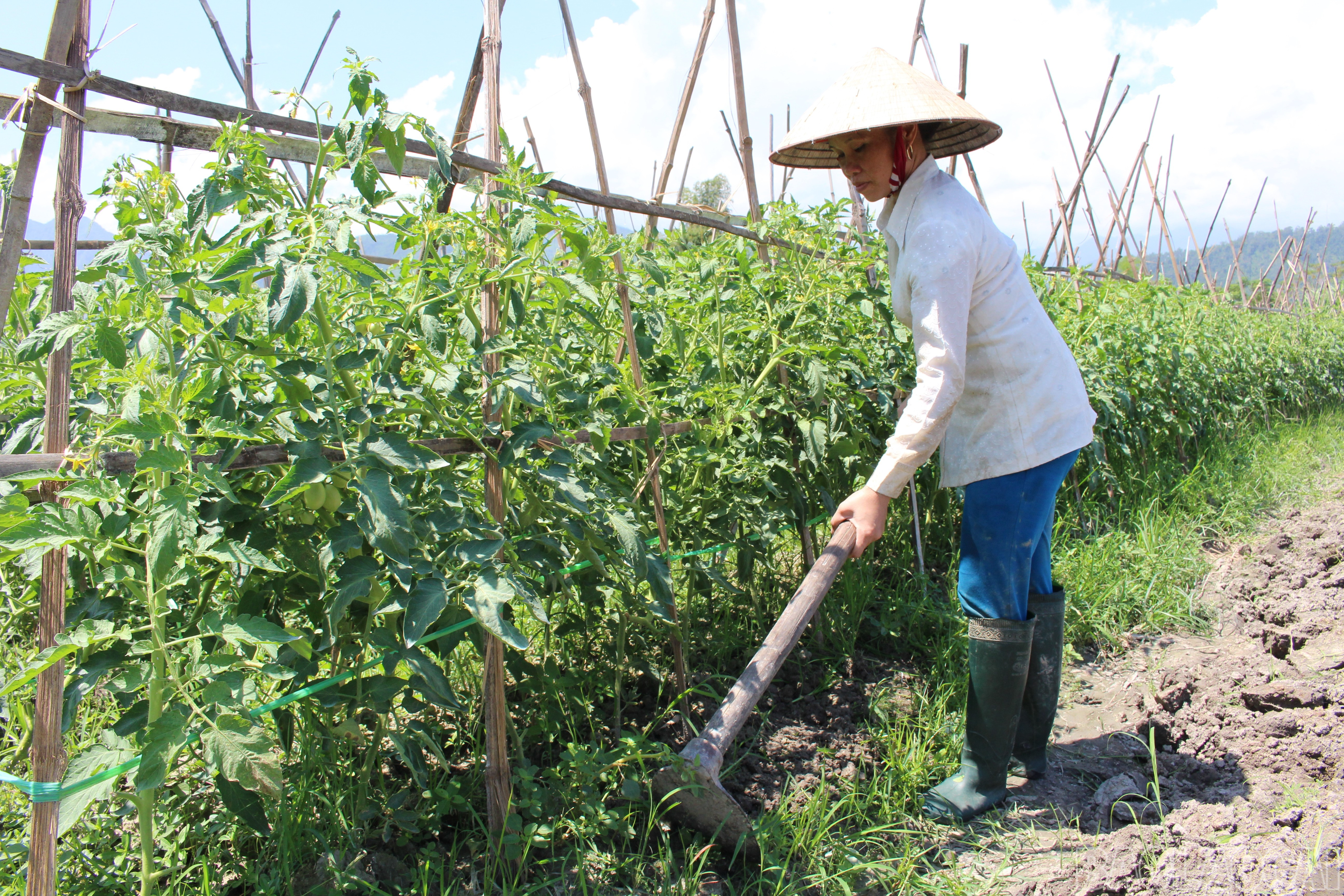
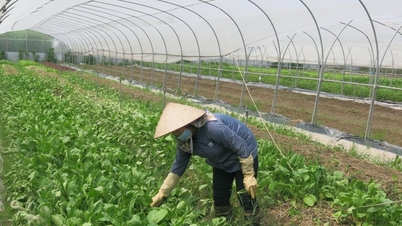
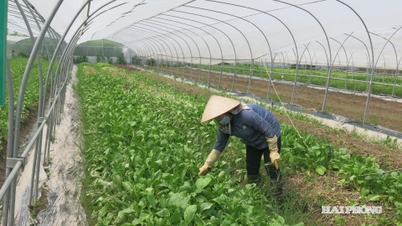
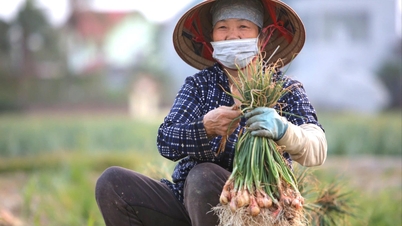
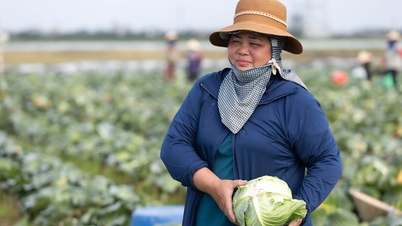
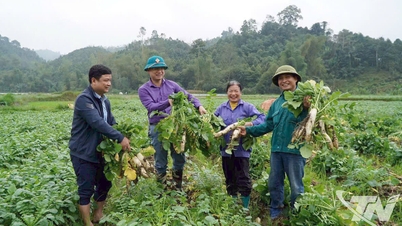
In mid-November, across the fields of Muong Lo, the lush green of growing vegetables stretches endlessly, interspersed with the red of ripe tomatoes and the yellow of gourd and pumpkin flowers. All these elements blend together to create a vibrant agricultural landscape, clearly demonstrating the diligent and efficient work of the local people.
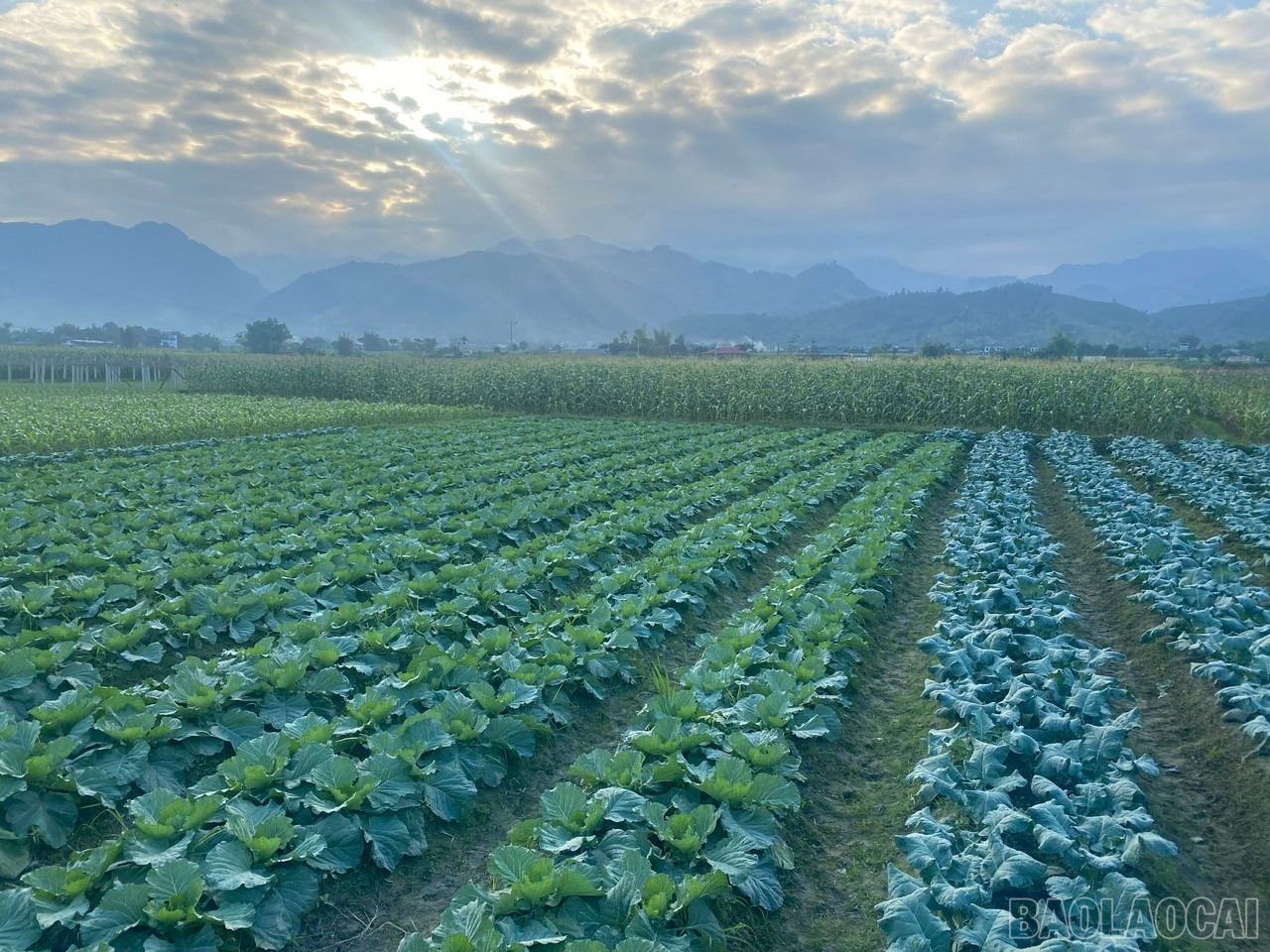
For many years, Ms. Hoang Thi Vien, from Ta Tiu residential area, Trung Tam ward, has been cultivating various types of vegetables on her land previously used for two rice crops to increase her income.
Ms. Vien said: "With over 3,000 square meters of land used for two rice crops per year, this winter I converted half the area to growing tomatoes, and the rest to growing vegetables, beans, and peas. The weather has been favorable, so nearly half of this area has already been harvested. The income this season is 3-4 times higher than growing rice."
To ensure progress, acreage, and productivity, the People's Committees of Cau Thia, Trung Tam, and Nghia Lo wards directed agricultural officials to go directly to the grassroots level, mobilizing farmers to plant high-economic-value vegetables and crops, arranging them in multiple phases and staggered planting seasons to improve economic efficiency.
At the same time, the wards proactively coordinate the organization of training courses, technology transfer, and advise households to strictly adhere to safe vegetable production processes, especially for short-term vegetables, leafy vegetables, and herbs. They also provide weather forecasts and pest and disease information to guide people in timely application of control measures.
Thanks to this, farmers in the Muong Lo plain have now planted over 1,130 hectares of winter crops, meeting the provincial target.
The key factor that has made the winter crop in Muong Lo in recent years different and effective is the strong shift towards producing grain crops through value chains and guaranteed purchase contracts.
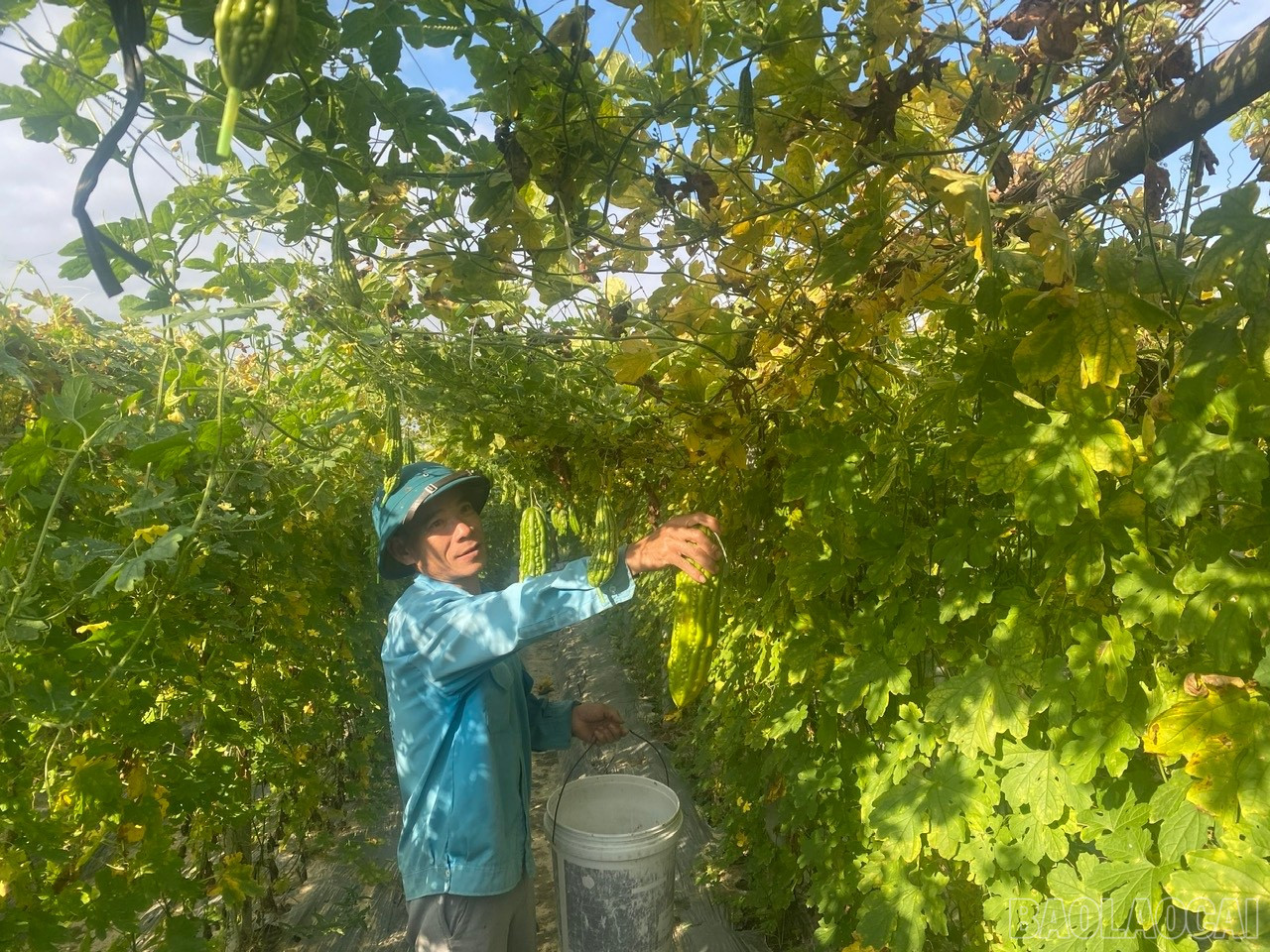
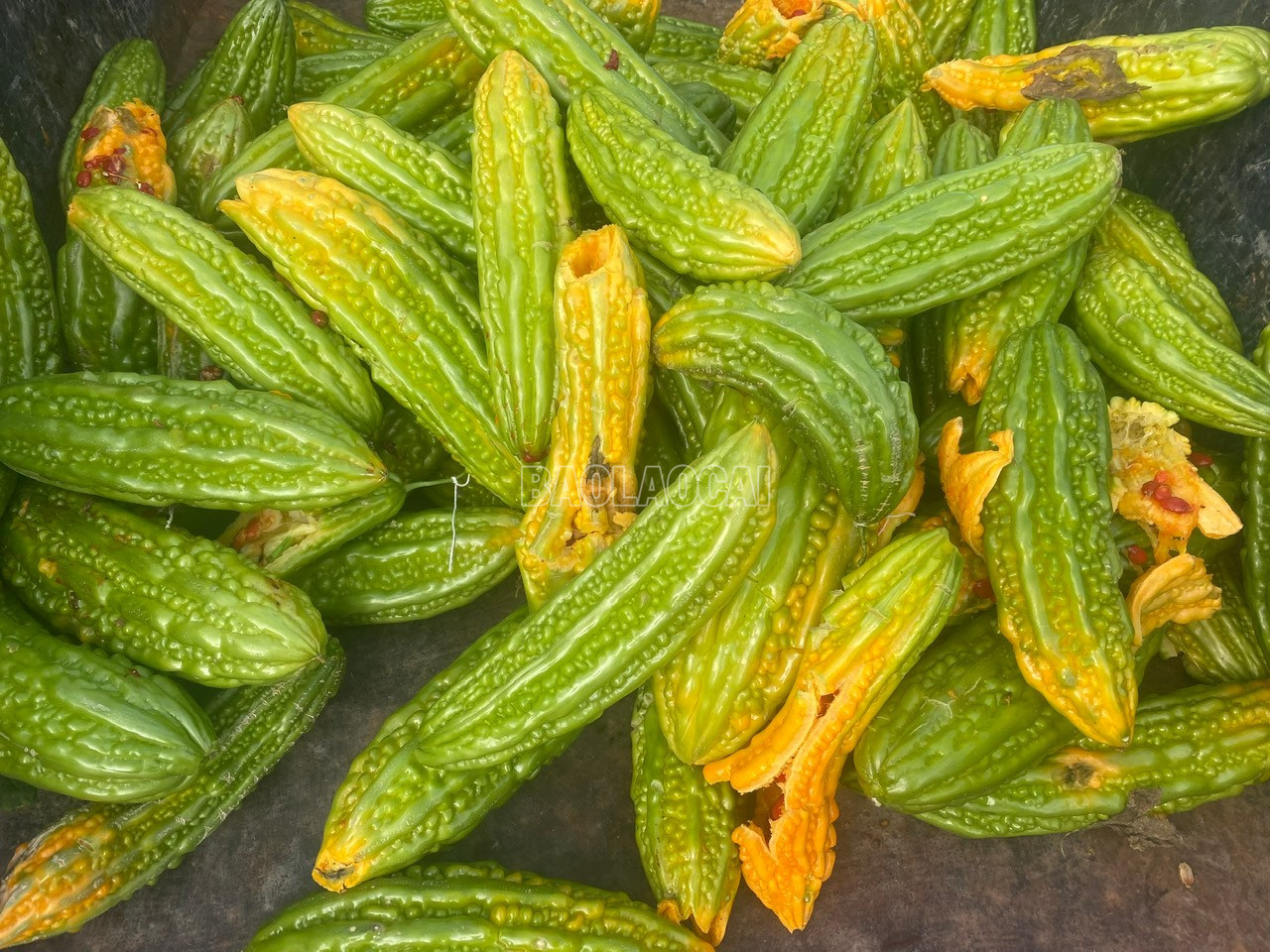

Instead of growing vegetables using traditional methods to sell commercially at unstable prices, many farmers have signed direct production contracts with large domestic seed companies.
In Cau Thia ward, more than 15 hectares of rice paddies have been converted to growing cucumbers, pumpkins, bitter melons, and fragrant melons for seeds instead of for commercial purposes as before.
Mr. Luong Van Suong, residing in Ban Tat residential area, Cau Thia ward, has 3 years of experience growing pumpkins for seeds using a collaborative model with Tan Loc Phat Seed Company Limited.
Mr. Suong said: “My family has 700 square meters of land, all planted with pumpkins for seed production. Seed production requires meticulous attention to detail and strict adherence to procedures, especially pollination techniques to achieve a high purity rate, as well as proper seed separation and drying times… However, we have the company's technical team to guide and assist us, and we also have a production contract signed before each planting season. On average, after deducting seed and fertilizer costs, my family earns 20 million VND per season. We plant two crops a year. The first crop is harvested before Tet (Lunar New Year), and the second crop is planted after Tet, yielding a harvest before the main crop season.”
According to Mr. Hoang Van Hoa, Deputy Head of the Economic, Infrastructure and Urban Planning Department of Cau Thia Ward, the seed-growing models implemented by local people have proven effective. Businesses are committed to purchasing all products from the outset at a fixed price, significantly higher than the price of ordinary commercial agricultural products. This eliminates the worry of "bumper harvests leading to price drops".
In addition, farmers receive support in the form of high-quality parent seeds, fertilizers, and agricultural supplies on a "supply first, deduct costs after harvest" basis, and are also provided with a rigorous technical process from pollination to harvesting. As a result, productivity and product quality are improved, ensuring that the seeds meet standards.
The model of growing crops for seeds yields high economic value; 1 kg of seeds sells for 700,000 - 900,000 VND/kg, resulting in a value of 300,000 - 400,000,000 VND/ha. This is an opportunity for the people of Muong Lo to earn a high income, even becoming their second main source of income each year.
By selecting high-value crops, farmers in Muong Lo are confidently taking control of production, turning the winter crop into a major production season of the year. This is the direction that helps Muong Lo not only maintain its position as the "second largest rice granary in the Northwest region" but also become a model of sustainable agricultural development, making a significant contribution to poverty reduction and the construction of new rural areas.
Source: https://baolaocai.vn/nhon-nhip-vu-dong-tren-canh-dong-muong-lo-post886846.html


![[Photo] General Secretary and President To Lam presides over a meeting on preparations for the review of one year of operation of the three-tiered government system.](https://vphoto.vietnam.vn/thumb/1200x675/vietnam/resource/IMAGE/2026/06/02/1780391821195_a1-bnd-4595-9717-jpg.webp)





























































Comment (0)