

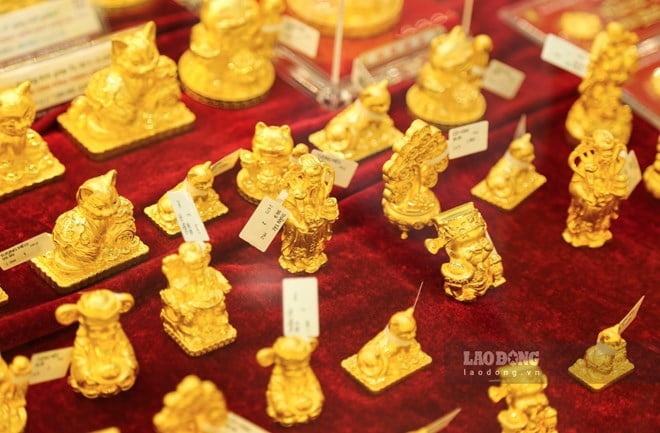
Gold has become even more attractive to investors as a safe haven.
Gold prices have been fluctuating wildly recently. Back in March 2022, when the conflict in Ukraine began, the price of gold was at $2,069 per ounce before being sold off, falling to nearly $1,600 per ounce by September 2022. In March 2023, gold prices recovered strongly after the collapse of Silicon Valley banks, surpassing the $2,000 per ounce mark before plummeting again. Gold is currently facing several factors that are driving up its price as well as factors that are putting downward pressure on it.
Currently, ongoing geopolitical tensions and concerns that the United States may be heading into an economic recession have helped support gold prices above $1,900. Additionally, pent-up demand from the COVID-19 outbreak in several major markets is also contributing to the rise in gold prices.
Recently, inflation in the US has shown signs of gradually decreasing. This is also a factor supporting gold prices because it reduces expectations about future interest rates, making the metal more attractive to investors.
The "headwinds"
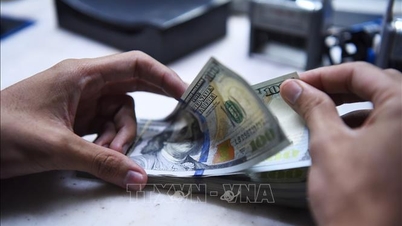
Despite the aforementioned supporting factors, gold prices still face some headwinds. The strength of the US dollar has retreated from its peak recorded in the second half of 2022, but it still maintains its position. A strong dollar is bad news for gold because it makes the cost of holding the metal more expensive. The price of the metal, denominated in USD, can affect foreign demand. As a result, when the dollar strengthens, gold prices tend to fall.
The outlook for the dollar is considered unpredictable and largely depends on whether the US economy enters a recession, how quickly inflation falls, and the actions of the Federal Reserve.
Interest rates also have an inverse relationship with the price of gold. With interest rates remaining high—and potentially rising—bonds and fixed-income investments are an attractive alternative to gold. If the interest rate hike cycle ends, gold will continue to benefit.
However, recently, Federal Reserve Chairman Jerome Powell expressed concern that global uncertainties would affect the Fed's anti-inflation campaign. He also left open the possibility of raising interest rates in the near future, as the Federal Open Market Committee's decision depends on the actual situation. If the Fed continues to tighten policy, the gold market will face pressure.
According to the World Gold Council, 2022 was the strongest year for gold consumption in over a decade. This trend reversed in 2023, with gold demand in the first quarter falling 13% year-on-year. The continued buying by central banks around the world was insufficient to offset demand.
Looking ahead, the outlook for gold remains fairly balanced. Gold prices have risen 5.4% in the first half of this year. The Fed ending its interest rate tightening cycle and a weaker US dollar are also favorable factors. An economic recession would also push gold prices higher due to its impact. However, if the US economy and the global economy in general continue to show rapid recovery, gold prices could be affected.
Analysts predict that gold prices will continue to be influenced by many factors. The market needs to prepare for unexpected situations.
Source





























































































Comment (0)