

Preparing a ceremonial offering with all the traditional items, Mrs. Quách Thị Hoa Phượng, a Mường ethnic woman from Hamlet 3, Hòa Thắng Commune, Buôn Ma Thuột City, Đắk Lắk Province, respectfully invited a shaman to perform the ancestral commemoration ceremony on behalf of her family. Mrs. Phượng explained that the Mường community migrated from Hòa Bình to Đắk Lắk more than half a century ago. In their new homeland, they have always preserved and passed on the beautiful cultural traditions of their ethnic group. Among these, inviting a shaman to perform rituals for health and peace for the family during festivals and ancestral commemorations is an indispensable spiritual practice.
"On holidays and anniversaries of our ancestors, we must have a priest come to perform the official rituals, especially the annual memorial services for our grandparents, which must be fully attended. When the priest arrives, he must perform the rituals to invite our ancestors to come and share a meal, and after the meal, he invites them to leave again," Mrs. Phuong shared.
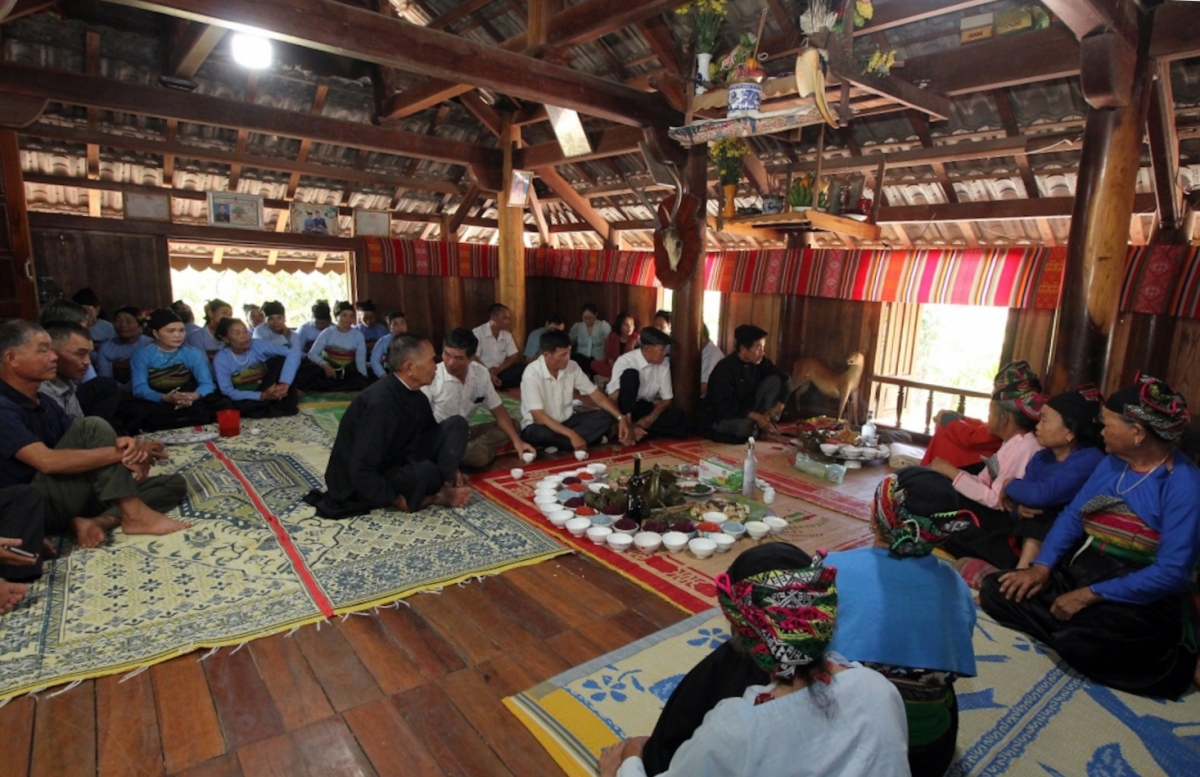
Mo Muong is a folk cultural performance practiced in rituals associated with the religious life of the Muong people.
For the Muong people, the shaman is the person who directly performs the Mo ritual – a folk cultural performance carried out in ceremonies associated with spiritual beliefs. Muong Mo consists of the incantation, the performance environment, and the performer. The incantation consists of rhyming verses and poems with rich content, containing many ancient stories, folk legends, myths, and epics; reflecting history and explaining things and phenomena in life in ancient times. The incantation is composed in rhyme and adheres to certain performance principles.
The Muong people do not have their own written language, so the incantations are passed down orally through generations of shamans, preserved through folk rituals. Shamans are the keepers of incantation knowledge, memorizing tens of thousands of incantations and being proficient in rituals, customs, and traditions. According to shaman Bui Van Minh, in Hoa Thang commune, Buon Ma Thuot city, Dak Lak province, incantations are performed within each family to carry out a specific ritual, such as funerals, offerings to the goddess of childbirth, warding off bad luck, weddings, and housewarming ceremonies.
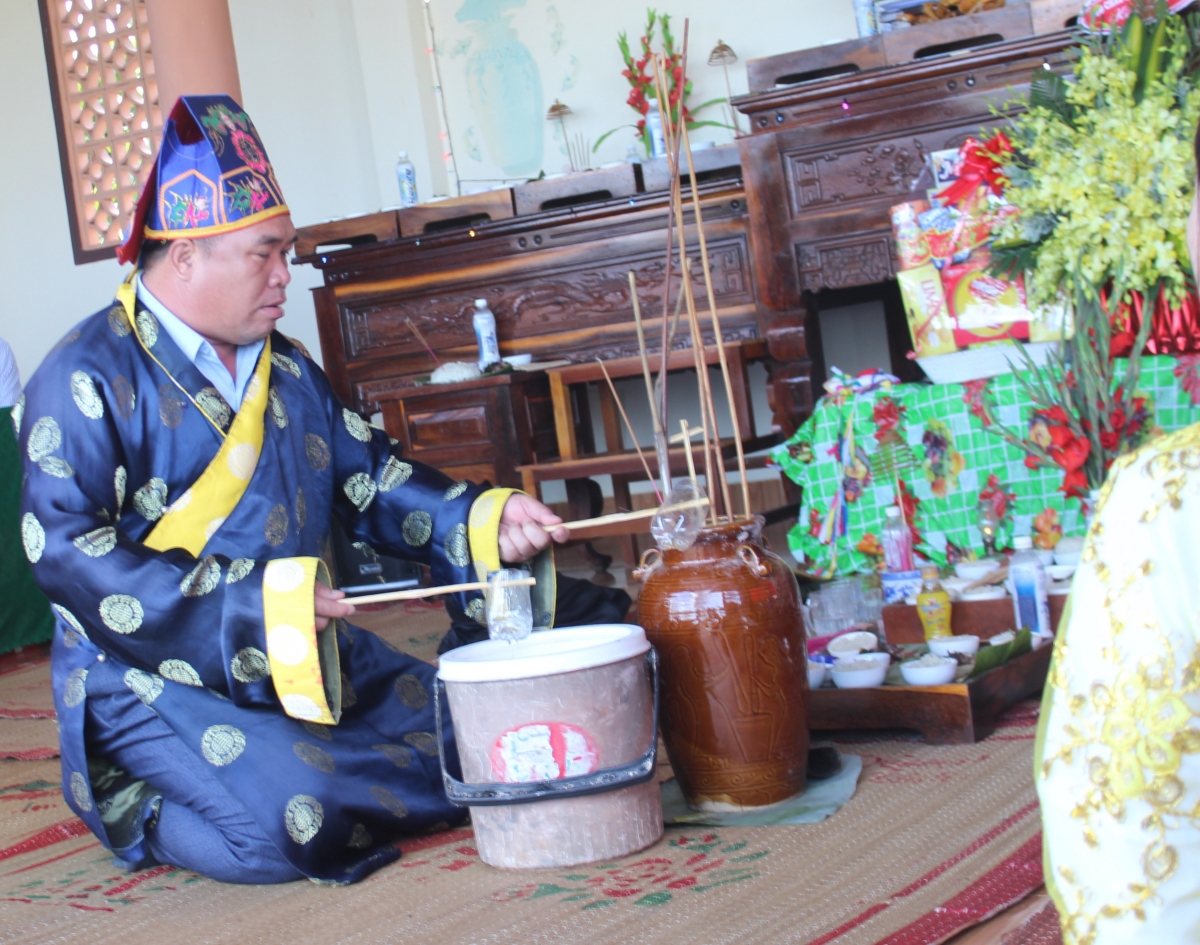
Shamans perform shamanic rituals in funeral ceremonies, ceremonies for the goddess of childbirth, rituals to ward off bad luck, weddings, housewarming ceremonies, and more.
Having migrated to Dak Lak as early as 1954 and from various provinces since the 1980s, the Muong ethnic community in Dak Lak currently numbers approximately 16,000 people, primarily residing in the districts of Ea Kar, Krong Nang, Ea H'leo, Krong Bong, and the city of Buon Ma Thuot. Despite the large population, only six individuals remain who can fully perform the Muong shamanic rituals. These shamans play a crucial role in the spiritual life of the Muong people, maintaining and continuing the tradition of Muong shamanism. This is further confirmed by the fact that the social customs and beliefs of Muong shamanism in Dak Lak province were included in the National Intangible Cultural Heritage list by the Ministry of Culture, Sports and Tourism in February 2024.
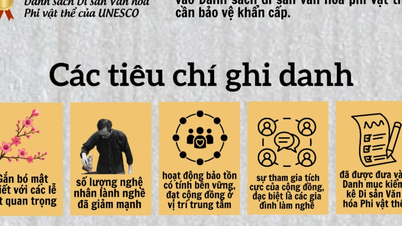
According to statistics from the Department of Cultural Heritage, Ministry of Culture, Sports and Tourism, the Mo Muong heritage currently exists in 7 provinces and cities. In Dak Lak, during the process of investigating, compiling statistics, and assessing the current state of the Mo Muong heritage, since 2022, the province has coordinated with the National Institute of Music and other provinces with Mo Muong heritage to build a national dossier to submit to the United Nations Educational, Scientific and Cultural Organization (UNESCO) for inscription on the List of Intangible Cultural Heritage in Need of Urgent Safeguard.
Facing the risk of extinction, the recognition of Mo Muong as a National Intangible Cultural Heritage is not only a source of pride for the Muong people, but also an opportunity for Dak Lak to continue preserving and spreading the unique values of this heritage within the diverse cultural landscape of the Central Highlands.
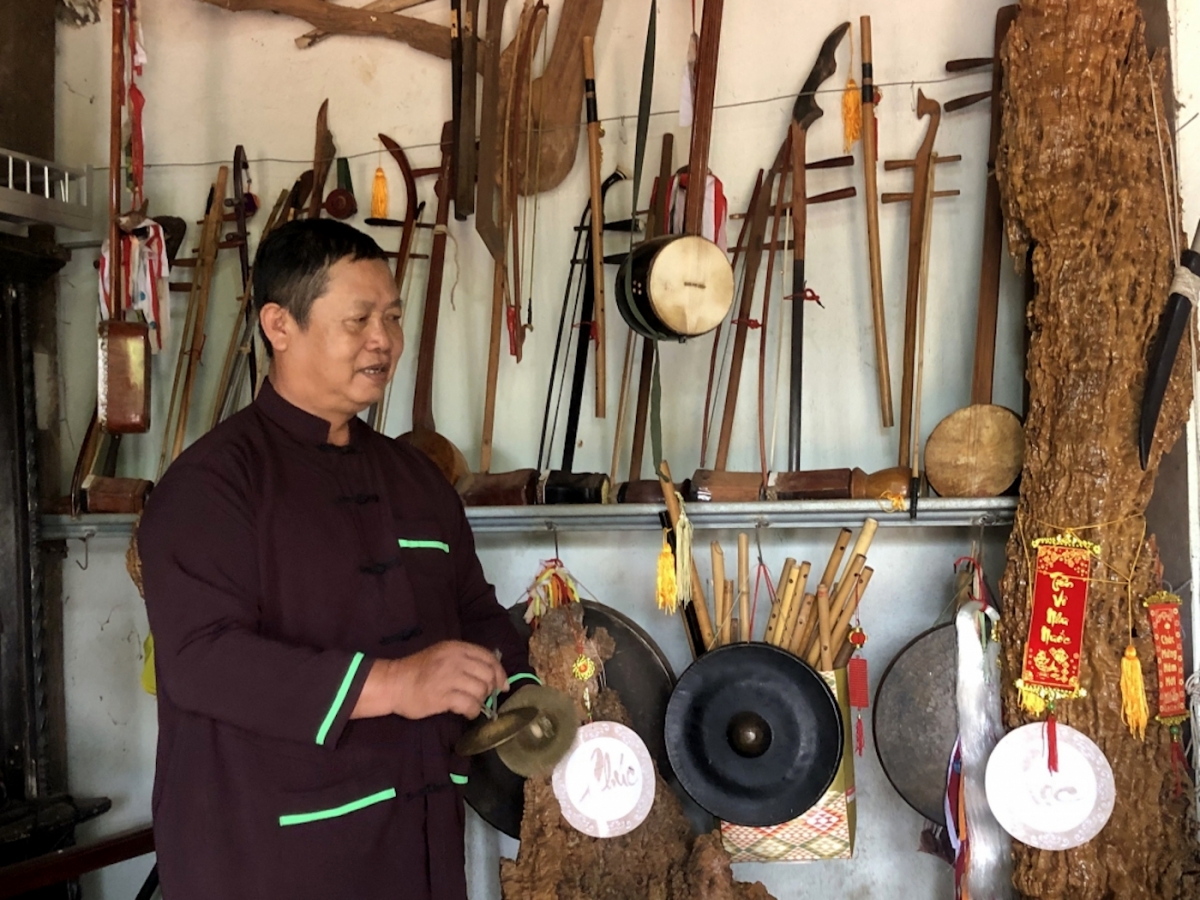
In Dak Lak, there are currently only about 6 people who can fully perform the Mo Muong ritual.
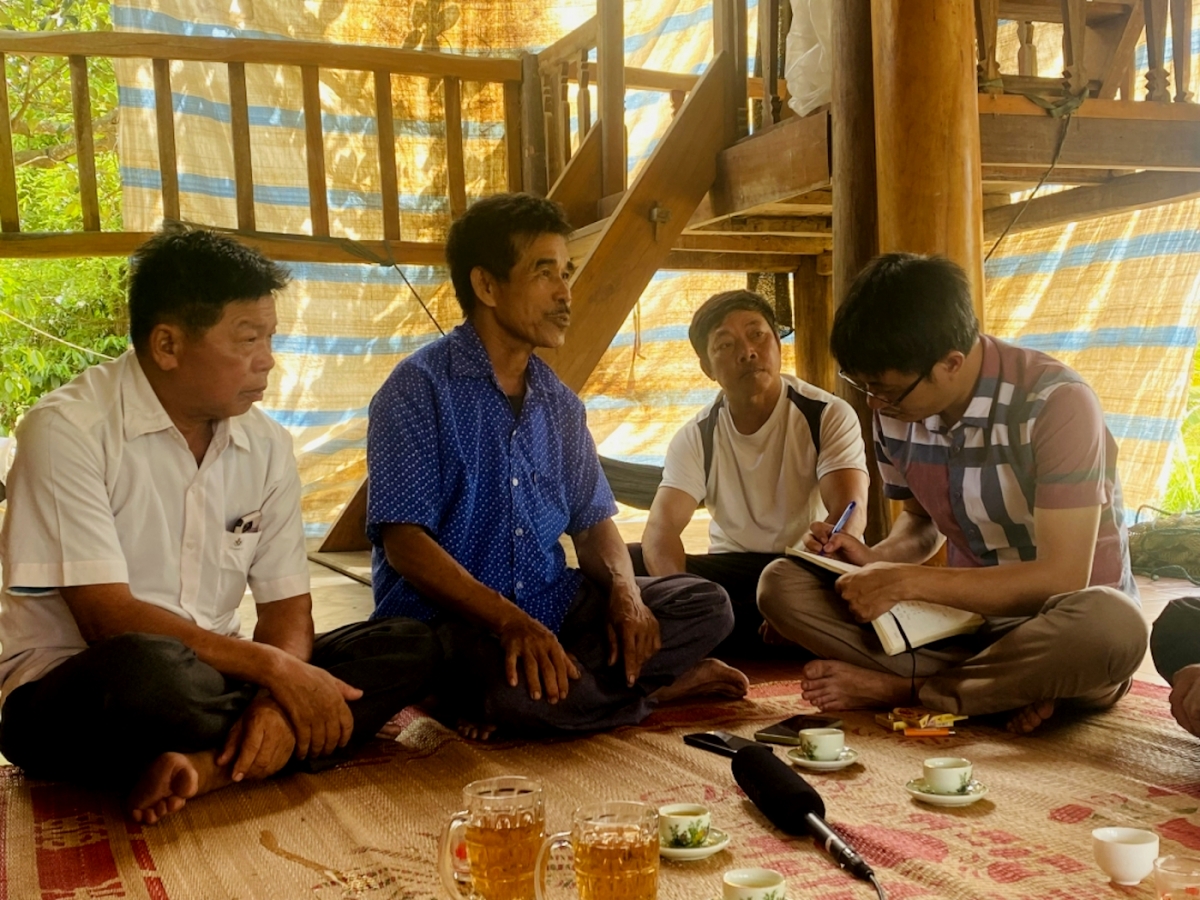
Since 2022, Dak Lak province has collaborated with the National Institute of Music to conduct surveys, statistics, and assessments of the current state of the Mo Muong heritage in the locality.
Source: https://vov.vn/van-hoa/doc-dao-di-san-van-hoa-mo-muong-o-dak-lak-post1198170.vov





























































Comment (0)