

Back pain typically occurs in the lower back, while kidney pain is located higher and deeper, such as in the upper half of the back, and may be accompanied by fever, vomiting, and blood in the urine.
The kidneys are two small, bean-shaped organs located on either side of the body, about the size of a fist. They play a vital role in filtering water, acids, and waste products from the blood, producing urine for the body to eliminate waste. Damaged kidneys cannot perform their function of maintaining a healthy balance of salts, minerals like calcium, and water in the blood.
The kidneys also produce hormones that help control blood pressure, keep bones strong, and create red blood cells. Patients should monitor for signs of kidney disease or kidney damage, such as pain.
Kidney pain is an uncomfortable sensation originating from the kidney area, often a dull ache in the sides, back, or abdomen. Therefore, kidney pain is easily confused with common back pain. Kidney pain can be distinguished from back pain through several differences in sensation, location, and symptoms.
Location
The two kidneys are located just below the rib cage on either side of the spinal cord. When experiencing kidney pain, patients usually feel pain on the left or right side of the lower back, below the ribs. The pain may radiate to the abdomen or groin.
Compared to lower back pain, kidney pain is higher and deeper in the body. Patients may feel it in the upper half of their back. Back problems often affect the lower back.
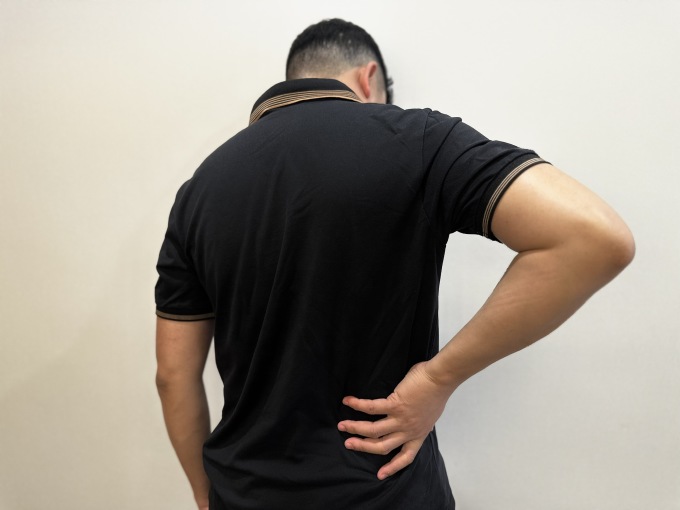
Back pain typically occurs in the lower back, while kidney pain is located higher and deeper in the body. Photo: Ngoc Pham
Token
Back pain often flares up or worsens during certain activities such as bending down or lifting heavy objects, and subsides with posture adjustments or exercise. Meanwhile, kidney pain doesn't go away even with rest or changes in posture.
Accompanying symptoms
Depending on the cause, kidney pain may be accompanied by other symptoms. You should see a doctor immediately if you experience body aches; fatigue; persistent dull pain in the back; pain on one side of the ribs, but sometimes both sides; severe pain that may come in waves; pain radiating to the groin or abdomen; fever; vomiting; pain during urination; cloudy urine; or blood in the urine.
A doctor may perform several tests to find the cause of kidney pain, such as:
Blood tests check for signs of infection or kidney stones, and the kidneys' ability to filter waste from the blood.
A urine test checks for infections, protein, and other substances in the urine caused by kidney disease.
Ultrasound or magnetic resonance imaging (MRI) provides a detailed examination of the kidneys and other parts of the urinary tract.
Treatment depends on the cause of kidney pain, such as antibiotics if the pain is due to an infection. In the case of kidney stones, the doctor may prescribe medication to expel the stones or recommend surgery if the stones are large.
To relieve kidney pain at home, patients can use a heating pad on their back or abdomen; drink plenty of water; and avoid alcohol or caffeinated beverages.
Anh Ngoc (According to Webmd )
Source link

![[Photo] Standing Committee member of the Party Central Committee Tran Cam Tu working with the Central Inspection Committee](https://vphoto.vietnam.vn/thumb/1200x675/vietnam/resource/IMAGE/2026/05/28/1779969579668_ndo_br_bnd-2495-jpg.webp)






































































































Comment (0)