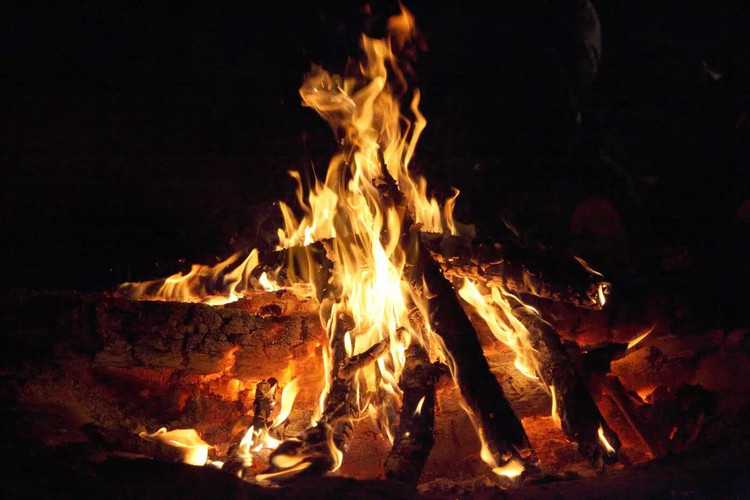
The earliest evidence of fire-making dates back 400,000 years to England.
Excavations at Barnham confirm that ancient humans, possibly Neanderthals, knew how to make fire 350,000 years earlier than previously thought.
Báo Khoa học và Đời sống•16/12/2025
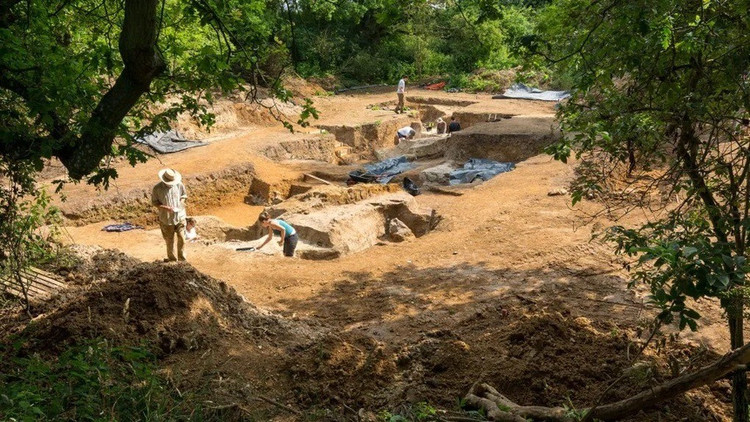
During excavations at Barnham, Suffolk (England), scientists discovered a layer of fired clay forming a hearth, fire axes cracked by heat, and two fragments of pyrite – a mineral capable of producing sparks used for starting fires. Photo: Steven Miller / Flickr / CC BY 2.0. “This archaeological site, dated to approximately 400,000 years old, is the earliest evidence to date of fire creation, not only in Britain or Europe but in the entire world ,” said Nick Ashton, lead author of the study and curator of the Paleolithic collection at the British Museum. Photo: Yulia S, CC-BY-3.0 / Wikimedia Commons.
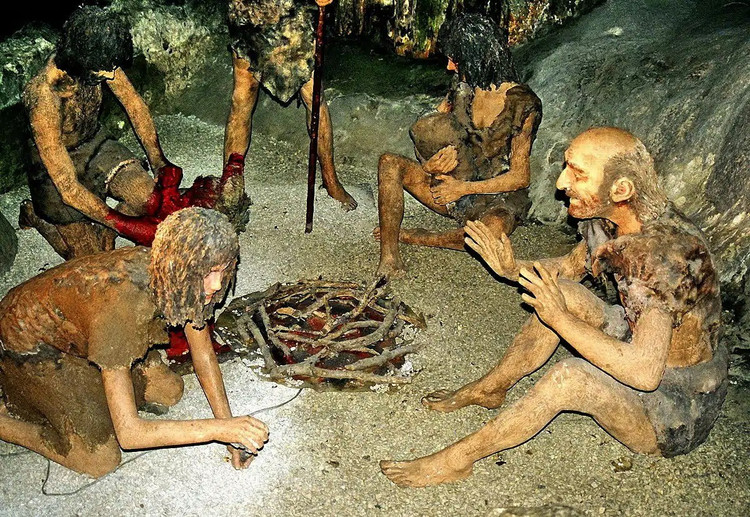
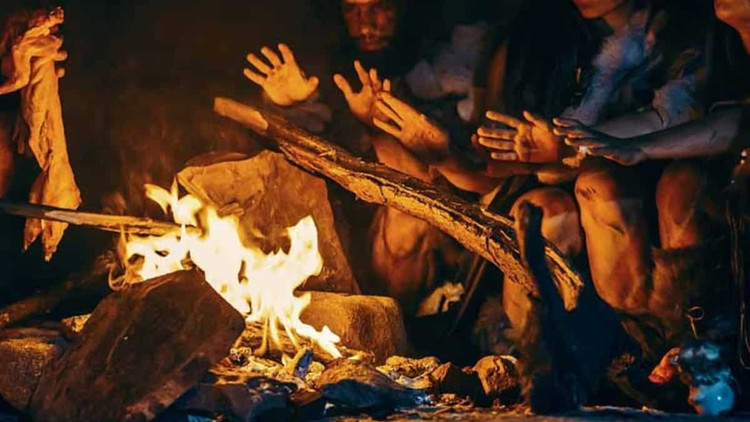
Experts say that ancient hearths have left no fossils, making it difficult to reconstruct the "technology" that created the first fires. Photo: Jordan Mansfield. The research team also found no human bone fragments at the Barnham excavation site. Therefore, identifying the group of people who created the fire remains unclear. However, these traces most likely belong to Neanderthals – an extinct relative of modern humans. Photo: Jordan Mansfield. The artifacts found at Barnham are 350,000 years older than the oldest previously recorded evidence of fire-making in northern France. However, Ashton noted that this does not mean fire-making began at Barnham. Photo: Jordan Mansfield.
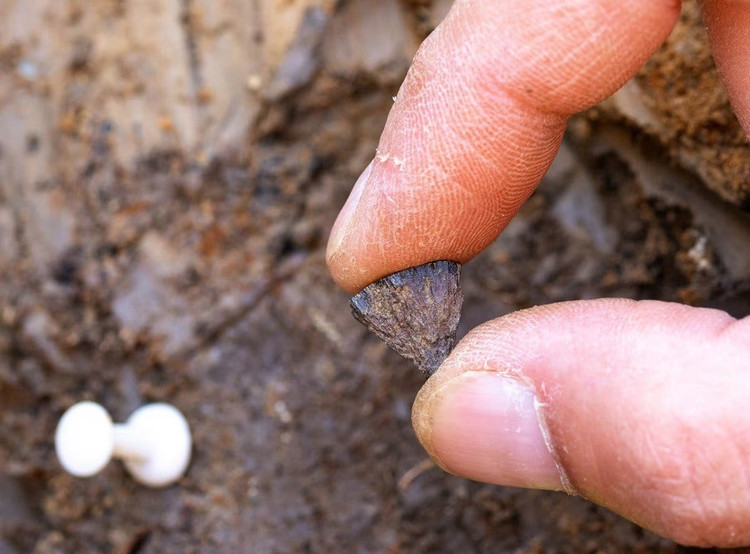
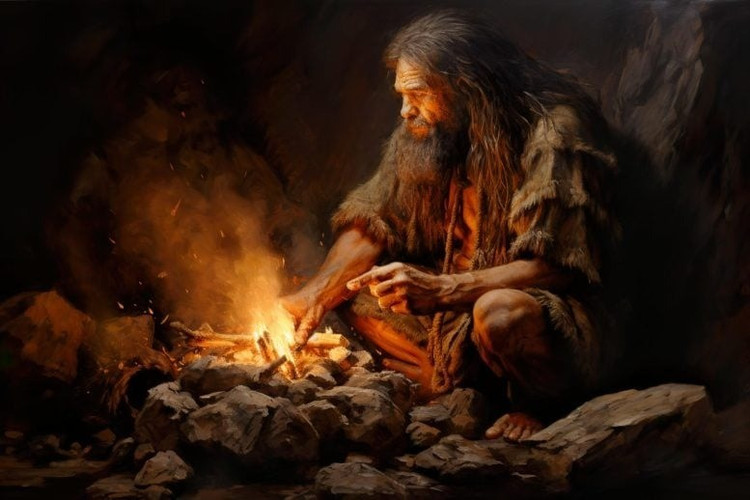
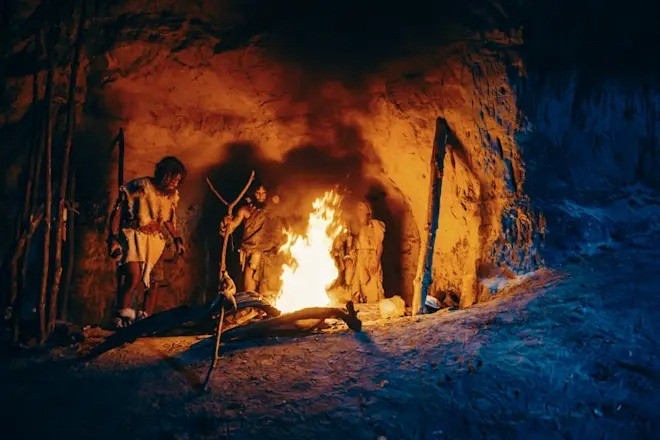
The research team analyzed the red-stained sediment at Barnham and found that its chemical properties differed from traces of natural fires. Photo: wionews.com. The hydrocarbon signatures indicate high temperatures from concentrated wood burning, rather than widespread combustion. Photo: scitechdaily.com. The most compelling evidence is the discovery by archaeologists of two pieces of pyrite – a mineral that can produce sparks when struck with flint to light a fire. Photo: Gorodenkoff/Shutterstock.
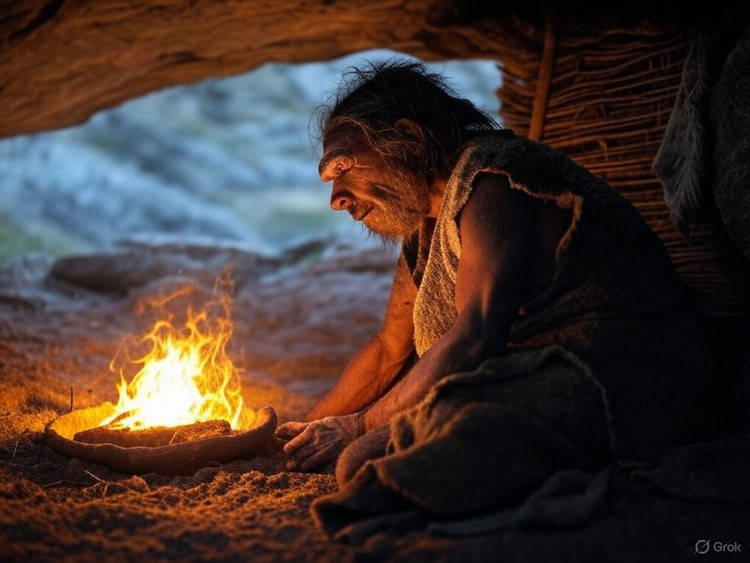
The naturally occurring aerial mineral in the surrounding area suggests that the inhabitants of Barnham understood the fire-generating properties of pyrite and actively sought it out. Photo: worddreams.wordpress.com. Readers are invited to watch the video : Behind the success of scientists. Source: VTV24.


 Báo Khoa học và Đời sống•16/12/2025









![[Photo] Prime Minister Pham Minh Chinh receives the Governor of Tochigi Province (Japan)](/_next/image?url=https%3A%2F%2Fvphoto.vietnam.vn%2Fthumb%2F1200x675%2Fvietnam%2Fresource%2FIMAGE%2F2025%2F12%2F16%2F1765892133176_dsc-8082-6425-jpg.webp&w=3840&q=75)
![[Photo] Prime Minister Pham Minh Chinh receives Lao Minister of Education and Sports Thongsalith Mangnormek](/_next/image?url=https%3A%2F%2Fvphoto.vietnam.vn%2Fthumb%2F1200x675%2Fvietnam%2Fresource%2FIMAGE%2F2025%2F12%2F16%2F1765876834721_dsc-7519-jpg.webp&w=3840&q=75)
![[Image] Leaked images ahead of the 2025 Community Action Awards gala.](/_next/image?url=https%3A%2F%2Fvphoto.vietnam.vn%2Fthumb%2F1200x675%2Fvietnam%2Fresource%2FIMAGE%2F2025%2F12%2F16%2F1765882828720_ndo_br_thiet-ke-chua-co-ten-45-png.webp&w=3840&q=75)

![[Live] 2025 Community Action Awards Gala](/_next/image?url=https%3A%2F%2Fvphoto.vietnam.vn%2Fthumb%2F1200x675%2Fvietnam%2Fresource%2FIMAGE%2F2025%2F12%2F16%2F1765899631650_ndo_tr_z7334013144784-9f9fe10a6d63584c85aff40f2957c250-jpg.webp&w=3840&q=75)
































































Comment (0)